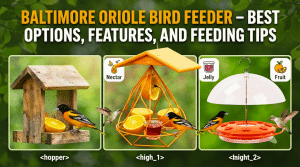
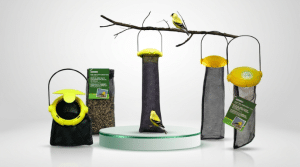
Attracting birds to your garden adds life and color to your outdoor space. Growing plants that birds love creates a natural, welcoming habitat for them.
Birds need food, shelter, and water to visit your yard often. Certain plants provide seeds, berries, nectar, and insects birds enjoy. Planting native flowers, shrubs, and trees helps meet their needs. This guide shows easy ways to grow plants that attract many bird species.
Learn which plants offer the best food and cover throughout the year. Create a beautiful garden that supports local wildlife and brings birds closer to your home. With simple tips, you can turn your yard into a lively bird-friendly space. Enjoy watching birds while helping nature thrive right outside your door.
Birds & Blooms Magazine

The Birds & Blooms Magazine: Ultimate Guide To Backyard Birding is perfect for nature enthusiasts, bird watchers, and gardeners looking to transform their outdoor spaces into vibrant habitats. If you want to attract more birds, especially hummingbirds, and learn how to nurture a flourishing backyard ecosystem, this magazine is an ideal resource. Whether you’re a beginner or experienced birder, this guide offers valuable insights to enhance your birding experience.
Pros:
- Comprehensive tips on choosing the right feeders and feeding techniques for various bird species.
- Detailed guide on growing 50+ plants that attract birds, enhancing your garden’s natural appeal.
- Expert advice on feeding suet, nuts, and fruits to diversify bird diets and increase visits.
- Step-by-step instructions for creating easy birdscapes that beautify your yard and support wildlife.
- Specific focus on hummingbird feeding tips, helping to attract and sustain these delicate birds.
- High-quality content from a reputable brand Illini37 and manufacturer McClatchy Media, spanning 98 informative pages.
Cons:
- Limited to backyard birding, may not cover broader wildlife topics.
- Printed magazine format might not appeal to those preferring digital content.
- Seasonal relevance may affect the applicability of some planting and feeding advice.
This magazine is packed with rich, practical information that empowers readers to attract a wide variety of birds to their backyards by planting the right flora and providing suitable feeders. The focus on flowers hummingbirds love and tailored feeding secrets ensures that even the most elusive birds feel welcomed. By following the expert recommendations, users can create a thriving bird-friendly environment that supports local ecosystems and offers endless hours of enjoyment.
Additionally, the guide’s emphasis on easy-to-implement birdscaping techniques makes it accessible for gardeners of all skill levels. The inclusion of nut and fruit feeding secrets provides variety in bird diets, encouraging a diverse bird population. With nearly 100 pages of dedicated content, this magazine is a valuable tool for anyone passionate about backyard birding, combining education with inspiration to help readers make the most of their outdoor spaces.
How To Houseplant
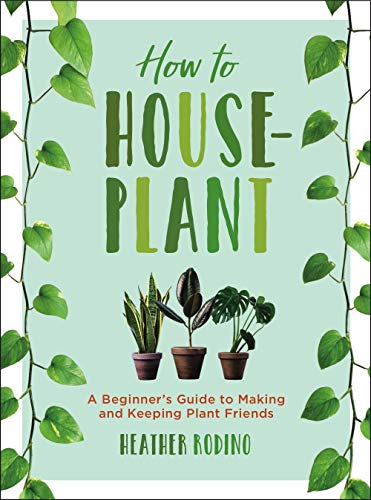
Ideal for beginners eager to start their journey in houseplant care, “How to Houseplant: A Beginner’s Guide to Making and Keeping Plant Friends” by Union Square & Co. is perfect for those who want straightforward, practical advice on nurturing indoor plants. If you’re looking to transform your living space with thriving greenery but feel overwhelmed by plant care basics, this 192-page guide is designed just for you.
Pros:
- Comprehensive yet easy-to-understand instructions tailored for novice plant owners
- Compact size (7.75″ x 0.75″ x 5.75″) makes it convenient to carry or store
- Published by Union Square & Co., a trusted name in lifestyle and gardening guides
- Provides practical tips on selecting, caring for, and troubleshooting common houseplants
- Enhances the reader’s confidence in maintaining healthy indoor plants
Cons:
- Limited to beginner-level content, may not satisfy advanced plant enthusiasts
- Focuses mainly on common houseplants, with less coverage of exotic or rare species
- Printed publication date is 2019, so some recent plant care trends might not be included
The book’s concise dimensions and manageable weight make it an ideal companion for readers who prefer a physical guide that is both portable and easy to reference. With 192 pages packed with insightful tips, it covers everything from the basics of choosing the right potting soil to understanding watering schedules, light requirements, and pest control. These features enable readers to develop a strong foundation in houseplant care, transforming their indoor spaces into lush, vibrant environments.
By following the step-by-step guidance, users benefit from reduced plant stress and improved survival rates, making the process of caring for plants less intimidating and more rewarding. The guide also encourages building a lasting relationship with your green companions, ensuring that both novice and casual plant owners feel empowered to cultivate their own thriving indoor garden. Overall, this book is a valuable resource for anyone looking to embrace the joys of houseplant ownership with confidence and ease.
How To Grow Your Own Food
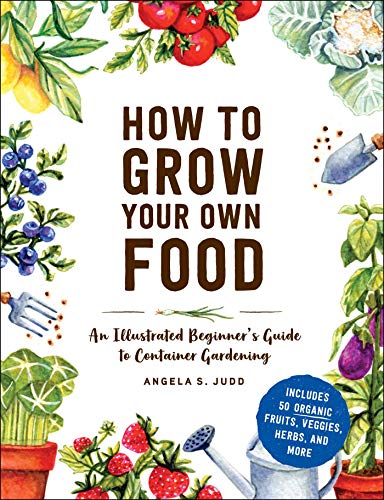
How to Grow Your Own Food: An Illustrated Beginner’s Guide to Container Gardening is perfect for individuals who want to start growing their own fresh produce but have limited space or experience. Ideal customers include urban dwellers, apartment residents, and beginners interested in sustainable living and healthy eating through home gardening. This guide simplifies container gardening, making it accessible for those new to horticulture.
Pros:
- Comprehensive beginner-friendly instructions with clear illustrations.
- Compact size (Height: 9.125 inches, Width: 0.6 inches, Length: 7.0 inches) makes it easy to handle and store.
- Lightweight at just 2.3 pounds, convenient for carrying and referencing outdoors.
- Published by trusted Adams Media, ensuring quality content.
- Contains 144 pages packed with practical tips for container gardening success.
- Focuses on growing food in limited spaces, perfect for urban environments.
Cons:
- May not cover advanced gardening techniques for experienced gardeners.
- Limited to container gardening, excluding traditional soil gardening methods.
- Publication date (2021) means some newer gardening trends might not be included.
This guide provides a detailed look at container gardening, emphasizing easy-to-follow steps and illustrated instructions that help beginners grasp essential concepts quickly. It covers everything from selecting the right containers and soil to choosing suitable plants, ensuring users can grow a variety of vegetables and herbs successfully. The book’s practical approach helps reduce the guesswork often associated with starting a garden, making it an invaluable resource for those with limited outdoor space.
Additionally, the benefits of container gardening such as space efficiency, pest control, and portability are clearly explained, empowering readers to enjoy fresh, homegrown food regardless of their living situation. By following the advice in this guide, users can improve their nutrition, reduce grocery costs, and contribute to a more sustainable lifestyle, all while enjoying the therapeutic aspects of gardening.
Starting Seeds: How To Grow Healthy, Productive Vegetables, Herbs, And Flowers From Seed

Ideal for gardening enthusiasts, beginners, and anyone interested in cultivating their own vegetables, herbs, and flowers from scratch, Starting Seeds: How to Grow Healthy, Productive Vegetables, Herbs, and Flowers from Seed by Storey Publishing is a comprehensive guide designed to help you achieve successful seed starting and plant growth. This book is perfect for those who want to develop a green thumb and grow plants that thrive.
Pros:
- Provides clear, step-by-step instructions for starting seeds successfully.
- Compact and easy-to-handle size with 128 pages of valuable content.
- Covers a wide range of plants including vegetables, herbs, and flowers.
- Published by a trusted brand, Storey Publishing, ensuring credible information.
- Offers practical tips to improve seed germination and plant health.
Cons:
- Limited to 128 pages, which may not cover very advanced techniques in depth.
- Primarily focused on beginners, so advanced gardeners might find it basic.
- Publication date is from 2013, so some newer gardening innovations may not be included.
The book’s compact dimensions (6.95 x 4.95 x 0.5 inches) make it a convenient resource to keep on hand while gardening. The content is organized to guide readers through the entire seed-starting process, from selecting quality seeds to nurturing seedlings into healthy plants. By following the expert advice provided, gardeners can expect improved germination rates and healthier, more productive plants in their garden beds or containers.
With practical insights from Storey Publishing, LLC, this guide emphasizes sustainable and effective gardening techniques. Whether you want to grow your own fresh herbs for cooking or cultivate colorful flowers to beautify your space, this book equips you with the knowledge to succeed. Its focus on starting seeds ensures that users save money and gain the satisfaction of growing plants from the very beginning.
How Not To Kill Your Houseplant

Ideal for beginners and anyone who struggles with keeping houseplants alive, How Not to Kill Your Houseplant New Edition is perfect for the horticulturally challenged looking to develop confidence in plant care. This comprehensive guide is tailored to those who want practical, easy-to-follow advice to transform their indoor gardening experience.
Pros:
- Comprehensive coverage with 437 pages of detailed tips and techniques
- Published by trusted manufacturer DK in 2023, ensuring up-to-date information
- Includes survival tips specifically designed for beginners and novices
- Easy-to-understand language and practical advice for everyday plant care
- Helps prevent common mistakes that lead to plant death
Cons:
- Large volume of content may be overwhelming for some readers
- Focuses primarily on indoor houseplants, less on outdoor gardening
- Printed book format might not suit those who prefer digital or interactive guides
This edition of How Not to Kill Your Houseplant stands out due to its extensive and well-researched content. With 437 pages, it dives deep into the nuances of plant care, making it an invaluable resource for new plant owners. Readers benefit from practical survival tips that address common pitfalls and mistakes, empowering them to nurture healthy, thriving houseplants.
The book’s clear, accessible writing style ensures that even those without prior horticultural knowledge can easily grasp essential concepts. Published by DK in 2023, the guide reflects the latest trends and techniques in indoor plant care. Overall, it offers a balanced mix of detailed information and user-friendly advice, making it a must-have for anyone eager to improve their green thumb.
Propagating Plants

Propagating Plants: How to Create New Plants for Free is perfect for gardening enthusiasts, beginners looking to expand their plant collection economically, and anyone interested in sustainable gardening practices. This illustrated guide by DK offers clear instructions and practical tips that make plant propagation accessible to all skill levels. If you want to grow your garden without repeatedly purchasing new plants, this book is an ideal resource.
Pros:
- Comprehensive step-by-step instructions for various propagation methods
- Beautifully illustrated with clear visuals to aid understanding
- Suitable for both beginners and experienced gardeners
- Compact and lightweight design, easy to handle (Height: 10.31 inches, Weight: 2.8 pounds)
- Published by trusted brand DK, ensuring high-quality content
Cons:
- Some advanced propagation techniques may require additional external resources
- Primarily focused on common plants, limited coverage of exotic varieties
- Physical book format might not suit those preferring digital media
This 320-page book delves deeply into the art of plant propagation, covering everything from cuttings and layering to division and grafting. Each method is explained with detailed steps and accompanied by vibrant illustrations, making complex techniques straightforward. The book’s compact size and white cover give it a clean, approachable look that fits well on any gardener’s bookshelf.
By following the guidance in this publication, users can save money by creating new plants from existing ones, promoting sustainable gardening habits. The clear instructions and illustrations reduce the trial-and-error often associated with propagation, increasing the success rate for new plant growth. Whether you want to multiply houseplants or cultivate a thriving outdoor garden, this resource equips you with the knowledge to propagate confidently and effectively.
How To Grow Tomatoes

The book How to Grow Tomatoes: A practical gardening guide for great results is ideal for gardening enthusiasts, especially those who are beginners or intermediate growers looking to enhance their tomato cultivation skills. If you want clear, step-by-step advice paired with vivid visuals to ensure a successful tomato harvest, this guide is tailored for you. It is also perfect for anyone seeking practical tips backed by extensive color photographs to visualize each stage of tomato growing.
Pros:
- Comprehensive step-by-step advice that simplifies tomato growing.
- Includes 200 colour photographs for easy understanding and visual guidance.
- Compact and easy-to-handle format with 64 pages of focused content.
- Published by reputable manufacturer Southwater, ensuring quality and reliability.
- Provides practical tips suitable for a variety of growing conditions and skill levels.
Cons:
- Published in 2008, some gardening techniques might be slightly outdated.
- Limited to tomato cultivation, so it may not cover broader gardening topics.
- Small physical size might make detailed photos less clear for some readers.
This practical guide stands out by combining detailed instructions with vibrant, full-color photographs that make the tomato growing process accessible and enjoyable. The book’s manageable size and straightforward presentation mean it can easily be used as a quick reference while working in the garden. Readers benefit from clear illustrations of planting, nurturing, and harvesting tomatoes, which boosts confidence and success rates.
Additionally, the guide covers key factors such as soil preparation, watering techniques, pest control, and harvesting tips, all designed to maximize the quality and yield of your tomato plants. By following the advice in this guide, gardeners can expect healthier plants, more abundant fruit, and an overall more rewarding gardening experience.
The Backyard Homestead
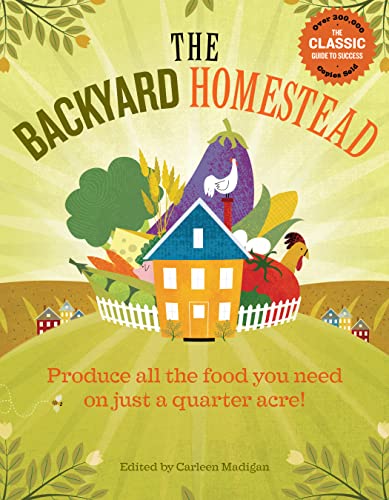
Ideal for home gardeners, aspiring self-sufficient individuals, and anyone interested in sustainable living, The Backyard Homestead: Produce all the food you need on just a quarter acre! is the perfect guide to transforming a small plot of land into a productive food source. Whether you have limited space or want to reduce your grocery bills by growing your own food, this book offers practical advice and inspiration.
Pros:
- Comprehensive guide covering a wide range of food production techniques.
- Suitable for small spaces, specifically just a quarter acre.
- Includes detailed instructions and illustrations to simplify complex processes.
- Written by Storey Publishing, a trusted name in gardening and homesteading literature.
- Extensive content with 368 pages offering in-depth knowledge.
Cons:
- Publication date is from 2009, so some methods might be slightly outdated.
- Physical book dimensions might be bulky for some readers.
- Primarily focused on temperate climate zones; may require adaptation elsewhere.
This book’s standout feature is its ability to empower readers to produce a significant portion of their own food on a very manageable piece of land. With clear layouts and practical advice, it covers everything from raising animals to growing vegetables and preserving harvests. This makes it not just a manual but a roadmap for sustainable living and food independence.
Additionally, the 14th Printing edition reflects its popularity and reliability over time. The detailed illustrations and step-by-step instructions provide great value for beginners and experienced homesteaders alike. By following the principles laid out in this book, users can enjoy the benefits of fresher food, reduced environmental impact, and a more rewarding lifestyle connected to nature.
Tropical Plants And How To Love Them

Tropical Plants and How to Love Them is perfect for gardening enthusiasts, beginners eager to explore tropical flora, and anyone interested in cultivating vibrant, lush indoor or outdoor plants. If you want to learn practical tips and expert advice on caring for tropical plants, this book by Cool Springs Press is an ideal guide to help you nurture your green space successfully.
Pros:
- Comprehensive care instructions tailored for tropical plants
- Compact and easy-to-handle size (Height: 10.0 inches, Width: 0.47 inches, Length: 8.0 inches)
- Lightweight at approximately 1.4 pounds, making it convenient to carry around
- Contains 208 pages filled with detailed and practical information
- Published recently in 2022, ensuring up-to-date content
Cons:
- Focused primarily on tropical plants, limiting coverage of other plant types
- Reprint edition may not include the latest research beyond 2022
This book offers a well-structured approach to understanding tropical plants, making it easier for users to grasp the specific needs of these exotic species. Its detailed sections on watering, light requirements, and soil types help readers cultivate healthy, thriving plants. Moreover, the practical advice on common pest control and plant propagation enhances the overall gardening experience.
Additionally, the manageable dimensions and weight of Tropical Plants and How to Love Them make it a user-friendly resource for reference while gardening. The guide’s clear instructions and vibrant imagery inspire confidence in both novice and experienced gardeners, ensuring they can successfully grow and maintain beautiful tropical plants year-round.
The Humane Gardener: Nurturing A Backyard Habitat For Wildlife

The Humane Gardener: Nurturing a Backyard Habitat for Wildlife is ideal for environmentally conscious gardeners and nature enthusiasts who want to create a sustainable and ethical garden that supports native wildlife, plants, and biodiversity. This book is perfect for those seeking practical guidance on transforming their backyard into a thriving habitat that benefits local ecosystems while promoting responsible gardening practices.
Pros:
- Provides detailed, illustrated instructions for creating a wildlife-friendly garden
- Focuses on promoting native plants and supporting biodiversity
- Published by the reputable Princeton Architectural Press
- Compact and manageable size (8.25 x 0.875 x 5.75 inches) for easy handling
- Contains 224 pages of comprehensive, expert information
Cons:
- May be too specialized for casual gardeners not interested in wildlife conservation
- Publication date (2017) means some content might not include the latest gardening innovations
This illustrated edition of The Humane Gardener offers readers a thorough understanding of how to create a backyard habitat that nurtures local wildlife ethically and sustainably. With practical tips on selecting and cultivating native plants, the book encourages gardeners to foster ecosystems that support pollinators, birds, and other beneficial creatures. The detailed illustrations enhance comprehension, making complex ecological concepts accessible and actionable.
The book’s focus on ethical gardening practices helps users appreciate the importance of balancing human enjoyment with environmental stewardship. By following the guidance provided, gardeners can reduce harmful pesticide use, promote biodiversity, and create a beautiful, thriving outdoor space that benefits both people and wildlife alike. Its manageable dimensions and well-structured content make it a valuable resource for anyone committed to making a positive impact through their gardening choices.
Frequently Asked Questions
What Plants Attract The Most Birds To My Garden?
Native flowering plants like coneflowers and sunflowers attract many birds. They provide seeds, nectar, and shelter. Adding berry-producing shrubs also draws fruit-eating birds. Choose diverse plants to support different bird species year-round for a lively backyard habitat.
How Do I Choose The Right Bird Feeder?
Select feeders based on the birds you want to attract. Tube feeders suit small songbirds, while platform feeders attract larger birds. Consider feeder placement for safety and visibility. Keep feeders clean and filled with fresh seed to maintain healthy bird visits.
What Flowers Do Hummingbirds Prefer?
Hummingbirds love tubular, brightly colored flowers like trumpet vine, bee balm, and salvia. These flowers offer abundant nectar and easy access. Planting in clusters increases visibility. Avoid pesticides to keep hummingbirds safe and encourage frequent visits.
How Can I Create A Bird-friendly Backyard Habitat?
Provide food, water, shelter, and nesting sites. Plant native shrubs and trees for cover and berries. Include a birdbath or water source. Avoid pesticides and provide natural nesting materials. Diverse habitats attract more birds and support local wildlife.
Why Is Suet Important For Feeding Birds?
Suet offers high-energy fat, essential in cold weather. It attracts woodpeckers, nuthatches, and chickadees. Suet feeders should be placed in shaded areas to prevent melting. Offering suet supplements seed diets, supporting birds’ health and energy needs during winter.
How Do I Care For Plants That Attract Birds?
Water plants regularly and use organic mulch to retain moisture. Avoid chemical pesticides to protect birds. Prune plants to encourage growth and flowering. Healthy plants produce more nectar, seeds, and berries, which help attract and sustain bird populations.
Conclusion
Creating a garden that birds love is a rewarding experience. It invites nature into your backyard. By growing plants that attract birds, you support local wildlife. These plants provide food, shelter, and nesting areas. Birds will flock to your garden, adding beauty and life.
Choose native plants whenever possible. They adapt better to local conditions and support local bird species. Remember to provide water sources and safe spaces for birds to rest. Feeders can also supplement their diet, especially in colder months. With a little planning, your garden can become a bird paradise.
Use resources like Birds & Blooms Magazine for expert tips. They offer guidance on bird-friendly plants and feeders. Whether you’re growing flowers, vegetables, or houseplants, your efforts make a difference. Your garden can be both a haven for birds and a joy for you.
Enjoy the sights and sounds of nature right at your doorstep.