
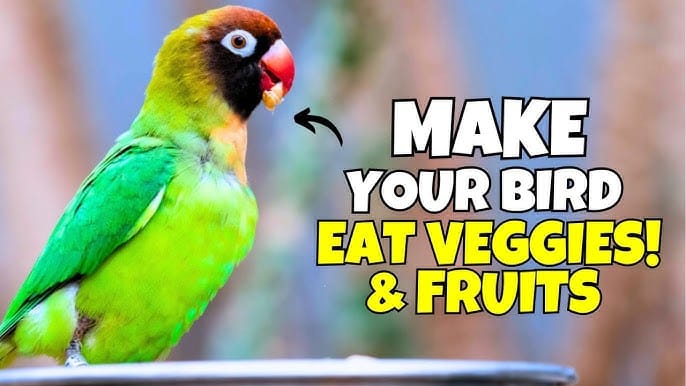
If you want your bird to enjoy fresh, healthy fruits but aren’t sure how to get started, you’re in the right place. Getting your feathered friend to eat fruits can feel tricky, but it’s easier than you think.
Imagine your bird happily nibbling on juicy, colorful fruits that boost its health and happiness. You’ll discover simple, effective tips to make fruits a regular and exciting part of your bird’s diet. Keep reading, and watch your bird’s love for fruits grow!
Benefits Of Fruits For Birds
Fruits are a healthy treat for birds. They add variety to the bird’s diet.
Fruits provide many nutrients that help birds stay strong and active.
Nutritional Value
Fruits are full of vitamins and minerals. These nutrients support a bird’s growth and health.
Birds get energy from natural sugars found in fruits. This energy helps them fly and play.
- Vitamin C boosts the immune system
- Vitamin A helps eye health
- Potassium supports muscle function
- Natural sugars provide quick energy
Improved Digestion
Fruits contain fiber that helps birds digest food well. Good digestion keeps birds healthy.
Fiber helps move food through the digestive system. This prevents constipation and other problems.
- Fiber promotes regular bowel movements
- Supports healthy gut bacteria
- Reduces risk of digestive issues
Enhanced Feather Health
Fruits provide nutrients that keep feathers shiny and strong. Healthy feathers help birds stay warm.
Vitamins in fruits improve feather growth and repair. This helps birds look bright and colorful.
- Vitamin A supports feather growth
- Antioxidants protect feathers from damage
- Minerals keep feathers strong and flexible

Credit: www.reddit.com
Safe Fruits For Birds
Birds enjoy fruits as a tasty treat. Fruits give them vitamins and energy.
Knowing which fruits are safe helps keep your bird healthy and happy.
Common Bird-friendly Fruits
Many fruits are safe and liked by birds. These fruits are easy to find and feed.
- Apples (remove seeds)
- Bananas
- Blueberries
- Grapes
- Melons
- Pear
- Strawberries
- Peaches (no pits)
Fruits To Avoid
Some fruits are harmful to birds. Avoid giving them to your pet bird.
| Fruit | Reason to Avoid |
| Avocado | Toxic to birds |
| Cherry Pits | Contains cyanide |
| Rhubarb | Contains toxins |
| Fruit Seeds and Pits | Can block digestion or be toxic |
Seasonal Fruit Choices
Choose fruits that grow in each season. Fresh fruits give the best nutrition.
- Spring: Strawberries, cherries (without pits)
- Summer: Watermelon, blueberries, peaches
- Fall: Apples, pears, grapes
- Winter: Oranges, bananas (imported)
Introducing Fruits Gradually
Giving fruits to your bird is a healthy choice. Birds may not eat fruits right away. It is best to introduce fruits slowly.
Introducing fruits gently helps your bird get used to new tastes and textures. This way, they will enjoy fruits more.
Start With Small Portions
Begin by offering tiny pieces of fruit. Small portions make it easy for your bird to try new foods. It also reduces waste if they do not eat it.
Cut fruits into bite-sized pieces. Offer just a few pieces at a time. This helps your bird feel comfortable with the new food.
Mixing Fruits With Regular Food
Mix fruits with the bird’s normal food. This makes the fruit taste familiar. Birds may accept fruits better this way.
Try mixing small fruit pieces into seeds or pellets. Watch if your bird eats the mix. Adjust the amount based on their reaction.
Observing Bird’s Preferences
Watch closely which fruits your bird likes. Birds have different tastes. Some may prefer sweet fruits, others may like crunchy ones.
- Note which fruits your bird eats first
- Try different fruits one at a time
- Remove fruits your bird ignores
Creative Serving Ideas
Getting your bird to eat fruits can be fun and easy with creative serving ideas. Birds enjoy variety and new experiences.
Changing how you serve fruits can make them more exciting and tasty for your feathered friend.
Cutting Shapes And Sizes
Cut fruits into small, bite-sized pieces perfect for your bird’s beak. Using fun shapes adds interest.
Try stars, hearts, or simple cubes to keep your bird curious and engaged during snack time.
- Small cubes are easy for birds to hold
- Thin slices help with softer fruits
- Shapes like stars or hearts add fun
- Mix sizes to match your bird’s preference
Fruit Skewers And Kabobs
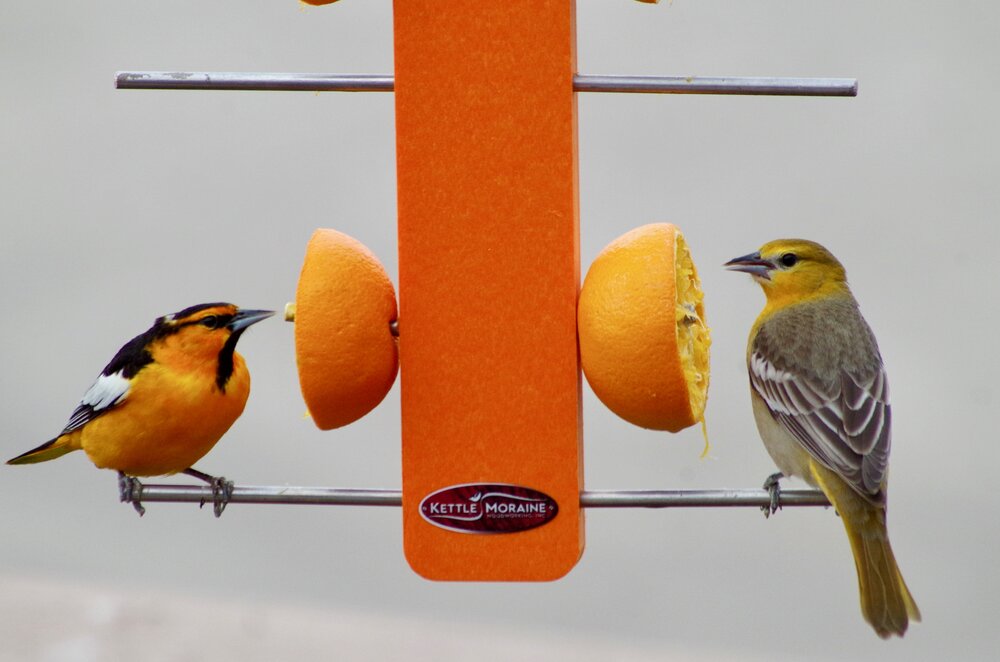
Thread fruit pieces onto bird-safe skewers for a colorful and interactive treat. Birds can pick each piece.
Use a mix of fruits like berries, melon, and apple chunks for a tasty and nutritious kabob.
- Use bamboo or untreated wood skewers
- Alternate different fruit types and colors
- Keep pieces small to avoid choking
- Remove any uneaten fruits after a few hours
Frozen Fruit Treats
Freeze small fruit pieces for a cool and refreshing snack. Birds enjoy the different texture and taste.
Frozen fruit treats can help birds stay hydrated and entertained, especially on warm days.
- Cut fruits into small chunks before freezing
- Try freezing berries, grapes, or melon pieces
- Serve frozen fruits in a shallow dish
- Watch your bird to avoid over-chilling
Encouraging Fruit Eating Habits
Getting your bird to eat fruits can improve its health and happiness. Birds enjoy fresh foods that add vitamins and minerals to their diet.
To help your bird enjoy fruits, you need patience and good habits. Small changes can make a big difference.
Setting Consistent Feeding Times
Feed your bird fruits at the same times every day. Consistency helps your bird know when to expect treats.
Regular feeding times make fruits part of your bird’s routine. This helps your bird accept new foods more easily.
Using Positive Reinforcement
Praise your bird when it tries fruit. Use gentle words or soft pets to show you are happy.
Rewards help your bird learn that eating fruit is good. This encourages them to eat fruits again.
- Offer a small treat after fruit tasting
- Use calm voice and gentle touch
- Stay patient and keep praise positive
Involving Play And Interaction
Make fruit time fun by playing with your bird. Use toys or games to keep its interest during feeding.
Interactive feeding helps your bird feel safe and happy. This makes it more willing to try new fruits.
- Offer fruit pieces during playtime
- Use puzzle feeders with fruit inside
- Let your bird explore fruit with its beak
Credit: www.coffeeandchlorophyll.com
Common Challenges And Solutions
Getting your bird to eat fruits can be tricky. Birds may reject new foods or eat too much. Fruit can also spoil quickly if not handled well.
This guide helps you understand common problems and offers easy fixes. You will learn how to feed fruits safely and happily.
Dealing With Picky Eaters
Some birds do not like fruits at first. They may refuse to try or eat only a little. Patience and small changes help them adjust.
- Offer small fruit pieces alongside their favorite food.
- Try different fruits to find what they like.
- Mix fruit with seeds or nuts to make it more appealing.
- Be consistent and offer fruit daily without pressure.
- Use bright, fresh fruit to catch their attention.
Handling Fruit Spoilage
Fruits can spoil fast, which can harm your bird. Keep fruits fresh by storing and serving them properly.
| Fruit Type | Storage Tip | Max Time Served |
| Apple | Refrigerate sliced pieces | 2 hours |
| Banana | Serve fresh, avoid browning | 1 hour |
| Berries | Keep in cool place, wash before serving | 2 hours |
| Melon | Refrigerate cut pieces | 2 hours |
Avoiding Overfeeding
Too much fruit can cause health problems. Balance fruit with other foods and watch your bird’s weight.
Follow these tips to avoid overfeeding:
- Limit fruit to 10-15% of daily diet.
- Remove uneaten fruit after a few hours.
- Observe your bird’s behavior and droppings.
- Consult a vet if you see signs of illness.
Monitoring Bird Health
Watching your bird’s health is important when feeding fruits. Fruits can add good vitamins and minerals to their diet.
Careful observation helps catch any problems early. This keeps your bird happy and safe.
Recognizing Allergic Reactions
Birds may have allergies to some fruits. Signs include swelling, itching, or trouble breathing.
Watch for unusual behavior like sneezing or eye discharge after eating new fruits.
- Swelling around the face or beak
- Red or itchy skin
- Difficulty breathing or wheezing
- Sneezing or nasal discharge
- Loss of appetite or lethargy
Tracking Dietary Changes
Keep a food diary to track what fruits your bird eats. Note any changes in behavior or health.
This helps find patterns and identify foods that may cause issues.
- Record the type of fruit given
- Note the amount and time of feeding
- Observe your bird’s reaction after eating
- Mark any signs of discomfort or illness
When To Consult A Vet
See a vet if your bird shows signs of illness after eating fruits. Quick action can prevent serious problems.
Contact the vet if you notice breathing problems, swelling, or constant vomiting.
- Difficulty breathing or wheezing
- Swelling of the face or throat
- Repeated vomiting or diarrhea
- Sudden loss of appetite or energy
- Any unusual or severe behavior changes
Credit: kimvet.co.za
Frequently Asked Questions
How Can I Introduce Fruits To My Bird Gradually?
Start by offering small fruit pieces alongside regular food. Observe your bird’s reaction and increase quantity slowly. Use familiar fruits first. This helps your bird accept new tastes and textures without stress, making the transition smooth and enjoyable for your pet.
What Fruits Are Safe And Healthy For Birds?
Safe fruits include apples, bananas, berries, melons, and grapes. Avoid avocado, cherries, and fruit seeds, which are toxic. Always wash fruits thoroughly and remove seeds before serving. Offering a variety of fruits ensures balanced nutrition and keeps your bird interested.
How Often Should I Feed Fruits To My Bird?
Feed fruits as treats 2-3 times weekly. Too much fruit can cause digestive issues or imbalance diet. Fresh fruits provide vitamins and hydration, but should complement a balanced diet. Monitor your bird’s health and adjust fruit servings accordingly.
How Do I Make Fruits Appealing To Picky Birds?
Cut fruits into small, colorful pieces. Mix fruits with favorite foods or use as rewards during training. Present fruits in different textures or shapes to stimulate curiosity. Patience and creativity encourage birds to try and enjoy fruits.
Conclusion
Your bird can enjoy fruits with some patience and practice. Start slowly and introduce a variety of fruits. Observing your bird’s preferences helps. Celebrate small wins. Consistency matters. Stay positive and patient. Over time, your bird’s diet will improve. Healthy eating leads to a happy bird.
Remember to always monitor for any allergies. Safe fruit choices ensure your bird’s well-being. Enjoy the bonding time as you explore new fruits together. A balanced diet keeps your feathered friend active and joyful. Your efforts will pay off. Keep nurturing your bird’s love for fruits.
Success is within reach!



