
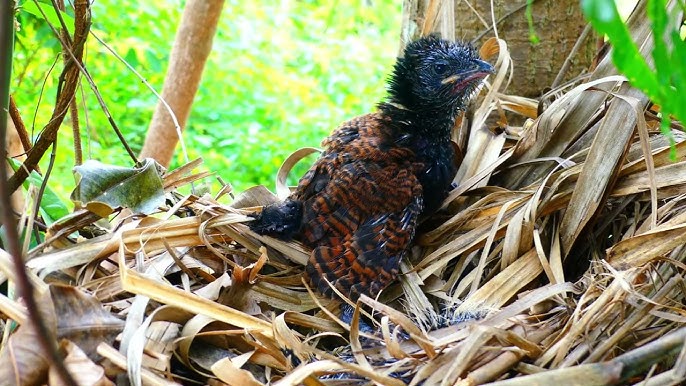
Finding a baby bird that needs help can be both exciting and overwhelming. You want to make sure you do the right thing, especially when it comes to something as important as hydration.
But how do you safely give water to a tiny, fragile bird without causing harm? If you’ve ever wondered how to hydrate a baby bird the right way, you’re in the right place. Keep reading, because the simple steps you take now could make all the difference for that little life depending on you.

Credit: www.youtube.com
Signs Of Dehydration In Baby Birds
Baby birds can get dehydrated quickly without water. It is important to spot signs early. Knowing the symptoms helps you take action fast.
Dehydration affects their health and growth. Watch closely for changes in their body and behavior.
Physical Symptoms To Watch
Look for these physical signs that show a baby bird needs water:
- Dry, flaky skin or feathers
- Sunken eyes that look dull
- Weak, cold body to touch
- Slow or no movement
- Sticky or dry mouth and beak
- Wrinkled or shrunken skin around the legs
Behavioral Changes
Dehydrated baby birds also act differently. Watch for these behavior changes:
| Behavior | Description |
| Less active | The baby bird moves less or stays still for long periods. |
| Weak feeding response | It refuses food or has a weak pecking reflex. |
| Excessive sleeping | The bird sleeps more than usual and looks tired. |
| Quietness | Less chirping or calling than normal. |
| Fluffed feathers | Feathers stick out to keep warm because the bird feels weak. |
Safe Hydration Methods
Baby birds need careful hydration to stay healthy. Giving water the right way can help them grow strong.
Using safe tools and fluids is important. This guide explains two good methods to hydrate baby birds safely.
Using A Syringe Or Dropper
A syringe or dropper helps give water slowly to a baby bird. This avoids choking or getting water in the lungs.
- Fill the syringe or dropper with fresh, clean water.
- Hold the baby bird gently but firmly.
- Place the tip near the side of the bird’s beak.
- Squeeze slowly to give a few drops at a time.
- Watch the bird swallow before giving more water.
- Stop if the bird shows stress or discomfort.
Creating Electrolyte Solutions
Electrolyte solutions help replace lost minerals and fluids. You can make a simple safe mix at home.
| Ingredient | Amount |
| Clean water | 1 cup (240 ml) |
| Table salt | 1/4 teaspoon |
| Sugar | 1 tablespoon |
Mix the ingredients well until the salt and sugar dissolve. Use this solution with a syringe or dropper.
- Only give small amounts at a time.
- Do not use homemade electrolyte if the bird has kidney issues.
- Always prepare fresh solution daily.
Preparing Fluids For Baby Birds
Giving the right fluids to baby birds is very important. It helps keep them healthy and strong.
Knowing how to prepare these fluids can save a baby bird’s life. Read on to learn the best tips.
Suitable Water Temperature
Baby birds need fluids at the right temperature. Too cold or too hot water can harm them.
- Use lukewarm water, about 100°F (38°C).
- Test the water on your wrist before feeding.
- Water should feel warm, not hot or cold.
- Keep fluids at this temperature each time you feed.
Avoiding Harmful Additives
Baby birds are sensitive to many chemicals and additives in fluids. Avoid these to keep them safe.
| Additive | Why to Avoid |
| Salt | Can cause dehydration and kidney damage |
| Sugar | Upsets digestion and causes weakness |
| Flavorings | May contain harmful chemicals and toxins |
| Caffeine | Increases heart rate and stress in birds |
| Artificial sweeteners | Can be toxic and cause illness |
Feeding Frequency And Amount
Hydrating a baby bird properly is very important. You must give the right amount of fluid at the right times. Too much or too little can harm the bird’s health.
This guide explains how often to hydrate a baby bird and how much fluid is safe to give. Follow these tips to keep the bird healthy and hydrated.
How Often To Hydrate
Baby birds need hydration often because they lose water quickly. You should offer fluids every few hours. Very young birds need hydration more often than older ones.
- Newborn birds: every 1 to 2 hours during daytime
- Older chicks: every 3 to 4 hours
- Do not give fluids at night unless advised by a vet
- Watch for signs of dehydration like dry skin or weak movement
Safe Fluid Quantities
The amount of fluid depends on the size and age of the bird. Giving too much at once can cause choking or illness. Use small amounts often.
| Age of Baby Bird | Fluid Amount per Feeding | Notes |
|---|---|---|
| 1-3 days old | 0.1 to 0.3 ml | Very small amounts, use a syringe or dropper |
| 4-7 days old | 0.3 to 0.5 ml | Feed slowly to avoid choking |
| 8-14 days old | 0.5 to 1.0 ml | Can increase fluid amount gradually |
| Older than 14 days | 1.0 to 2.0 ml | Feed as needed, watch bird’s response |
Handling And Comfort During Hydration
Hydrating a baby bird requires gentle care and steady hands. Proper handling helps keep the bird safe and comfortable.
Keeping the bird calm makes hydration easier and less stressful for both you and the bird.
Proper Holding Techniques
Hold the baby bird carefully to avoid injury. Use a soft cloth or towel to support its body. Keep its head steady but never squeeze.
- Place the bird on your palm with its belly down
- Use your fingers to gently support the neck and head
- Keep the bird close to your body for warmth
- Ensure the bird can breathe easily without pressure
Keeping The Bird Calm
Calm birds accept hydration better. Speak softly and move slowly. Avoid sudden noises or quick movements.
| Tip | Reason |
| Cover the bird with a light cloth | Reduces stress by blocking bright lights |
| Hold the bird in a quiet room | Limits loud sounds that can scare it |
| Use a warm cloth | Provides comfort and mimics body heat |
| Offer hydration slowly | Prevents choking and discomfort |
When To Seek Professional Help
Taking care of a baby bird is delicate work. Knowing when to get expert help can save the bird’s life. Some signs need quick action from professionals.
It is important to spot these signs early. Wildlife rehabilitators have the right tools and knowledge to help injured or weak birds.
Emergency Signs
Watch for these signs that show the baby bird needs urgent care:
- Bird is cold or shivering
- It is weak and cannot stand
- Visible injuries or bleeding
- Unusual breathing or gasping
- Bird is unresponsive or unconscious
- Severe dehydration or sunken eyes
- Parents do not return after a long time
Finding Wildlife Rehabilitators
Look for licensed wildlife rehabilitators to give the baby bird proper care. Use these methods to find help:
- Search online for local wildlife rescue centers
- Contact animal control or local vets
- Ask at nature centers or bird watching groups
- Call state wildlife agencies
- Use social media to find nearby experts
Preventing Dehydration In Baby Birds
Baby birds need water to stay healthy and grow. Dehydration can happen fast and cause serious problems.
Knowing how to hydrate a baby bird helps prevent dehydration and keeps the bird strong.
Creating A Safe Environment
Keep the baby bird warm and comfortable. Cold or wet places cause dehydration quickly.
Use a soft cloth or nest to hold the bird. Avoid drafts and direct sunlight.
- Place the bird in a small box with soft bedding
- Keep the temperature around 85°F (29°C)
- Check the environment often to keep it dry and warm
Monitoring Bird Health
Watch for signs of dehydration like dry skin or sunken eyes. A weak bird may not drink enough.
Check the bird’s weight and energy daily. Healthy birds are active and gain weight slowly.
- Look for dry mouth or sticky tongue
- Notice if the bird is less active than usual
- Weigh the bird to track any weight loss
- Consult a wildlife expert if you see serious signs

Credit: www.articleted.com

Credit: www.youtube.com
Frequently Asked Questions
How Do I Safely Hydrate A Baby Bird?
Use a small dropper or syringe to give water slowly. Avoid force-feeding to prevent choking. Offer water in tiny amounts every few hours to keep the bird hydrated without causing stress.
What Type Of Water Is Best For Baby Birds?
Use clean, room-temperature, distilled or filtered water. Avoid tap water with chemicals or additives. This ensures the baby bird stays healthy and reduces the risk of illness from contaminated water.
How Often Should I Give Water To A Baby Bird?
Offer water every two to three hours during daylight. Young birds need frequent hydration due to their small size. Monitor the bird’s condition and adjust frequency if signs of dehydration appear.
Can I Use Electrolyte Solutions For Baby Birds?
Yes, diluted electrolyte solutions can help rehydrate weak birds. Use bird-safe products and follow dosage instructions carefully. Electrolytes restore essential minerals lost during dehydration.
Conclusion
Helping a baby bird stay hydrated is vital for its survival. Ensure clean water is always available. Use a dropper for gentle feeding. Check the bird’s condition regularly. A healthy bird is alert and active. Contact a vet if you notice any issues.
Always handle the bird with care. Your gentle touch can make a big difference. Remember, patience is key. With these steps, you support the bird’s growth. Keep learning and stay attentive. Your efforts can truly help these tiny creatures thrive.
Enjoy the rewarding experience of nurturing a baby bird.



