Are you tired of seeing birds feast on your hard-earned fruit before you get the chance? Protecting your harvest doesn’t have to be a frustrating battle.
Installing bird netting is a simple and effective way to keep those pesky birds away while letting your fruit grow safely. In this guide, you’ll discover easy steps to install bird netting yourself, saving your crop and giving you peace of mind.
Keep reading to learn how you can protect your fruit and enjoy a bountiful harvest without the worry.

Credit: ourstoneyacres.com
Choosing The Right Bird Netting
Bird netting helps protect your fruit from birds and other animals. Picking the right netting is key to keep your plants safe. This guide covers the types, material, and size to help you choose.
Good bird netting lets air and light through but blocks birds from reaching your fruit. Knowing what fits your garden will save time and money.
Types Of Bird Netting
There are many kinds of bird netting to choose from. Each type has its own use and benefits. Pick one that matches your fruit plants and garden size.
- Knotted Netting:Durable and strong, good for large areas.
- Knotless Netting:Lightweight and less likely to tangle.
- Plastic Netting:Affordable but may wear out faster.
- Polyethylene Netting:UV resistant and lasts longer outdoors.
Material And Durability
Material affects how long your netting will last. Look for UV protection to keep netting from breaking down in sun. Stronger materials resist tears and damage.
| Material | Durability | Best Use |
| Polyethylene | High | All weather, long-term use |
| Polypropylene | Medium | Short to medium use, budget-friendly |
| Plastic | Low | Temporary protection |
Sizing For Your Fruit Plants
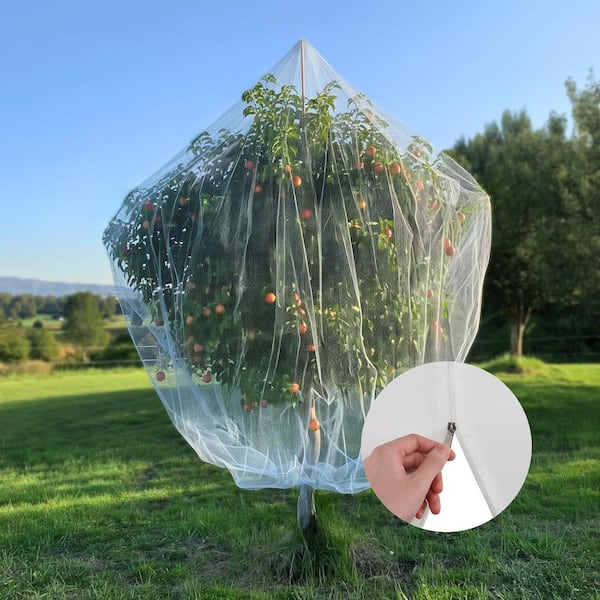
Measure your plants before buying netting. The net should cover the entire area with extra for securing. Too small netting leaves gaps for birds.
- Measure the height, width, and length of your fruit plants.
- Add at least 1 to 2 feet extra on each side.
- Consider the shape of your plants for better coverage.
- Choose netting size that fits your garden layout.
Credit: www.homedepot.com
Preparing Your Fruit Plants
Protecting your fruit plants starts with good preparation. Proper care helps the plants grow strong.
This guide covers pruning, cleaning, and setting up supports before installing bird netting.
Pruning And Cleaning
Remove dead or weak branches to let sunlight reach all parts of the plant. This improves fruit quality.
- Cut off damaged or broken branches
- Thin out crowded areas for better air flow
- Clear fallen leaves and debris around the base
- Dispose of plant waste to prevent pests
Supporting Structures
Strong supports help keep plants upright under the bird netting. This reduces damage from wind and animals.
| Support Type | Description | Best For |
|---|---|---|
| Wooden Stakes | Simple and sturdy posts placed near plants | Small to medium-sized fruit bushes |
| Metal Frames | Durable frames that hold netting tightly | Larger fruit trees and vines |
| Trellises | Grid-like structures for climbing plants | Grapes and other vine fruits |
Gathering Tools And Supplies
Before installing bird netting, you need the right tools and supplies. This makes the work easier and faster.
Good preparation helps protect your fruit trees effectively from birds and pests.
Essential Tools
These tools help you handle and secure the bird netting properly. They make the installation safe and neat.
- Measuring tape to measure tree size and netting length
- Scissors or garden shears to cut the netting
- Staple gun or zip ties to fasten the netting
- Ladder to reach high branches safely
- Gloves to protect your hands from scratches
Additional Materials
These materials support the netting and keep it in place around the fruit trees.
- Bird netting made of durable, UV-resistant material
- Poles or stakes to hold the netting above the tree
- Twine or rope to tie the netting securely
- Weights or ground pins to anchor the netting at the base
Measuring And Cutting Netting
Protecting your fruit with bird netting starts with precise measuring and cutting. This ensures a proper fit and effective coverage.
Careful preparation helps avoid waste and keeps your fruit safe from birds and pests.
Accurate Measurements
Measure the area you want to cover with the netting carefully. Include the height, width, and any extra length to secure the edges.
- Use a tape measure for exact dimensions.
- Add at least 12 inches to length and width for securing the net.
- Measure around the tree or bush if covering irregular shapes.
- Write down your measurements before cutting.
Safe Cutting Techniques
Cutting bird netting requires sharp tools and caution. Follow safety steps to avoid accidents and clean edges.
| Tool | Use | Safety Tip |
| Sharp scissors | Cut netting smoothly | Cut away from your body |
| Utility knife | For thick or tough netting | Use a cutting board under the net |
| Gloves | Protect hands | Wear sturdy gloves |
Securing The Netting
Securing bird netting properly helps protect fruit from birds and pests. It keeps the netting in place during wind and rain. Properly fastened netting also prevents gaps where birds can enter.
Use simple tools and materials to hold the netting tight. This guide explains how to wrap, fasten, and avoid gaps in your netting.
Wrapping Around Plants
Start by draping the netting over the plants. Make sure the netting covers all sides and the top. Wrap the netting gently to avoid breaking branches or leaves.
Wrap the netting down to the base of the plant or to the ground. This helps keep birds from slipping inside. Leave enough slack to allow plant growth but keep it tight enough to hold.
Fastening Techniques
Use clips, ties, or weights to fasten the netting securely. Secure the edges to stakes or nearby structures. Avoid using sharp tools that can damage the netting.
- Plastic clips hold netting without damage
- Twist ties work well for small branches
- Heavy rocks or bricks can weigh down edges
- Staples or nails fix netting to wooden frames
Check the fasteners regularly and adjust them if needed. This keeps the netting tight and effective over time.
Avoiding Gaps
Gaps let birds get inside and damage fruit. Make sure the netting overlaps at corners and edges. Push netting close to the ground or plant base.
- Overlap netting edges by several inches
- Secure netting firmly at all contact points
- Check for holes or tears regularly
- Repair any damage immediately with patch netting
Keeping the netting tight and gap-free is key to protecting your fruit from birds.
Maintaining Bird Netting
Bird netting helps protect fruit from birds. Keeping the netting in good shape ensures it works well.
Regular care makes the netting last longer and keeps your fruit safe all season.
Regular Inspections
Check your bird netting often for holes or loose spots. Look closely after storms or strong winds.
Spotting problems early helps stop birds from getting through and damaging your fruit.
- Walk around the netting once a week
- Look for tears, holes, or sagging areas
- Check ties and fasteners for tightness
- Inspect after bad weather
Repairing Damages
Fix small holes quickly with repair tape or patches made for netting. This keeps birds out.
Replace any broken ties or sections. Secure loose edges to prevent gaps where birds can enter.
- Use plastic zip ties or clips for fastening
- Patch holes with bird netting material or tape
- Replace torn netting parts if needed
- Keep repairs strong and tight
Seasonal Removal And Storage
Take down the netting when the fruit season ends. This prevents damage from weather and animals.
Store netting in a dry, cool place. Keep it clean and folded to avoid tangles and tears.
- Remove netting carefully to avoid rips
- Clean off dirt and debris before storage
- Fold neatly or roll to save space
- Store in a sealed bag or container
Tips For Effective Bird Protection
Bird netting helps keep birds away from your fruit plants. It stops them from eating and damaging the fruit.
To get the best results, use the right techniques when installing bird netting. This protects your fruit well.
Combining With Other Methods
Using bird netting with other ways can improve bird protection. It makes your garden less attractive to birds.
Try adding shiny objects or sound devices near the netting. These scare birds away and keep them alert.
- Hang reflective tape or old CDs near the plants
- Use wind chimes or noise makers around the area
- Place decoy predators like fake owls or hawks
- Remove fallen fruit that attracts birds
Encouraging Natural Predators
Natural predators help control bird populations in your garden. Attracting them can reduce bird damage.
Provide homes and food for predators like owls and hawks. They hunt birds that harm your fruit.
- Install owl boxes on trees or poles
- Plant native trees and shrubs for shelter
- Avoid using harmful pesticides that kill predators
- Keep the area clean to support healthy wildlife

Credit: www.amazon.ca
Frequently Asked Questions
What Materials Do I Need For Bird Netting Installation?
You need bird netting, stakes or poles, zip ties or clips, and scissors. Choose durable, UV-resistant netting for long-lasting protection. Poles help secure the netting over fruit trees or bushes effectively.
How Do I Secure Bird Netting Around Fruit Trees?
Drape the netting evenly over trees, ensuring full coverage. Secure edges with stakes or bury them in soil to prevent birds from entering. Use clips or zip ties to fasten the netting tightly to poles or branches.
When Is The Best Time To Install Bird Netting?
Install bird netting just before fruit ripening begins. Early installation prevents birds from accessing fruit early. Remove netting after harvest to avoid damaging plants and allow sunlight and rain to reach trees.
Can Bird Netting Harm My Fruit Trees Or Birds?
Properly installed bird netting poses minimal risk. Avoid loose netting to prevent bird entanglement. Regularly inspect the netting for damage and ensure it does not trap wildlife or restrict tree growth.
Conclusion
Bird netting is a simple solution to protect your fruit. It keeps birds away, ensuring a healthy harvest. Installation is straightforward. Follow the steps, and you’ll succeed. Measure your area correctly. Choose quality netting for durability. Secure it firmly to prevent bird entry.
Regularly check for damage or gaps. Fix issues promptly to maintain effectiveness. With bird netting, enjoy ripe, pest-free fruit. Your garden will flourish. This method is cost-effective and efficient. Happy gardening!