
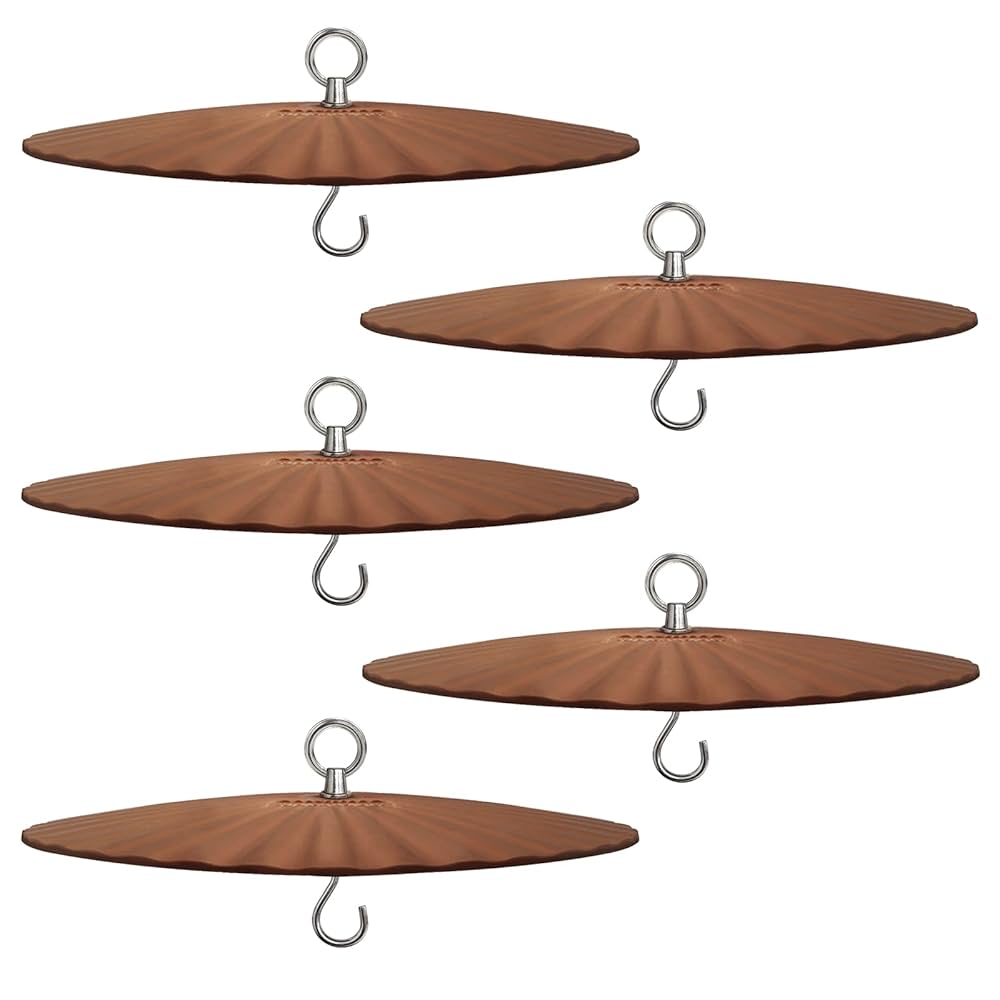
Keeping your bird seed dry is more important than you might think. When seed gets wet, it can spoil quickly, attracting mold and pests that could harm your feathered friends.
You want to make sure your birds enjoy fresh, tasty food every time you fill the feeder. You’ll discover simple, practical ways to protect your bird seed from moisture—so you never have to worry about wasted seed or unhealthy birds again.
Keep reading to learn easy steps that will save you time, money, and help keep your garden visitors happy and healthy.
Choose The Right Storage Container
Keeping bird seed dry is important to stop mold and bugs. Picking a good container helps protect the seed from moisture.
Use containers that close tightly and keep air out. This will keep your bird seed fresh for a long time.
Airtight Plastic Bins
Airtight plastic bins are lightweight and easy to handle. They stop air and water from getting inside.
Look for bins with strong seals and secure lids. Clear bins let you see the seed level without opening.
- Choose thick plastic to avoid cracks
- Check that lids snap on tightly
- Store bins in a cool, dry place
Metal Containers
Metal containers are very good at keeping moisture out. They are strong and can last a long time outdoors.
Make sure the metal does not rust and the lid fits tightly. Some metal containers have rubber seals for extra protection.
- Pick rust-proof metal like stainless steel
- Use containers with secure locking lids
- Avoid dents that can break the seal
Glass Jars With Seals
Glass jars with rubber seals keep bird seed dry by blocking air and moisture. They are good for small amounts of seed.
Glass does not absorb smells or stains. Always check that the seal is clean and not cracked before using.
- Choose jars with airtight rubber gaskets
- Store jars away from direct sunlight
- Handle glass jars carefully to avoid breakage
Credit: tallahassee.wbu.com
Store In A Cool, Dry Place
Keeping bird seed dry is important to prevent mold and spoilage. A cool, dry place helps keep seed fresh longer.
Proper storage protects the seed from moisture and heat, which can cause damage and waste.
Avoid Humid Areas
Humidity causes bird seed to absorb moisture. This can make the seed clump and grow mold.
- Do not store seed near bathrooms or kitchens
- Avoid basements that are damp or poorly ventilated
- Keep seed containers off the floor to reduce moisture contact
- Use airtight containers to block humidity
Keep Away From Direct Sunlight
Direct sunlight raises the temperature inside seed containers. Heat can spoil the seed quickly.
| Effect | Reason |
| Seed heats up | Sunlight increases temperature |
| Seed loses nutrients | Heat breaks down vitamins |
| Seed spoils faster | Warmth speeds decay and mold |
Use Moisture Absorbers
Keeping bird seed dry is important to stop mold and spoilage. Moisture absorbers help keep the seed fresh and safe for birds.
Using common items like silica gel packs, charcoal briquettes, and dry rice packets can reduce moisture inside seed containers.
Silica Gel Packs
Silica gel packs absorb moisture quickly and keep the seed dry. You can reuse them by drying in the sun after use.
- Place several packs inside your bird seed container.
- Check packs regularly and dry them if they feel damp.
- Keep packs away from birds to avoid accidental swallowing.
Charcoal Briquettes
Charcoal briquettes absorb moisture and odors. Use plain briquettes without additives or lighter fluid.
| Charcoal Type | Use Tips |
|---|---|
| Natural Briquettes | Place wrapped in cloth inside seed container |
| Avoid Treated Briquettes | These can harm birds if ingested |
| Replace Monthly | To maintain moisture absorption |
Dry Rice Packets
Dry rice can absorb moisture and is easy to find. Use uncooked rice in cloth bags or breathable containers.
- Fill small cloth bags with dry rice.
- Place bags around the seed but not inside the seed itself.
- Replace rice every few weeks to keep it effective.
Credit: www.kingsyard.com
Regularly Check Seed Condition
Keeping bird seed dry is important to keep birds healthy. Wet seed can spoil quickly and harm birds.
Check your bird seed often to catch problems early. This helps you keep the seed fresh and safe.
Look For Mold Or Clumps
Mold can grow on bird seed if it gets wet. Clumps may mean moisture is inside the bag or feeder.
- Remove any seed that looks moldy or smells bad.
- Break up clumps to check for dampness inside.
- Store seed in a dry, sealed container to stop moisture.
- Clean feeders regularly to prevent mold buildup.
Smell For Freshness
Fresh bird seed has a neutral or mild smell. A sour or musty odor means the seed is spoiled.
| Smell | Meaning |
| Neutral or mild | Seed is fresh and safe |
| Sour or musty | Seed may be spoiled or damp |
Keep Seed Away From Pests
Bird seed can attract unwanted pests like rodents and insects. Keeping the seed dry and safe helps protect it from damage.
Storing bird seed properly also stops pests from eating or contaminating it. This keeps the seed fresh and useful for longer.
Secure Storage Lids
Use containers with tight-fitting lids to keep pests out. A strong lid stops mice, squirrels, and bugs from getting inside.
Choose containers made of plastic or metal for better protection. Make sure lids snap or screw on tightly without gaps.
- Plastic bins with locking lids work well
- Metal containers resist chewing and gnawing
- Clear containers help you check seed levels easily
- Keep lids clean and dry to prevent mold growth
Use Pest Deterrents
Place natural pest deterrents near seed storage to keep animals away. These can stop pests without using harmful chemicals.
Common deterrents include peppermint oil, garlic, and cayenne pepper. These scents and tastes repel many rodents and insects.
- Spray peppermint oil around storage areas
- Place garlic cloves near seed containers
- Mix a small amount of cayenne pepper with seed spills
- Keep storage spaces clean and free of food scraps

Credit: www.livingwithbirds.com
Buy In Small Quantities
Keeping bird seed dry is important to keep it fresh. Buying in small amounts helps prevent seed from getting wet or moldy.
Smaller purchases mean you use the seed faster. This reduces the chance of damage from moisture or pests.
Prevent Long-term Storage Issues
Storing large bags of bird seed can lead to moisture buildup. This causes mold and spoilage.
Buying small amounts reduces the time seed stays stored. This lowers the risk of moisture damage.
- Keep seed in airtight containers
- Store containers in a cool, dry place
- Check seed regularly for signs of mold or pests
Maintain Freshness
Fresh bird seed attracts more birds and lasts longer. Small quantities stay fresher because they get used quickly.
Buying less seed at a time helps keep the seed dry and tasty for birds.
- Buy only what you can use in a few weeks
- Seal bags tightly after opening
- Store seed off the ground to avoid moisture
Frequently Asked Questions
How Can I Store Bird Seed To Keep It Dry?
Store bird seed in airtight containers made of plastic or metal. Keep containers in a cool, dry place away from moisture. Avoid storing seed in paper bags or open containers to prevent dampness and mold growth.
What Materials Protect Bird Seed From Moisture Best?
Use plastic, metal, or heavy-duty glass containers with tight seals. These materials prevent air and water from entering. Avoid porous materials like cardboard, which absorb moisture and ruin the seed.
How Does Location Affect Bird Seed Dryness?
Store bird seed indoors or in a sheltered area to avoid rain and humidity. Avoid damp basements or garages. A dry, well-ventilated spot helps maintain seed quality and prevents mold.
Can Moisture-proof Bags Keep Bird Seed Dry?
Yes, moisture-proof or vacuum-sealed bags are excellent for short-term seed storage. They block air and water effectively. However, for long-term storage, use airtight containers to ensure maximum dryness.
Conclusion
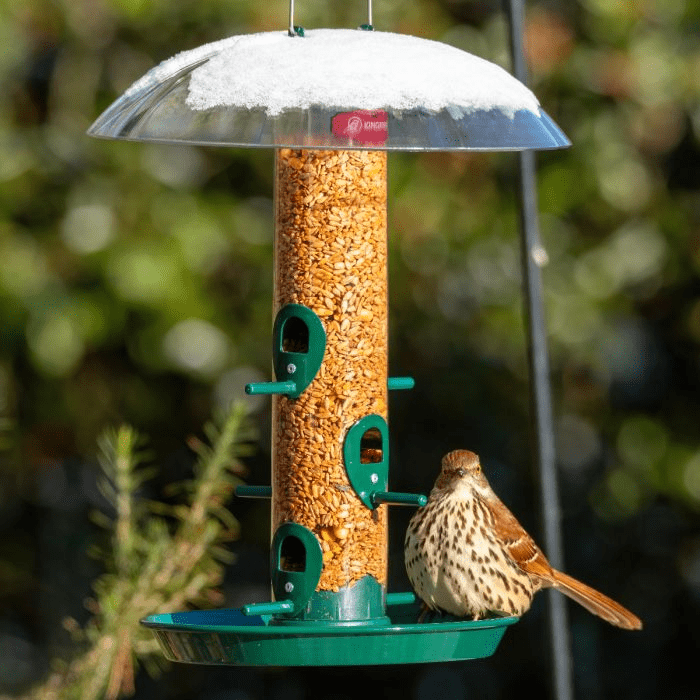
Keeping bird seed dry helps protect it from mold and spoilage. Store seed in airtight containers to block moisture. Use a cool, dry place away from rain or humidity. Cover outdoor feeders during bad weather to keep seed fresh. Regularly check seed for signs of dampness or clumping.
Dry seed attracts more birds and keeps them healthy. Small steps make a big difference in seed quality. Happy birds, happy garden. Simple care keeps seed dry and birds visiting longer.



