Are you tired of buying bird seed only to find it stale or moldy before your feathered friends get a chance to enjoy it? Keeping your bird seed fresh is easier than you think, and it can save you money while attracting more birds to your yard.
You’ll discover simple, practical tips that anyone can use to preserve the quality of bird seed. By the end, you’ll know exactly how to store your seed so it stays tasty and safe for the birds you love to watch.
Ready to keep your bird seed fresh and inviting? Let’s dive in!

Credit: www.allaboutbirds.org
Choosing Quality Bird Seed
Choosing good bird seed helps keep it fresh longer. Fresh seed attracts more birds to your feeder.
Look for seed that is clean and free from dust. Quality seed has better nutrition for birds.
Types Of Bird Seed
Different birds like different seeds. Knowing seed types helps you pick the best one.
- Black oil sunflower seeds are popular and full of oil.
- Millet is small and loved by finches and sparrows.
- Nyjer seed is tiny and attracts finches like goldfinches.
- Safflower seeds have a tough shell and deter squirrels.
- Cracked corn is good for larger birds like doves.
Signs Of Freshness
Fresh seed looks clean and smells natural. Old seed may have dust or a bad smell.
Check for these signs to ensure freshness:
- Seeds should be firm and not shriveled.
- There should be no mold or discoloration.
- The seed bag should be dry without moisture.
- Fresh seed has a mild, natural smell without sourness.
- Seed should be free of debris like husks or dirt.
Proper Storage Containers
Keeping bird seed fresh is important to feed birds healthy food. Proper storage containers help prevent moisture and pests.
Choosing the right container keeps bird seed dry and safe for a long time. This guide explains good materials and sealing techniques.
Material Options
Containers made from certain materials keep bird seed fresh better than others. They stop moisture, pests, and air from spoiling the seed.
- Plastic Containers:Use thick, food-grade plastic with tight lids. They are lightweight and easy to clean.
- Metal Containers:Metal bins or cans keep out pests well. Choose rust-resistant types for outdoor use.
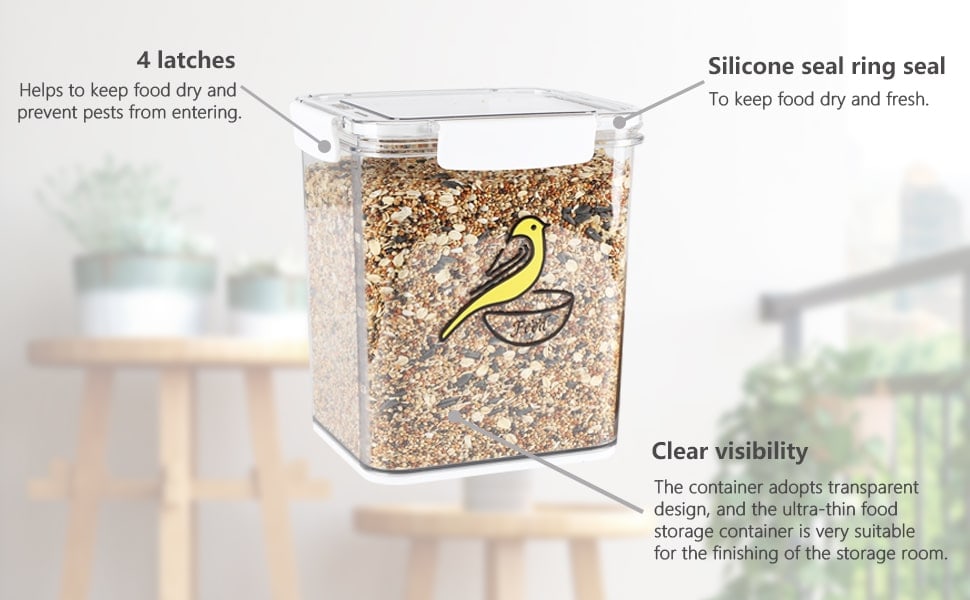
- Glass Jars:Glass is airtight and does not absorb odors. Use jars with rubber seals for best results.
- Heavy-Duty Bins:Large bins made for animal feed are good for big amounts. Ensure they seal tightly.
Sealing Techniques
Sealing bird seed containers keeps air and moisture out. This stops the seed from going stale or moldy.
Use lids that fit snugly and seals that block air. Check containers often to keep seals tight and intact.
- Use containers with rubber or silicone gaskets on lids.
- Add clips or locks to secure lids firmly.
- Store containers in cool, dry places to reduce moisture inside.
- Consider vacuum-sealed bags inside containers for extra freshness.
Ideal Storage Conditions
Keeping bird seed fresh helps birds stay healthy and happy. Proper storage stops seed from going bad or attracting pests.
Follow the right conditions to extend your bird seed’s shelf life. Focus on temperature, humidity, and light exposure.
Temperature Control
Store bird seed in a cool place. Ideal temperatures range between 40°F and 70°F (4°C to 21°C). Avoid areas that get very hot or cold.
Extreme heat can cause oils in the seed to go rancid. Cold temperatures may cause moisture to build up, leading to mold.
Humidity Management
Keep bird seed dry to prevent mold and clumping. Aim for less than 50% humidity in the storage area.
- Use airtight containers to block moisture
- Store seed off the ground
- Place moisture absorbers near seed storage
- Check seed regularly for dampness or mold
Avoiding Light Exposure
Keep bird seed away from direct sunlight. Light can degrade seed quality and reduce nutrients.
| Light Exposure | Effect on Bird Seed |
| Direct Sunlight | Causes oils to spoil quickly |
| Bright Indoor Light | Leads to nutrient loss over time |
| Dark Storage | Preserves freshness and nutrients |

Credit: www.amazon.in
Preventing Pest Infestations
Bird seed can attract unwanted pests if not stored properly. Keeping seed fresh helps protect birds and your home.
Preventing pests stops damage to the seed and reduces health risks. Simple steps can keep pests away effectively.
Common Pests
Many pests like to eat or hide in bird seed. These pests can spoil the seed and cause problems.
Some common pests include rodents, ants, and weevils. Each pest has different habits and signs.
- Rodents:Mice and rats look for food and shelter.
- Ants:They invade for sugary or oily seed parts.
- Weevils:Small beetles that lay eggs in seed kernels.
Effective Deterrents
Using the right deterrents can stop pests from reaching your bird seed. Clean and dry storage is important.
Choose pest-proof containers and place feeders away from walls. These actions reduce pest access.
- Use airtight containers made of metal or thick plastic.
- Store seed in a cool, dry place to prevent mold and pests.
- Clean up spilled seed around feeders regularly.
- Place feeders at least three feet from walls or fences.
- Set up natural repellents like peppermint oil or cayenne pepper near storage.
- Use baffles on poles to block rodents from climbing.
Maintaining Seed Freshness Over Time
Bird seed can lose its freshness if it is not stored well. Fresh seed helps birds stay healthy and enjoy their food. Keeping seed fresh means storing it properly and checking it often.
Good habits can keep your bird seed tasty and safe for a long time. Simple steps can stop the seed from going bad or attracting pests.
Regular Inspection
Check your bird seed regularly to keep it fresh. Look for signs like mold, clumps, or bugs. If you find these, it is best to throw the seed away.
Smell the seed too. Fresh seed has a natural scent. If it smells bad or musty, it may be spoiled. Regular checks help stop birds from eating bad seed.
- Look for mold or wet spots
- Check for insects or bugs
- Smell the seed for freshness
- Discard any spoiled seed immediately
Proper Rotation
Use the oldest seed first to keep seed fresh. This is called rotation. It helps prevent seed from sitting too long and going stale.
Store new seed behind the old seed. This way, you use seed in the right order. Proper rotation saves money and keeps birds happy.
- Place new seed behind older seed
- Use older seed before adding more
- Keep seed in airtight containers
- Store seed in a cool, dry place
Credit: dengarden.com
Signs Of Spoiled Bird Seed
Bird seed can spoil over time if not stored properly. It is important to check for signs that the seed is no longer fresh.
Spoiled bird seed can harm birds and attract pests. Knowing what to look for helps keep birds safe and healthy.
Visual Indicators
Look closely at the seed for changes in color or appearance. Fresh seed usually looks clean and bright.
Seeds that are discolored, moldy, or have clumps may be spoiled. You might also see insect damage or small bugs.
- Dark or faded colors
- White or green mold spots
- Sticky or clumped seeds
- Presence of insects or larvae
Smell And Texture Changes
Fresh bird seed has a neutral or mild smell. A sour or musty odor can mean the seed is bad.
Check the texture by touching the seeds. Spoiled seeds may feel damp, sticky, or soft instead of dry and firm.
- Unpleasant sour or moldy smell
- Damp or wet feel
- Seeds sticking together
- Soft or crumbly texture
Frequently Asked Questions
How Do I Store Bird Seed To Keep It Fresh?
Store bird seed in airtight containers in a cool, dry place. Avoid exposure to moisture and sunlight. This prevents mold and spoilage, keeping the seed fresh longer.
Can Refrigeration Help Keep Bird Seed Fresh?
Yes, refrigeration can help, especially in humid climates. Use sealed containers to avoid moisture absorption and odors from other foods. Refrigeration slows down spoilage and insect infestation.
How Long Does Bird Seed Stay Fresh?
Typically, bird seed stays fresh for up to six months if stored properly. Check for signs of mold, insects, or a rancid smell to avoid feeding spoiled seed.
What Containers Are Best For Storing Bird Seed?
Use airtight, opaque containers made of plastic, metal, or glass. These containers protect seed from moisture, pests, and sunlight, extending freshness and preventing contamination.
Conclusion
Keeping bird seed fresh is easy with these simple tips. Store it in a cool, dry place. Use airtight containers to prevent moisture. Check for mold and pests regularly. Buy bird seed in small quantities. This ensures freshness over time.
Fresh seed attracts more birds to your garden. Healthy birds visit more often. Enjoy watching them eat and play. Happy bird feeding means happy birds. Start these habits today for a vibrant backyard. Your feathered friends will thank you. Keep your bird seed fresh and enjoy the beauty it brings.