Are you tired of your bird seed sprouting unwanted plants before the birds even get a chance to enjoy it? Watching those tiny green shoots pop up can be frustrating and wasteful.
You want to feed the birds, not grow a garden! Luckily, there are simple tricks you can use to keep your bird seed fresh and free from germination. You’ll discover easy, effective ways to stop your bird seed from sprouting, so you can keep your feeders full and your feathered friends happy.
Keep reading to learn how to protect your bird seed and get the most out of every bag.
Credit: dengarden.com
Why Bird Seed Germinates
Bird seed can start to sprout if it stays wet and warm. This happens because seeds are alive and ready to grow. Germination is the process where seeds begin to grow into plants.
Understanding why bird seed germinates helps you keep it dry and fresh. This prevents the seeds from spoiling and keeps birds healthy.
Conditions That Trigger Sprouting
Seeds need certain conditions to start sprouting. These include moisture, warmth, and air. If these conditions are met, the seed will break its shell and begin growing.
- Moisture:Water activates enzymes inside the seed.
- Warmth:A warm temperature helps speed up growth.
- Air:Seeds need oxygen for respiration.
- Time:Seeds need enough time under these conditions to sprout.
Common Seeds That Germinate Quickly
Some bird seeds sprout faster than others. Knowing which seeds germinate quickly can help you take extra care with them.
| Seed Type | Approximate Germination Time |
| Millet | 2-3 days |
| Safflower | 3-5 days |
| Sunflower | 2-4 days |
| Canary Seed | 3-7 days |
| Nyjer (Thistle) | 5-7 days |
Choosing The Right Seed
Bird seed can start to sprout if it stays wet or warm. This can waste food and attract pests. Picking the right seed helps stop this problem early.
Some seeds sprout easier than others. Knowing which seeds are less likely to grow can keep your bird feeder clean and fresh longer.
Seeds Less Prone To Sprouting
Sunflower seeds and safflower seeds do not sprout easily. They have hard shells that protect them from germinating quickly. Millet and cracked corn can sprout faster because they lack this protection.
- Black oil sunflower seeds: Hard shell, low sprouting.
- Safflower seeds: Thick shell, slow to germinate.
- Millet: Small and soft, sprout faster.
- Cracked corn: Broken shell, high sprouting risk.
Freshness And Storage Considerations
Fresh seed has less chance to sprout than old seed. Store seeds in a cool, dry place to keep them fresh. Avoid moisture and heat that cause seeds to germinate.
| Storage Tip | Benefit |
| Keep seed in airtight container | Blocks moisture and pests |
| Store seed in a cool, dark area | Slows germination and spoilage |
| Use seed within 6 months | Ensures freshness and less sprouting |
Storage Techniques To Prevent Sprouting
Bird seed can start to sprout if stored incorrectly. Sprouting makes the seed less healthy for birds. Proper storage stops seeds from germinating early.
Keeping bird seed dry and cool helps keep it fresh. Using the right containers and avoiding moisture also stops sprouting.
Cool And Dry Environments
Store bird seed in a place that stays cool all year. Warm places can cause seeds to sprout fast. A dry room stops mold and moisture buildup.
Basements or closets away from heat work well. Avoid places near ovens or heaters. Keep the temperature steady to protect seed quality.
Using Airtight Containers
Airtight containers keep air and moisture out. They stop seeds from getting damp or spoiled. Use plastic, glass, or metal containers with tight lids.
Clear containers let you see the seed inside. Check often to make sure no moisture is trapped. Label containers with the date of storage.
- Choose containers with secure lids
- Store seeds in small batches
- Keep containers off the ground
- Clean containers before refilling
Avoiding Moisture Exposure
Moisture causes seeds to sprout and rot. Avoid storing bird seed in damp places like garages or sheds. Always keep seed bags sealed tightly.
Use moisture absorbers like silica gel packs inside containers. Check seed regularly for any signs of wetness or mold. Dry seeds stay fresh longer and feed birds better.
Credit: dengarden.com
Treatments To Inhibit Germination
Bird seed sometimes starts to grow if it stays moist. This can cause waste and mess. You can use some treatments to stop seeds from germinating.
These treatments help keep the seeds dry and inactive. They are easy to do and keep bird seed fresh longer.
Drying Seeds Thoroughly
Drying seeds well stops them from sprouting. Moisture is the main cause of germination. Make sure the seeds are dry before storing.
You can dry seeds by spreading them out in a warm, dry place. Stir them often to help air flow around.
- Use a clean tray or screen
- Keep seeds away from direct sunlight
- Allow several hours or days to dry
- Check seeds for any damp spots
Freezing Seeds
Freezing bird seed can stop germination by killing sprout cells. This method works well for seeds with high moisture.
Place seeds in a sealed bag before freezing. Keep them in the freezer for a few days to ensure full treatment.
- Use airtight freezer bags
- Freeze seeds for at least 72 hours
- Thaw seeds before use
- Do not refreeze seeds multiple times
Using Natural Preservatives
Natural preservatives can keep seeds dry and prevent sprouting. Some oils and powders work well without harming birds.
Mix a small amount of preservative with the seed. This treatment reduces moisture and stops germination safely.
- Use food-grade diatomaceous earth
- Try natural clove or cinnamon powders
- Mix lightly to avoid seed damage
- Check for bird safety before use
Feeding Practices To Reduce Sprouting
Bird seed can sometimes start to sprout if it stays wet for too long. This can waste food and attract unwanted pests. Changing how you feed birds helps stop seeds from germinating.
Using good feeding habits keeps seeds dry and fresh. You can protect the seed from sprouting by controlling how much and how often you feed birds.
Smaller, Frequent Feedings
Put out smaller amounts of seed more often. This way, the birds eat the seed before it gets wet or starts to sprout. It also keeps the seed fresher for longer.
Feeding small amounts helps reduce waste and stops leftover seed from sitting in the feeder. You can check the seed daily and refill only what is needed.
Cleaning Feeders Regularly
Wash feeders often to remove old seed and mold. Dirty feeders hold moisture, which makes seed sprout faster. Clean feeders keep the seed dry and safe for birds.
Use warm water and mild soap to clean feeders. Rinse well and let them dry completely before adding new seed. A clean feeder helps prevent seed sprouting and bird sickness.
Avoiding Seed Spillage
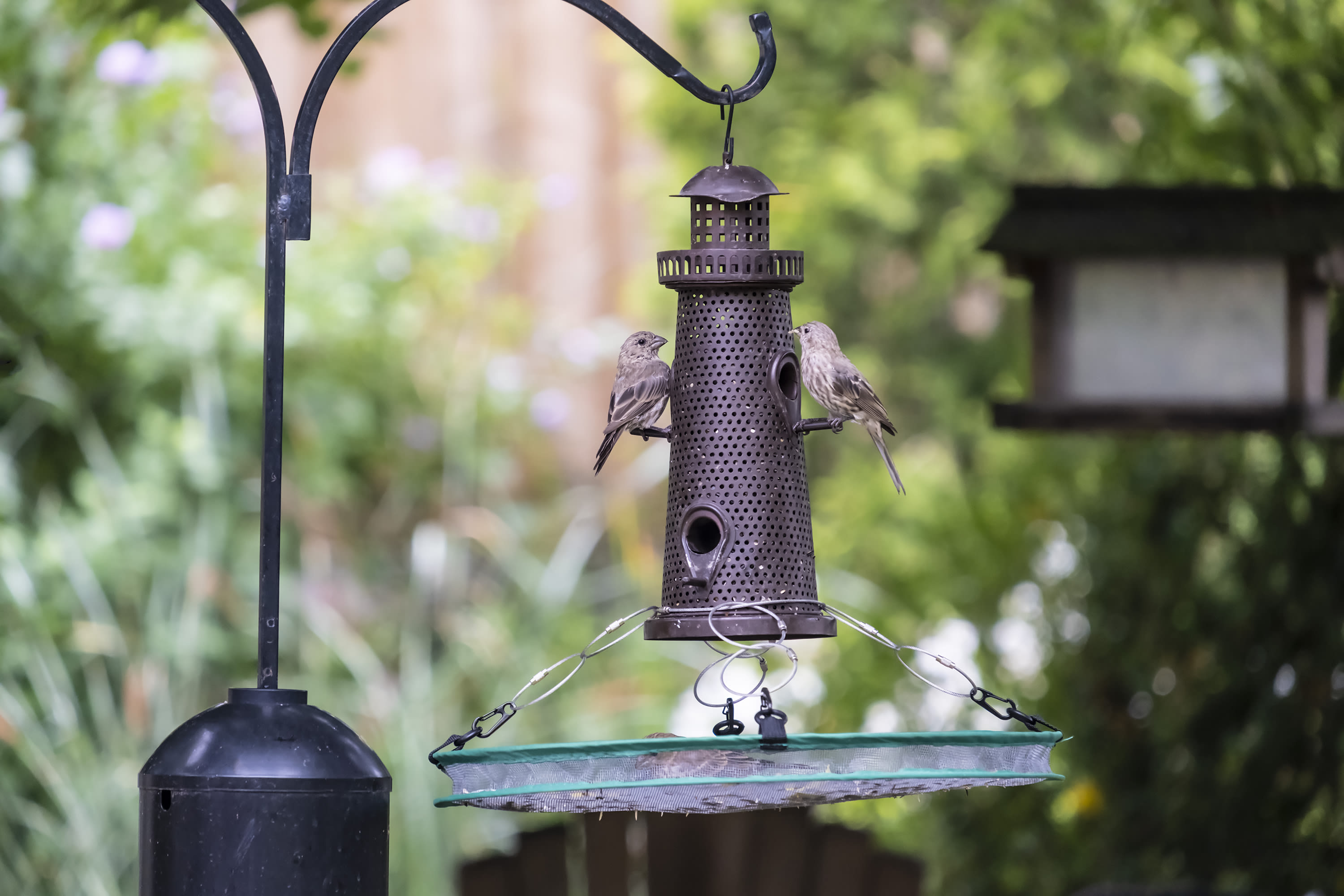
Spilled seed on the ground stays wet and can sprout quickly. Keep feeders secure and use trays to catch falling seed. This stops seed from wasting and sprouting on the ground.
- Place feeders over hard surfaces like patios
- Use seed trays to catch spills
- Clean spilled seed promptly
Signs Of Germinating Seed
Bird seed can start to sprout if it stays damp and warm for too long. This causes the seeds to germinate, which can waste your seed and attract pests.
Knowing the signs of germination helps you stop it early. This keeps your bird seed fresh and safe for your feathered friends.
Visual Indicators
Look closely at the seeds to find signs of sprouting. You may see small white roots or shoots coming out of the seed coat.
- Seeds become swollen and soft instead of dry.
- White or green shoots appear from the seed tip.
- Seeds may crack open as sprouts grow.
- There is a fresh, earthy smell from the moist seeds.
- Moist clumps may stick together inside the feeder.
How To Respond Quickly
Act fast when you see germinating seeds. Remove wet or sprouting seed to prevent spread and mold growth.
| Action | Why It Helps |
| Empty the feeder | Stops moisture build-up and germination |
| Clean the feeder with soap and water | Removes mold spores and seed debris |
| Dry the feeder completely before refilling | Prevents damp conditions that cause sprouting |
| Store extra seed in a cool, dry place | Keeps seed fresh and dry |
| Refill feeder with fresh seed | Provides healthy food for birds |
Maintaining Healthy Bird Feeders
Bird seed can start to sprout if it stays wet for too long. Germinating seeds waste food and can harm birds.
Keeping bird feeders clean and dry helps stop seeds from growing. This keeps birds safe and happy.
Regular Cleaning Routines
Clean your bird feeders often to remove old seed and dirt. This stops mold and seed sprouting.
Use warm water and mild soap to wash feeders. Rinse well so no soap stays behind.
- Empty feeders before cleaning
- Soak feeders in soapy water for 10 minutes
- Scrub all parts with a brush
- Rinse thoroughly and dry completely
- Clean feeders every two weeks or more
Proper Placement And Ventilation
Place feeders where air moves freely. Good air stops moisture build-up that causes seed to sprout.
Avoid placing feeders in low, shady spots. Sunlight and wind help keep seeds dry and fresh.
- Choose open areas with good airflow
- Keep feeders away from wet ground
- Use feeders with ventilation holes
- Check feeders after rain to dry seeds

Credit: www.reddit.com
Frequently Asked Questions
How Can I Prevent Bird Seed From Sprouting Indoors?
Store bird seed in a cool, dry place to avoid moisture. Use airtight containers to keep humidity out. Avoid warm temperatures that encourage germination. Regularly check seed for any signs of sprouting or mold.
What Storage Methods Stop Bird Seed Germination?
Use airtight, moisture-proof containers like plastic bins or glass jars. Keep seeds in a cool, dark environment. Avoid exposure to heat or sunlight. Proper storage reduces humidity, preventing seeds from sprouting prematurely.
Does Freezing Bird Seed Stop It From Germinating?
Yes, freezing bird seed halts germination by stopping seed metabolism. Freeze seeds in airtight bags to avoid moisture. Thaw before use to prevent mold growth. This method is effective for long-term seed storage.
Can Drying Bird Seed Prevent Sprouting?
Drying bird seed lowers moisture content, which prevents sprouting. Spread seeds in a thin layer in a warm, dry area. Ensure seeds are completely dry before storage. This reduces the chance of germination during storage.
Conclusion
Preventing bird seed from germinating keeps gardens tidy. Use sterilized seeds for better results. Place bird feeders away from soil areas. Consider baking seeds to kill germination. Regularly clean the feeding area to manage spills. Opt for no-mess seed blends.
Birds enjoy them, and they leave no mess. Cover the ground with mulch to stop sprouting. These methods are simple and effective. Enjoy watching birds without worrying about unwanted plants. Happy bird watching!