

Do you love watching colorful birds visit your yard? Imagine having a steady stream of feathered friends stopping by every day.
It’s easier than you think to make your outdoor space a favorite hangout for birds. You’ll discover simple and effective ways to keep birds coming back, so you can enjoy their beauty and songs all year long. Ready to turn your garden into a bird paradise?
Let’s dive in!
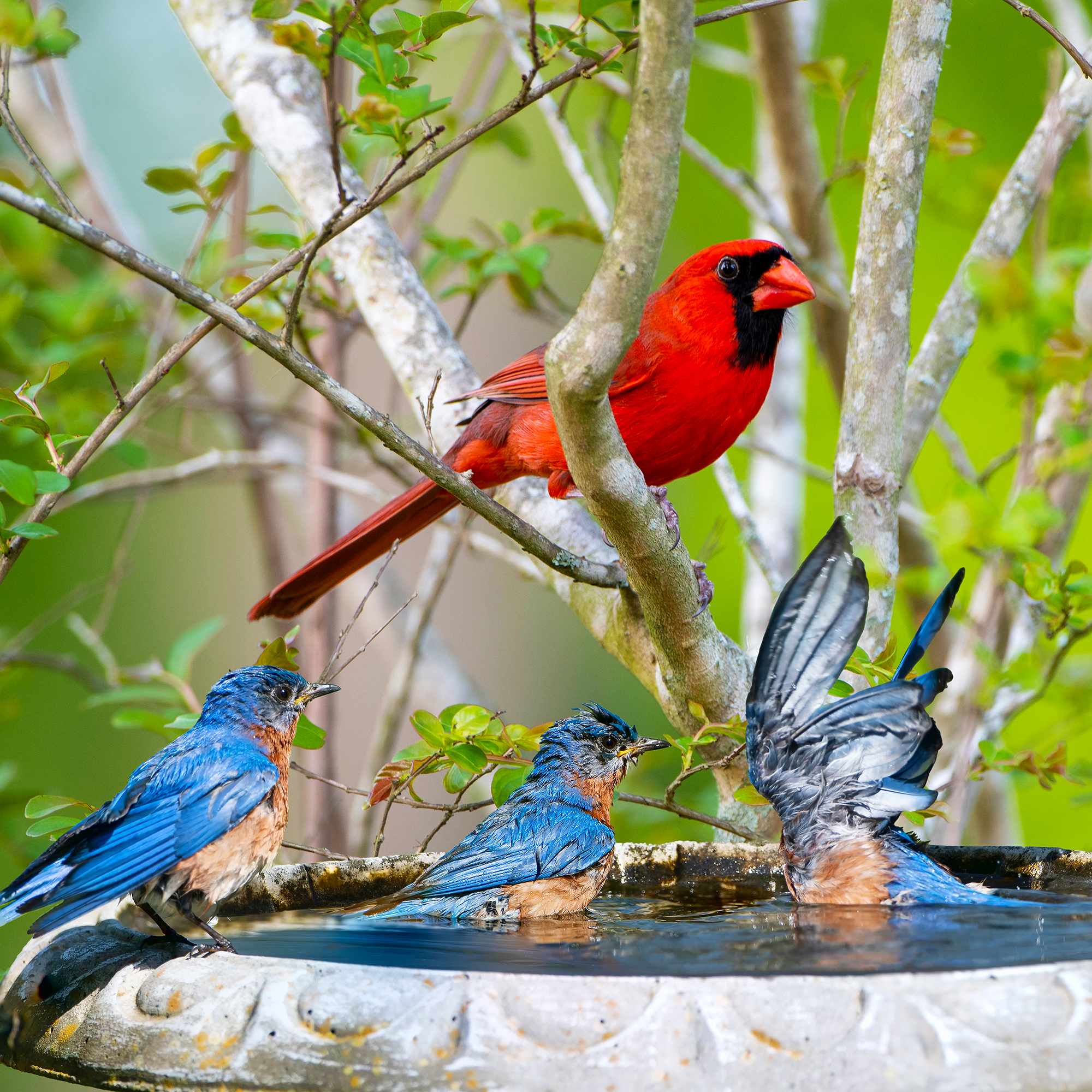
Credit: www.gardeningknowhow.com
Attracting Birds To Your Yard
Creating a space that birds enjoy can bring nature close to you. Birds visit yards that offer food, water, and shelter.
Simple changes in your garden help keep birds coming back day after day.
Choosing The Right Plants
Plants provide food and shelter for birds. Pick native plants that suit your area’s climate.
Flowering plants, shrubs, and trees attract different types of birds by offering berries, seeds, and insects.
- Plant berry-producing bushes like elderberry or serviceberry
- Grow sunflowers and coneflowers for seeds
- Add trees like oak or pine for nesting spots
- Include flowering plants that attract insects birds eat
Providing Fresh Water Sources
Birds need clean water for drinking and bathing. Fresh water keeps them healthy and active.
Use birdbaths or shallow dishes placed in safe, visible spots in your yard.
- Refill water daily to keep it fresh
- Keep birdbaths clean to prevent disease
- Use a small fountain or dripper to create moving water
- Place water near plants and feeders for easy access
Offering Suitable Food Options
Different birds like different foods. Provide a variety to attract many species.
Use feeders with seeds, nuts, and suet. Avoid foods that are unhealthy for birds.
- Black oil sunflower seeds attract many bird types
- Nyjer seeds are good for finches
- Suet feeds woodpeckers and insect-eaters
- Offer peanuts and mealworms for extra protein

Credit: www.birdwatchingdaily.com
Creating A Safe Habitat
Birds visit areas where they feel safe and find food easily. Creating a safe habitat helps birds stay longer and return often. Simple changes in your garden can make a big difference.
Focus on protecting birds from dangers, offering places to rest, and keeping feeding spots clean. These steps build trust and comfort for birds in your space.
Avoiding Predators
Birds need to feel safe from animals that may harm them. Keep cats and other pets indoors during peak bird activity. Place feeders in open areas where birds can see predators coming.
- Use tall poles for feeders to keep them away from ground predators
- Trim thick bushes near feeding spots to reduce hiding places for predators
- Install baffles on feeder poles to block climbing animals
- Keep pet food inside to avoid attracting unwanted wildlife
Providing Shelter And Nesting Sites
Birds need shelter to rest and raise their young. Trees and shrubs offer natural cover. Adding birdhouses encourages nesting and helps birds feel secure.
| Type of Shelter | Benefits |
| Evergreen Trees | Year-round cover and protection |
| Dense Shrubs | Safe hiding places and nesting spots |
| Birdhouses | Provides nesting sites for cavity nesters |
| Brush Piles | Shelter for small birds and insects |
Maintaining Clean Feeding Areas
Clean feeding areas keep birds healthy and encourage them to return. Remove old seeds and wash feeders often to stop disease spread. Clean spots also prevent pests from gathering.
- Change birdseed every few days to keep it fresh
- Wash feeders with hot water weekly
- Clear fallen seeds and droppings from the ground
- Place feeders where rain can help rinse them naturally
Using Bird Feeders Effectively
Bird feeders help attract birds to your yard. They offer food and a safe place to rest.
To keep birds coming back, you need to use feeders the right way. This includes picking the right feeder, placing it well, and keeping it clean.
Selecting The Best Feeder Types
Different birds like different feeders. Choose feeders that match the birds you want to attract.
Some common feeder types include tube feeders, platform feeders, and suet feeders. Each type holds different food and suits different birds.
- Tube feeders work well for small birds like finches and chickadees.
- Platform feeders attract larger birds like cardinals and jays.
- Suet feeders provide energy-rich food for woodpeckers and nuthatches.
Proper Feeder Placement
Place feeders where birds feel safe and can see predators. Near trees or shrubs is ideal.
Keep feeders at least 5 feet away from windows to prevent bird collisions. Also, avoid spots where cats can reach easily.
- Near natural cover like bushes or trees
- At least 5 feet from windows
- Out of reach of pets and predators
- Visible to birds from the sky
Regular Feeder Maintenance
Keep feeders clean to stop diseases from spreading. Wash feeders with soap and water every two weeks.
Remove old or wet seed often. Replace it with fresh food to keep birds healthy and coming back.
- Clean feeders every two weeks
- Use mild soap and water
- Dry feeders before refilling
- Remove old or moldy seed

Credit: www.reddit.com
Encouraging Bird Activity Year-round
Birds visit gardens for food, water, and shelter. Keeping them coming back needs care all year.
Changing your garden to fit the seasons helps birds find what they need. This guide shows simple ways to keep birds active every season.
Adjusting Food And Water With Seasons
Birds need different food and water sources as seasons change. Fresh water is important, even in winter.
- In spring and summer, offer fresh fruits and insects.
- In fall, provide seeds and nuts for energy.
- In winter, use high-fat foods like suet and keep water from freezing.
- Clean feeders and water dishes regularly to avoid disease.
Planting Seasonal Blooms
Seasonal flowers attract insects and provide nectar for birds. Changing plants through the year supports different bird species.
| Season | Recommended Plants | Benefits for Birds |
| Spring | Cherry blossoms, tulips | Attract insects and nectar feeders |
| Summer | Sunflowers, coneflowers | Provide seeds and shelter |
| Fall | Goldenrod, asters | Offer late nectar and seeds |
| Winter | Holly, winterberry | Supply berries when food is scarce |
Creating Diverse Habitats
Birds need places to hide, rest, and nest. Different habitats attract a variety of birds.
Try adding these habitat features:
- Thick shrubs for cover
- Dead wood for insects and nesting
- Open grassy areas for ground feeders
- Brush piles for small birds and insects
Avoiding Common Mistakes
Keeping birds coming back to your yard needs care and attention. Some common mistakes can stop birds from visiting. Learning what to avoid helps create a safe place for them.
This guide covers key errors like overfeeding, using harmful pesticides, and ignoring local bird needs. Each section explains why these mistakes matter and how to fix them.
Overfeeding And Dependency
Feeding birds too much can make them rely on humans. This takes away their natural ability to find food. Overfeeding may also cause health problems and crowding.
- Feed birds only a small amount each day.
- Offer natural foods like seeds and berries.
- Keep feeders clean to prevent disease.
- Remove feeders sometimes to encourage wild foraging.
Using Harmful Pesticides
Pesticides can poison birds and kill the insects they eat. Using chemicals harms the whole garden and scares birds away. Choose safer ways to protect plants.
| Type of Pesticide | Risk to Birds | Safe Alternative |
| Insecticides | Kill insects birds eat | Use neem oil or insecticidal soap |
| Herbicides | Remove plants birds use | Pull weeds by hand |
| Rodenticides | Poison small animals | Set traps away from bird areas |
Ignoring Local Bird Species Needs
Different birds need different food, shelter, and water. Planting local trees and shrubs helps them survive. Avoid plants that do not fit your region or harm native species.
- Research birds native to your area.
- Use native plants for food and shelter.
- Provide fresh water all year round.
- Keep pets indoors to protect birds.
Frequently Asked Questions
How Can I Attract Birds To My Backyard?
Provide fresh water, native plants, and varied bird feeders. Offer seeds, fruits, and shelter. Avoid pesticides to create a safe habitat.
What Food Keeps Birds Returning Regularly?
Use a mix of sunflower seeds, millet, and suet. Different birds prefer different foods, so variety attracts more species.
How Important Is Water For Attracting Birds?
Water is essential for drinking and bathing. A clean birdbath or small pond encourages birds to visit and stay.
Which Plants Help Keep Birds Coming Back?
Plant native shrubs, trees, and flowers that produce seeds and berries. These provide natural food and shelter for birds.
Conclusion
Birds bring joy and life to your garden. Following these steps ensures they return. Provide food consistently. Fresh water is vital for their health. Create safe spaces for nesting and resting. Use native plants for a natural habitat. Regularly clean feeders and birdbaths to prevent disease.
Observe and enjoy their presence. They will reward you with beautiful songs and company. With patience and care, your garden becomes a haven for birds. They’ll always come back for the love and care you offer. Keep nurturing this wonderful connection with nature.
It’s simple and rewarding.


