
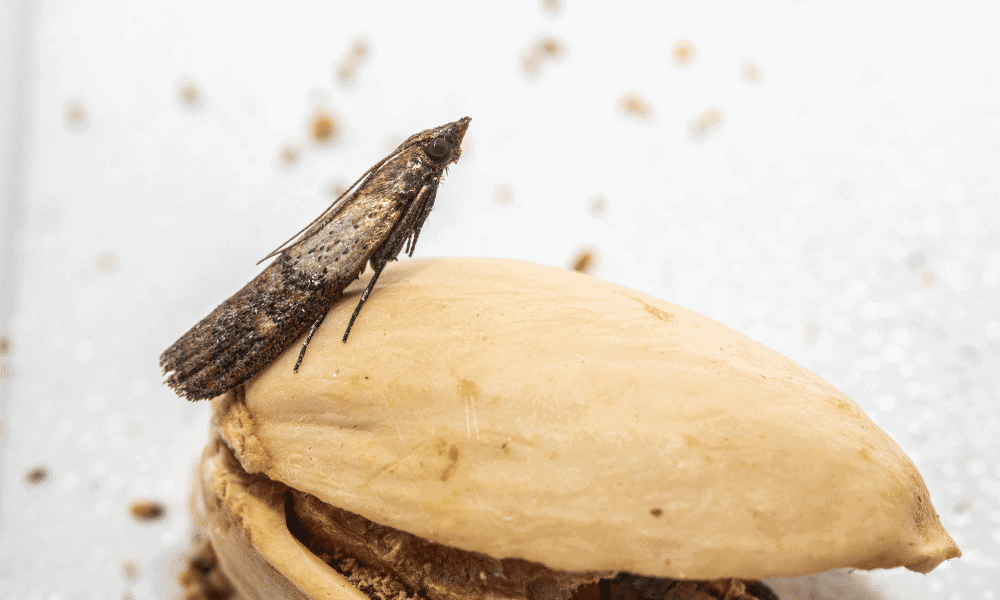
Are you tired of finding tiny moths crawling through your bird seed? Grain moths can quickly ruin your carefully stored seeds, leaving you frustrated and wasting money.
But don’t worry—there are simple, effective ways you can keep these pests out for good. You’ll discover easy steps to protect your bird seed and keep your feathered friends happy. Keep reading to learn how to stop grain moths from invading your supplies and save yourself time and hassle.

Credit: www.amazon.com
Common Grain Moth Types
Grain moths often infest bird seed and stored grains. Knowing which types are common helps in prevention.
These moths can damage seeds and cause contamination. Identifying them early is key to controlling them.
Identifying Grain Moths
Grain moths are small, about 1/2 inch long. They have narrow wings with patterns in shades of brown, gray, or white.
- Indian Meal Moth:Wings have a coppery or reddish-brown tip.
- Angoumois Grain Moth:Pale yellow or tan wings with dark spots.
- Plodia Interpunctella:Forewings are bicolored with gray and reddish-brown.
Life Cycle And Behavior
Grain moths go through four life stages: egg, larva, pupa, and adult. Each stage affects how the moth spreads.
| Stage | Description | Duration |
| Egg | Laid on seeds or grain surfaces | 2 to 14 days |
| Larva | Worm-like caterpillar that feeds on seeds | 2 to 41 days |
| Pupa | Inactive stage inside a cocoon | 7 to 14 days |
| Adult | Flying moth that lays eggs | 1 to 2 weeks |
Why Grain Moths Invade Bird Seed
Grain moths are common pests that target bird seed. They cause damage by eating and laying eggs inside the seed. Understanding why they invade can help you keep them away.
Two main reasons attract grain moths to bird seed. These include what is inside the seed and the environment where the seed is stored.
Attractants In Bird Seed
Bird seed contains many things that moths like. These attractants make the seed a good place for moths to feed and lay eggs.
- Grains such as millet and cracked corn offer food for moth larvae.
- Seeds rich in oils provide energy for adult moths.
- Moisture in seed mixes helps moths survive and grow.
- Broken or damaged seeds release scents that lure moths.
Environmental Factors
Environmental conditions around the seed affect moth presence. Warmth and humidity help moths thrive inside seed storage areas.
| Factor | Effect on Grain Moths |
| Temperature | Warmth speeds up moth growth and reproduction |
| Humidity | High moisture helps eggs hatch and larvae survive |
| Light | Dark places protect moths from predators |
| Storage cleanliness | Dirt and old seed attract more moths |
Storage Tips To Prevent Infestation
Grain moths can ruin bird seed quickly. Proper storage helps keep them away. Using the right containers and storing seed in good places stops moths from laying eggs.
Preventing infestation saves money and keeps birds healthy. Follow simple tips to protect your bird seed from pests.
Choosing The Right Containers
Pick containers that block air and light to stop moths. Use strong, sealed containers to keep seed fresh and safe.
- Use airtight plastic or metal containers with tight lids.
- Choose containers that are easy to clean and dry.
- Avoid cardboard or paper bags that let moths enter.
- Label containers with the date you stored the seed.
- Keep containers off the ground to avoid moisture.
Optimal Storage Locations
Store bird seed in cool, dry places away from sunlight. Heat and moisture attract grain moths and help them grow.
| Storage Location | Benefits |
| Basement (dry area) | Cool temperature, low light |
| Garage (off the floor) | Dry and out of direct sunlight |
| Pantry shelf | Controlled temperature and easy access |
| Closet or cupboard | Protects from pests and moisture |
Natural Deterrents Against Grain Moths
Grain moths can spoil bird seed quickly. Using natural deterrents helps keep seeds fresh. These methods are safe and eco-friendly.
Natural options include herbs, spices, and essential oils. They repel moths without harming birds or the environment.
Herbs And Spices That Repel Moths
Certain herbs and spices have strong scents that moths dislike. Placing them near bird seed can keep moths away.
Common herbs and spices include bay leaves, cloves, and rosemary. These items are easy to find and use around bird seed.
- Bay leaves: Place dry leaves in seed containers.
- Cloves: Scatter a few cloves around seed storage.
- Rosemary: Use fresh or dried sprigs near seed bins.
- Cinnamon sticks: Add sticks to bird seed storage areas.
Using Essential Oils
Essential oils have strong aromas that moths avoid. Use them carefully to protect bird seed without harming birds.
Popular oils include peppermint, eucalyptus, and lavender. You can apply oils on cotton balls and place them near seed storage.
- Peppermint oil: Deters moths with a fresh scent.
- Eucalyptus oil: Strong smell keeps moths away.
- Lavender oil: Repels moths and adds a nice scent.
- Cedarwood oil: Natural moth repellent used in closets.
Regular Cleaning Practices
Keeping grain moths away from bird seed starts with good cleaning habits. Dirt and old seeds attract pests.
Regular cleaning helps stop moths from laying eggs and spreading.
Cleaning Bird Feeders
Clean bird feeders at least once a week to remove old seed and debris. Use warm water and mild soap. Rinse well and dry before refilling.
- Empty feeders completely before cleaning
- Scrub all surfaces with a brush
- Remove moldy or wet seed
- Allow feeders to dry fully
- Place feeders in sunlight to kill germs
Maintaining Storage Areas
Store bird seed in cool, dry places in sealed containers. Check storage areas often for signs of moths or larvae.
| Storage Tip | Purpose |
| Use airtight containers | Keep moths and moisture out |
| Store seed off the floor | Reduce pest access |
| Inspect containers weekly | Detect early moth problems |
| Clean storage shelves monthly | Remove spilled seed and dirt |

Credit: drkilligans.com
Dealing With Existing Infestations
Grain moths can quickly spoil bird seed. Removing them safely protects your birds and home. Act fast to stop the infestation from spreading.
Use proper methods to get rid of grain moths without harmful chemicals. Check your seed regularly to catch problems early.
Safe Removal Methods
Remove infested seed carefully to avoid spreading moths. Clean storage containers well before refilling. Use these safe steps to remove grain moths:
- Put the infested seed in a sealed plastic bag.
- Dispose of the bag outside your home immediately.
- Vacuum the storage area to pick up eggs and larvae.
- Wash containers with hot soapy water and dry completely.
- Freeze clean seed for 48 hours to kill any eggs.
When To Discard Seed
Not all seed can be saved after moth infestation. Knowing when to discard seed stops moths from returning. Use this table to decide:
| Seed Condition | Action |
|---|---|
| Heavily infested with webbing and larvae | Discard immediately |
| Light infestation with few moths | Freeze for 48 hours before use |
| No visible signs but stored near infested seed | Inspect and consider freezing |
| Fresh seed stored separately | Use normally |
Preventive Maintenance Tips
Grain moths can spoil bird seed and waste your money. You can stop them before they start. Simple steps keep seed safe and fresh.
Good preventive care helps protect bird seed from pests. It also keeps birds healthy by providing clean food.
Monitoring Seed Quality
Check bird seed often for signs of grain moths. Look for webbing, holes, or small larvae. Fresh seed attracts fewer pests.
- Store seed in airtight containers
- Keep seed dry and cool
- Use seed within a few weeks of purchase
- Remove old or moldy seed immediately
- Clean feeders regularly to remove debris
Seasonal Precautions
Grain moths are more active in warm months. Take extra care during spring and summer to protect seed.
| Season | Precaution |
| Spring | Inspect seed weekly and clean feeders |
| Summer | Store seed in cool places and use fast |
| Fall | Check for leftover seed and dispose properly |
| Winter | Keep seed dry and sealed |

Credit: www.amazon.com
Frequently Asked Questions
How Do Grain Moths Infest Bird Seed?
Grain moths lay eggs in bird seed, and larvae feed on the grains. Infestation often occurs in warm, humid conditions. Proper storage and cleanliness reduce the risk of moth infestation.
What Is The Best Storage For Bird Seed To Avoid Moths?
Store bird seed in airtight, sealed containers made of metal or thick plastic. Keep containers in a cool, dry place away from direct sunlight to prevent moisture and moth access.
Can Natural Repellents Keep Grain Moths Away From Seed?
Yes, natural repellents like bay leaves, cloves, or neem leaves can deter moths. Place them inside seed containers or storage areas for effective, chemical-free protection.
How Often Should Bird Seed Be Checked For Moth Infestation?
Inspect bird seed every two weeks for signs of moths, such as webbing or larvae. Early detection prevents large infestations and protects your bird seed quality.
Conclusion
Keeping grain moths out of bird seed is crucial. Follow simple steps consistently. Store seeds in airtight containers. Clean storage areas regularly. Inspect seeds before purchase. Freezing seeds can prevent moths. Place traps near storage areas. These measures protect your bird seed.
Enjoy feeding birds without worry. Your efforts will pay off. Peace of mind is priceless. Keep your feathered friends happy. Safe seeds mean healthy birds. A little prevention goes a long way. Implement these tips today. Say goodbye to grain moth troubles.
Keep your bird-feeding experience pleasant and stress-free.



