Are you tired of seeing hawks scare away the beautiful birds you want to attract to your yard? You’re not alone.
Hawks can make it hard for smaller birds to feel safe, leaving your bird feeders and gardens empty. But what if you could keep hawks away and create a peaceful haven where your favorite birds feel welcome? In this post, you’ll discover simple, effective ways to protect your feathered friends and enjoy a lively, colorful backyard full of birds.
Keep reading to learn how to make your space safe and inviting for the birds you love.

Credit: www.allaboutbirds.org
Why Hawks Threaten Backyard Birds
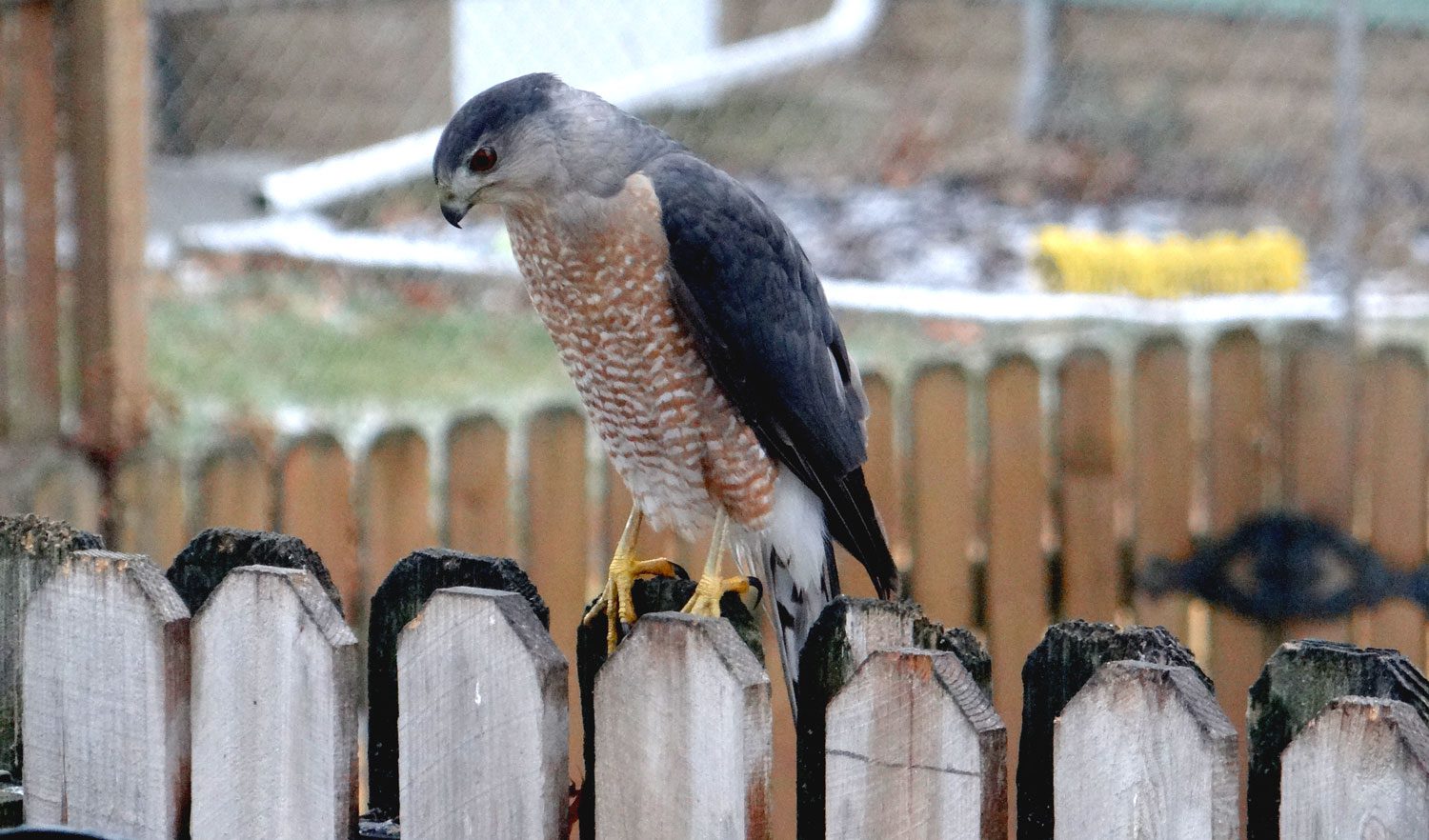
Hawks are natural predators that hunt smaller birds in backyards. Their presence can scare away songbirds and other peaceful species.
Understanding why hawks threaten backyard birds helps you protect your feathered visitors. It also helps keep a safe balance in your garden.
Hawks’ Hunting Behavior
Hawks use sharp eyesight to spot small birds from high above. They swoop down quickly to catch their prey with strong claws.
They prefer hunting in open spaces but also watch bird feeders and yards for easy meals. Hawks often wait patiently before attacking.
- Hawks scan for movement from tall trees or poles
- They fly silently to surprise their prey
- They capture birds using powerful talons
- Hawks eat small birds, rodents, and insects
Impact On Bird Populations
Hawk attacks can reduce the number of small birds in your backyard. This makes some species avoid the area completely.
Less small birds mean fewer songs and less color in your garden. It also affects the natural balance of insects and plants.
- Birds stop visiting areas where hawks hunt often
- Young birds have a higher risk of falling prey
- Some species may decline in numbers locally
- Backyard ecosystems become less diverse
Creating Hawk-resistant Bird Habitats
Hawks can scare away smaller birds from your garden or bird feeders. You can design spaces that keep hawks away. This helps attract more small birds safely.
Using plants and smart feeding setups creates a safe place for birds. This guide explains how to build hawk-resistant bird habitats.
Dense Shrubs And Trees
Dense shrubs and trees give small birds places to hide from hawks. Thick branches and leaves block hawks’ line of sight. Birds can quickly take cover if they see danger.
- Plant native shrubs that grow thick and low to the ground.
- Include trees with dense canopies to provide overhead cover.
- Create layers of plants to offer hiding spots at different heights.
- Keep some evergreen plants for year-round protection.
Safe Feeding Stations
Feeding stations can attract hawks if not designed carefully. Place feeders where birds have quick access to cover. Avoid open areas with no escape routes.
| Placement | Reason | Tip |
| Near dense shrubs | Birds hide quickly | Keep shrubs trimmed but thick |
| Under tree canopy | Protection from above | Choose trees with low branches |
| Away from open fields | Limits hawk approach | Use fences or screens |
| Multiple feeders | Reduces crowding | Space feeders apart by 10 feet |
Using Visual Deterrents
Keeping hawks away helps protect smaller birds in your yard. Visual deterrents scare hawks without harming them.
These tools work by making the area look unsafe or confusing for hawks. This encourages birds to visit and stay.
Reflective Objects
Reflective objects shine light and move with the wind. This startles hawks and makes them avoid the area.
Use items like shiny tape, CDs, or mirrors near bird feeders and plants. They create flashes of light that hawks dislike.
- Hang strips of reflective tape from tree branches
- Place old CDs where they catch sunlight
- Use small mirrors that move in the breeze
Decoy Predators
Decoy predators look like animals hawks fear. These fake animals make hawks stay away from your yard.
Common decoys include plastic owls or snakes. Move them regularly to keep hawks unsure.
- Place a plastic owl near bird feeders
- Use fake snakes on the ground or in bushes
- Change decoy positions every few days
Sound-based Deterrent Techniques
Keeping hawks away helps smaller birds feel safe. Sound-based deterrents use noises to scare hawks.
These techniques do not harm hawks but keep them from staying nearby. Birds can come without fear.
Ultrasonic Devices
Ultrasonic devices send out high-pitched sounds. Hawks hear these sounds but smaller birds do not.
The sounds make hawks uncomfortable and keep them away. These devices work best in quiet places.
- Use devices that cover the area well
- Place them where hawks like to perch
- Check batteries often for continuous use
Recorded Predator Calls
Playing recorded calls of larger predators can scare hawks. These sounds warn hawks of danger nearby.
Use speakers to play these calls at random times. Hawks will avoid the area to stay safe.
- Choose calls of animals hawks fear
- Vary the sound times for best effect
- Keep volume at a natural level
Physical Barriers To Protect Birds
Keeping hawks away helps protect smaller birds in your yard. Physical barriers stop hawks from reaching bird feeders and nests.
These barriers create safe spaces where birds can eat and rest without fear. Using nets, screens, or cages can keep hawks out.
Netting And Screens
Netting and screens are easy ways to block hawks from bird areas. They cover feeders or plants to stop hawks from swooping in.
Use strong, fine mesh netting to cover bird feeders or garden plants. Make sure the netting is tight and secure to prevent hawks from getting through.
- Choose durable, weather-resistant netting
- Secure edges tightly to poles or frames
- Check regularly for holes or loose spots
- Use screens to shield windows or small birdhouses
Protective Cages
Protective cages offer a strong shield around bird feeders or nests. They create a safe space where small birds can feed without danger.
Use metal or plastic cages with wide openings for birds but small enough to keep hawks out. Place cages where birds visit often.
- Pick cages made of rust-resistant materials
- Make sure openings fit the size of your birds
- Place cages high and away from hawk perches
- Clean cages regularly to keep birds healthy
Timing And Placement Of Feeders
Keeping hawks away helps small birds feel safe at your feeders. You can do this by choosing the right time and place to feed them.
Good timing and smart feeder placement can reduce hawk visits. This attracts more birds to your yard.
Feeding During Safe Hours
Feed birds when hawks are less active. Hawks hunt mostly in early morning and late afternoon.
Offer food in the middle of the day. This gives small birds time to eat safely.
- Feed between 10 a.m. and 2 p.m.
- Remove feeders at dawn and dusk
- Watch hawk activity times in your area
Strategic Feeder Locations
Place feeders where birds can spot hawks easily. Avoid open areas where hawks can hide nearby.
Use nearby trees or shrubs for quick bird cover. Keep feeders away from places hawks perch.
- Put feeders near tall bushes or trees
- Keep feeders at least 10 feet from hawk perches
- Use multiple feeder spots to spread out birds
Maintaining A Balanced Ecosystem
Keeping hawks away helps protect smaller birds and supports a healthy environment. A balanced ecosystem means all animals live in harmony. This balance helps plants and animals thrive together.
Using natural methods to reduce hawk presence avoids harm to wildlife. It creates a safe space for birds without upsetting nature’s order.
Encouraging Natural Predators
Natural predators help control hawk populations. Supporting these animals keeps hawks from becoming too common. This method protects birds without chemicals or traps.
- Plant native trees and shrubs to shelter predators like owls and snakes
- Provide water sources for animals that hunt hawks
- Avoid clearing areas that serve as homes for these predators
- Limit human interference to keep predator populations stable
Reducing Attractants For Hawks
Hawks come where food and shelter are easy to find. Removing these attractants keeps hawks away. This helps protect smaller birds by making the area less inviting to hawks.
| Attractant | How to Reduce |
| Open food sources | Keep bird feeders clean and covered |
| Rodents and small mammals | Use safe pest control to lower their numbers |
| Perching spots | Trim tall trees and remove poles near bird areas |
| Dense brush | Clear thick undergrowth near feeding zones |

Credit: www.reddit.com
Credit: www.allaboutbirds.org
Frequently Asked Questions
How Can I Keep Hawks Away From My Backyard?
Use visual deterrents like reflective tape or scare balloons. Remove perching spots and keep bird feeders safe to protect smaller birds.
What Plants Help Deter Hawks Naturally?
Plant tall shrubs and dense trees. These provide cover and block hawks’ hunting sightlines, making your yard less attractive to them.
Are Decoys Effective In Repelling Hawks?
Yes, decoys like owl statues can scare hawks temporarily. Move decoys regularly to maintain their effectiveness and prevent hawks from getting used to them.
How Does Noise Help Keep Hawks Away?
Loud noises or ultrasonic devices can disturb hawks. Use motion-activated sound makers to startle hawks and discourage them from staying near your birds.
Conclusion
Keeping hawks away helps attract more birds to your garden. Use various methods to deter hawks. Ensure safe spots for smaller birds. Like dense shrubs and trees. Install birdhouses for added shelter. Provide food and water in protected areas. Consistency is key to success.
Stay vigilant and adapt strategies as needed. Enjoy a lively, bird-friendly garden. Watch your feathered friends thrive and sing. Your efforts create a safe haven. A beautiful, bustling bird sanctuary awaits.