Are you tired of finding your bird seed full of moths and their larvae? It’s frustrating to watch your hard-earned bird food get spoiled before the birds even get a chance to enjoy it.
But don’t worry—there are simple, effective ways you can keep moths out of your bird seed. You’ll discover easy tips that protect your seed and save you money. Keep reading, and you’ll learn how to keep your bird feeders clean, fresh, and moth-free all season long.
Why Moths Target Bird Seed
Moths often invade bird seed because it provides food and shelter. Bird seed contains grains and nuts that moth larvae like to eat.
Warm and dark storage areas where bird seed is kept also attract moths. They lay eggs in these places so their young can feed.
Types Of Moths Commonly Found
Several moth species are known to invade bird seed. The most common ones are small and hard to see.
- Indian Meal Moth: This moth is a frequent pest in stored food.
- Angoumois Grain Moth: It targets grains and seeds in storage.
- Plodia Interpunctella: Another moth that feeds on dry seeds and grains.
These moths lay eggs in bird seed bags or containers. The larvae then eat the seeds as they grow.
What Attracts Moths To Seed
Moths are drawn to bird seed because of the food and environment. The smell and moisture levels play a big role.
- Grains and nuts: These provide nutrients for moth larvae.
- Warmth: Warm storage areas help eggs hatch faster.
- Darkness: Moths prefer dark places to hide and lay eggs.
- Moisture: Slight moisture in seed can attract moths.
Keeping bird seed dry and sealed can reduce moth attraction. Clean storage also helps prevent moth problems.
Choosing The Right Bird Seed
Keeping moths out of bird seed starts with choosing the right type. Some seeds attract fewer moths and keep your bird feed fresh longer.
Selecting good quality seed helps protect your feeders from pests and gives birds healthy food.
Seed Types Less Prone To Moths
Some bird seeds are less likely to attract moths. These seeds usually have a harder shell or lower oil content.
- Nyjer seed has a hard shell that moths avoid.
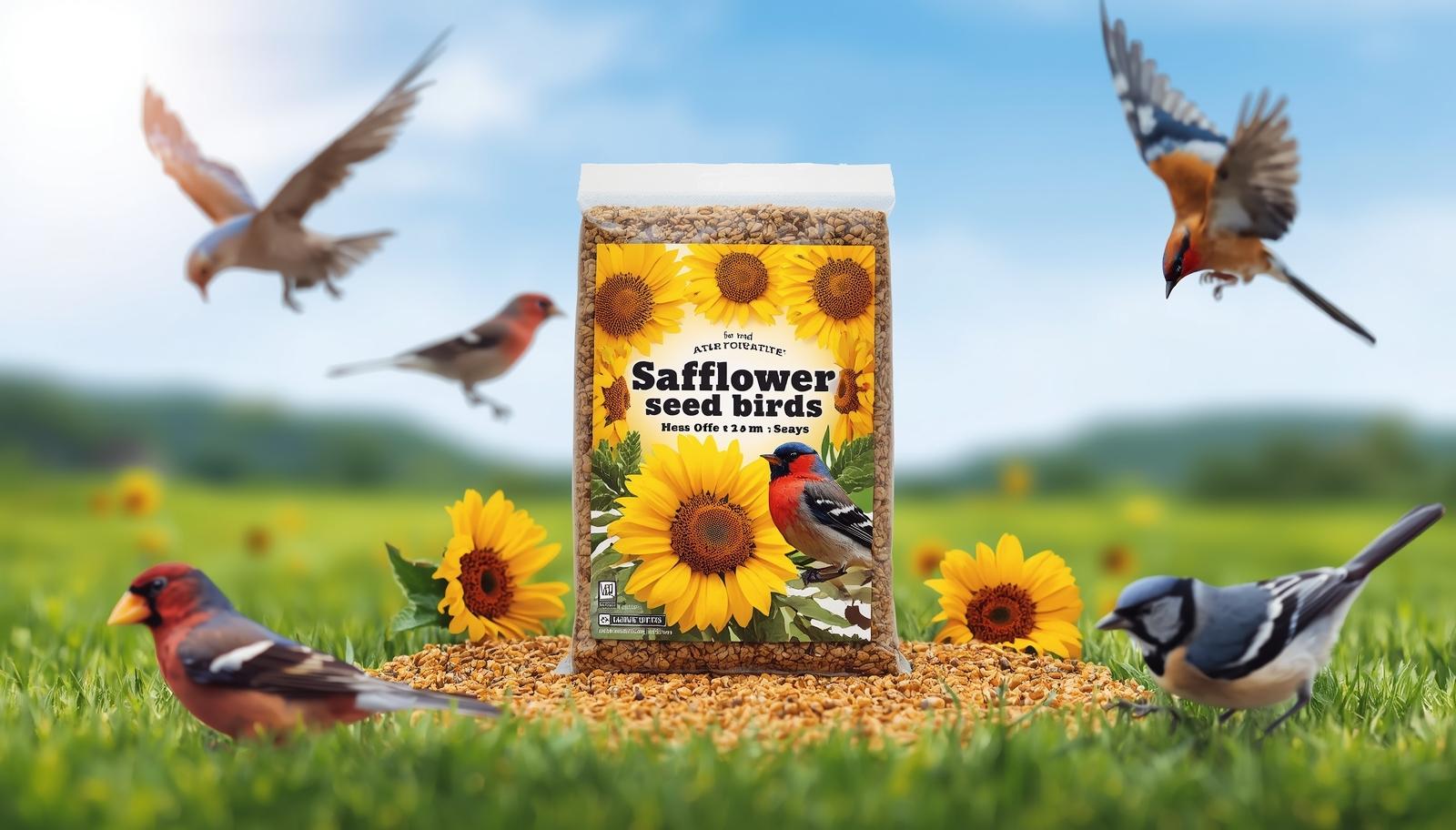
- Safflower seed is bitter and not attractive to moths.
- Sunflower hearts lack shells and spoil quickly, but moths dislike them.
- Milo and cracked corn have low oil and are less inviting.
Buying Fresh And High-quality Seed
Fresh seed lasts longer and resists pests better. Old or damp seed invites moths to infest.
| Tip | Why It Helps |
| Buy from trusted stores | Seed is less likely to be old or spoiled |
| Check the packaging date | Fresh seed reduces moth risk |
| Store seed in airtight containers | Keeps moisture and moths out |
| Use seed quickly after opening | Limits time for moths to lay eggs |
Proper Storage Techniques
Keeping moths away from bird seed is easier with the right storage. Proper storage helps keep seed fresh and safe from pests.
Using good containers and storing seed in the right place stops moths from laying eggs in the seed.
Airtight Containers And Their Benefits
Airtight containers block moths and other insects from getting into bird seed. They stop air and moisture from entering.
These containers keep seed dry and fresh for a longer time. They also prevent bad smells and mold growth.
- Stops moths from entering and laying eggs
- Keeps moisture out to prevent mold
- Maintains seed freshness and flavor
- Easy to seal and reuse
Cool And Dry Storage Areas
Store bird seed in a cool and dry place. Warm and humid spots attract moths and cause seed to spoil.
Avoid areas near heat sources or where water leaks. A dark space can also help keep moths away.
- Choose a spot with low humidity
- Avoid direct sunlight and heat
- Keep seed away from water leaks
- Check storage area regularly for pests
Natural Repellents For Moths
Moths can ruin bird seed by eating it or laying eggs. You can keep moths away using natural repellents. These options are safe for birds and easy to use.
Natural repellents work by making the seed area smell or feel unpleasant to moths. This helps protect your bird seed without chemicals.
Using Bay Leaves And Herbs
Bay leaves are a popular natural way to keep moths away. Their strong smell stops moths from settling near bird seed.
You can also use herbs like rosemary, thyme, and lavender. These herbs have scents that moths dislike. Place fresh or dried leaves around your bird seed storage.
- Put a few bay leaves inside seed containers
- Add dried rosemary or thyme near bird feeders
- Replace leaves every few weeks for best results
Essential Oils That Deter Moths
Essential oils are another natural option to repel moths. Oils like peppermint, eucalyptus, and cedarwood have strong smells moths avoid.
You can add a few drops of essential oils to cotton balls. Place these balls near your bird seed or around feeders to keep moths away.
- Peppermint oil keeps moths from entering storage areas
- Eucalyptus oil smells fresh and deters moths effectively
- Cedarwood oil can be used in sachets near bird seed
Regular Cleaning Practices
Keeping moths out of bird seed needs regular cleaning. Dirt and old seed attract moths.
Clean feeders and storage areas often to stop moths from settling in.
Cleaning Feeders And Storage Areas
Clean bird feeders every two weeks. Use warm soapy water to remove dirt and old seed.
Empty seed storage containers regularly. Wipe inside with a dry cloth to remove dust.
- Remove leftover seed from feeders
- Wash feeders with soap and water
- Dry feeders completely before refilling
- Store seed in sealed containers
- Keep storage areas cool and dry
Removing Infested Seed Promptly
Check seed for moth larvae or webbing before use. Throw away any infested seed quickly.
Remove and discard old or damp seed. This stops moths from growing and spreading.
- Inspect seed regularly for signs of moths
- Seal and discard infested seed immediately
- Clean storage containers after removing bad seed
- Use fresh seed only to attract birds

Credit: www.amazon.com
Preventive Measures In Feeding Areas
Moths can spoil bird seed if they find a way inside the feeding area. Keeping moths out protects the seed and saves money.
Taking steps to prevent moths helps keep the feeding area clean and safe for birds. Use simple ways to block moths from entering.
Sealing Cracks And Entry Points
Moths enter through small cracks and holes near the feeding area. Sealing these stops moths from getting inside.
Check around doors, windows, and walls. Use caulk or weather stripping to close gaps. This reduces moth access.
- Inspect feeding area for cracks and holes
- Use sealant or caulk on openings
- Install weather stripping on doors and windows
- Keep screens and vents covered
Using Moth Traps Effectively
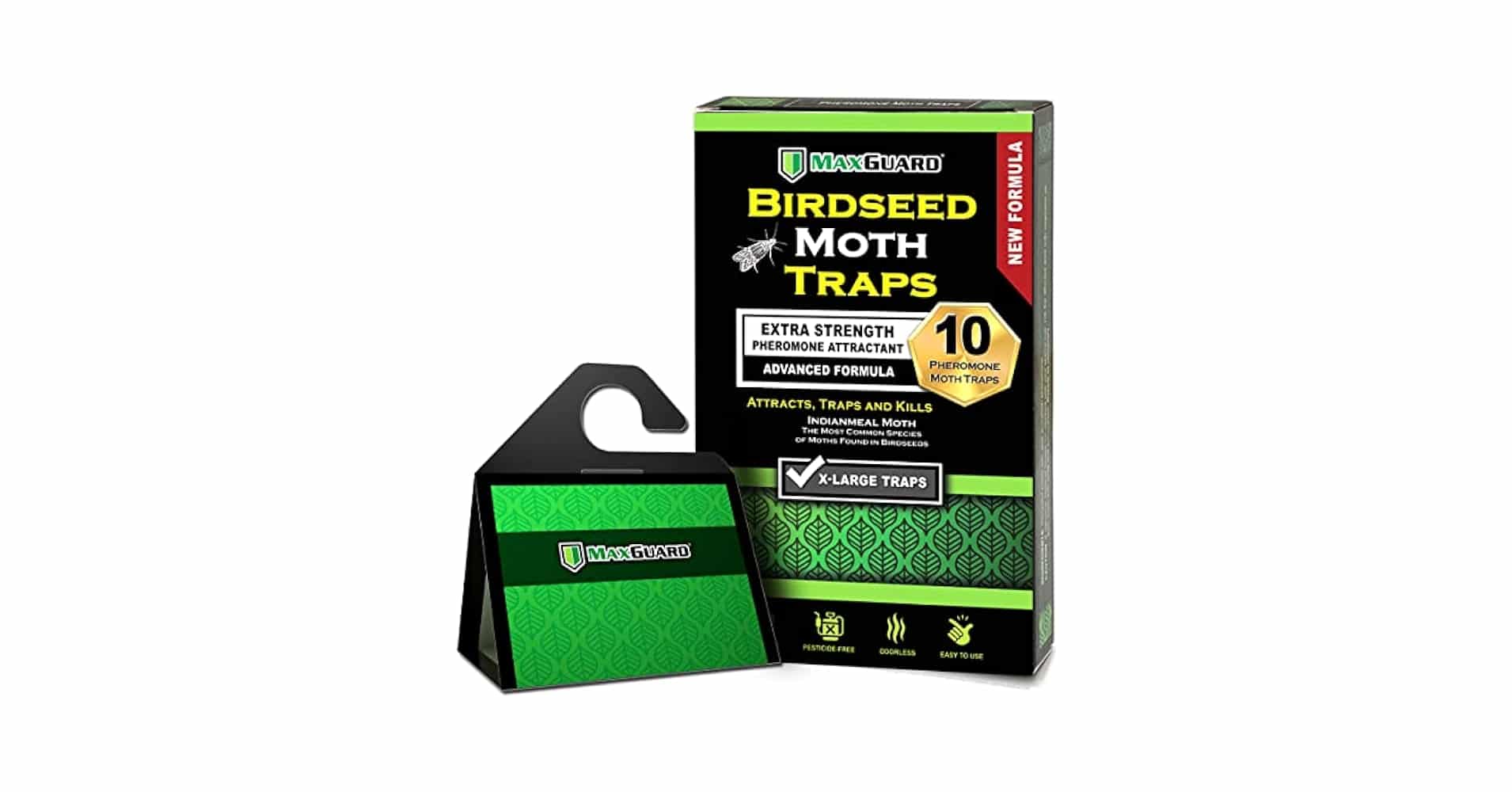
Moth traps catch moths before they lay eggs in bird seed. Place traps near feeding spots but away from seed containers.
Replace traps regularly to keep them working. Use traps with safe, non-toxic bait to avoid harming birds.
- Place traps near but not inside seed storage
- Use pheromone-based traps for best results
- Change traps every few weeks
- Check traps often to remove caught moths
Signs Of Moth Infestation
Moths can spoil bird seed quickly if you do not watch for signs. Early detection helps protect your seed and keeps birds safe.
Look closely at your bird seed to spot moths before they cause big problems.
Identifying Larvae And Webbing
Larvae are small caterpillar-like insects that eat bird seed. They often hide inside the seed bag or container.
- Look for tiny white or cream-colored larvae moving inside the seed.
- Check for silky webbing that moth larvae create to protect themselves.
- Webbing can appear as small clumps or threads among the seed.
- Larvae and webbing often cause seed clumps to stick together.
- Check corners and edges of the container for hidden larvae.
Monitoring Seed Condition
Good seed condition means no strange smells or changes in texture. Poor seed condition can mean moths are inside.
| Seed Condition | What to Check | Signs of Moths |
|---|---|---|
| Smell | Sniff the seed for fresh or musty odors | Musty or sour smell means moth damage |
| Texture | Feel the seed for softness or clumps | Sticky or clumped seed shows larvae webbing |
| Appearance | Look for holes or dust in the seed | Small holes and powdery dust mean moths are eating seed |

Credit: drkilligans.com

Credit: drkilligans.com
Frequently Asked Questions
How Can I Prevent Moths In Bird Seed?
Store bird seed in airtight containers to block moth access. Keep seed dry and clean to avoid attracting moths. Regularly clean feeders and surrounding areas to remove eggs and larvae.
What Natural Repellents Keep Moths Away From Bird Seed?
Bay leaves, cloves, and cedar chips naturally repel moths. Placing these near bird seed storage deters moth infestations. Avoid chemical repellents to keep bird seed safe for wildlife.
Why Do Moths Infest Bird Seed?
Moths are attracted to the oils and nutrients in bird seed. Warm, humid conditions encourage moth breeding in stored seed. Poor seed storage creates ideal moth infestation environments.
How Often Should Bird Seed Be Replaced To Avoid Moths?
Replace bird seed every 2 to 4 weeks in warm weather. Frequent replacement limits moth egg laying and larval development. Always discard old, infested seed immediately to prevent spread.
Conclusion
Keeping moths away from bird seed requires simple steps. Store seeds in airtight containers. Clean storage areas regularly. Use natural repellents like bay leaves or cedar chips. Freezing seeds for a few days can help, too. Check seed bags before purchase for any signs of infestation.
Fresh and clean seeds keep birds healthy and happy. Implement these strategies today. Enjoy moth-free bird feeding. Your feathered friends will thank you!