Are you tired of raccoons raiding your bird feeders and scaring away the beautiful birds you want to attract? You’re not alone.
Raccoons can quickly turn your peaceful backyard into a noisy mess, leaving you frustrated and your feathered friends gone. But what if you could keep raccoons away and create a safe haven where birds feel welcome? You’ll discover simple, effective ways to protect your yard from raccoons while inviting more birds to visit.
Keep reading, and you’ll learn how to enjoy a lively, raccoon-free bird paradise right outside your window.
:max_bytes(150000):strip_icc()/GettyImages-1005450520-0f276cae28d64d2eb0d4de0727de6909.jpg)
Credit: www.marthastewart.com
Raccoons Vs Birds
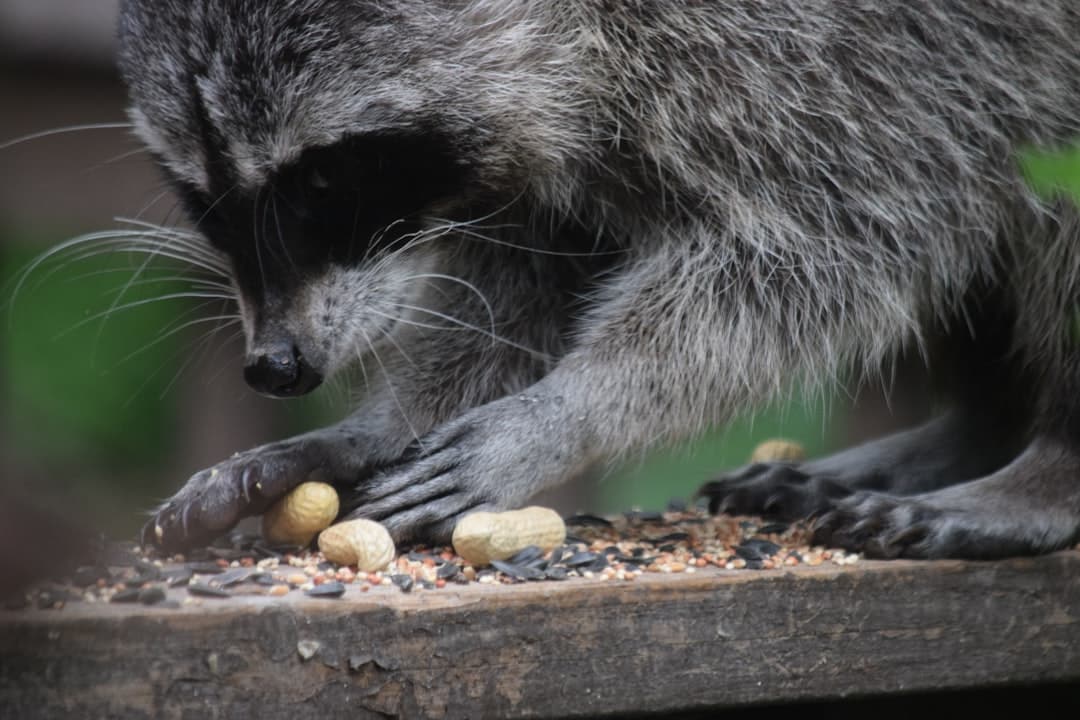
Raccoons and birds both visit backyard feeders. But raccoons can scare birds away. It is important to keep raccoons away to attract more birds.
Bird feeders offer food for many bird species. Raccoons often try to eat from feeders too. This can cause problems for bird watchers.
Why Raccoons Are A Problem
Raccoons are strong and clever animals. They can easily break bird feeders or scatter seeds on the ground. This makes a mess and wastes food.
Raccoons also scare birds by making loud noises. Birds may stop visiting if they feel unsafe. This reduces the number of birds at your feeder.
- Raccoons break feeders to get food
- They spread seeds on the ground
- Loud raccoon noises scare birds away
- Raccoons can carry diseases harmful to birds
Birds That Visit Feeders
Many birds come to feeders to eat seeds and nuts. Some common feeder visitors are colorful and easy to spot. They bring joy to bird watchers.
Knowing which birds visit helps you choose the right food and feeder types. This keeps birds safe and happy in your yard.
- Cardinals
- Blue Jays
- Chickadees
- Finches
- Woodpeckers
- Nuthatches
Raccoon Deterrent Methods
Raccoons can scare away birds from your yard. Keeping raccoons away helps attract more birds.
There are simple ways to stop raccoons from eating bird food. These methods protect bird feeders and keep raccoons out.
Secure Feeding Stations
Place bird feeders in spots that raccoons cannot reach. Use poles with baffles to block climbing.
Keep the area clean by removing spilled seed. This lowers raccoon visits to your feeding station.
- Mount feeders on tall poles
- Use baffles to block raccoons
- Clear spilled seeds daily
- Feed birds during daylight hours
Use Of Raccoon-proof Feeders
Choose feeders designed to keep raccoons out. These feeders close or hide food when a raccoon tries to reach it.
Some feeders weigh less and close for birds but shut tight under raccoon weight. This helps protect bird food.
- Weight-sensitive feeders close for raccoons
- Feeders with cages allow small birds only
- Feeders with locking lids stop raccoons
Motion-activated Sprinklers
Motion-activated sprinklers spray water when raccoons come close. This frightens them without harm.
These sprinklers protect your yard and bird feeders by scaring raccoons away quickly and safely.
- Detect raccoon movement
- Spray water to deter animals
- Safe and humane option
- Works best in small yard areas
Habitat Modifications
Raccoons can scare birds away from your yard. Changing the habitat helps keep raccoons out. This allows birds to visit safely and often.
Simple changes to your yard can stop raccoons. These changes also create a better space for birds to live and feed.
Remove Food Sources
Raccoons come to places with easy food. Remove pet food, fallen fruit, and open trash cans. This makes your yard less attractive to them.
Birds will still find seeds and feeders. Keep these safe and clean to help birds and not raccoons.
- Store pet food indoors
- Pick up fallen fruit daily
- Use raccoon-proof trash bins
- Clean bird feeders regularly
Trim Overhanging Branches
Raccoons use tree branches to enter your yard. Trim branches that hang near your roof or fence. This blocks easy access points.
Keeping branches trimmed also helps birds. They get clear flying paths and safer nesting areas.
- Cut branches at least 6 feet from structures
- Remove dead or weak branches
- Regularly check for new growth
Eliminate Shelter Spots
Raccoons hide in woodpiles, sheds, and thick bushes. Clear these spots or make them less cozy. This stops raccoons from settling nearby.
Open spaces make it easier for birds to see predators. This helps birds feel safe and stay longer in your yard.
- Stack firewood away from the house
- Keep sheds locked and tidy
- Trim dense shrubs and ground cover
Natural Repellents
Raccoons can disturb bird feeders and gardens. Using natural repellents keeps raccoons away. This helps create a safe space for birds to visit.
Natural repellents work without harmful chemicals. They use smells, sounds, and lights to scare raccoons. Birds are less bothered by these methods.
Scent-based Repellents
Raccoons dislike certain smells. You can use these scents to keep them away. At the same time, birds will still feel welcome.
- Sprinkle cayenne pepper or chili powder around your garden.
- Use ammonia-soaked rags placed near bird feeders.
- Hang sachets of strong-smelling herbs like mint or garlic.
- Use commercial natural raccoon repellents made from predator urine.
Noise Makers And Lights
Raccoons are shy and avoid loud noises and bright lights. These tools can protect your bird area without hurting animals.
| Tool | How It Works |
| Motion-activated lights | Turn on when raccoons approach, scaring them away |
| Ultrasonic sound devices | Emit high-pitched sounds that raccoons dislike but birds cannot hear |
| Wind chimes or bells | Create noise that startles raccoons |
| Radio or music | Playing sounds at night keeps raccoons away |
Feeding Tips For Birds
Feeding birds in your yard can be fun and relaxing. It helps you see many types of birds up close.
Keeping raccoons away is important to protect the birds and their food. Use smart feeding tips to attract birds safely.
Best Feeding Times
Feed birds early in the morning and late in the afternoon. Birds are most active during these times.
Remove leftover food at night. This stops raccoons from visiting your feeders.
- Feed birds at dawn and dusk
- Clean feeders before nightfall
- Keep feeding times regular
Types Of Bird Food
Use bird foods that raccoons do not like. Sunflower seeds and safflower seeds work well.
Avoid foods that attract raccoons, like peanuts and corn. These can bring unwanted visitors.
- Black oil sunflower seeds attract many birds
- Safflower seeds discourage squirrels and raccoons
- Nyjer seeds attract small finches
- Avoid peanuts and corn to keep raccoons away
Feeder Placement Strategies
Place feeders away from trees and fences where raccoons can jump from. Use poles with baffles to block climbing.
Keep feeders at least five feet above the ground. This height makes it harder for raccoons to reach them.
- Use poles with raccoon baffles
- Place feeders 5 feet or higher off the ground
- Keep feeders 10 feet away from jumping points
- Clean feeding areas often to remove spilled seeds

Credit: www.amazon.ca

Credit: www.aol.com
Frequently Asked Questions
How Can I Keep Raccoons Away From Bird Feeders?
To keep raccoons away, use raccoon-proof feeders and place them high. Remove spilled seeds and clean feeders regularly. Avoid feeding raccoons directly to discourage their presence.
What Plants Repel Raccoons But Attract Birds?
Planting daffodils, marigolds, and garlic can repel raccoons. These plants are safe and attractive to many bird species, enhancing your garden’s appeal.
Are Motion-activated Lights Effective Against Raccoons?
Yes, motion-activated lights startle raccoons and reduce their visits. They are a humane and effective way to protect bird feeders and gardens.
Can Raccoons Harm Birds Visiting Feeders?
Raccoons may scare birds away and sometimes destroy feeders. They generally do not harm birds but disrupt their feeding and nesting habits.
Conclusion
Keeping raccoons away helps attract more birds. Follow simple steps for success. Secure trash bins and remove food sources. Use bird feeders with raccoon-proof designs. Install motion-activated lights for extra deterrence. Maintain a clean yard with trimmed trees. Focus on natural repellents like peppermint oil.
Encourage birds with safe nesting spots. Create a welcoming environment for them. Your efforts will be rewarding. Enjoy a lively backyard filled with chirping birds. Embrace nature’s beauty right in your space. Happy birdwatching!