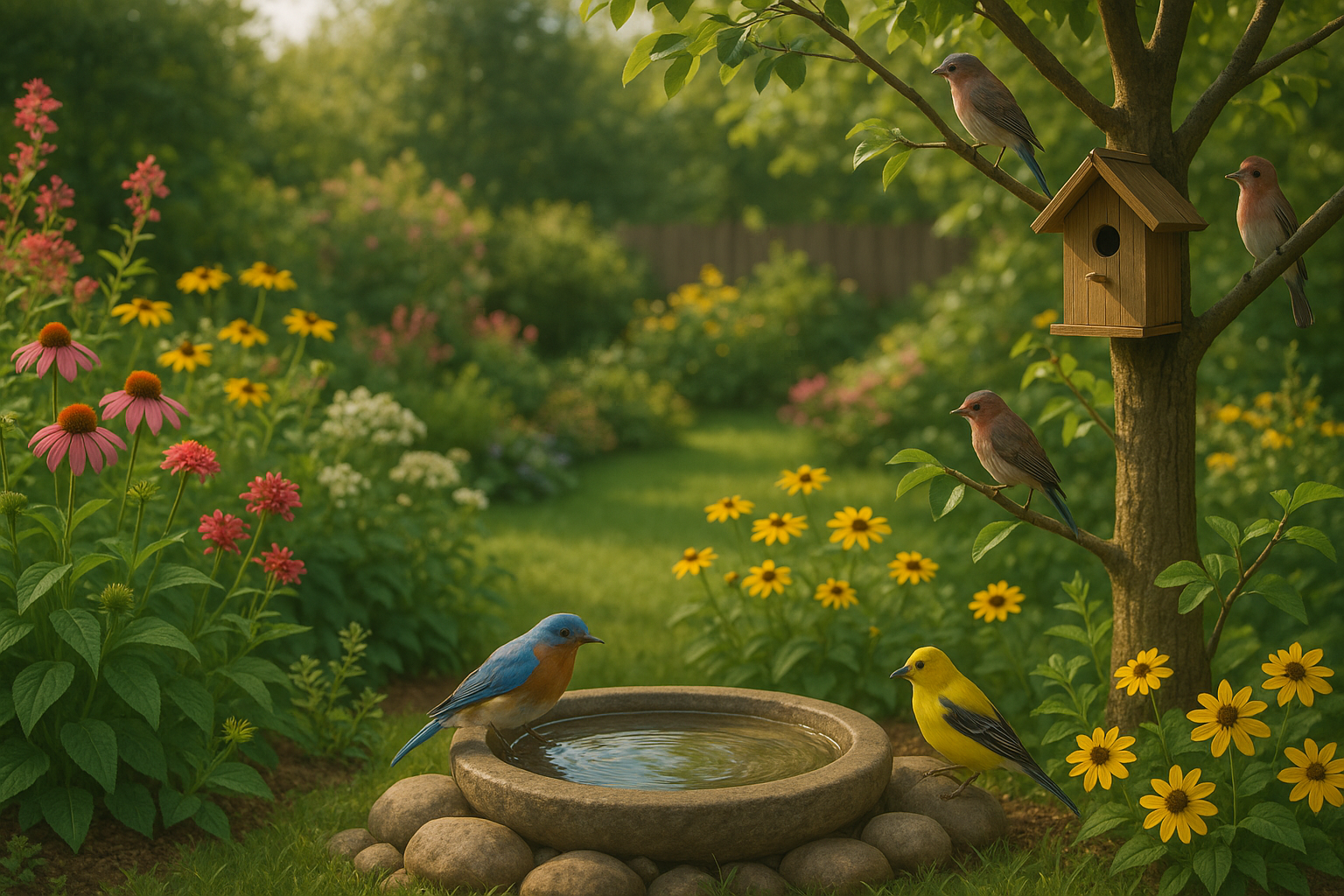
Do you want to turn your yard into a lively haven filled with colorful birds? How to Landscape to Attract Birds is easier than you think, and it brings endless joy right to your doorstep.
Imagine waking up to the cheerful songs of birds, watching them flutter from branch to branch, and feeling connected to nature every day. You’ll discover simple, effective ways to design your outdoor space that invite birds to visit and stay.
Keep reading, and you’ll learn how to create a beautiful, bird-friendly landscape that transforms your garden into a peaceful retreat.
Credit: prolandscapesmd.com
Choosing Bird-friendly Plants
Birds need food, shelter, and places to nest. Choosing the right plants helps attract many bird species. Pick plants that provide food and cover year-round.
Plants also offer safe spots for birds to hide from predators. Different plants support different types of birds. Use a mix of plants to support many birds.
Native Flowers And Shrubs
Native flowers and shrubs grow well in your area. They offer the right food and shelter for local birds. Native plants attract insects that birds eat.
Use a variety of native plants to provide food in different seasons. Shrubs also give birds places to build nests and hide.
- Black-eyed Susan
- Serviceberry
- Wild Indigo
- Red Osier Dogwood
Berry-producing Trees
Trees that produce berries feed many birds in fall and winter. Berries give energy and nutrients when insects are scarce. Plant trees that fruit at different times.
These trees also provide shelter and perches. Birds use branches to rest and watch for food or danger.
- Hawthorn
- Dogwood
- Mulberry
- Serviceberry
Nectar-rich Plants
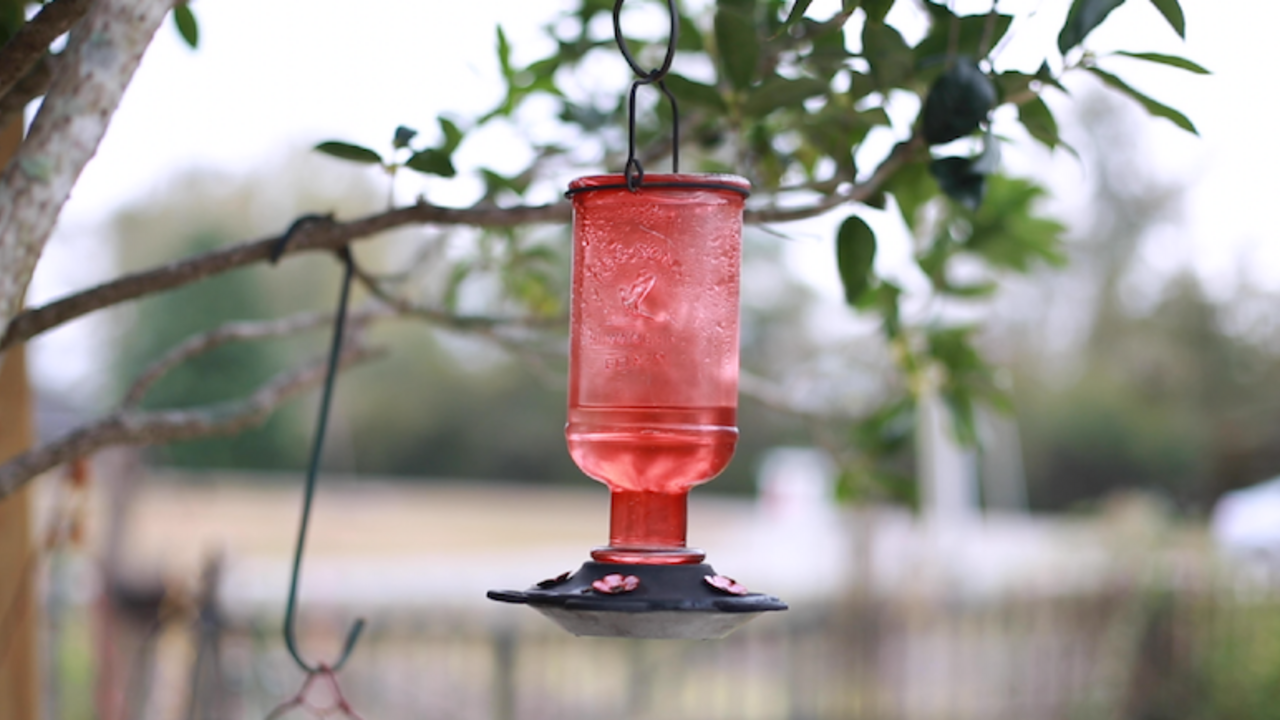
Nectar-rich plants attract hummingbirds and other nectar feeders. These plants bloom at different times, giving food all year. Bright colors like red and orange draw birds.
Plant flowers close together to make feeding easy. Nectar plants also support pollinators that some birds eat.
- Bee Balm
- Trumpet Vine
- Columbine
- Hummingbird Mint
Credit: extension.msstate.edu
Creating Water Features
Water features attract birds by providing them a place to drink and bathe. Birds need fresh water for hydration and cleaning their feathers. Adding water elements to your landscape helps create a bird-friendly environment.
Different types of water features appeal to different bird species. Small details like water movement and cleanliness make a big difference. This guide covers birdbaths, ponds, moving water, and water maintenance.
Birdbaths And Ponds
Birdbaths and ponds offer easy access to water for birds. Birdbaths should be shallow with sloped edges for safety. Ponds attract a wider variety of birds and can support plants and insects.
- Choose a birdbath with a rough surface to prevent slipping
- Place birdbaths near shrubs for cover and safety
- Keep pond edges shallow for small birds
- Add native aquatic plants to ponds to attract insects birds eat
Moving Water Elements
Moving water attracts birds because they like the sound and fresh feel. Fountains, drippers, and small waterfalls keep the water oxygenated and lively. These features can encourage birds to visit more often.
Types of moving water features to consider:
- Solar-powered fountains
- Drip systems with slow dripping water
- Small waterfalls with gentle flow
- Bubblers creating soft water bubbles
Maintaining Clean Water
Birds need clean water to stay healthy. Dirty water can spread diseases and keep birds away. Regular cleaning of birdbaths and ponds is essential.
| Maintenance Task | Frequency | Reason |
| Change water in birdbaths | Every 2-3 days | Prevent algae and mosquito growth |
| Scrub birdbaths | Weekly | Remove algae and dirt |
| Clean pond filters | Monthly | Keep water clear and healthy |
| Remove debris from ponds | Weekly | Prevent water contamination |
Providing Shelter And Nesting Spots
Birds need safe places to rest and build nests. Creating good shelter helps attract many types of birds to your yard. You can use natural and man-made options to provide these spots.
Giving birds places to hide from weather and predators makes your garden a bird-friendly space. Let’s explore some easy ways to offer shelter and nesting areas.
Natural Cover Options
Natural cover includes plants and features that birds use to feel safe. Shrubs, tall grasses, and dense plants give birds places to hide and rest. Native plants are best because local birds know them well.
- Shrubs with thick leaves provide great hiding spots.
- Tall grasses offer cover for ground-nesting birds.
- Evergreen bushes keep birds protected in winter.
- Plant a mix of sizes and types for diversity.
Birdhouses And Nest Boxes
Birdhouses and nest boxes give birds safe places to lay eggs. Different birds like different house shapes and sizes. You can buy or build houses to fit local bird species.
| Bird Species | House Size (inches) | Entrance Hole Diameter (inches) |
| Chickadee | 5 x 5 x 8 | 1 1/8 |
| Bluebird | 6 x 6 x 12 | 1 1/2 |
| Wrens | 4 x 4 x 8 | 1 |
| Nuthatch | 5 x 5 x 8 | 1 1/4 |
Place birdhouses 5 to 10 feet above the ground. Face the entrance away from strong wind. Keep houses clean to prevent disease.
Using Trees And Brush Piles
Trees provide natural homes and safety for many birds. Brush piles made of small branches give shelter from cold and predators. Both help birds feel secure near your home.
- Leave some dead branches on trees for nesting.
- Create brush piles in quiet corners of your yard.
- Use branches from pruning to build piles.
- Keep piles away from heavy foot traffic.
Designing Feeding Stations
Creating a feeding station helps attract birds to your yard. It gives birds a safe place to eat.
Good design includes picking feeders, food, and where to place them. These choices keep birds happy.
Types Of Bird Feeders
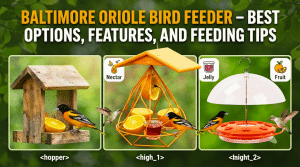
Different feeders attract different bird species. Choose feeders based on the birds you want to see.
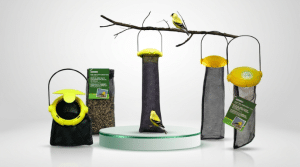
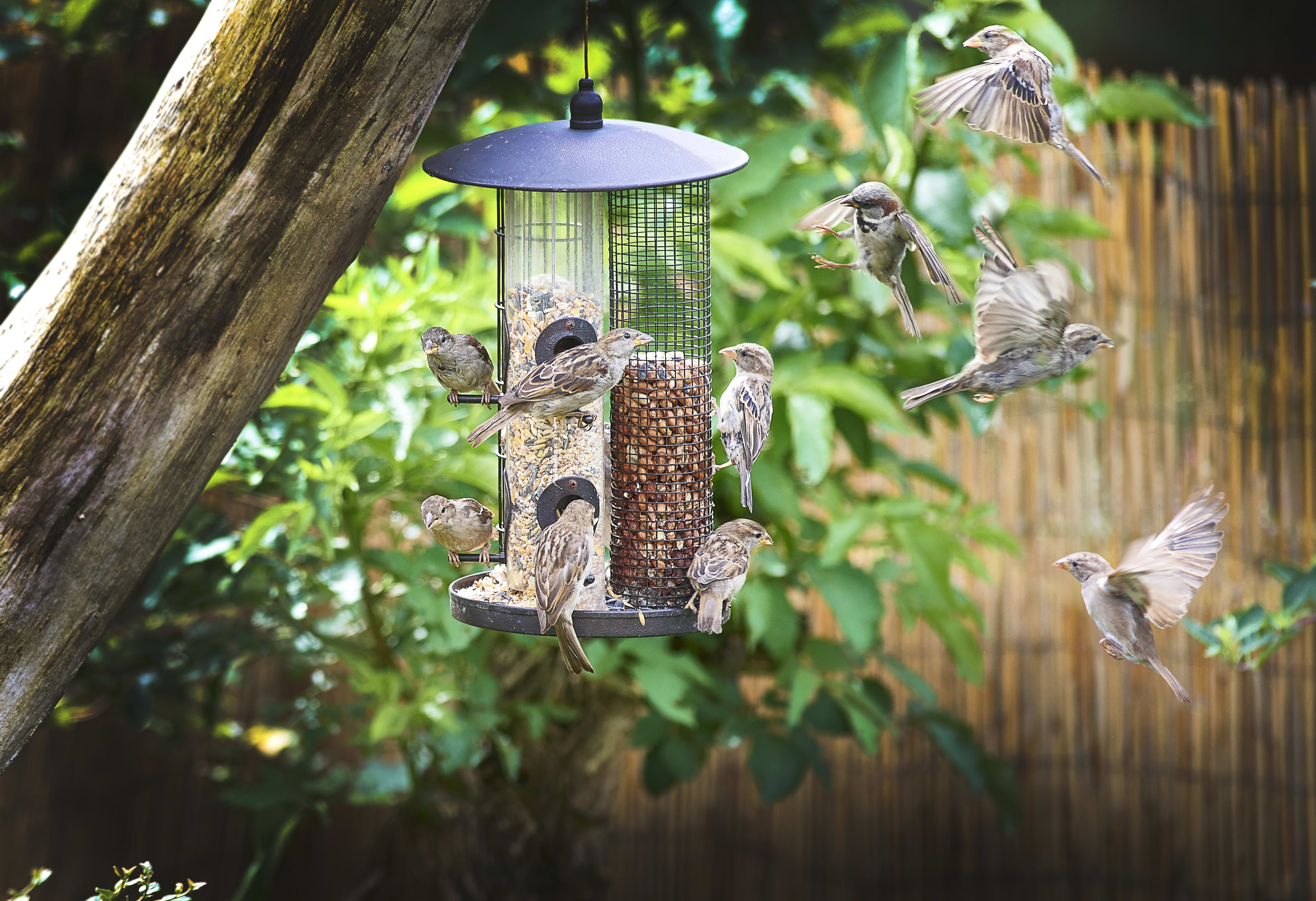
- Tube feeders hold seeds and attract small birds like finches.
- Platform feeders are flat and open, good for many bird types.
- Hopper feeders store food and keep it dry for longer.
- Suet feeders offer fat blocks that woodpeckers and nuthatches like.
- Nectar feeders attract hummingbirds with sweet liquid.
Choosing The Right Bird Food
Birds eat different foods. Pick food that suits the birds in your area.
Offering fresh, clean food helps keep birds healthy and coming back.
- Black oil sunflower seeds attract many bird types.
- Nyjer seed is small and loved by finches.
- Suet is high energy for woodpeckers in cold months.
- Mixed seed blends offer variety but watch for fillers.
- Nectar feeds hummingbirds with sugar water.
Safe Feeder Placement
Place feeders where birds feel safe from predators. Good spots encourage visits.
Keep feeders clean and away from windows to protect birds.
- Put feeders near shrubs or trees for quick cover.
- Keep feeders 3 feet away from glass to avoid collisions.
- Place feeders 5 feet off the ground to deter cats.
- Choose shady spots to keep food fresh longer.
- Keep a water source nearby to attract more birds.
Avoiding Harmful Practices
Landscaping to attract birds means creating a safe and welcoming space. Avoiding harmful practices helps protect birds and their homes.
Simple changes in your garden can keep birds healthy and happy. Learn ways to reduce risks for birds around your yard.
Minimizing Pesticide Use
Pesticides can poison birds and reduce the insects they eat. Use fewer chemicals to keep your garden safe for birds.
Choose natural ways to manage pests. Plant native flowers and herbs that repel bugs without harming wildlife.
- Use hand-picking or traps instead of sprays
- Encourage beneficial insects like ladybugs
- Apply organic pest control products if needed
Keeping Cats Indoors
Outdoor cats can hunt and scare birds in your garden. Keeping cats indoors reduces bird injuries and deaths.
Provide cats with toys and playtime inside. This keeps them happy without harming wildlife outside.
- Build a cat enclosure or “catio” for safe outdoor time
- Use collars with bells to warn birds
- Keep cats inside during early morning and evening
Preventing Window Collisions
Birds often fly into windows because they see reflections or clear views. This can cause serious injuries.
Make windows visible to birds by adding patterns or screens. This helps birds avoid flying into glass.
- Apply decals or stickers in a tight pattern
- Use window films that reduce reflections
- Place screens or netting outside windows
Seasonal Landscaping Tips
Landscaping to attract birds changes with the seasons. Each season offers different needs for food, shelter, and comfort.
Use the right plants and features to help birds stay safe and well-fed all year round.
Winter Food And Shelter
In winter, birds need food and shelter to survive cold and scarce conditions. Plant evergreens and leave seed heads on plants.
- Plant conifers and shrubs for shelter
- Leave dried seed heads for food
- Offer bird feeders with seeds and suet
- Provide brush piles for protection
- Keep water sources from freezing
Spring Planting Strategies
Spring is the best time to plant flowers and shrubs that attract insects and birds. Choose native plants for the best results.
| Plant Type | Benefits | Examples |
| Flowering Plants | Attract pollinators | Milkweed, Coneflower |
| Shrubs | Provide nesting sites | Dogwood, Serviceberry |
| Fruit-bearing Plants | Offer food | Blueberry, Elderberry |
Summer Water And Shade
In summer, birds need water and cool places to rest. Add water features and plant shade trees.
- Install shallow birdbaths or small ponds
- Keep water clean and fresh daily
- Plant large trees to create shade
- Use mulch to keep soil cool and moist
Encouraging Bird Diversity
Creating a garden that attracts many bird types helps nature thrive. Birds need food, shelter, and safe places to nest. Landscaping with these needs in mind can bring different birds to your yard.
Using smart planting and design ideas supports a variety of birds. This guide covers planting layers, habitat zones, and ways to attract specific birds.
Layered Planting Techniques
Layered planting means using plants of different heights and types. This creates food and cover for many bird species. Trees, shrubs, and ground plants work together to build a rich environment.
- Tall trees offer nesting sites and shade
- Medium shrubs provide berries and shelter
- Low ground plants supply seeds and insects
- Flowering plants attract insects for insect-eating birds
- Evergreens give year-round cover
Creating Different Habitat Zones
Birds like different habitats for feeding and nesting. Creating zones in your garden helps meet these needs. You can have wet areas, dry spots, and open spaces.
| Habitat Zone | Key Features | Bird Benefits |
| Wet Zone | Small pond or water source, aquatic plants | Drinking, bathing, attracts water birds |
| Woodland Zone | Mixed trees and shrubs, leaf litter | Nesting sites, food from insects and berries |
| Meadow Zone | Grasses and wildflowers | Seeds and insects for feeding |
| Open Zone | Clear areas with low plants | Ground feeding and sunning birds |
Attracting Specific Bird Species
Different birds prefer certain plants and habitats. Choose plants and features that match the species you want to see. Feeding stations and nest boxes also help.
- Use native berry bushes for thrushes and robins
- Plant sunflowers and seed-rich flowers for finches and sparrows
- Provide water and mud for hummingbirds and swallows
- Install nest boxes sized for bluebirds or wrens
- Grow nectar plants like bee balm for hummingbirds
Credit: dengarden.com
Frequently Asked Questions
What Plants Attract The Most Birds To A Garden?
Native plants with berries, seeds, and nectar attract birds. Examples include sunflowers, coneflowers, and dogwood trees. These provide natural food and shelter, making your garden bird-friendly.
How Can Water Features Help Attract Birds?
Birds need water for drinking and bathing. Adding a birdbath or small pond encourages birds to visit. Ensure water is clean and shallow for safety and usability.
What Types Of Feeders Are Best For Different Birds?
Tube feeders suit small songbirds, while platform feeders attract larger birds. Suet feeders are great for woodpeckers. Offering varied feeders helps attract a diverse bird population.
How Do Native Trees Support Bird Habitats?
Native trees offer natural food, nesting sites, and shelter. They support local insects, which birds eat. Planting native species boosts bird diversity and garden health.
Conclusion
Creating a bird-friendly garden is rewarding and simple. Native plants provide food and shelter. Water sources like birdbaths attract thirsty visitors. Avoid chemicals to keep birds safe. Trees and shrubs offer nesting spots. Add feeders for extra treats. Watch as your garden becomes lively with birds.
Enjoy their songs and colors. Small changes make a big difference. Start today and welcome nature’s beauty into your yard. Birds bring joy and life to any space. Your garden can be a haven for them. Just a few steps transform your landscape into a bird paradise.