Have you ever wanted to get closer to nature and attract birds with a simple whistle? Making your own bird call whistle is easier than you think, and it can turn your outdoor time into something truly magical.
Imagine the thrill of hearing birds respond to your calls, bringing life and sound to your surroundings. In this guide, you’ll discover step-by-step how to craft a bird call whistle using materials you probably already have. Ready to impress your friends and connect with nature like never before?
Keep reading, and you’ll be whistling like a pro in no time.
Credit: www.leoalmanac.org
Materials Needed
Making a bird call whistle is a fun and simple project. You need the right materials to create a clear sound.
This guide will help you pick the best materials for your bird call whistle.
Choosing The Right Wood
Wood is the main material for your bird call whistle. Choose a type that is easy to carve and sounds good.
Hardwoods like maple and cherry work well. They are strong and give a clear sound.
- Maple: smooth and easy to shape
- Cherry: strong and produces a nice tone
- Walnut: good for a deep sound
Other Essential Tools
You need some tools to make your whistle. These tools help shape and finish the wood properly.
Basic tools include a carving knife, sandpaper, and a drill or small file.
- Carving knife: to cut and shape the wood
- Sandpaper: to smooth rough edges
- Drill or small file: to create holes for sound
- Ruler and pencil: to measure and mark wood
Preparing The Wood
Preparing the wood is an important step in making a bird call whistle. Good preparation helps the whistle sound clear and work well.
Start with a small piece of soft wood like cedar or pine. These woods are easy to shape and produce nice sounds.
Cutting To Size
Cut the wood into a small block about 3 inches long. This size is easy to hold and makes a good whistle shape.
Use a saw to make straight cuts. Make sure the edges are even and smooth to avoid splinters.
- Measure 3 inches on the wood
- Use a fine-toothed saw for clean cuts
- Cut slowly to keep the wood from splitting
- Check the block is the right size before moving on
Smoothing The Surface
Use sandpaper to smooth all sides of the wood block. Smooth surfaces help the whistle look nice and feel good in your hand.
Start with coarse sandpaper and finish with fine grit for the best smoothness. Remove any rough spots or splinters carefully.
- Begin with 80-grit sandpaper to remove rough parts
- Use 120-grit to smooth the surface further
- Finish with 220-grit for a clean, smooth feel
- Wipe the wood clean before making the whistle
Carving The Whistle
Carving the bird call whistle is a fun and simple process. It needs careful shaping to make good sounds.
Using wood or a soft material works best. You will shape the mouthpiece and sound chamber carefully.
Shaping The Mouthpiece
The mouthpiece is where you blow air into the whistle. Shape it smooth and round for a good fit.
Carve a small opening at the tip. This helps control airflow and sound quality.
- Use a knife or small carving tool
- Make the edges smooth to avoid air leaks
- Test the fit by blowing gently
Creating The Sound Chamber
The sound chamber is the hollow part inside the whistle. It shapes the sound when air passes through.
Carefully hollow out the wood to create a small cavity. The size affects the pitch and tone.
- Make the chamber smooth inside
- Keep the walls thin but strong
- Test the sound and adjust if needed

Credit: www.amazon.co.uk
Tuning Your Whistle
Tuning your bird call whistle helps you get the perfect sound. Small changes make big differences in tone.
This guide shows how to adjust airflow and test sounds for better tuning.
Adjusting The Airflow
Airflow controls how loud and clear your whistle sounds. Try these tips to adjust it.
- Blow gently to get a soft, high-pitched sound
- Increase air pressure for louder, lower tones
- Move your lips closer or farther from the whistle
- Cover or uncover the whistle’s opening partially
- Practice steady breathing to keep airflow smooth
Testing Different Sounds
Try different whistle shapes and blowing styles to find unique bird calls.
| Whistle Shape | Sound Type | Blowing Style |
| Flat | Sharp and High | Short bursts |
| Rounded | Soft and Warm | Steady blow |
| Pointed | Quick Chirps | Fast puffs |
| Wide | Deep Calls | Strong breath |
Tips For Perfect Bird Calls
Making a bird call whistle is fun and can help you enjoy nature more. It takes practice to sound clear and true.
Try different techniques and listen carefully. This guide helps you improve your bird call skills.
Practicing Your Technique
Practice regularly to get the right pitch and rhythm. Use your lips and tongue to shape the sound.
- Start with short calls and slowly make them longer.
- Repeat the same call to build muscle memory.
- Record yourself to hear mistakes and progress.
- Practice in quiet places to focus better.
Common Mistakes To Avoid
Many beginners make easy mistakes that stop their calls from sounding right.
| Mistake | How to Fix |
| Blowing too hard | Use gentle breath to avoid harsh sounds. |
| Wrong lip position | Adjust lips to make a tight seal around the whistle. |
| Inconsistent timing | Practice steady rhythm with a metronome or tapping. |
| Not listening enough | Spend time hearing real bird calls for reference. |
Caring For Your Whistle
Taking care of your bird call whistle keeps it working well for a long time. Proper care helps keep the sound clear and strong.
Simple cleaning and smart storage protect your whistle from damage and dirt. This guide shares easy tips to care for your whistle.
Cleaning And Maintenance
Clean your whistle regularly to remove dirt and saliva. Use a soft cloth or brush to keep it clean without scratching.
If your whistle is made of wood, avoid soaking it in water. Instead, wipe it gently with a damp cloth and dry it fast.
- Use warm water and mild soap for plastic whistles
- Rinse well and dry completely before use
- Check for cracks or damage before each use
- Apply a small amount of oil on wooden whistles to prevent drying
Storage Recommendations
Store your whistle in a dry place away from direct sunlight. Heat and moisture can damage its material and sound quality.
Keep your whistle in a small box or pouch to protect it from dust and drops. Avoid placing heavy items on top of it.
- Use a soft pouch or case for storage
- Keep away from extreme temperatures
- Store in a place with good air circulation
- Do not leave the whistle in pockets with keys or coins

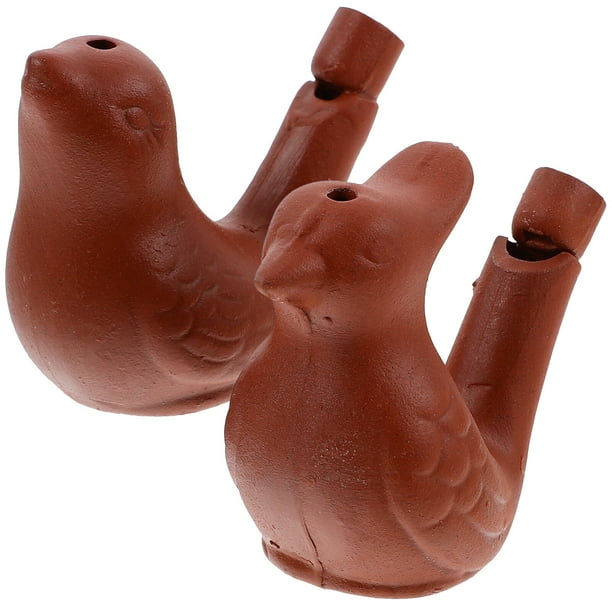
Credit: www.amazon.com
Frequently Asked Questions
How Do I Make A Simple Bird Call Whistle?
To make a simple bird call whistle, use a small piece of wood or plastic. Cut a notch on one side and blow across it. Adjust the size of the notch for different sounds. Practice blowing gently for clear bird-like whistles.
What Materials Are Best For Bird Call Whistles?
The best materials for bird call whistles are wood, plastic, or metal. Wood offers a natural sound, while plastic is easy to shape. Metal whistles are durable and produce sharp tones. Choose based on your skill and desired sound quality.
Can Beginners Easily Craft Bird Call Whistles?
Yes, beginners can easily craft bird call whistles. Start with simple designs like a notch on a stick. Use common tools and materials. Follow step-by-step instructions and practice blowing techniques to improve sound accuracy and clarity.
Why Use A Bird Call Whistle Outdoors?
Using a bird call whistle outdoors attracts birds for observation and photography. It helps communicate with local bird species safely. Bird calls can also assist in wildlife studies and enhance your outdoor experience by mimicking natural sounds.
Conclusion
Creating a bird call whistle can be both fun and rewarding. With practice, your skills will improve over time. Remember, patience is key. Start by choosing the right materials. Follow the steps carefully. Enjoy the process and listen to nature’s symphony.
Share your new skill with friends and family. They might want to join in too. Practice regularly to perfect your whistle sound. Soon, you’ll mimic bird calls with ease. So, grab your materials and start today. Happy whistling!