Do you want to attract more colorful birds to your garden? Making a bird fruit feeder is easier than you think, and it’s a fun way to bring nature closer to your home.
Imagine watching beautiful birds enjoy fresh fruit you’ve put out just for them. In this guide, you’ll discover simple steps to create your own feeder using everyday items. Keep reading to find out how you can turn your outdoor space into a lively haven for birds—and enjoy the peaceful moments they bring.
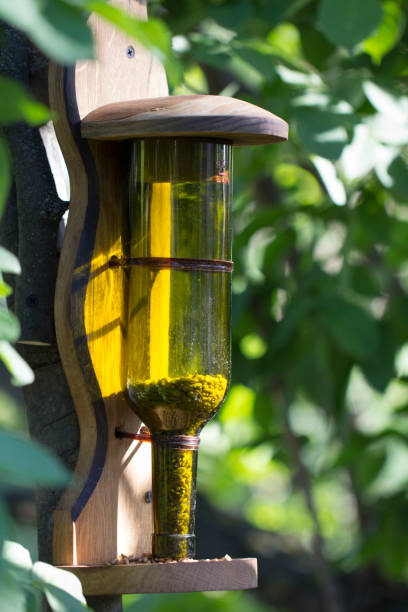
Credit: www.waresofknutsford.co.uk
Choosing The Right Fruit
Feeding birds with fruit is a great way to help them. Not all fruits are safe or tasty for birds.
Picking the right fruit keeps birds healthy and happy at your feeder.
Best Fruits For Birds
Many fruits provide good nutrition for birds. Choose fruits that are easy to eat and safe for them.
- Apples (remove seeds)
- Bananas
- Blueberries
- Grapes
- Oranges (peeled)
- Strawberries
- Melons
- Peaches (without pit)
Always cut fruit into small pieces to help birds eat easily.
Avoiding Harmful Options
Some fruits can hurt birds or make them sick. Do not feed these fruits to birds.
- Avocado – very toxic to birds
- Rhubarb – leaves and fruit are poisonous
- Unripe or green fruit – can cause stomach problems
- Fruit with seeds or pits – may block birds’ digestion
- Fruit treated with pesticides – always wash fruit well
Check fruit carefully before offering it to birds. Clean fruit helps keep birds safe.
Gathering Materials
Making a bird fruit feeder is a fun and simple project. It needs some basic materials and tools.
Collecting the right supplies helps keep birds safe and makes your feeder last longer.
Essential Tools
Using the right tools makes building easier and safer. You will need some basic items.
- Scissors or craft knife for cutting materials
- Hot glue gun or strong non-toxic glue
- Small drill or awl for making holes
- Measuring tape or ruler to get correct sizes
- Paintbrush if you want to decorate the feeder
Safe And Eco-friendly Supplies
Use natural and safe materials to protect birds and the environment. Avoid plastics that can harm wildlife.
Here are some good choices for your bird fruit feeder:
- Untreated wood or bamboo for the feeder base
- Natural fibers like jute or cotton for hanging ropes
- Fresh fruit pieces like apple slices or berries
- Recycled paper or cardboard for decoration
- Non-toxic paint or sealant if needed
Preparing The Feeder Base
Making a bird fruit feeder starts with a strong and safe base. This base holds the fruit and keeps birds comfortable while they eat. Preparing it well is key to a good feeder.
Two important parts of preparing the feeder base are selecting the right container and cleaning it properly. Each step helps create a safe place for birds.
Selecting A Container
Choose a container that can hold fruit securely. It should be easy to clean and safe for birds. Look for containers made of natural or non-toxic materials.
- Wooden bowls or trays work well for natural feeders.
- Plastic containers should be sturdy and BPA-free.
- Metal containers must not have sharp edges.
- Choose a size that fits the fruit pieces you want to use.
Cleaning And Prepping
Cleaning the container removes dirt and harmful germs. This step keeps birds healthy and stops mold from growing on the fruit.
| Cleaning Step | Details |
| Wash with soap | Use mild dish soap and warm water |
| Rinse well | Remove all soap to avoid residue |
| Disinfect | Use a solution of 1 part vinegar to 3 parts water |
| Dry | Air dry completely before use |
Assembling The Feeder
Assembling your bird fruit feeder is a simple and fun task. You will put together the parts to make a safe place for birds to eat.
Careful assembly helps keep the feeder sturdy and easy to hang in your garden or yard.
Attaching Fruit Holders
Fruit holders are important to keep the fruit in place. You can use small containers or trays for this purpose.
Attach the holders securely to the base of the feeder. Use screws or strong glue for a steady hold.
- Choose holders that fit bird fruit sizes
- Place holders where birds can easily reach
- Ensure holders drain water to keep fruit fresh
Creating Hanging Mechanism
A good hanging mechanism keeps the feeder stable and safe from strong winds. Use a strong wire, rope, or chain.
Attach the hanging material to the top of the feeder. Make sure it is balanced so the feeder hangs straight.
- Use durable materials to hold the feeder’s weight
- Secure knots or fasteners tightly
- Check the hanging mechanism regularly for wear
Placing Your Feeder
Placing your bird fruit feeder in the right spot helps attract birds. It also keeps them safe and comfortable.
Think about the best location before hanging or setting up your feeder.
Choosing The Location
Pick a spot where birds can easily see and reach the feeder. Look for a quiet area with some shade.
Place the feeder near trees or bushes. Birds use these for rest and protection.
- Choose a place visible from your window
- Keep it away from busy paths or loud areas
- Select a spot with some natural cover
- Make sure it is easy to refill and clean
Ensuring Bird Safety
Keep your feeder away from places where cats or other animals can reach it. Birds need a safe space to eat.
Avoid placing feeders too close to windows to prevent bird collisions. Use decals or move the feeder if needed.
- Place feeder at least 5 feet above the ground
- Keep feeder 10 feet away from windows
- Clear nearby branches where predators can hide
- Check feeder often for damage or dirt
Maintaining The Feeder
Keeping your bird fruit feeder clean and fresh helps birds stay healthy. Regular care also keeps the feeder looking good longer.
Here are some tips on cleaning and replacing fruit to maintain your feeder well.
Regular Cleaning Tips
Cleaning the feeder often stops mold and bacteria from growing. This protects birds from illness.
- Remove leftover fruit daily to avoid spoilage.
- Wash the feeder with warm water and mild soap weekly.
- Use a soft brush to clean hard-to-reach spots.
- Rinse well to remove all soap before refilling.
- Let the feeder dry completely before adding fruit again.
Replacing Fruit
Fresh fruit attracts birds and gives them good nutrition. Replace old fruit often to keep it fresh and safe.
| Fruit Type | Replacement Frequency |
| Apples | Every 2 days |
| Bananas | Every day |
| Grapes | Every 2 days |
| Berries | Daily |
| Oranges | Every 3 days |
Attracting More Birds
Creating a bird fruit feeder is a great way to invite more birds to your yard. Birds are drawn by food, water, and natural scents. Using simple tips can make your feeder a favorite spot.
This guide shows how adding water sources and natural bird attractants helps bring more birds to your feeder. Both make your garden a safe and welcoming place for birds.
Adding Water Sources
Birds need water for drinking and bathing. Adding water near your fruit feeder helps attract more birds. A small birdbath or a shallow dish with fresh water works well.
- Place water dishes in open areas for safety
- Keep water clean and change it often
- Use a shallow dish to prevent drowning
- Add stones or twigs for birds to perch on
- Consider a dripper or fountain for moving water
Using Natural Bird Attractants
Natural bird attractants include plants and foods that birds love. Using these around your feeder can encourage more visits. Fruits, seeds, and flowers work well to draw birds.
| Attractant | Type | Why Birds Like It |
| Sunflower Seeds | Seed | High energy, easy to eat |
| Berry Bushes | Plant | Provides natural food and shelter |
| Oranges | Fruit | Sweet smell and taste |
| Hummingbird Flowers | Plant | Bright colors attract hummingbirds |
| Suet Cakes | Food | Rich in fat for energy |
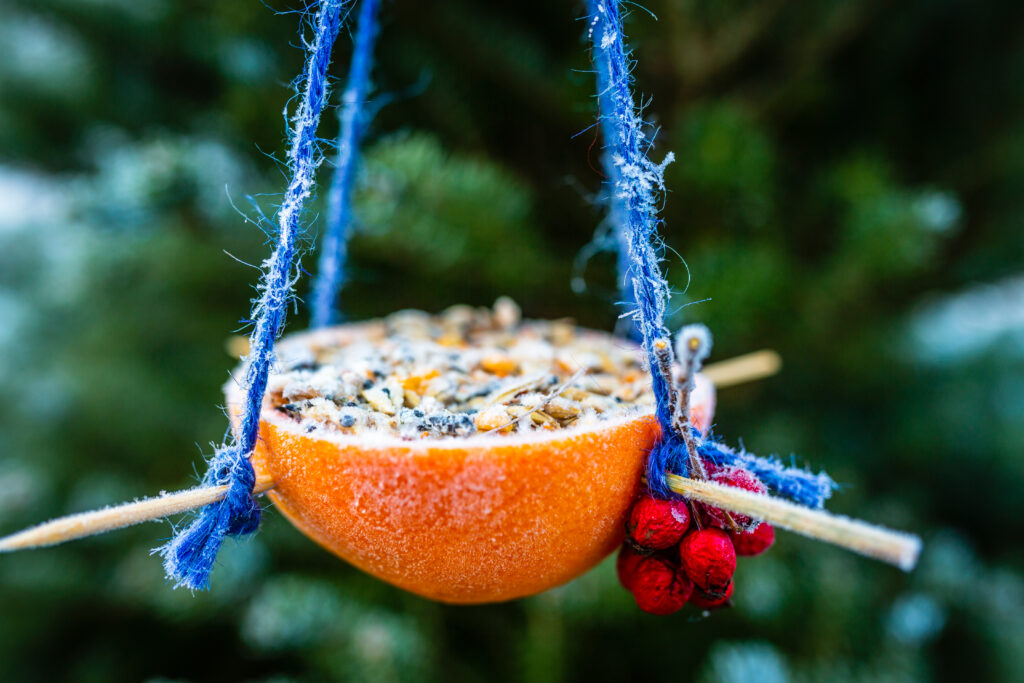
Credit: tagawagardens.com
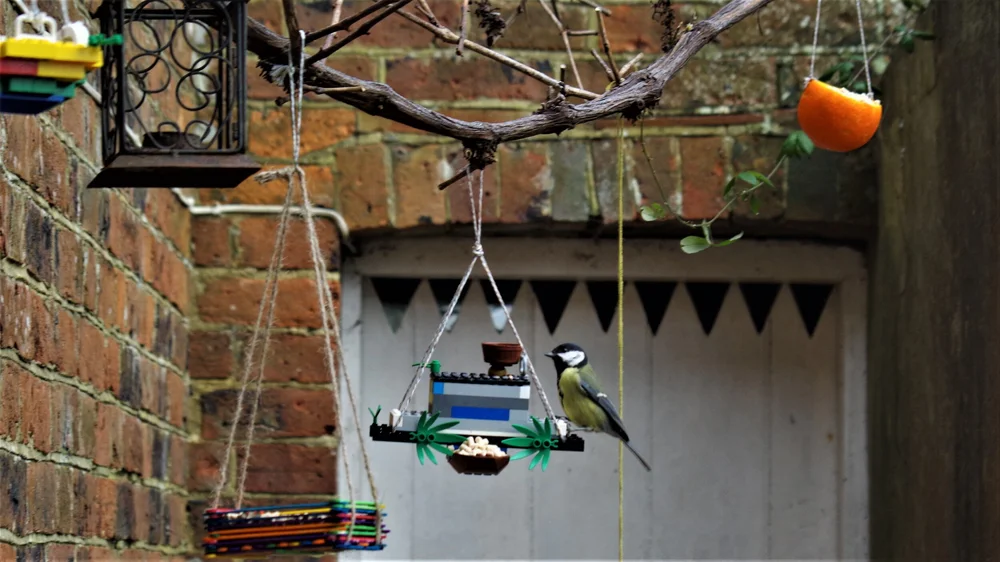
Credit: www.naturenurturesussex.com
Frequently Asked Questions
What Materials Do I Need To Make A Bird Fruit Feeder?
You need fresh fruits, a sharp knife, string or wire, a spoon, and a sturdy base. Choose fruits like oranges or apples. These materials are easy to find and safe for birds. Using natural items helps attract more birds to your feeder.
How Do I Safely Prepare Fruit For Bird Feeders?
Wash fruits thoroughly to remove pesticides. Cut them into small, manageable pieces. Avoid seeds or pits that can harm birds. Always use clean tools and surfaces to prevent contamination. Proper preparation ensures birds enjoy fresh, safe food.
Where Is The Best Place To Hang A Fruit Feeder?
Hang the feeder in a shaded, quiet spot away from predators. Choose a visible location for easy bird watching. Ensure it's high enough to prevent cats or squirrels from reaching it. Proper placement helps attract more birds and keeps them safe.
How Often Should I Refill The Fruit Feeder?
Refill the feeder every 2 to 3 days, or when fruits look spoiled. Remove old or moldy fruit promptly. Frequent refilling ensures birds have access to fresh food. It also prevents attracting unwanted pests and keeps the feeder clean.
Conclusion
Creating a bird fruit feeder is simple and rewarding. It brings nature closer to your home. Birds enjoy fresh fruits, and you enjoy their visits. Gather a few materials, and you're ready. Follow easy steps to build your feeder. Watch the birds flock to it joyfully.
Enjoy their vibrant colors and cheerful songs. A bird feeder not only feeds birds but also brightens your day. Plus, it helps local bird populations thrive. Start today and experience nature's beauty in your backyard. A small step with big rewards.
Happy bird watching!