
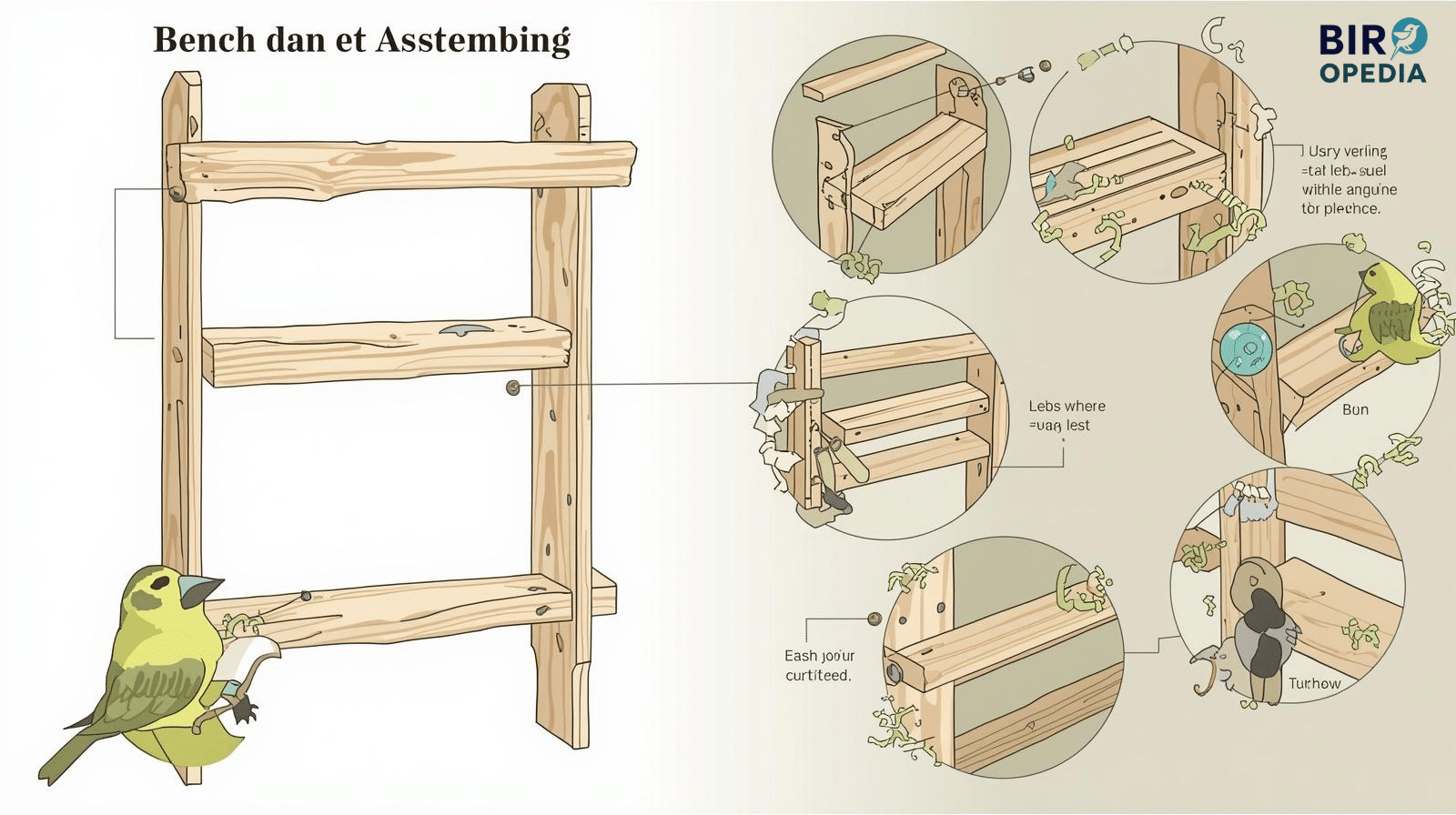
How to Make a Bird Perch Stand Step by Step
Are you looking for a simple way to give your feathered friend a cozy place to rest? Making a bird perch stand can be easier than you think, and it’s a great way to keep your bird happy and comfortable.
In this guide, you’ll discover easy steps to create a sturdy, safe perch using materials you probably already have. Whether you’re a beginner or just want a quick project, this article will show you how to build a perfect perch stand your bird will love.
Keep reading, and you’ll have a beautiful perch ready in no time!
Materials Needed
Building a bird perch stand requires the right materials for strength and safety. Choosing good quality wood and tools helps create a sturdy perch.
This guide covers the wood, tools, and extra supplies needed to make a simple bird perch stand at home.
Wood Selection
Select wood that is safe and durable for birds. Avoid treated or painted wood because it can harm birds.
- Hardwoods like maple, oak, or birch are good choices
- Softwoods such as pine can be used but must be untreated
- Ensure the wood is smooth and free from splinters
- Around 1 to 1.5 inches thick for the perch rods is ideal
- Base wood should be thicker for stability
Tools Required
Use proper tools to cut and assemble the wood pieces safely and accurately.
| Tool | Purpose |
| Hand Saw or Circular Saw | Cut wood to desired lengths |
| Drill | Make holes for screws and perch rods |
| Screwdriver | Tighten screws securely |
| Sandpaper | Smooth edges and surfaces |
| Measuring Tape | Measure wood pieces accurately |
| Clamps | Hold wood steady during assembly |
Additional Supplies
You will need some extra materials to finish the perch stand and keep it safe for birds.
- Wood screws to join the parts
- Non-toxic wood glue for extra strength
- Bird-safe finish or sealant for protection
- Rubber or felt pads for the base to avoid floor scratches
- Optional: rope or sisal to add texture for birds to grip

Credit: www.reddit.com
Choosing The Right Design
Picking the right bird perch stand design is important for your bird’s comfort and safety. The design affects how your bird will use the stand daily.
Different designs suit different bird types and spaces. Understanding simple and complex stands helps you make a better choice.
Simple Vs. Complex Stands
Simple stands usually have one or two perches and take up little space. They are easy to build and clean. Complex stands have multiple levels and accessories. These offer more activity options for your bird.
- Simple stands are good for small spaces and single birds.
- Complex stands suit active birds that need variety.
- Complex stands may include swings, ladders, and toys.
- Simple stands are easier to move and maintain.
Consider Bird Size And Safety
Bird size affects the perch diameter and height. Safety means avoiding sharp edges and toxic materials. Choose sturdy materials to prevent tipping.
| Bird Size | Perch Diameter | Stand Height | Material |
| Small (Finches, Canaries) | 0.5 to 0.75 inches | 12 to 18 inches | Wood or plastic |
| Medium (Parakeets, Cockatiels) | 0.75 to 1 inch | 18 to 24 inches | Wood or metal |
| Large (Conures, Amazons) | 1 to 1.5 inches | 24 to 36 inches | Metal or hardwood |
Preparing The Wood
Preparing the wood is an important part of making a bird perch stand. It makes sure the wood is safe and sturdy.
Good preparation helps the perch last longer and keeps your bird comfortable.
Measuring And Cutting
Measure the wood carefully to fit your bird’s size and space. Use a tape measure for accuracy.
Mark the wood clearly before cutting. Cut straight lines for a clean look and strong stand.
- Use a pencil to mark the wood
- Double-check measurements before cutting
- Use a saw suitable for the wood type
- Wear safety glasses while cutting
Sanding For Smoothness
Sanding removes rough edges and splinters from the wood. This keeps your bird safe from injury.
Start with coarse sandpaper and finish with fine grit for a smooth surface.
- Sand all sides and edges evenly
- Use a sanding block for better control
- Check for rough spots by feeling the wood
- Wipe dust off with a dry cloth after sanding
Assembling The Stand
Building a bird perch stand needs careful assembly. Each part must fit well to keep birds safe.
Follow these steps to put the stand together. It will help your birds enjoy their new perch.
Attaching The Base
Start by fixing the base to the main support. The base holds the whole stand steady.
Use screws or nails to secure the base tightly. Make sure it lies flat on the floor.
- Choose a wide, heavy base for balance
- Check that the base is level before attaching
- Tighten screws to avoid wobbling
Fixing The Perch
Attach the perch to the top of the stand. The perch is where birds will rest.
Secure the perch with screws or brackets. Make sure it is smooth and free of sharp edges.
- Place the perch at a comfortable height
- Use sandpaper to smooth rough spots
- Check that the perch is level and steady
Ensuring Stability
Check the whole stand for balance and strength. A stable stand keeps birds safe and happy.
Test the stand by gently pushing it. If it moves, tighten connections or add weight to the base.
- Tighten all screws and bolts securely
- Add rubber pads under the base to prevent slipping
- Use heavier wood or weights to improve stability
Finishing Touches
Adding the final details makes your bird perch stand safe and attractive. These touches protect the wood and invite your bird to enjoy its new spot.
Focus on using safe materials and adding fun elements. This helps create a cozy and healthy environment for your bird.
Non-toxic Paints And Sealants
Choose paints and sealants that do not harm birds. Birds can be sensitive to chemicals, so pick products labeled as non-toxic and safe for pets.
- Use water-based paints that are free from harmful fumes.
- Select sealants that are odorless and safe for wood used in pet items.
- Apply thin coats to avoid peeling and cracking.
- Let the perch dry fully before letting your bird use it.
- Avoid spray paints or finishes that contain solvents.
Adding Accessories
Accessories make the perch more fun and useful. You can add toys or comfort items to keep your bird entertained and happy.
| Accessory | Description | Benefits |
| Bird-safe toys | Wooden or rope toys made for birds | Encourage play and exercise |
| Food cup holder | Small holder for food or water cups | Convenient feeding area |
| Comfort mat | Soft, washable mat for the base | Provides a cozy spot to rest |
| Mirror | Small bird-safe mirror attached safely | Stimulates curiosity and interaction |
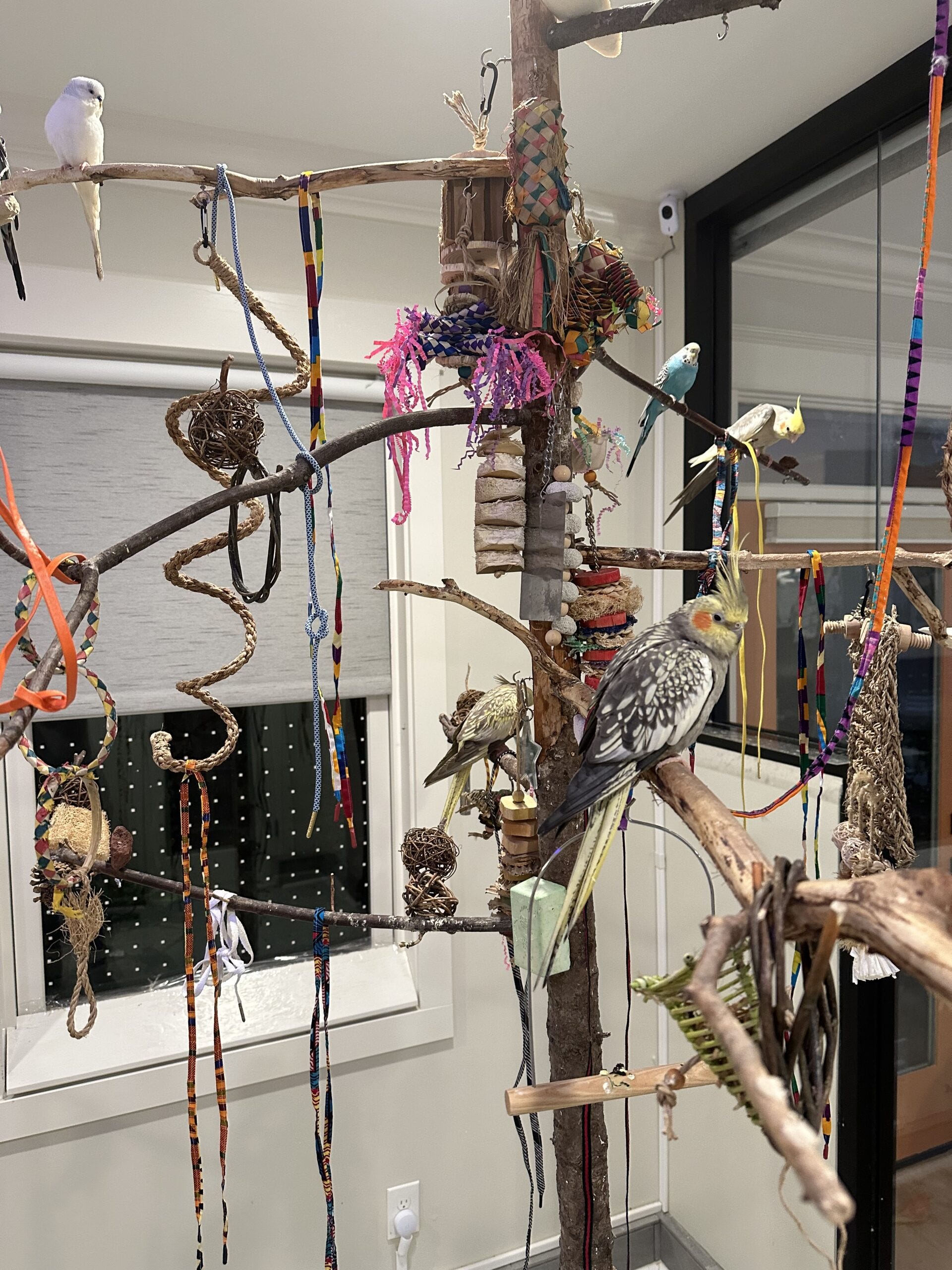
Credit: freerangeparrots.org
Maintenance Tips
Keeping your bird perch stand clean and safe helps your bird stay healthy. Regular care extends the life of the perch.
Check the perch often to spot any problems early. Simple maintenance makes a big difference.
Cleaning The Perch
Clean the perch at least once a week to remove dirt and droppings. Use warm water and mild soap for cleaning.
Rinse well to remove soap residue. Dry the perch completely before letting your bird use it again.
- Remove the perch from the cage or stand
- Use a soft brush to scrub the surface
- Rinse with clean water
- Let it air dry fully
Inspecting For Wear And Tear
Look at the perch for cracks, splinters, or loose parts. These can hurt your bird’s feet or cause accidents.
Fix or replace the perch if you find damage. Regular inspection keeps your bird safe and comfortable.
- Check wood for cracks or splinters
- Ensure screws or nails are tight
- Look for worn or slippery surfaces
- Replace perch if it shows serious damage
Frequently Asked Questions
What Materials Do I Need to Make a Bird Perch Stand?
You need wood, screws, sandpaper, drill, and non-toxic paint. Choose bird-safe wood like pine or cedar. These materials ensure durability and safety for your bird.
How Do I Ensure the Perch Is Safe for Birds?
Use untreated, smooth wood to avoid splinters. Sand all edges and avoid toxic paints. Ensure the stand is stable to prevent tipping.
What Size Should a Bird Perch Stand Be?
The perch diameter should fit your bird’s feet comfortably. Usually, 1-2 inches diameter suits small to medium birds. Height depends on your bird’s size and cage.
Can I Make a Bird Perch Stand Without Special Tools?
Yes, basic tools like a handsaw, drill, and sandpaper suffice. Avoid complicated tools for a simple, safe bird perch stand.
Conclusion
Creating a bird perch stand is both fun and rewarding. With simple tools and materials, you can provide a cozy spot for your feathered friend. Remember, safety is key. Use non-toxic materials to ensure your bird’s health. Customize the perch to fit your bird’s size and needs.
A well-made perch can enhance your bird’s happiness and well-being. Enjoy the process and bond with your bird during the project. Whether for small or large birds, these stands can be a wonderful addition to your pet’s home. Start crafting today and see the joy it brings!



