How to Make a Bird Perch Safely and Naturally
Are you looking for a simple way to make your bird feel right at home? Creating a bird perch is easier than you think, and it can make a big difference in your feathered friend’s happiness.
In this article on how to make a bird perch, we will explore various options that ensure your birds are happy and healthy.
Whether you want to give your pet bird a comfy spot or attract wild birds to your garden, this guide will walk you through every step. By the end, you’ll have a sturdy, safe perch that your birds will love.
Creating a bird perch is not only beneficial for your pet but also a fun DIY project. Let’s dive into how to make a bird perch that suits your needs.
Keep reading to discover how you can make a bird perch with just a few materials and easy steps—your birds will thank you!
This guide on how to make a bird perch will help you choose safe materials and designs that your avian friends will enjoy.
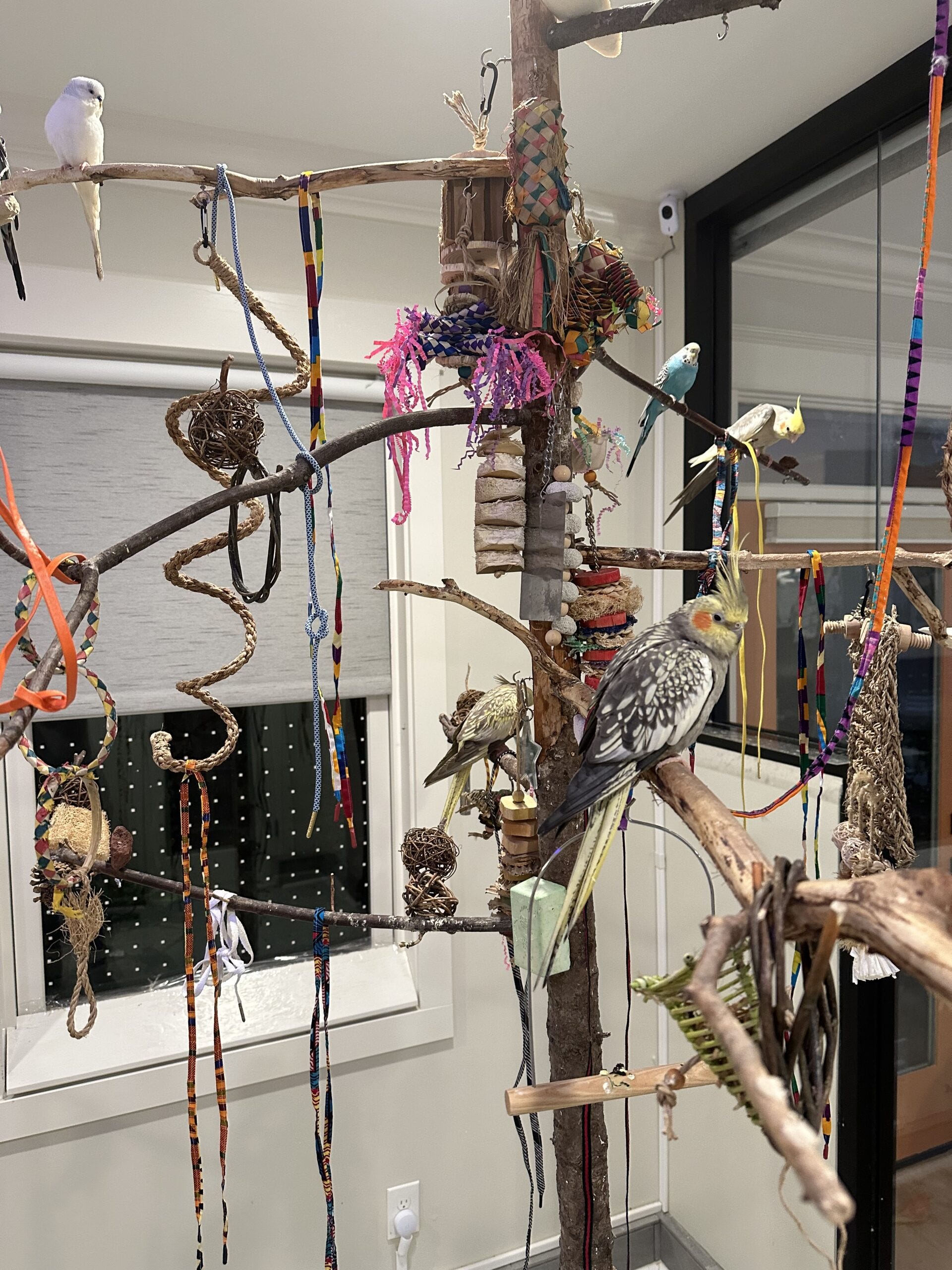
Credit: freerangeparrots.org
Choosing The Right Materials
When considering how to make a bird perch, selecting the right materials is critical for ensuring the safety of your birds.
Picking the right materials is key to making a safe bird perch. Birds need strong and non-toxic materials to stay healthy.
This guide explains safe wood choices, avoiding harmful chemicals, and the tools you will need.
Understanding how to make a bird perch involves knowing safe wood choices to keep your birds safe.
Safe Wood Options
Using safe wood types prevents harm to your birds. Avoid woods that are soft or toxic.
- Hardwoods like maple, oak, and birch are good.
- When learning how to make a bird perch, prioritize hardwoods like maple, oak, and birch.
- Fruit tree wood such as apple or pear is safe and natural.
- Avoid cedar and pine wood because their oils can hurt birds.
- Do not use treated or painted wood.
Avoiding Harmful Chemicals
Natural finishes are essential when you think about how to make a bird perch that is safe for your pet.
Birds are sensitive to many chemicals. Use only natural or bird-safe finishes.
| Chemical Type | Risk to Birds |
| Paints | Can cause poisoning and breathing problems |
| Wood preservatives | Often toxic and should be avoided |
| Varnishes | May release harmful fumes |
| Natural oils (e.g., olive oil) | Safe for coating and polishing |
Tools Needed
The tools you need to consider when learning how to make a bird perch include a handsaw and sandpaper.
Gathering the right tools helps you build the perch safely and neatly.
- Handsaw or pruning saw for cutting wood
- Sandpaper or sanding block to smooth edges
- Drill for making holes if needed
- Measuring tape or ruler for accurate cuts
- Bird-safe glue or screws for assembly
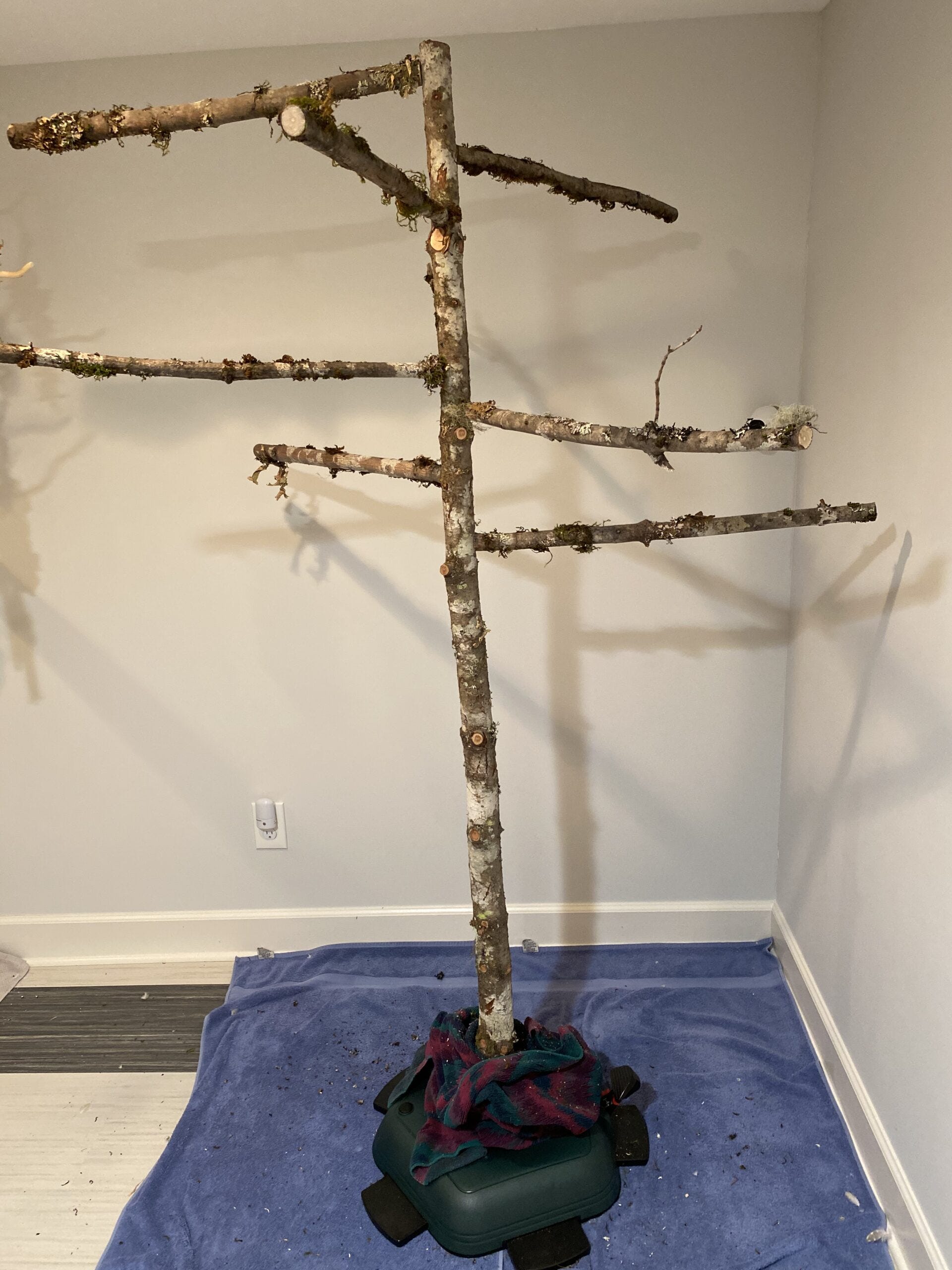
Credit: freerangeparrots.org
Selecting The Best Perch Design
Choosing the right bird perch helps keep your pet comfortable and healthy. The design affects how birds grip and rest.
Choosing the right design is fundamental to successful completion when you are figuring out how to make a bird perch.
Consider the shape, size, and surface texture to find the best perch for your bird’s needs.
Round Vs. Flat Perches
Round perches allow birds to wrap their toes easily. Flat perches give more foot support but less grip.
- Round perches help exercise bird feet.
- Flat perches reduce pressure on foot pads.
- Mixing both types can prevent foot problems.
Size Matters
The perch diameter should match your bird’s foot size. Too big or small can cause discomfort or injury.
When determining how to make a bird perch, remember that the diameter must match your bird’s foot size.
| Bird Type | Recommended Perch Diameter |
| Small Birds (e.g., Budgies) | 0.5 to 0.75 inches (1.3 to 2 cm) |
| Medium Birds (e.g., Cockatiels) | 0.75 to 1 inch (2 to 2.5 cm) |
| Large Birds (e.g., Parrots) | 1 to 1.5 inches (2.5 to 3.8 cm) |
Textured Vs. Smooth Surfaces
Textured perches give birds a better grip and help keep nails trimmed naturally. Smooth perches feel softer but may cause slipping.
Textured surfaces enhance grip when you are considering how to make a bird perch that is functional.
- Textured surfaces improve foot health.
- Smooth surfaces suit resting areas.
- Offer a variety to keep feet healthy.
Step-by-step Building Process
Building a bird perch is a simple and fun project. It gives birds a safe place to rest and play. Follow these easy steps to make your own bird perch.
Let’s look into the step-by-step details of how to make a bird perch that will last.
This guide covers measuring and cutting wood, sanding for safety, and assembly techniques. Each part will help you build a strong and smooth perch.
Measuring And Cutting Wood
Start by choosing the right wood. Measure the pieces carefully to fit your bird’s size. Use a ruler or tape measure for accuracy. Mark the wood with a pencil before cutting.
Measuring accurately is crucial when you are on the task of how to make a bird perch.
- Measure the perch rod length (usually 12 inches).
- Cut a base board about 8 by 8 inches.
- Cut two side supports, each 6 inches long.
- Double-check all measurements before cutting.
Sanding For Safety
Sanding smooths rough edges and removes splinters. This step keeps birds safe from injuries. Use fine-grit sandpaper and sand all surfaces well.
Sanding is an important part of how to make a bird perch that is safe for your feathered friends.
- Sand the perch rod evenly all around.
- Smooth the edges of the base board.
- Sand side supports until no splinters remain.
- Wipe away dust with a clean cloth after sanding.
Assembly Techniques
Join the parts firmly to build a sturdy perch. Use wood glue and screws for strong bonds. Align pieces carefully before fixing them together.
Proper assembly techniques are vital for anyone learning how to make a bird perch.
| Part | Attachment Method | Notes |
| Perch rod to side supports | Wood glue + screws | Keep rod level |
| Side supports to base board | Wood glue + screws | Ensure supports are vertical |
| Base board | Flat surface | Check stability |
Finishing Touches
Finally, the finishing touches on how to make a bird perch will ensure it’s both safe and attractive.
Adding finishing touches to your bird perch makes it safe and attractive. These steps help protect the wood and keep your bird comfortable. A few simple methods improve the perch’s look and durability.
Follow the tips below on natural treatments, mounting options, and regular maintenance. These ideas ensure your perch lasts longer and stays bird-friendly.
Natural Treatments
Use natural oils and finishes to protect the wood without harming birds. Avoid chemicals that could be toxic. Natural treatments keep the perch smooth and prevent cracking.
- Apply food-grade mineral oil to seal the wood
- Use beeswax for a gentle, protective coating
- Consider coconut oil for a natural shine
- Let the perch dry completely before use
Mounting Options
Choose a secure way to fix the perch in place. The right mounting keeps the perch stable and safe for your bird. Different methods suit various cage types and spaces.
| Mount Type | Description | Best For |
| Screw Clamp | Clamps perch to cage bars firmly | Metal cages |
| Zip Ties | Easy to attach and adjust | Temporary or light use |
| Bracket Mount | Supports heavier perches securely | Wooden aviaries |
| Adhesive Pads | Quick stick but less durable | Small cages |
Regular Maintenance Tips
Keep your bird perch clean and safe with regular care. Check for damage and clean the surface often. This helps avoid germs and keeps the perch strong.
Regular maintenance is also a key consideration in how to make a bird perch that will last.
- Wipe perch weekly with mild soap and water
- Inspect for cracks or splinters monthly
- Reapply natural oil treatments every 3 months
- Replace perch if it shows excessive wear
Troubleshooting Common Issues
Being aware of common issues can help you understand how to make a bird perch that is truly functional.
Building a bird perch can be simple, but some problems may arise. These issues can make the perch unsafe or uncomfortable for your bird.
Knowing how to fix these issues helps keep your bird happy and healthy. Here are tips to solve common problems when making a bird perch.
Preventing Splinters
Splinters can hurt your bird’s feet and cause infections. Use smooth wood with no rough spots to avoid splinters.
Avoiding splinters is crucial when thinking about how to make a bird perch safely.
Sand the wood well before assembling the perch. Check often and replace the perch if splinters appear.
- Choose hardwood like maple or oak
- Sand with fine-grit sandpaper until smooth
- Inspect the perch weekly for rough areas
- Replace or re-sand if splinters show
Avoiding Perch Wear
Birds often chew and scratch their perches. This wears down the wood and makes the perch unsafe.
Use durable wood and rotate perches regularly. This helps spread out wear and keeps the perch strong longer.
Ensuring stability is another important aspect of how to make a bird perch that your bird will love.
- Pick hard wood types that resist chewing
- Use more than one perch and switch them
- Clean perches to remove dirt and oils
- Replace perches showing deep scratches
Ensuring Stability
A shaky perch can scare your bird or cause falls. Make sure the perch is firmly fixed to the cage or stand.
Use strong attachments and check them often. Tighten screws or ties if the perch moves.
- Attach the perch securely with screws or clamps
- Test the perch by pressing gently after installation
- Check attachments weekly for looseness
- Fix or replace loose parts immediately

Credit: www.pvcfittingsonline.com
Frequently Asked Questions – Making Bird Perches
What Materials Are Best For Making A Bird Perch?
Natural branches like oak or maple are safe and comfortable. Avoid treated or painted wood.
How Do I Choose The Right Size For A Bird Perch?
Match perch diameter to your bird’s feet—smaller birds need thinner perches, larger birds need thicker ones.
Can I Make A Bird Perch Indoors Safely?
Yes, if you use non‑toxic materials, proper ventilation, and sanitized tools to keep the environment safe.
How Do I Attach A Bird Perch Securely?
Use screws or strong zip ties for stability. Avoid glue, which can be toxic. Ensure the perch doesn’t wobble.
Conclusion
Building a bird perch can be simple and fun. Start with sturdy materials for safety. Select a spot with good view and sunlight. Remember to keep it clean and well-maintained. Birds will love a perch that feels natural. Don't forget to add some food and water nearby.
In conclusion, knowing how to make a bird perch will enhance your bird’s quality of life.
With these steps, your feathered friends will visit often. Enjoy the beauty and sounds of birds at home. A rewarding experience for any nature lover. Create a cozy spot, and watch the magic unfold. Happy bird watching!
Ultimately, this guide on how to make a bird perch will ensure you have a happy, well-cared-for bird.