How to Make a Fruit Bird Feeder 2026 Guide Easy DIY Steps
Have you ever wanted to attract colorful birds right to your backyard? Making a fruit bird feeder is a simple and fun way to do just that.
Not only will you enjoy watching beautiful birds up close, but you’ll also help them find food, especially when natural sources are scarce. In this guide, you’ll learn easy steps to create your own fruit bird feeder using things you probably already have at home.
Ready to bring more life and joy to your outdoor space? Let’s get started!
Choosing The Right Fruit
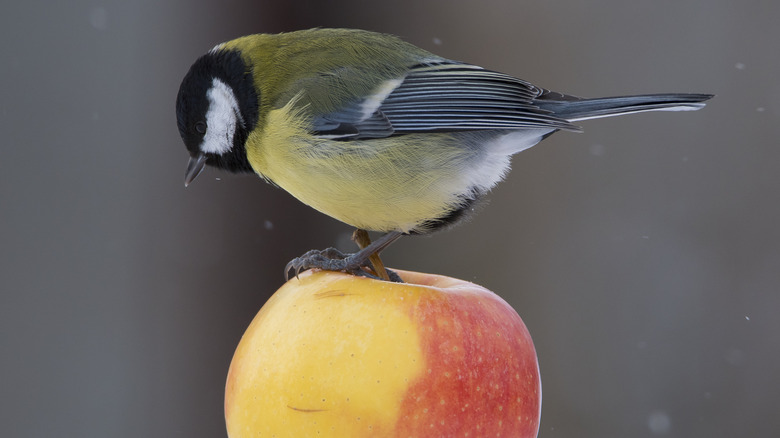
Choosing the right fruit is important to attract birds. Birds need food that is safe and nutritious. Picking the best fruits helps keep birds healthy.
Some fruits work better than others. Knowing which fruits to use makes your bird feeder more effective.
Best Fruits For Birds
Birds enjoy many types of fruits. These fruits provide vitamins and energy. Choose fruits that are easy for birds to eat.
- Apples (cut into slices)
- Oranges (peeled or halved)
- Berries like blueberries and strawberries
- Grapes (halved for small birds)
- Bananas (ripe and sliced)
Seasonal Fruit Options
Using seasonal fruits helps feed birds all year. Different fruits grow in different seasons. Feeding seasonal fruits supports local wildlife well.
| Season | Fruits to Use |
| Spring | Cherries, Strawberries |
| Summer | Blueberries, Peaches, Grapes |
| Fall | Apples, Pears, Figs |
| Winter | Oranges, Persimmons, Cranberries |
Avoiding Harmful Fruits
Some fruits can harm birds. Avoid fruits with pits or seeds that are toxic. Always remove seeds from fruit before feeding.
- Do not use avocado – it is poisonous to birds.
- Avoid fruit with mold or rot.
- Remove seeds from cherries and peaches.
- Do not feed citrus fruits in large amounts.
Credit: www.outdoorguide.com
Gathering Materials
Making a fruit bird feeder is a fun project that needs the right materials. Gather everything before you start to make the process smooth.
Having the correct tools and decorations helps you create a feeder that birds will enjoy safely.
Essential Tools
Collect these basic tools to build your fruit bird feeder easily and safely.
- Sharp knife or scissors for cutting fruit
- String or twine to hang the feeder
- Wooden skewer or toothpicks to hold fruit pieces
- Cutting board to protect surfaces
- Small bowl to hold birdseed or fruit pieces
Optional Decorations
Decorations make your feeder look nice and attract more birds. You can add simple items found at home or garden stores.
| Decoration | Purpose |
| Colorful ribbons | Attract birds visually |
| Pine cones | Provide extra perches |
| Natural leaves | Blend feeder with surroundings |
| Small bells | Add gentle sound to draw attention |
Safety Precautions
Keep safety in mind while gathering materials. Use tools carefully to avoid injuries.
- Handle sharp knives with care and cut away from your body.
- Use non-toxic materials to protect birds from harm.
- Check that strings are strong but not too long to avoid bird entanglement.
- Wash hands before and after handling fruit and tools.
- Place the feeder where birds can reach safely without predators nearby.
Preparing The Fruit
Preparing the fruit carefully is key to making a good bird feeder. Clean fruit keeps birds safe and healthy.
Cutting and shaping the fruit properly helps birds access the food easily and enjoy their meal.
Cleaning And Cutting
Wash the fruit under cold water to remove dirt and chemicals. Avoid using soap or detergents.
- Use a soft brush for tough skins like oranges or apples
- Pat dry with a clean cloth
- Cut the fruit into halves or thick slices
- Remove seeds if they are hard or could harm birds
Creating Feeding Holes
Make holes in the fruit so birds can perch and eat comfortably. Use a skewer or small knife.
| Hole Size | Purpose |
| 1/4 inch | For threading string or wire |
| 1/2 inch | For bird beaks to reach inside |
| Multiple small holes | Allow drainage and airflow |
Securing The Fruit
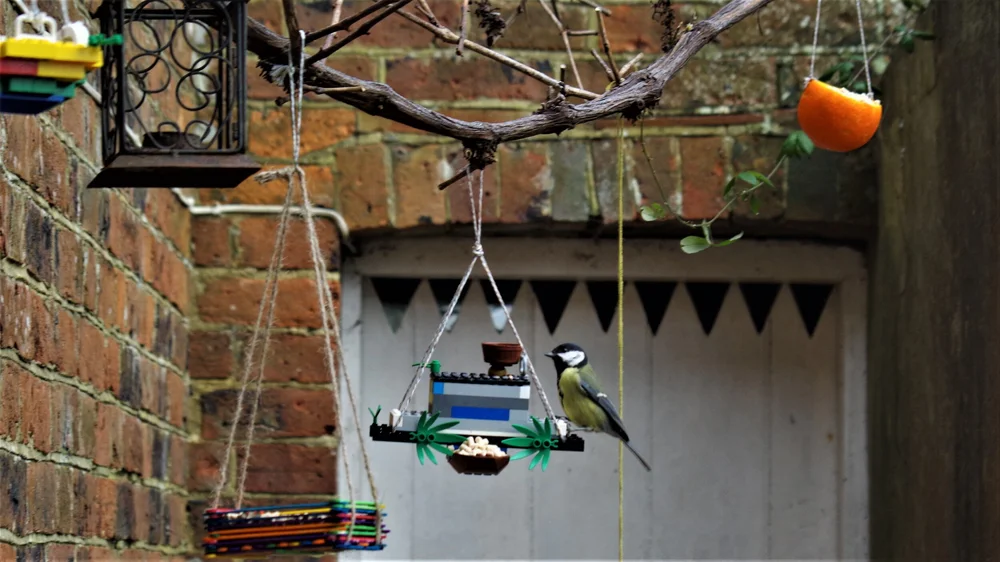
Secure the fruit to a tree or hanger so it stays in place while birds feed.
Follow these tips to secure your fruit feeder:
- Thread a strong string or wire through the feeding holes
- Tie knots to hold the fruit firmly
- Hang the feeder from a branch or hook where birds can easily reach it
- Check and adjust the feeder regularly to keep it safe and stable
Credit: www.naturenurturesussex.com
Assembling The Feeder
Building a fruit bird feeder is fun and easy. The assembly step brings all parts together.
Pay attention to how you attach strings, add support, and protect it from weather.
Attaching Strings Or Hooks
Use strong strings or hooks to hang your feeder safely. Make sure they hold the weight.
Attach the strings evenly on both sides. This keeps the feeder balanced and stable.
- Choose nylon or cotton strings for durability
- Use metal hooks for extra strength
- Tie knots tightly to avoid slipping
- Check the hanging point can support the feeder’s weight
Adding Support Structures
Support structures keep the feeder steady in wind and prevent tipping. Use sticks or small boards.
Attach supports to the bottom or sides of the feeder. This gives extra strength and balance.
- Use wooden sticks or dowels as supports
- Screw or glue supports firmly
- Make sure supports do not block bird access
- Check that the feeder sits level on supports
Making It Weatherproof
Protect your feeder from rain and sun to last longer. Weatherproofing keeps fruit fresh and feeder strong.
Use non-toxic sealants or varnish. Cover open areas with small roofs or plastic sheets.
- Apply a clear, bird-safe sealant on wood parts
- Add a small roof made from plastic or wood
- Place feeder in a shaded area to avoid sun damage
- Check weatherproofing regularly and reapply if needed
Placing The Feeder
Placing your fruit bird feeder in the right spot helps attract birds. It also keeps them safe and comfortable while they eat.
Think about the location carefully to make your feeder a favorite stop for birds.
Ideal Locations
Choose a place that is quiet and near trees or shrubs. Birds like spots where they can quickly hide if needed.
- Place the feeder near natural cover like bushes or trees
- Pick a spot visible from a window for easy watching
- Avoid busy or noisy areas
- Choose a location with some sunlight and shade
Height And Safety Tips
Place the feeder high enough to keep birds safe from pets and people. The right height also makes it easy for birds to land and feed.
| Height | Reason |
| 5 to 6 feet | Safe from cats and dogs |
| Near tree branches | Birds can rest nearby |
| Away from windows | Prevents bird collisions |
Avoiding Predators
Protect birds by placing the feeder where predators cannot reach them easily. Think about common threats like cats and squirrels.
- Use metal or smooth poles to mount the feeder
- Keep the feeder 10 feet away from jump points like fences
- Clear nearby branches that predators might use
- Consider adding a baffle below the feeder
Attracting Different Bird Species
Making a fruit bird feeder helps bring many bird types to your yard. Birds love fresh fruit, which offers energy and nutrients. Knowing what fruits attract which birds can improve your feeder's success.
Setting up your feeder at the right time and adding other food sources can invite more birds. Use these tips to enjoy a variety of bird visitors.
Fruit Preferences By Bird Type
| Bird Species | Preferred Fruits |
| Robins | Cherries, berries, apples |
| Orioles | Oranges, grapes, mango |
| Woodpeckers | Apples, pears, berries |
| Blue Jays | Grapes, apples, peaches |
| Mockingbirds | Mulberries, blackberries, figs |
Offer fresh, ripe fruit and replace it often to keep birds coming back. Remove old or moldy fruit to keep birds healthy.
Timing Your Feeder Setup
- Set up feeders in early spring before migration.
- Keep feeders stocked through summer and fall.
- Clear feeders in winter if local birds prefer other food.
Timing helps attract birds that are migrating or searching for food in your area. Watch local bird patterns to adjust your schedule.
Complementary Feeding Tips
- Mix fruit with seeds or nuts to attract more species.
- Place water nearby to provide drinking and bathing spots.
- Use feeders that allow easy access for different bird sizes.
- Change fruit types regularly to test what birds prefer.
Combining fruit with other food and water increases your feeder's appeal. This helps support a wider range of birds in your yard.
Maintaining Your Fruit Feeder
Keeping your fruit bird feeder clean and fresh helps birds stay healthy. Regular care makes the feeder last longer.
Check your feeder often to see if it needs cleaning or new fruit. Watching bird activity helps you know when to refill.
Regular Cleaning
Clean your fruit feeder every few days to stop mold and bacteria. Use warm water and mild soap to wash it well.
Rinse the feeder completely to remove soap. Dry it before adding new fruit to keep birds safe.
Replacing Fruit
Change the fruit in the feeder every two to three days. Old fruit can spoil and attract unwanted pests.
Offer fresh, ripe fruit that birds like. Cut fruit into small pieces for easy eating.
- Use apples, oranges, grapes, or berries
- Avoid fruit with pesticides or chemicals
- Remove any leftover fruit before adding new pieces
Monitoring Bird Activity
Watch which birds visit your feeder and how often. This helps you know if the feeder meets their needs.
If fewer birds come, check if the fruit is fresh and the feeder is clean. Adjust the fruit type if needed to attract more birds.

Credit: www.birdwatchingdaily.com
Frequently Asked Questions
What Fruits Are Best For Bird Feeders?
Fruits like apples, oranges, and berries are ideal for bird feeders. They attract a variety of birds and provide essential nutrients. Make sure to cut the fruits into manageable pieces and remove any seeds or pits that might be harmful to birds.
How Do You Hang A Fruit Bird Feeder?
You can hang a fruit bird feeder using a sturdy string or wire. Choose a spot that's visible to birds and sheltered from predators. Ensure the feeder is securely attached to prevent it from falling during bad weather.
Can Fruit Bird Feeders Attract Pests?
Yes, fruit bird feeders can attract pests like ants or squirrels. To minimize this, place the feeder away from trees and use ant moats. Regularly clean the feeder and surrounding area to deter unwanted visitors.
How Often Should You Refill A Fruit Feeder?
Refill your fruit feeder every few days or as needed. Monitor the feeder to ensure it's not overcrowded with spoiled fruit. Fresh fruit will attract more birds and contribute to their health.
Conclusion
Making a fruit bird feeder is simple and fun. You help birds find food, especially in cold months. It also brings nature close to your home. Watching birds eat can be very relaxing. Use fresh fruit and clean materials for best results.
Keep your feeder in a safe spot to protect birds. Try making one today and enjoy the beauty of birds. Small actions like this make a big difference for wildlife. Happy bird watching!