If you love watching birds but worry about allergies or want a safer option for your feathered friends, making a nut-free bird feeder is a perfect choice for you. It’s simple, fun, and lets you bring nature closer without the risk of nuts.
Imagine attracting colorful birds to your garden with a feeder you made yourself—easy to build and safe for everyone. Keep reading, and you’ll discover step-by-step how to create a nut-free haven that birds will love, all while enjoying a rewarding and allergy-friendly project.
Choosing Safe Materials
Making a nut free bird feeder means picking safe materials. Birds need feeders without harmful chemicals or allergens. Choose materials that keep birds healthy and happy.
This guide helps you select wood, avoid nut contamination, and pick bird-friendly seeds. Each step protects birds and makes your feeder safe to use.
Non-toxic Wood Options
Use natural wood that is safe for birds. Avoid treated or painted wood because chemicals can hurt birds. Cedar and pine are good choices. They resist weather and do not release toxins.
Avoiding Nut Contamination
Keep your bird feeder free from nuts to protect birds with allergies. Do not use old containers or tools that held nuts. Clean all parts well before use.
- Use new or well-cleaned materials only
- Do not store seeds near nuts
- Label your feeder as nut free
- Check seed mixes for nut traces
Selecting Bird-friendly Seeds
| Seed Type | Birds That Like It |
| Sunflower Seeds (no shells) | Finches, Chickadees, Cardinals |
| Millet | Sparrows, Doves, Juncos |
| Safflower Seeds | Cardinals, Grosbeaks, Chickadees |
| Nyjer Seeds | Finches, Goldfinches |
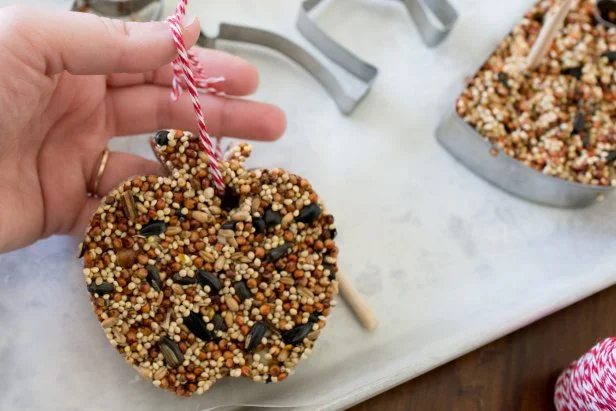
Choose seeds without nut ingredients. These options feed many birds safely. Avoid seed mixes that list peanuts or nut pieces.
Credit: www.foodnetwork.com
Designing Your Bird Feeder
Creating a nut free bird feeder needs careful design. The feeder must be safe and easy for birds to use.
Good design helps attract many types of birds and keeps their food dry and fresh.
Simple Shapes For Beginners
Start with basic shapes like squares, rectangles, or circles. These shapes are easy to build and clean.
Simple designs use fewer materials and tools. This makes the project faster and less costly.
- Square box feeders hold plenty of seed
- Round feeders offer good access for birds
- Flat tray feeders are easy to fill and clean
Ensuring Easy Access For Birds
Make sure birds can reach the food easily. Open sides or wide entrances work well for many bird types.
Perches help birds land and feed comfortably. Avoid narrow openings that block access.
- Use openings at least 2 inches wide
- Add small perches near feeding spots
- Keep feeder height around 4 to 5 feet off ground
Weatherproofing Tips
Protect the feeder from rain and snow. Use waterproof materials or add a roof to keep seeds dry.
Good drainage helps prevent mold. Small holes at the bottom stop water buildup inside the feeder.
- Use treated wood or plastic for the feeder
- Install a sloped roof to direct rain away
- Drill drainage holes in the base
Step-by-step Building Process
Building a nut-free bird feeder is easy and fun. This guide helps you create a safe place for birds to eat. Follow each step carefully.
We will cover cutting and assembling parts, adding perches and feed holders, and securing the feeder for stability.
Cutting And Assembling Parts
Start by cutting the wood pieces for your feeder. Use softwood like pine for easy cutting. You will need a base, two side panels, a back panel, and a roof.
- Cut the base to 8 inches by 8 inches.
- Cut two side panels 8 inches tall and 6 inches wide.
- Cut the back panel the same size as the side panels.
- Cut the roof pieces to fit the top, about 8 inches by 7 inches each.
- Sand all edges smooth to prevent splinters.
- Assemble the base and panels using wood glue and nails.
Adding Perches And Feed Holders
Perches give birds a place to sit. Feed holders keep seeds in place. Use small wooden dowels or sticks for perches.
| Part | Material | Size |
| Perch | Wooden dowel | 1/2 inch diameter, 4 inches long |
| Feed Holder | Small wooden tray | 6 inches by 3 inches |
| Attachment | Wood screws | 1 inch long |
Attach perches below the feeding area. Fix the feed holder on the base inside the feeder. Use screws for a strong hold.
Securing The Feeder For Stability
Make sure the feeder stays stable in the wind. You can hang it or mount it on a post. Use strong hooks or brackets.
- Attach two sturdy hooks to the roof for hanging.
- Use weather-resistant rope or chain to hang the feeder.
- Mount on a wooden post with a wide base for balance.
- Use screws or nails to secure the feeder to the post.
- Add weight inside the base if the feeder tips easily.

Credit: www.jackery.com
Safe Seed Mixes Without Nuts
Many birds enjoy seeds, but some people need nut-free options. Making a nut-free bird feeder keeps birds safe and happy.
This guide shows you how to choose safe seeds and prepare seed blends. You will also learn how to keep the seeds fresh and mold-free.
Best Nut-free Seeds For Birds
Some seeds are great for feeding birds and do not contain nuts. These seeds provide energy and nutrients for wild birds.
- Sunflower seeds (black oil variety)
- Millet seeds
- Safflower seeds
- Nyjer (thistle) seeds
- Cracked corn
- White proso millet
- Flax seeds
Preparing Seed Blends
Mixing seeds allows you to offer a variety for different bird types. It also helps you avoid nuts while providing balanced nutrition.
| Seed Type | Amount to Use | Benefits |
| Black Oil Sunflower | 40% | High energy, attracts many birds |
| Millet | 25% | Favorite of sparrows and doves |
| Safflower | 15% | Resists squirrels, good fat source |
| Nyjer | 10% | Small finches love it |
| Cracked Corn | 10% | Good for ground feeders |
Avoiding Mold And Spoilage
Keeping seeds dry and fresh is key to safe feeding. Mold can harm birds and ruin your mix.
- Store seeds in airtight containers
- Keep feeders clean and dry
- Replace old or wet seeds quickly
- Place feeders in shaded areas
- Check seeds regularly for signs of mold
Installing And Maintaining Your Feeder
Installing a nut free bird feeder is simple and fun. It helps attract many types of birds safely.
Keeping your feeder clean and well placed ensures birds visit often and stay healthy.
Best Locations To Hang
Pick a quiet spot away from busy areas. Birds feel safe in calm places.
Place your feeder near trees or shrubs. They offer shelter and a place to rest.
- Hang feeder 5-6 feet above ground
- Keep it 10 feet away from windows
- Choose a spot with some shade
- Avoid windy or rainy places
Regular Cleaning Schedule
Clean your feeder every two weeks to stop mold and bacteria growth. Clean more often in wet weather.
Use warm water and mild soap. Rinse well to remove soap residue. Let it dry completely before refilling.
- Empty feeder before cleaning
- Scrub all parts gently
- Rinse with clean water
- Dry feeder in sun if possible
Monitoring Bird Activity
Watch which birds come to your feeder. Note their numbers and behavior each day.
Check if birds eat all the food or leave some. This helps you decide when to refill or change food.
- Keep a simple journal or note
- Record bird types and counts
- Note feeding times and food left
- Adjust feeder location if few birds visit
Attracting Different Bird Species
Making a nut free bird feeder can help attract many types of birds. Different birds prefer different seeds and foods.
Knowing what birds like can help you fill your feeder with the right food. This way, you can enjoy watching many bird species visit.
Seed Preferences By Bird Type
Birds have different tastes for seeds. Offering a variety of seeds helps attract more birds without using nuts.
- Sparrows:Enjoy millet and cracked corn.
- Finches:Prefer nyjer and sunflower seeds (without shells).
- Doves:Like white proso millet and safflower seeds.
- Cardinals:Eat sunflower seeds and safflower seeds.
- Wrens:Are attracted to suet and mealworms.
Seasonal Feeding Tips
Bird feeding needs change with the seasons. Different foods help birds stay healthy all year long.
In winter, offer high-energy foods. In spring and summer, birds prefer foods that support nesting and growth.
- Winter: Use black oil sunflower seeds and suet for energy.
- Spring: Add fresh fruit and mealworms for protein.
- Summer: Provide seeds and fresh water for hydration.
- Fall: Offer millet and cracked corn to help birds store fat.
Creating A Bird-friendly Environment
A safe place helps birds feel comfortable visiting your feeder. Add plants and shelter near the feeder.
Keep the feeder clean and place it where birds can watch for predators. Fresh water nearby also attracts birds.
- Plant native shrubs and trees for shelter and food.
- Place feeders near bushes or trees for quick cover.
- Clean feeders regularly to prevent disease.
- Provide fresh water in a shallow dish or birdbath.
Credit: www.foodnetwork.com
Frequently Asked Questions
What Materials Are Safe For A Nut Free Bird Feeder?
Use wood, plastic, or metal as safe materials. Avoid any that might contain nut residues. These materials are durable and easy to clean, ensuring bird safety and feeder longevity.
How Do I Attract Birds Without Using Nuts?
Offer seeds like sunflower, millet, or safflower instead. Fresh fruits and suet also attract many bird species. These alternatives provide nutrition and appeal to a variety of birds.
Can I Make A Diy Bird Feeder Without Nuts?
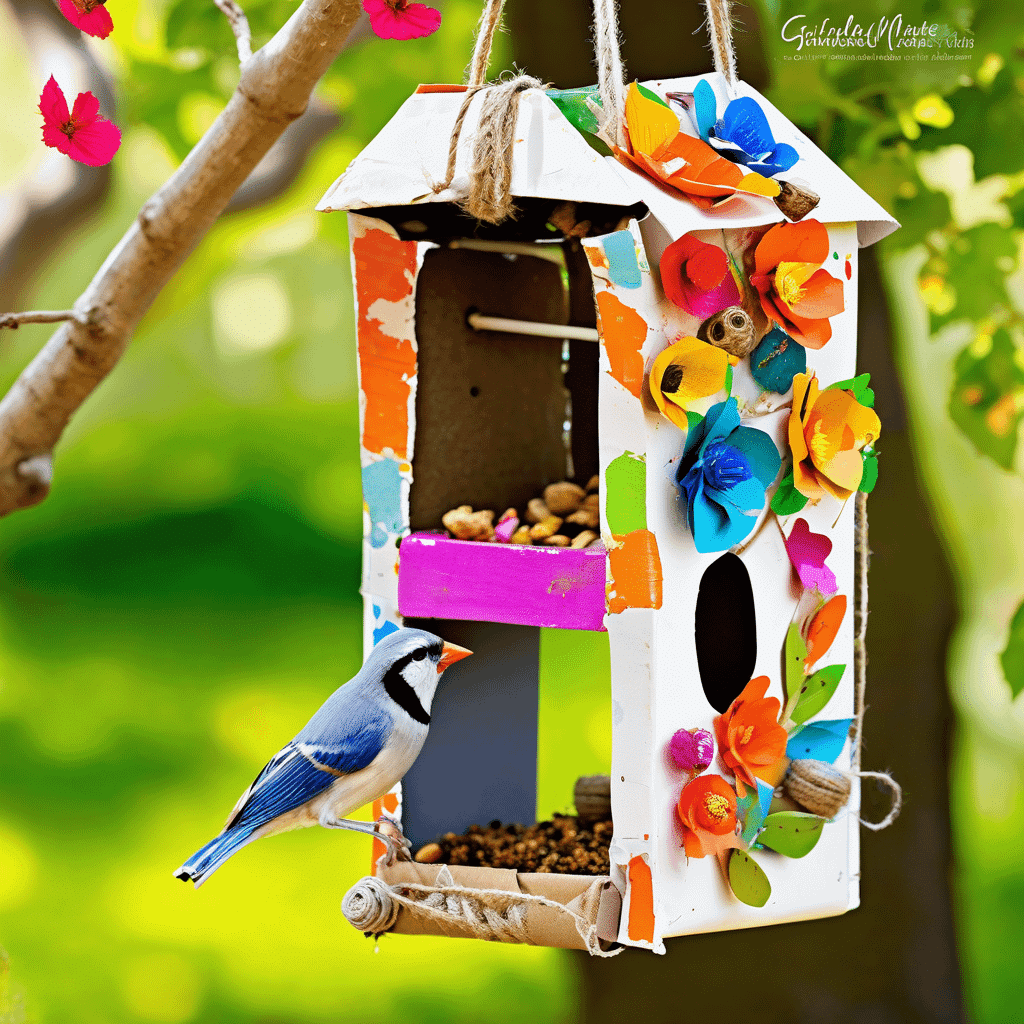
Yes, DIY bird feeders can be made using safe materials. Use pine cones, recycled bottles, or wooden blocks. Fill them with nut-free seeds to keep birds healthy and happy.
How Often Should I Clean A Nut Free Bird Feeder?
Clean your feeder every two weeks or when visibly dirty. Use mild soap and warm water to prevent mold and bacteria. Regular cleaning keeps birds healthy and encourages repeat visits.
Conclusion
Creating a nut-free bird feeder is simple and rewarding. Birds will flock to your backyard. You can enjoy watching them. This project suits all ages. Safe for those with nut allergies. Plus, it helps the environment. Birds find food easily.
Your efforts provide nourishment. Encourage more wildlife in your area. Enjoy nature right from home. Perfect for bird lovers and families. Start today and see the difference. Happy birdwatching!