How to Make Bird Nectar That Birds Love
If you love watching colorful birds visit your garden, making your own bird nectar is a simple way to attract them right to your window. You don’t need fancy ingredients or complicated steps to create a tasty treat that hummingbirds and other nectar-loving birds will enjoy.
Learn how to make bird nectar to attract a variety of species, including hummingbirds, who are particularly fond of this sweet treat. Knowing how to make bird nectar is an essential skill for any bird lover.
In this guide, you’ll discover how easy it is to mix up fresh nectar using just a few items you probably already have at home. Ready to become your backyard birds’ favorite chef? Keep reading, and you’ll learn exactly how to make bird nectar that keeps them coming back for more.
Once you know how to make bird nectar, your backyard will be filled with vibrant birds. This guide emphasizes the importance of using fresh ingredients when learning how to make bird nectar.
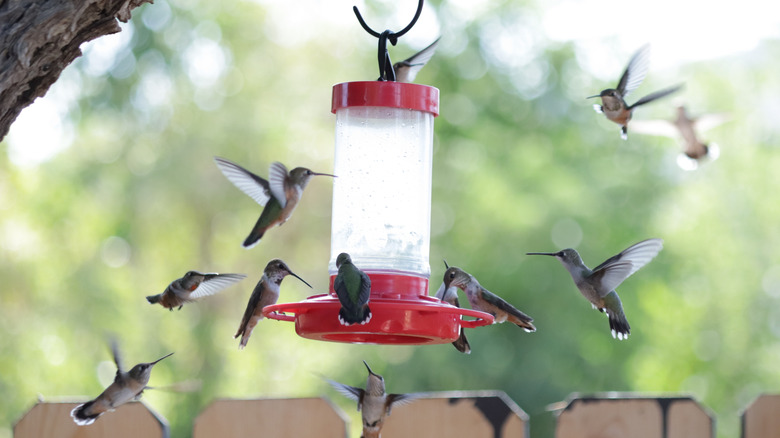
Credit: www.outdoorguide.com
Choosing Ingredients
Making bird nectar is simple if you pick the right ingredients. Quality ingredients keep birds healthy and happy.
When you understand how to make bird nectar, you are ensuring that your feathered friends receive the best nutrition possible.
Choosing the best sugar and water is key. These ingredients affect the taste and safety of the nectar.
Selecting Sugar Types
Use plain white granulated sugar for bird nectar. It is easy to digest and safe for birds. Avoid honey, brown sugar, or artificial sweeteners. These can harm birds or cause mold growth.
With white sugar as your base, you can easily learn how to make bird nectar that is safe and delectable.
- White granulated sugar is best.
- Do not use honey because it can carry bacteria.
- Avoid brown sugar since it may contain impurities.
- Skip artificial sweeteners; they are unsafe for birds.
- Organic sugar is fine but not necessary.
Water Quality Matters
Good water makes nectar safe and tasty. Use clean, fresh water for mixing. Tap water is fine if it is safe to drink. If unsure, use filtered or boiled water. Avoid using distilled water because it lacks minerals birds need.
Mixing the right proportions of sugar and water is crucial when learning how to make bird nectar that birds love.
| Water Type | Use for Nectar? | Notes |
|---|---|---|
| Tap Water | Yes | Use if safe and clean |
| Filtered Water | Yes | Better for areas with hard water |
| Boiled Water | Yes | Use to kill germs if tap water is doubtful |
| Distilled Water | No | Lacks minerals birds need |
| Well Water | Only if tested | Check for contaminants before use |
Mixing The Nectar
Making bird nectar is simple and only requires two main ingredients: sugar and water. Mixing the nectar correctly helps keep birds healthy and attracts them to your feeder.
Follow the steps outlined here to master how to make bird nectar that will keep your bird feeder bustling with activity.
This section explains how to mix the nectar with the right sugar-to-water ratio and the best heating techniques.
Proper Sugar-to-water Ratio
The correct ratio of sugar to water is important to keep the nectar safe for birds. Too much sugar can harm them, and too little sugar may not attract them.
- Use 1 part white granulated sugar
- Mix with 4 parts water
- Do not use honey, artificial sweeteners, or red dye
- Do not add anything else like fruit juice or flavorings
| Sugar | Water |
| 1 cup | 4 cups |
| 1/2 cup | 2 cups |
| 1/4 cup | 1 cup |
Heating Techniques
Heating helps dissolve the sugar completely and makes the nectar safe by killing bacteria. Follow these simple heating steps.
- Bring water to a boil in a clean pot
- Remove from heat and stir in the sugar
- Stir until all sugar is dissolved
- Let the mixture cool before filling the feeder
- Store extra nectar in the fridge for up to one week
Cooling And Storage
Proper cooling and storage keep bird nectar fresh and safe. This helps prevent harmful bacteria growth.
Proper cooling techniques are vital when learning how to make bird nectar, ensuring that it stays fresh and safe for your visitors.
Follow simple steps to cool and store nectar correctly. This ensures your birds get clean food every time.
Safe Cooling Practices
Being aware of safe cooling practices is part of knowing how to make bird nectar that is both nutritious and appealing.
After making nectar, cool it quickly before storing. Hot nectar can spoil faster and attract insects.
- Place the nectar container in a bowl of ice water.
- Stir nectar gently to speed cooling.
- Do not leave nectar at room temperature for more than one hour.
- Use clean containers to avoid contamination.
Storing Nectar Properly
Store nectar in a clean, sealed container inside the refrigerator. Keep it cold to prevent mold and bacteria.
| Storage Tip | Reason |
| Use airtight containers | Prevents contamination and odors |
| Keep nectar below 40°F (4°C) | Slows bacterial growth |
| Replace nectar every 3 days | Ensures freshness for birds |
| Clean feeders before refilling | Removes old nectar and germs |

Credit: www.youtube.com
Feeder Preparation
Preparing your bird feeder correctly helps keep birds safe and healthy. Clean feeders prevent mold and bacteria growth.
Filling feeders safely ensures the nectar stays fresh and birds enjoy the food without harm.
Cleaning Feeders
Regular cleaning stops harmful germs from spreading among visiting birds. Use warm water and mild soap to wash all feeder parts.
- Disassemble the feeder completely before cleaning
- Soak parts in a water and soap solution for 10 minutes
- Use a brush to scrub hard-to-reach areas
- Rinse thoroughly with clean water to remove soap
- Dry all parts fully before refilling
Filling Feeders Safely
Use fresh nectar to avoid fermentation and mold. Store extra nectar in the fridge and discard old nectar daily.
| Safe Nectar Storage | Details |
| Refrigeration | Keep nectar in a sealed container at 4°C (39°F) or lower |
| Daily Replacement | Empty and refill feeders every day in hot weather |
| Use Clean Containers | Always fill feeders with clean utensils and containers |
Maintenance Tips
Keeping bird nectar fresh is important for the health of your birds. Proper maintenance helps prevent mold and bacteria growth.
Regular cleaning and watching for signs of spoilage keep the nectar safe and tasty for birds.
Regular Cleaning Schedule
Clean your nectar feeders every few days. This prevents mold and harmful bacteria from growing inside the feeder.
- Empty leftover nectar before cleaning
- Use hot water and a mild soap to scrub the feeder
- Rinse the feeder thoroughly to remove soap
- Dry the feeder completely before refilling
- Clean feeders more often in hot weather
Signs Of Nectar Spoilage
Check nectar daily for changes. Spoiled nectar can harm birds and should be replaced immediately.
| Sign | What It Means |
| Cloudy Nectar | May have mold or bacteria |
| Foam or Bubbles | Fermentation or spoilage |
| Unpleasant Smell | Rotting or mold growth |
| Discoloration | Old or spoiled nectar |
Attracting More Birds
Making bird nectar is a simple way to bring more birds to your yard. Birds love fresh, sweet nectar made at home. You can attract many types of birds, especially hummingbirds.
As you learn how to make bird nectar, consider how your setup can influence the types of birds you attract.
Using the right nectar recipe and feeder setup helps keep birds safe and happy. Clean feeders and fresh nectar are important for healthy birds.
Placement Of Feeders
Placement of feeders is as important as knowing how to make bird nectar; birds need to feel safe while dining.
Place feeders where birds feel safe from predators. Put them near bushes or trees for cover. This gives birds a quick escape if they feel threatened.
Keep feeders away from windows to avoid bird collisions. Hang feeders at different heights to attract various bird species.
- Near shrubs or trees for shelter
- At least 3 feet away from windows
- Vary feeder heights from 4 to 6 feet
- Choose shaded spots to keep nectar cool
Additional Feeding Tips
Use a simple nectar recipe: one part sugar to four parts water. Boil water to dissolve sugar, then cool before filling feeders. Avoid using honey or artificial sweeteners.
To effectively learn how to make bird nectar, keep in mind that cleanliness is key to preventing mold.
Clean feeders every few days to prevent mold and bacteria. Replace nectar regularly, especially in hot weather. Keep feeders dry to stop ants and insects from invading.
-
- Use plain white sugar, no additives
- Boil water to mix sugar well
- Cool nectar before filling feeders
Get into the habit of cleaning feeders frequently; this complements your knowledge of how to make bird nectar.
- Clean feeders every 3-4 days
- Refill feeders with fresh nectar often
- Keep feeders dry to avoid pests

Credit: www.youtube.com
Frequently Asked Questions
What Ingredients Are Needed To Make Bird Nectar?
To make bird nectar, you need water and white granulated sugar. Use four parts water to one part sugar. Avoid honey or artificial sweeteners, as they can harm birds.
How Do I Prepare Homemade Bird Nectar Safely?
Boil water first to kill impurities. Then dissolve sugar completely in hot water. Let it cool before filling feeders to prevent bird burns.
How Often Should Bird Nectar Be Changed?
Change nectar every 3 to 5 days in warm weather. Clean feeders thoroughly before refilling to avoid mold and bacteria growth.
Can I Add Vitamins Or Additives To Bird Nectar?
Avoid adding vitamins or additives to nectar. Plain sugar water is best and safest for hummingbirds and other nectar-feeding birds.
Conclusion
Creating bird nectar is simple and rewarding. It attracts beautiful birds to your garden. You only need sugar and water. Mix them right, and you’re done. Remember to keep the feeder clean. Fresh nectar keeps birds healthy. Watch them enjoy your homemade treat.
Ultimately, the joy of learning how to make bird nectar is evident when you see birds flocking to your garden.
It’s a joy to see them visit. You’ll love their songs and colors. Making nectar connects you to nature. It’s a peaceful and fulfilling activity. Try it today and enjoy the beauty of birds. Your garden will become a lively, colorful haven.
By practicing how to make bird nectar, you’ll create a peaceful environment where you can enjoy nature.