If you love watching birds visit your yard, making bird seed blocks is a simple and fun way to attract more feathered friends. Imagine creating tasty treats that keep birds coming back day after day.
You don’t need fancy tools or expensive ingredients—just a few easy steps to turn regular bird seed into a handy block that birds will enjoy. Ready to learn how you can make your own bird seed blocks and bring more life to your garden?
Keep reading, and you’ll discover how simple it really is.
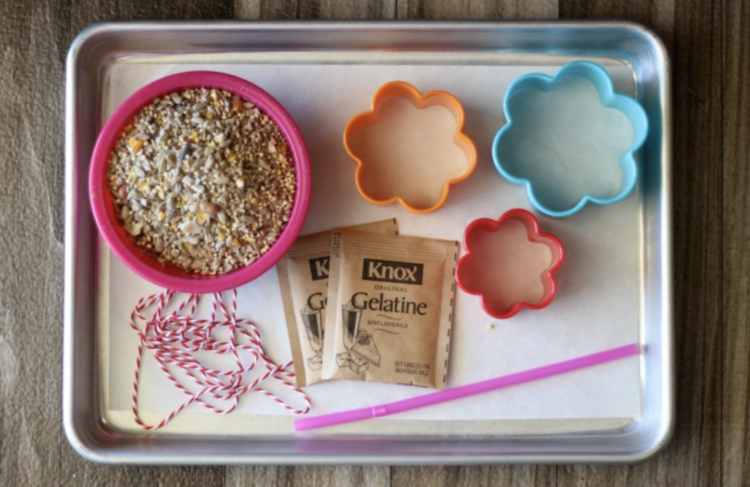
Credit: gluesticksblog.com
Benefits Of Bird Seed Blocks
Bird seed blocks are a simple way to feed wild birds. They keep birds healthy and happy. Making your own blocks is fun and helps nature.
These blocks provide food in one easy package. They attract many birds to your yard. Let’s look at the main benefits of bird seed blocks.
Attracting Various Bird Species
Bird seed blocks attract many types of birds. Different seeds in the blocks invite a variety of species. You can see finches, sparrows, chickadees, and more.
Using seed blocks creates a lively birdwatching spot. Birds come to feed safely and often.
- Sunflower seeds attract cardinals and finches
- Millet draws sparrows and juncos
- Peanuts bring woodpeckers and nuthatches
- Safflower seeds keep away squirrels but attract birds
Providing Nutritional Value
Bird seed blocks give birds the energy they need. The mix of seeds and fats supports their health. These blocks help birds stay strong, especially in cold weather.
Birds get protein, fats, and vitamins from the blocks. This balanced food is better than scattered seeds alone.
- Fats provide energy for flying and warmth
- Seeds supply proteins for muscle and feather growth
- Vitamins help keep birds’ immune systems strong
Supporting Birds Year-round
Bird seed blocks help birds in all seasons. In winter, they offer extra food when natural seeds are scarce. In spring and summer, they support nesting and raising young.
Leaving seed blocks out year-round creates a safe feeding spot. Birds learn to visit often and rely on the food you provide.
- Winter: Provides energy in cold weather
- Spring: Supports breeding and chick feeding
- Summer: Offers extra nutrition during heat
- Fall: Helps birds store fat for migration
Essential Ingredients
Bird seed blocks need the right ingredients to hold shape and attract birds.
Choosing good seeds, a binding agent, and optional additives helps make strong, nutritious blocks.
Choosing The Right Seeds
Select seeds that wild birds enjoy and that provide good nutrition. A mix is best for variety.
- Black oil sunflower seeds – high in fat and popular with many birds
- Millet – small seeds loved by finches and sparrows
- Cracked corn – good for larger birds like doves and jays
- Safflower – less likely to attract squirrels
- Nyjer (thistle) – attracts finches and small birds
Selecting A Binding Agent
A binding agent keeps the seeds together in a solid block. Choose a safe, natural option.
| Binding Agent | Description |
| Lard | Solid fat that holds seeds well and melts slowly |
| Peanut Butter | Sticky and tasty, but avoid added salt or sugar |
| Gelatin | Natural protein that hardens when cooled |
| Corn Syrup | Sticky syrup that binds seeds tightly |
Optional Additives For Nutrition
Add extras to improve nutrition and attract different birds. Use these sparingly.
- Chopped nuts – add protein and fat
- Dried fruit pieces – provide energy and natural sugars
- Oats or cracked wheat – offer fiber and carbs
- Chia seeds – rich in omega-3 fatty acids
- Vitamin supplements – for extra bird health support
Tools And Materials Needed
Making bird seed blocks is a fun and simple project. It needs just a few tools and materials. Getting the right items ready helps the process go smoothly.
Below are the key items you need for mixing, molding, and storing your bird seed blocks.
Mixing Bowls And Utensils
Choose sturdy bowls to mix the ingredients well. You will also need tools to stir and shape the mixture.
- Large mixing bowl (glass or plastic)
- Wooden or plastic spoon for stirring
- Measuring cups for seeds and binder
- Spatula to scrape the sides of the bowl
Molds And Containers
Molds help form the seed blocks into shapes. You can use many household items as molds.
| Mold Type | Description |
| Silicone baking molds | Flexible and easy to remove the blocks |
| Empty yogurt cups | Small, disposable, and convenient |
| Ice cube trays | Create small, bite-sized blocks |
| Plastic containers | Make larger blocks for bigger birds |
Storage Options
After making the seed blocks, store them properly. Good storage keeps the blocks fresh and dry.
Store bird seed blocks in:
- Airtight containers to prevent moisture
- Cool, dry places away from direct sunlight
- Refrigerators if you live in hot climates
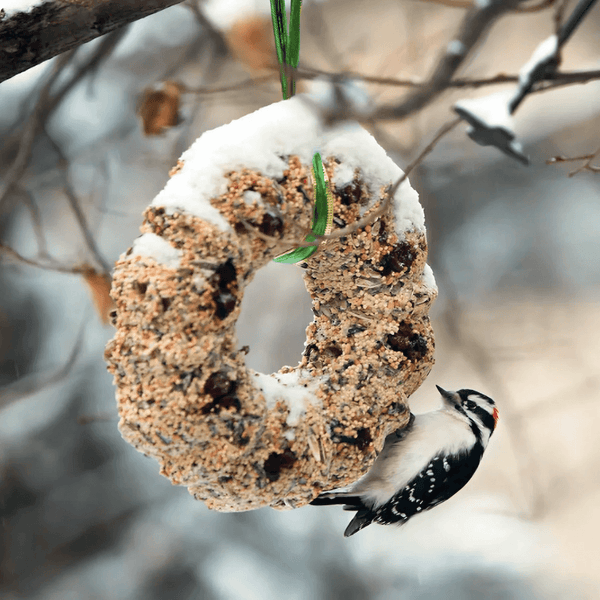
Credit: heftyberry.store
Step-by-step Preparation
Making bird seed blocks is a simple way to feed birds in your garden. These blocks hold seeds together so birds can eat easily. Follow the steps below to prepare your own bird seed blocks.
You will need seeds, a binding agent, and some basic tools. The process has three main parts: mixing, shaping, and drying.
Mixing Seeds And Binding Agent
Start by mixing your bird seeds with a binding agent. The binding agent helps the seeds stick together to form solid blocks. Common binders include peanut butter, suet, or gelatin.
- Measure 4 cups of bird seed.
- Add 1 cup of melted suet or peanut butter.
- Stir the mixture until all seeds are coated evenly.
- If the mixture is too dry, add a little melted binder.
- Make sure the mix is sticky enough to hold shape.
Shaping The Blocks
Once your seed mix is ready, shape it into blocks. Use molds or simple containers to form the blocks. Press the mixture firmly to avoid loose seeds.
| Tool | Use |
| Ice cube tray | Small uniform blocks |
| Muffin tin | Larger blocks for many birds |
| Plastic container | Custom shapes |
Allowing Blocks To Dry
Dry the shaped blocks to harden them. Drying prevents the blocks from falling apart and keeps seeds fresh longer. Place the blocks in a cool, dry area.
- Put blocks on wax paper or a tray.
- Leave them to dry for 24 to 48 hours.
- Turn blocks halfway to dry evenly.
- Once hard, store them in an airtight container.
- Keep blocks away from direct sunlight.
Tips For Placement And Maintenance
Making bird seed blocks is fun and helps birds in your yard. Proper placement and care keep birds safe and happy.
Good habits in placing and cleaning seed blocks make feeding birds easier and cleaner.
Best Locations For Bird Seed Blocks
Place seed blocks where birds feel safe and can easily find them. Choose spots that protect birds from predators.
Avoid busy areas and direct sunlight to keep the seed blocks fresh longer.
- Under tree branches or shrubs for cover
- Near bird feeders or birdhouses
- On a stable platform or hanging hook
- Away from busy footpaths or pets
- Shaded areas to prevent seed spoilage
Cleaning And Replacing Blocks
Keep seed blocks clean to avoid mold and bacteria. Dirty blocks can harm birds.
Check blocks often and replace them when they look old or wet.
- Remove old seed blocks before adding new ones
- Clean feeders and platforms with warm water regularly
- Discard moldy or damp seed blocks immediately
- Use gloves when handling old seed blocks
- Store extra seed blocks in a dry place
Seasonal Considerations
Change your seed block care depending on the season. Weather affects how long blocks last.
In cold months, birds need more food. In wet seasons, protect seed blocks from moisture.
- Winter: Place blocks where wind is blocked
- Spring: Clean blocks often to prevent mold growth
- Summer: Use shaded spots to avoid melting
- Fall: Remove fallen leaves from around seed blocks
Troubleshooting Common Issues
Making bird seed blocks can be fun and rewarding. Still, some problems may arise. Knowing how to fix these issues helps you create better blocks.
This guide covers how to stop mold, keep pests away, and adjust recipes for weather changes.
Preventing Mold And Spoilage
Mold grows when bird seed blocks stay wet or do not dry well. Spoiled blocks waste ingredients and are unsafe for birds.
- Use dry ingredients before mixing the block.
- Dry blocks outside in the sun for at least 24 hours.
- Store finished blocks in a cool, dry place.
- Avoid making blocks too large to dry properly.
- Add natural preservatives like vitamin E oil to slow spoilage.
Dealing With Pests
Pests like squirrels and rodents can eat or damage seed blocks. It is important to protect your blocks so birds can enjoy them.
| Pest | Common Signs | Prevention Tips |
| Squirrels | Chewed blocks, missing seeds | Use metal cages or baffle guards |
| Rodents | Gnaw marks, droppings near blocks | Place blocks on metal poles, keep area clean |
| Insects | Small holes, webbing | Use insect-repelling herbs or sprays nearby |
Adjusting Recipes For Weather
Weather changes can affect how bird seed blocks hold together and dry. Adjust your mix to suit warm or cold climates.
Try these tips to improve blocks in different weather:
- In hot weather, add a bit more binder like peanut butter to hold seeds.
- In cold weather, reduce moist ingredients to help blocks dry faster.
- Store blocks indoors during heavy rain or snow to prevent spoilage.
- Use fast-drying ingredients such as crushed corn or oats.
Creative Variations
Making bird seed blocks is simple and fun. You can add many ingredients to make them special. These changes help attract different birds to your garden.
Try adding fruits, nuts, or using different binders. You can also create blocks for holidays to make feeding birds festive and exciting.
Adding Fruits And Nuts
Adding fruits and nuts gives birds extra energy and nutrition. Use dried fruits like raisins or chopped apples. Nuts such as peanuts or almonds work well too.
- Chop fruits into small pieces
- Use unsalted and unroasted nuts
- Mix fruits and nuts evenly with seeds
- Check for allergies to certain nuts
Using Alternative Binders
Alternative binders help hold the seed blocks together. You can try peanut butter or mashed bananas instead of traditional gelatin or suet.
| Binder | Pros | Cons |
| Peanut Butter | Sticky, tasty for birds | Allergy risk for some birds |
| Mashed Banana | Natural, sweet smell | Short shelf life |
| Gelatin | Strong hold | Needs heating to melt |
| Suet | High energy | Can melt in warm weather |
Themed Seed Blocks For Holidays
You can shape seed blocks for holidays like Christmas or Halloween. Use cookie cutters to make stars, pumpkins, or hearts. Decorate with bird-safe colors or extra seeds.
- Christmas: Add red cranberries and shape stars
- Halloween: Use orange-colored seeds and pumpkin shapes
- Valentine’s Day: Heart shapes with rose hips
- Easter: Mix pastel-colored seeds and egg shapes

Credit: www.firefliesandmudpies.com
Frequently Asked Questions
What Ingredients Are Needed For Bird Seed Blocks?
Bird seed blocks require bird seed, gelatin or peanut butter, and water. Optional ingredients include corn syrup and oats. These binders help the seeds stick together and attract birds effectively.
How Do You Make Bird Seed Blocks Step-by-step?
Mix bird seed with melted gelatin or peanut butter and water. Press the mixture into molds and refrigerate until firm. Remove from molds and hang outdoors for birds to enjoy.
Can Homemade Bird Seed Blocks Attract Different Bird Species?
Yes, homemade bird seed blocks attract various birds. Using mixed seeds and natural binders appeals to finches, sparrows, and chickadees. Different seed types help attract diverse bird species.
How Long Do Bird Seed Blocks Last Outdoors?
Bird seed blocks last about 1 to 2 weeks outdoors. Exposure to rain and humidity shortens their lifespan. Store unused blocks in a cool, dry place to preserve freshness.
Conclusion
Creating bird seed blocks is simple and rewarding. Birds love them. You can easily attract many feathered friends to your garden. With basic ingredients, you craft nutritious treats for birds. This DIY project also connects you with nature. Kids can join in the fun too.
Enjoy watching happy birds flutter around. Remember to hang the blocks in safe spots. Keep them dry to avoid mold. Soon, your garden will be a lively bird hub. Happy bird watching!