How to Make Bird Seed Cakes 2026 Guide Easy Recipe
If you love watching birds visit your garden, making bird seed cakes is a simple and fun way to attract them. You don’t need fancy tools or ingredients—just a few things you probably already have at home.
Imagine seeing colorful birds gather around, enjoying a treat you made yourself. In this guide, you’ll discover easy steps to create your own bird seed cakes that birds will love. Ready to bring more life and joy to your outdoor space?
Let’s get started!

Credit: littlesproutslearning.co
Choosing Ingredients
Making bird seed cakes is a simple and fun activity. Choosing the right ingredients helps birds stay healthy. Use natural and safe items for the best results.
This guide covers how to select bird seeds and what binders and extras to add. These choices affect the cake’s texture and nutrition.
Selecting Bird Seeds
Pick seeds that attract many bird types and offer good nutrition. Avoid seeds with fillers or chemicals.
- Sunflower seeds: rich in fat and popular with many birds
- Millet: small and easy to eat for finches and sparrows
- Safflower seeds: good for cardinals and grosbeaks
- Cracked corn: attracts larger birds like jays and doves
- Nyjer seeds: loved by finches, high in oil
Adding Binders And Extras
Binders hold the seed mixture together. Extras add flavor and nutrition for birds.
| Ingredient | Purpose | Notes |
|---|---|---|
| Rendered fat or suet | Binder | Melts slowly, good for winter feeding |
| Peanut butter | Binder | Sticky and high in fat, use natural types |
| Oats or flour | Binder | Helps hold seeds, use in small amounts |
| Dried fruits | Extra nutrition | Chopped raisins or cranberries add energy |
| Nuts | Extra nutrition | Chopped peanuts or almonds for crunch |

Credit: www.firefliesandmudpies.com
Tools And Materials
Making bird seed cakes is a fun and easy activity. You need a few simple tools and materials to get started. This guide explains what you need to prepare your bird seed cakes at home.
Using the right tools helps you make neat and sturdy bird seed cakes. It also makes the process faster and cleaner.
Essential Kitchen Tools
You need some basic kitchen tools to mix and shape the bird seed cakes. These tools are common and easy to find in most kitchens.
- Mixing bowl to hold and mix ingredients
- Spoon or spatula to stir the mixture
- Measuring cups for accurate ingredient amounts
- Small saucepan if you need to melt fat or binder
- Knife or scissors to cut string or molds
Clean tools help keep the seed cakes safe for birds to eat. Make sure all items are dry before use.
Molds And Containers
Molds or containers give shape to your bird seed cakes. You can use many household items for this purpose.
- Silicone molds for easy release of cakes
- Ice cube trays for small, bite-sized cakes
- Yogurt cups or small containers as molds
- Cookie cutters placed on wax paper for shapes
- Paper cupcake liners for simple forms
Choose molds that suit the size and shape you want. Make sure they are clean and dry before filling with seed mix.
Mixing The Ingredients
Making bird seed cakes starts with mixing the right ingredients. This step is key to creating a cake that holds together well.
Mixing involves combining seeds with a binder and adjusting the mix for the right texture. This helps birds eat easily.
Combining Seeds And Binders
Choose a mix of seeds that birds like, such as sunflower or millet. Add a binder to hold the seeds together.
Common binders include melted suet, peanut butter, or gelatin. Stir the seeds and binder well to coat all seeds.
- Use about 3 cups of seeds
- Add 1 cup of melted binder
- Mix until all seeds are sticky
Adjusting Consistency
The mixture should be sticky but not too wet. This helps the seed cake hold its shape when set.
If the mix is too dry, add a bit more melted binder. If it is too wet, add more seeds slowly.
- Check if the mix sticks when pressed
- Add binder if seeds fall apart
- Add seeds if too soft or runny
Shaping The Cakes
Shaping bird seed cakes is a fun part of making them. It helps the seeds stick together well.
You can shape the cakes using molds or your hands. Both ways create good shapes for birds.
Using Molds
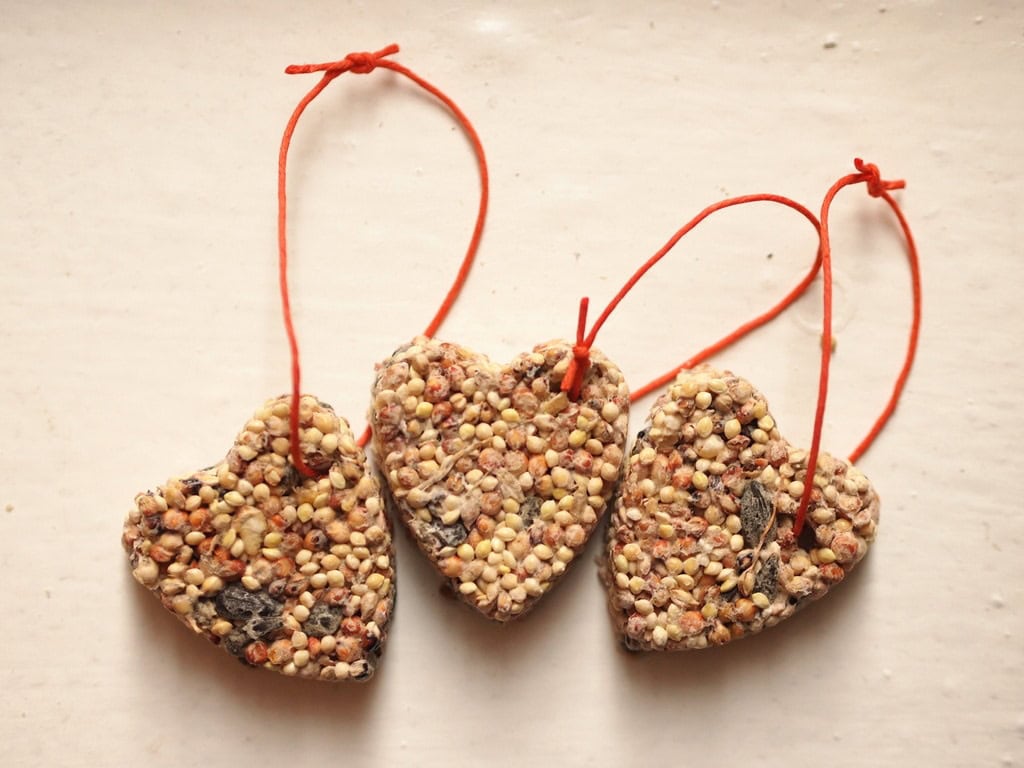
Molds make shaping easy and neat. They come in many shapes like circles, hearts, or stars.
Fill the mold with the seed mix and press firmly. This helps the seeds stick tightly together.
- Choose a clean mold of any shape you like
- Fill the mold with seed mixture
- Press down hard to pack the seeds
- Let the cake dry before removing the mold
Hand Shaping Techniques
You can shape cakes by hand if you don’t have molds. Use gloves or wet your hands to avoid sticking.
Press the seed mix into a ball or flat shape. Make sure it is packed tight for the seeds to hold.
- Wear gloves or wet hands to handle the mix
- Take a handful of the seed mix
- Press and shape into balls or discs
- Pack seeds tightly to keep shape when dry
Drying And Setting
Drying and setting bird seed cakes is an important step. It helps the cakes hold their shape and last longer.
Proper drying stops the cakes from becoming soggy. It also makes them safe for birds to eat.
Air Drying Tips
Air drying is a simple way to set bird seed cakes. It takes time but uses no heat.
Place the cakes on wax paper or a tray. Keep them in a dry, cool place with good air flow.
- Turn the cakes every day to dry evenly
- Keep them away from direct sunlight
- Drying can take 2 to 3 days
- Make sure cakes feel firm before use
Oven Drying Method
Oven drying speeds up the drying process. It uses low heat to dry the cakes safely.
Preheat the oven to a low temperature around 200°F (90°C). Place the cakes on a baking sheet.
- Leave space between each cake for air flow
- Dry for 20 to 30 minutes, checking often
- Turn cakes halfway through drying
- Remove when cakes feel hard and dry

Credit: agwaycapecod.com
Storing Bird Seed Cakes
Storing bird seed cakes properly keeps them fresh and safe for birds. Good storage stops the cakes from spoiling or attracting pests.
Knowing how to store bird seed cakes helps you enjoy feeding birds longer. It keeps the ingredients dry and tasty.
Best Storage Practices
Keep bird seed cakes in a cool, dry place away from direct sunlight. Warmth and moisture cause seeds to rot or mold.
Use airtight containers or sealed bags to protect the cakes. This stops insects and animals from reaching them.
- Store in a sealed plastic or glass container
- Keep away from damp areas like basements
- Place containers in a shaded spot
- Check regularly for signs of mold or pests
Shelf Life Expectations
Bird seed cakes last longer if stored well. Usually, they stay fresh for about 2 to 4 weeks.
Use older cakes first and make new ones in small batches. This keeps the food fresh and safe for birds.
- Fresh cakes: best used within 2 weeks
- Properly stored cakes: can last up to 4 weeks
- Discard cakes with mold or bad smells
Feeding Wild Birds
Making bird seed cakes is a fun way to feed wild birds. These cakes give birds extra energy, especially in cold weather.
Bird seed cakes are simple to make and help birds find food easily. They also bring birds closer to your garden.
Choosing Feeding Locations
Pick safe places for your bird seed cakes. Birds need spots where they feel safe from cats and other animals.
Place the cakes near trees or bushes. These provide shelter and a quick escape for the birds.
- Avoid busy areas with lots of noise
- Keep cakes away from windows to prevent bird strikes
- Use feeders that keep cakes dry and clean
Seasonal Feeding Tips
Birds need more food in winter because natural food is scarce. Offer seed cakes during cold months to help them survive.
In spring and summer, birds eat insects and fruit. You can reduce feeding but still offer seed cakes sometimes.
- Feed more in late fall and winter
- Keep water sources unfrozen in winter
- Clean feeding areas regularly to stop disease
Safety And Environmental Tips
Making bird seed cakes is a fun way to feed birds. It is important to keep safety and nature in mind. This helps birds stay healthy and your garden clean.
Use safe ingredients and keep feeding areas tidy. This prevents harm to birds and stops pests from gathering.
Avoiding Harmful Ingredients
Choose ingredients that are safe for birds. Some foods can hurt them or cause illness. Avoid using anything with salt or sugar.
- Do not add salted nuts or seeds
- Avoid chocolate or sugary treats
- Skip dried fruits with preservatives
- Use plain, natural seeds like sunflower or millet
- Check that all ingredients are fresh and mold-free
Maintaining Clean Feeding Areas
Keep the feeding spots clean to stop diseases and pests. Clean areas help birds stay healthy and happy.
| Task | How Often | Reason |
| Remove old seed cakes | Every 3 days | Prevents mold growth |
| Clean feeding trays | Once a week | Stops bacteria buildup |
| Clear fallen seeds | Daily | Reduces unwanted pests |
| Wash hands after handling | Every time | Protects you and birds |
Frequently Asked Questions
What Ingredients Are Needed To Make Bird Seed Cakes?
You need bird seed mix, melted fat (like suet or lard), and optional additions like nuts or dried fruit. These ingredients bind together and provide nutrition for birds, making the cakes attractive and easy to eat.
How Do You Mold Bird Seed Cakes For Feeding Birds?
Mix seeds and melted fat, then pour into molds or containers. Let them cool and harden until solid. You can use cookie cutters, egg cartons, or small bowls to shape the cakes.
When Is The Best Time To Make Bird Seed Cakes?
Make bird seed cakes in late autumn or winter. Birds need extra energy during cold months. Feeding them then helps them survive harsh weather and find food easily.
Can I Use Homemade Bird Seed Cakes For All Bird Types?
Yes, homemade seed cakes attract many birds like finches, sparrows, and tits. Adjust seed types to suit local bird preferences. Avoid harmful ingredients like chocolate or salt.
Conclusion
Making bird seed cakes is fun and easy. Birds love them. These cakes attract various bird species to your garden. Plus, they’re nutritious for our feathered friends. Creating them at home is cost-effective and rewarding. You control the ingredients, ensuring quality food for birds.
By making these, you help birds thrive, especially in colder months. Try different seeds to see what birds like. Enjoy watching the birds flock to your yard. Happy birdwatching!