Bird Seed Spicy: Easy Tips to Keep Squirrels Away
Are you looking for a simple way to make your bird seed more exciting? Adding a spicy twist to bird seed can attract different types of birds and keep them coming back for more.
Imagine watching colorful birds gather around, enjoying a unique treat you created yourself. In this guide, you’ll discover easy steps to make bird seed spicy, using ingredients you probably already have at home. Keep reading to transform your bird feeding experience and bring more life to your backyard!
Choosing The Right Seeds
Picking the right seeds is key for making bird seed spicy. Not all seeds work well with spices.
The seeds should attract birds and hold the spicy coating without spoiling.
Popular Bird Seeds For Spicing
Some seeds are better for adding spice. These seeds have rough surfaces that hold spices well.
- Sunflower seeds: They are large and easy to coat.
- Safflower seeds: Birds like them, and they take spice well.
- Millet: Small seeds that absorb flavors quickly.
- Nyjer seeds: Tiny but good for spicy blends.
These seeds keep their shape and taste even after adding spices.
Seeds To Avoid
Some seeds do not work well for spicy mixes. They may spoil or lose flavor.
- Flax seeds: They spoil fast and can turn rancid.
- Thistle seeds: Too soft to hold spices well.
- Chia seeds: They get sticky and clump together.
- Corn kernels: Too large and hard to coat evenly.
Avoid these seeds to keep your spicy bird seed fresh and tasty.

Credit: gratefulprayerthankfulheart.com
Selecting Spices for Birds
Adding spices to bird seed can attract more birds to your feeder. It also helps keep pests away. Choosing the right spices is important to keep birds safe and healthy.
Some spices are safe and even good for birds. Others can harm them or make them avoid your feeder. Learn which spices to use and which to avoid.
Safe Spices for Bird Feeders
These spices can add flavor and benefits without hurting birds. Use them in small amounts mixed with bird seed.
- Cinnamon: A natural insect repellent and safe for birds.
- Cloves: Help keep mold away and add a mild scent.
- Ginger: Can aid digestion and is safe in small doses.
- Turmeric: Has anti-inflammatory properties and is non-toxic.
- Nutmeg: Use sparingly; small amounts are safe for most birds.
Spices To Skip
Some spices can be harmful or toxic to birds. Avoid these spices to protect your feathered visitors.
| Spice | Reason to Avoid |
| Chili Powder | Too hot; can hurt birds’ eyes and beaks. |
| Black Pepper | May irritate birds and cause breathing trouble. |
| Onion Powder | Toxic to many bird species. |
| Garlic Powder | Can be harmful in large amounts. |
| Mustard Seed | Strong and can upset birds’ stomachs. |
Preparing The Spicy Mix
Making bird seed spicy helps keep unwanted pests away. It also adds a little twist to regular bird food. You will need to prepare a spicy mix carefully before adding it to the seed.
Start by choosing spices that are safe for birds but discourage squirrels and other animals. Use the right amounts and mix well for the best results.
Measuring Spice Quantities
Use small amounts of spices to avoid harming birds. Too much spice can be dangerous. Measuring spices precisely helps keep the mix safe and effective.
Try to measure spices with a teaspoon or a small measuring spoon. Common spices to use are cayenne pepper, chili powder, and black pepper.
- 1 teaspoon cayenne pepper per 2 cups of bird seed
- 1/2 teaspoon chili powder per 2 cups of bird seed
- 1/4 teaspoon black pepper per 2 cups of bird seed
Mixing Techniques
Mix spices evenly into the bird seed. This ensures each seed is coated with spice. Use a large bowl to spread the spices well.
Stir the seed and spices slowly but thoroughly. You can also shake the mixture in a sealed container to mix evenly without spilling.
- Pour bird seed into a large mixing bowl
- Add measured spices on top of the seed
- Use a spoon or spatula to stir gently
- Or close the container and shake it well
- Check that all seeds have a light spice coating
Credit: creators.yahoo.com
Applying Spices To Seeds
Making bird seed spicy helps keep unwanted animals away. You can add spices to the seeds to make them less tasty for pests.
Using the right way to coat the seeds ensures the spices stick well. This keeps the seeds protected and still safe for birds.
Coating Methods
To coat seeds with spices, first mix your chosen spices with a little oil. The oil helps the spices stick to the seeds better.
After mixing, spread the seeds on a tray. Toss the seeds gently to cover them evenly with the spice mix.
- Use vegetable or olive oil to bind spices
- Mix seeds and spices in a large bowl
- Toss seeds until all are coated
- Do not add too much oil to avoid clumping
Drying And Storage Tips
Dry the coated seeds fully before storing. Spread them on a paper towel or tray in a dry area.
Store seeds in an airtight container. Keep them in a cool, dark place to keep spices fresh.
- Dry seeds for 24-48 hours to remove moisture
- Use breathable containers if storing short-term
- Keep away from heat and sunlight
- Check seeds regularly to avoid mold
Attracting Birds with Spicy Feed
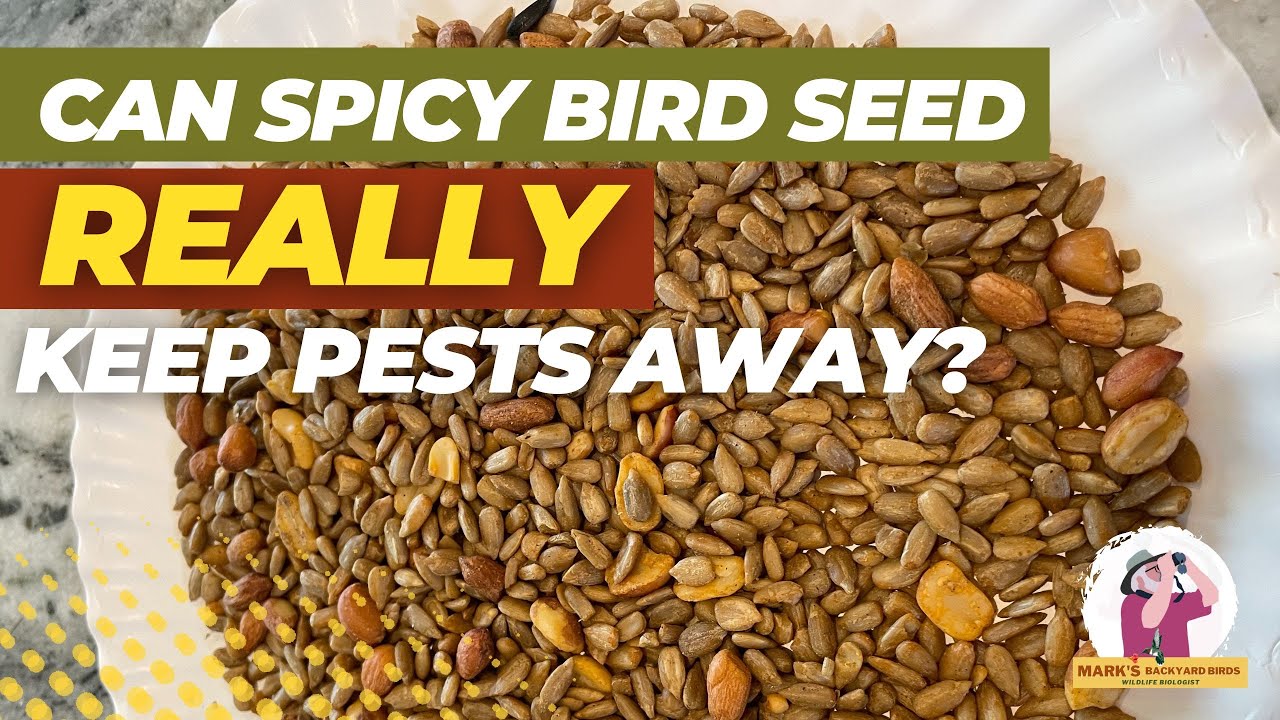
Adding spice to bird seed can attract unique bird species. Spicy feed offers a new flavor that some birds enjoy. It can also help keep squirrels away from your feeders.
To attract birds with spicy feed, choose the right feeders and place them carefully. Both feeder type and placement affect which birds visit your yard.
Best Feeder Types
Some feeder styles work better with spicy bird seed. Tube feeders, platform feeders, and hopper feeders are popular choices. Each holds seed differently and suits various bird species.
- Tube feeders: Keep seeds dry and allow small birds to feed easily.
- Platform feeders: Offer space for larger birds and mixed seed blends.
- Hopper feeders: Store large amounts of seed and release it gradually.
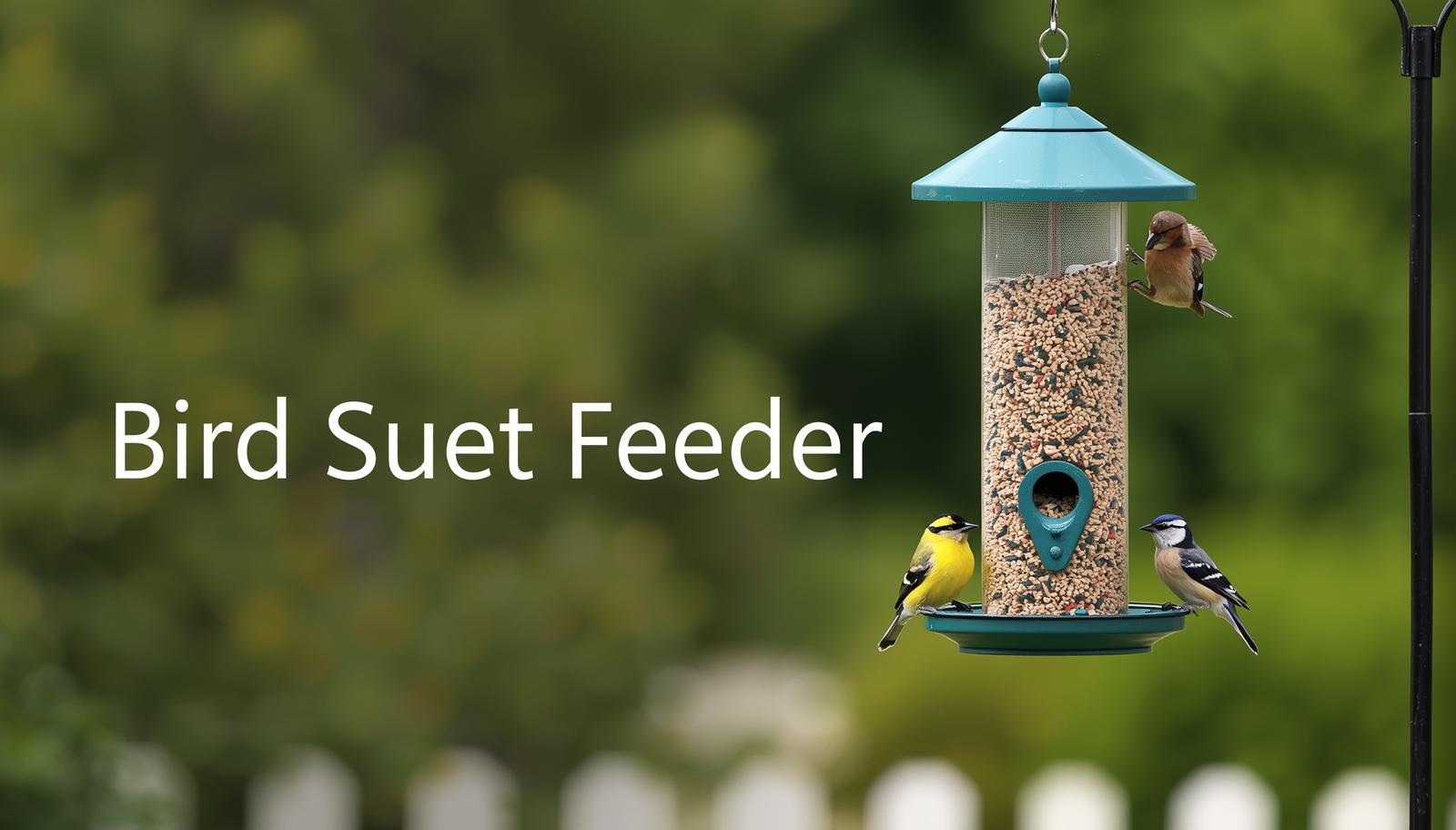
- Suet feeders: Can hold spicy suet cakes for insect-eating birds.
Placement Strategies
Proper placement keeps birds safe and comfortable. It also helps spread the scent of spicy feed to attract them. Place feeders near natural cover like bushes or trees.
| Placement Location | Benefits | Notes |
|---|---|---|
| Near shrubs | Provides quick shelter | Helps birds hide from predators |
| Close to windows | Easy for bird watching | Use window decals to prevent collisions |
| Open areas | Good visibility for birds | May expose birds to predators |
| High poles | Keeps feeders away from ground animals | Secure poles to avoid shaking |
Monitoring Bird Reactions
After adding spices to bird seed, watch how birds respond. This helps keep them safe and happy.
Not all birds like spicy food. Careful observation shows what works best for them.
Signs Birds Enjoy Spicy Seeds
Birds that like spicy seeds will come back often to eat. They may eat more than usual.
Watch for these signs to see if birds enjoy the new taste.
- Birds eat seeds quickly and return regularly
- Birds show active and happy behavior near feeders
- Birds call or chirp more while feeding
- Different bird species try the seeds
Adjusting Spice Levels
Start with a small amount of spice in the seed mix. Increase slowly if birds seem to like it.
If birds avoid the feeder, reduce the spice. The goal is to find a level they enjoy safely.
- Begin with a pinch of mild chili powder
- Watch bird reactions for several days
- Raise spice amount only if birds eat well
- Lower spice immediately if birds stop visiting
Safety Precautions
Making bird seed spicy can attract birds while keeping pests away. It is important to stay safe for the birds and yourself. Using the right ingredients and keeping feeders clean helps protect bird health.
Follow safety steps to avoid harm and keep the feeding area safe. This guide covers key precautions for spicy bird seed mixtures.
Avoiding Harmful Ingredients
Some spices and additives can hurt birds. Use only safe ingredients that birds tolerate well. Avoid anything toxic or too strong.
- Do not use salt or salty seasonings
- Avoid spicy powders like cayenne that are too hot
- Use mild chili powder or paprika in small amounts
- Stay away from artificial flavors and preservatives
- Check that all seeds and spices are fresh and clean
Maintaining Feeder Cleanliness
Clean feeders help prevent mold, bacteria, and disease. Spicy seed mixtures can leave residue that attracts dirt. Clean feeders often for bird safety.
| Cleaning Task | Recommended Frequency |
| Remove old seed and debris | Every 3 days |
| Wash feeder with warm soapy water | Weekly |
| Rinse and dry thoroughly | After each wash |
| Inspect feeder for damage | Monthly |
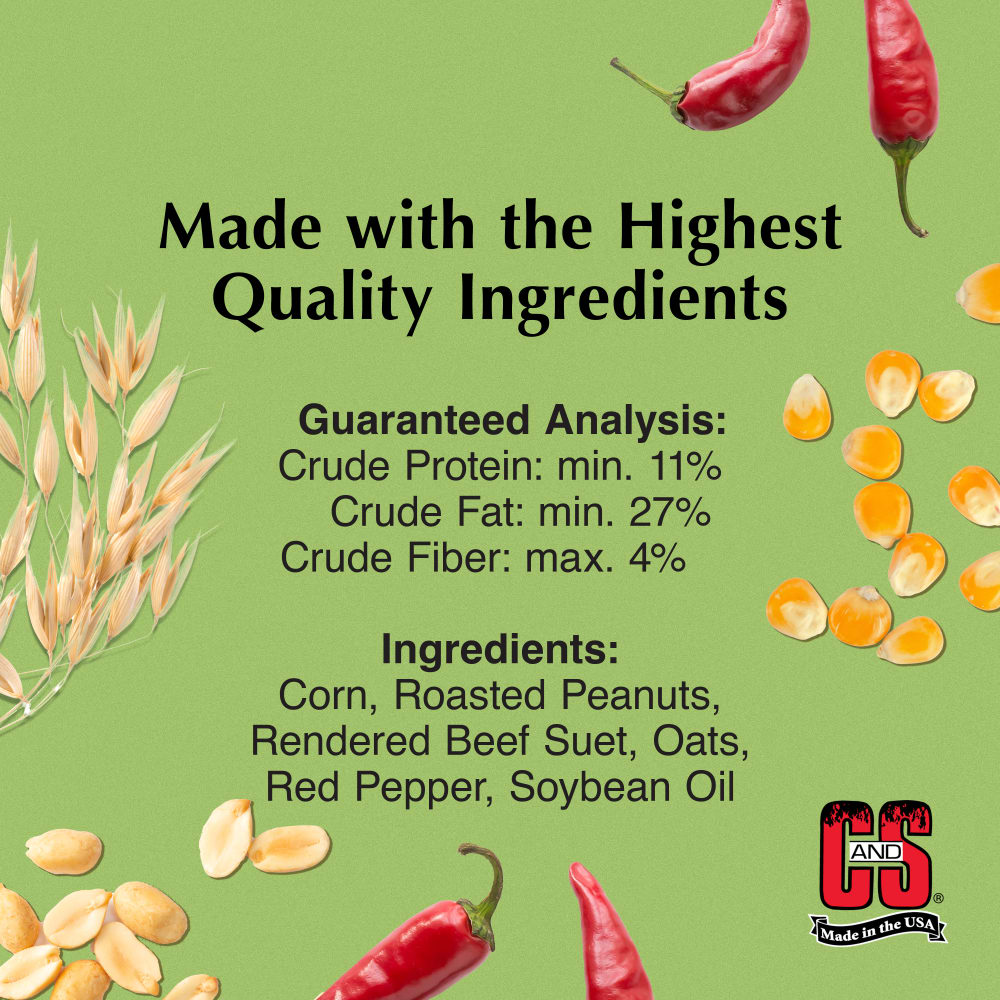
Credit: www.wildbirdsuets.com
Frequently Asked Questions
What Ingredients Make Bird Seed Spicy Safely?
Use mild chili powder or cayenne pepper in small amounts. Avoid toxic spices. Mix gently for even coating. This adds spice without harming birds.
How To Prepare Spicy Bird Seed at Home?
Combine bird seed with a small pinch of chili powder. Stir well to coat seeds evenly. Let it dry before use. This process keeps birds safe and attracts them.
Will Spicy Bird Seed Repel Harmful Animals?
Yes, spicy bird seed deters squirrels and pests. The heat discourages unwanted visitors but does not harm birds. It’s a natural, safe way to protect feeders.
Can Spicy Bird Seed Affect Bird Health?
No, mild spices in small amounts are safe for birds. Avoid strong spices or excessive use. Always monitor bird reactions to ensure safety.
Conclusion
Spicing up bird seed is simple and fun. Birds enjoy the added flavor. You can use chili powder or cayenne pepper. These spices deter squirrels but attract birds. Mixing spices with seed is easy. Just a sprinkle makes a difference.
Your garden becomes lively with cheerful chirps. Remember, too much spice can harm birds. Always use the right amount. Enjoy watching birds flock to your garden. A spicy treat for our feathered friends!