Are you looking for a fun and simple way to attract more birds to your garden? Making bird seed treats is an easy and rewarding activity you can do right at home.
Not only will you enjoy watching a variety of colorful birds visit, but you’ll also provide them with a tasty and nutritious snack. In this guide, you’ll discover step-by-step instructions to create your own bird seed treats using ingredients you probably already have.
Get ready to bring more life and joy to your outdoor space with these delightful homemade treats!
Credit: www.foodnetwork.com
Benefits Of Bird Seed Treats
Bird seed treats are a fun way to feed birds in your yard. They help support local birds through all seasons.
These treats give birds food and bring them closer for you to enjoy. Making your own treats is simple and rewarding.
Attracting Backyard Birds
Bird seed treats draw many types of birds to your backyard. Different seeds attract different bird species.
Using treats helps create a bird-friendly space that invites more birds regularly.
- Sunflower seeds attract cardinals and chickadees
- Millet is loved by sparrows and doves
- Peanuts draw woodpeckers and jays
Nutritional Value For Birds
Bird seed treats provide essential nutrients birds need for energy and health. They contain fats, proteins, and vitamins.
Healthy treats help birds stay strong, especially in cold weather or during migration.
- Seeds supply healthy fats for energy
- Proteins help build feathers and muscles
- Vitamins support immunity and growth
Enhancing Birdwatching Experience
Making and offering bird seed treats improves your birdwatching time. Birds come closer and stay longer.
This lets you see bird colors and behaviors up close. It makes watching birds more fun and relaxing.
- Birds visit more often
- You see more bird types
- Better chance to take photos

Credit: jojotastic.com
Essential Ingredients
Making bird seed treats is easy and fun. Using the right ingredients helps attract many birds.
These treats provide food and energy for birds during cold or dry seasons.
Types Of Bird Seeds
Choosing the right seeds is key. Different seeds attract different kinds of birds.
- Sunflower seeds: Popular with many birds like finches and cardinals.
- Millet: Small seeds loved by sparrows and doves.
- Nyjer (thistle) seeds: Attracts finches and small songbirds.
- Safflower seeds: Good for cardinals and grosbeaks, less liked by squirrels.
- Cracked corn: Attracts larger birds like jays and pigeons.
Natural Binders And Additives
Binders hold the seeds together in a treat. Natural binders are safe and easy to use.
- Peanut butter: Sticky and tasty, helps bind seeds.
- Honey: Natural sweetener and binder, but use small amounts.
- Gelatin: Helps harden the treat, good for cold weather.
- Applesauce: Moist and sticky, adds mild sweetness.
- Vegetable shortening: Holds seeds well but use sparingly.
Optional Extras For Variety
Adding extras makes treats more interesting for birds. These also add nutrition.
- Dried fruits: Raisins or chopped apples add sweetness.
- Oats or cereal flakes: Provide extra texture and energy.
- Chopped nuts: Add crunch and protein.
- Coconut flakes: Attract tropical birds and add flavor.
- Herbs like parsley: Add mild scent and nutrients.
Basic Tools And Supplies
Making bird seed treats is fun and simple. You only need a few basic tools to get started.
These tools help you mix, shape, and store the treats safely. Let’s look at what you need.
Mixing Bowls And Molds
Mixing bowls are important for combining seeds and ingredients. Choose bowls that are easy to clean.
Molds help shape the bird seed treats. You can use silicone molds or simple containers as molds.
- Use large mixing bowls to hold all ingredients
- Silicone molds are flexible and easy to remove treats
- Simple containers like ice cube trays work well
- Make sure molds are clean before use
Storage Containers
Storage containers keep your bird seed treats fresh and safe. Pick containers that seal tightly.
Clear containers help you see the treats inside. Label containers with the date for freshness.
- Use airtight containers to keep treats dry
- Glass or plastic containers both work well
- Label containers with the date made
- Store in a cool, dry place away from pests
Safety And Hygiene Tips
Good safety and hygiene keep the treats healthy for birds. Always wash your hands before making treats.
Clean all tools and surfaces before and after use. Avoid using ingredients that can harm birds.
- Wash hands and tools thoroughly before starting
- Use clean, dry bowls and molds
- Do not add salt, sugar, or chocolate
- Store treats properly to prevent mold
Easy Recipes To Try
Making bird seed treats is a fun way to help your feathered friends. These recipes are simple and need few ingredients.
You can make these treats at home without baking or using gelatin. Try these easy ideas today.
No-bake Seed Bars
No-bake seed bars are quick to make and hold together well. Use honey or syrup as a binder to stick the seeds.
- Mix 2 cups of bird seed with 1/2 cup of honey or corn syrup.
- Press the mix into a lined pan.
- Let it chill in the fridge for 2 hours.
- Cut into bars and hang outside for birds to enjoy.
Peanut Butter Seed Balls
Peanut butter seed balls are sticky and tasty for birds. They also provide extra energy during cold days.
| Ingredient | Amount |
| Peanut butter | 1 cup |
| Bird seed mix | 2 cups |
| Oats (optional) | 1/2 cup |
| Honey | 2 tablespoons |
Mix all ingredients well, form into balls, and chill until firm. Place them outside on branches or feeders.
Gelatin-free Seed Treats
Gelatin-free treats use natural binders like applesauce or mashed banana. These are safe and healthy for birds.
- Mix 1 cup bird seed with 1/2 cup mashed banana or applesauce.
- Shape into small patties or balls.
- Let them dry on wax paper overnight.
- Hang or place on a flat surface outside.
Creative Presentation Ideas
Making bird seed treats is a fun way to feed birds. Presenting these treats creatively attracts more birds. It also makes your garden look cheerful and inviting.
Try different shapes, molds, and colors to make your treats stand out. This guide shows simple ways to present bird seed treats with style and ease.
Shaped Treats For Visual Appeal
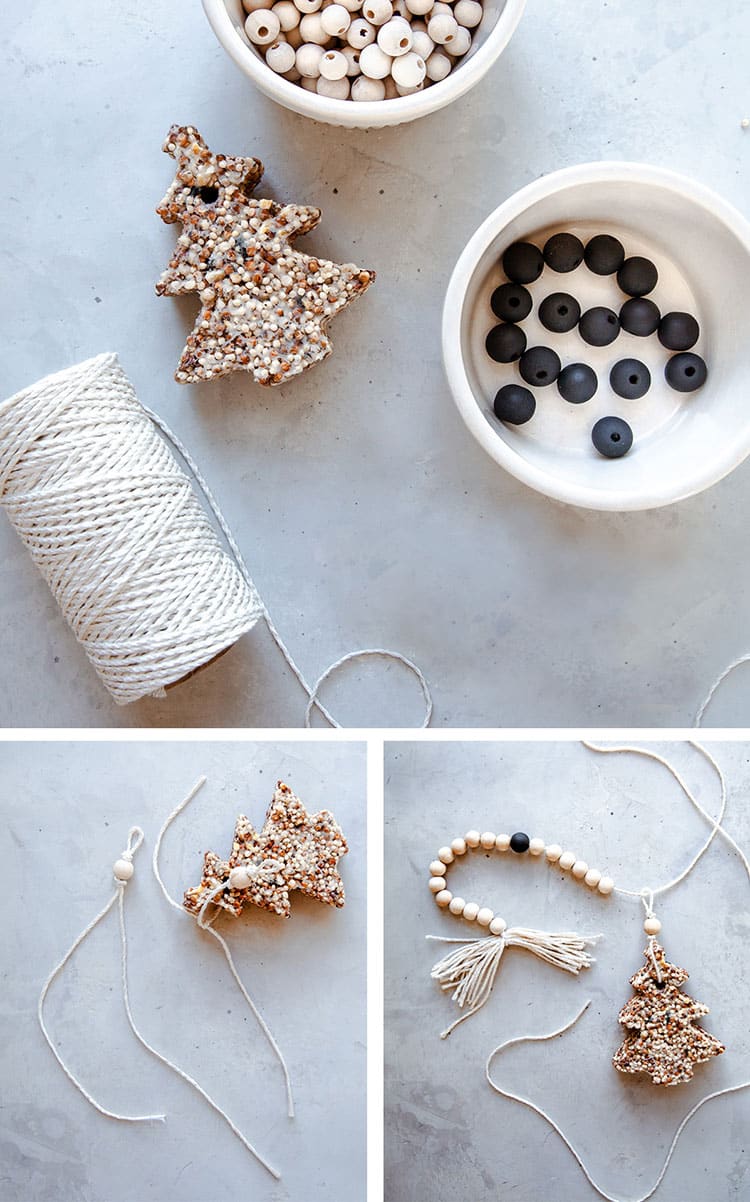
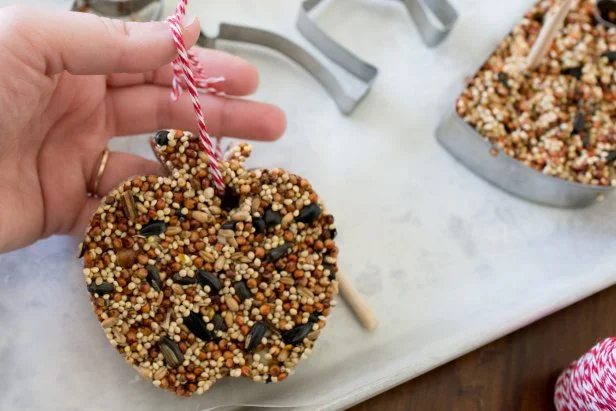
Shaped treats catch birds' attention and add fun to your garden. Use cookie cutters or simple molds to form seeds into shapes like stars or hearts. These shapes make feeding birds more enjoyable to watch.
- Use cookie cutters to shape seed mixtures
- Press seed mix into silicone molds
- Create simple balls or sticks for easy hanging
- Try seasonal shapes like leaves or snowflakes
Using Natural Molds
Natural molds add texture and a rustic look to your bird seed treats. Items like pine cones, shells, or hollowed-out fruits work well. They also make your treats blend nicely with outdoor surroundings.
| Natural Mold | Description | How to Use |
|---|---|---|
| Pine Cones | Textured and easy to hold | Fill gaps with seed paste and let dry |
| Hollowed Fruits | Like orange halves or apples | Fill inside with seed mix and hang |
| Shells | Small and shaped like bowls | Press seed mix inside and cool |
Decorating With Colorful Seeds
Use colorful seeds to make your treats bright and eye-catching. Seeds like red millet, safflower, and sunflower add spots of color. Decorating treats with these seeds draws more birds and makes treats pretty.
- Press colorful seeds on the outside of treats
- Mix different seed colors for patterns
- Use bright seeds to highlight shapes
- Combine colors to match garden flowers

Credit: gluesticksblog.com
Tips For Feeding Birds Safely
Feeding birds is fun and helps them during tough times. You must feed them safely to protect their health.
Making bird seed treats at home is easy. Use safe ingredients and good habits to keep birds healthy.
Avoiding Harmful Ingredients
Some foods can hurt birds. Avoid using ingredients like salt, sugar, or chocolate. These can make birds sick.
Stick to natural seeds, nuts, and dried fruits. These are safe and healthy for most birds.
- Do not add salt or sugar
- Skip chocolate and candy
- Use plain seeds like sunflower or millet
- Avoid moldy or old ingredients
Proper Placement Of Treats
Place treats where birds feel safe. Keep them away from busy roads or places with many pets.
Use feeders or platforms that keep food dry and clean. This stops mold and disease from spreading.
- Choose quiet, shaded spots
- Keep feeders off the ground
- Place feeders near bushes for cover
- Clean feeders regularly to avoid germs
Seasonal Feeding Considerations
Birds need different foods in different seasons. Offer high-energy seeds in cold months to help them stay warm.
In warm seasons, focus on fresh water and lighter foods. Avoid feeding too much during breeding times to not disturb birds.
- Winter: provide high-fat seeds like sunflower
- Summer: offer fresh water and fruits
- Spring: feed lightly to support natural feeding
- Fall: prepare birds for migration with extra food
Troubleshooting Common Issues
Making bird seed treats is fun and rewarding. Sometimes problems happen with the treats. You can fix these issues easily with some tips.
This guide covers common problems like mold, pests, and recipe changes. Use these ideas to keep your treats safe and tasty for birds.
Dealing With Mold And Spoilage
Mold grows on bird seed treats if they get wet or stay in warm places. Spoiled treats are unsafe for birds. Watch your treats carefully.
- Store treats in a cool, dry place.
- Use airtight containers to keep moisture out.
- Make small batches to use treats quickly.
- Check treats often for signs of mold or bad smell.
- Throw away any treats that look or smell spoiled.
Preventing Pest Attraction
Pests like rodents and insects may come to your bird seed treats. They can eat or contaminate the treats. Stop pests with smart steps.
| Action | Why It Helps |
| Keep treats off the ground | Stops easy access for rodents |
| Use sealed containers | Keeps pests out and treats fresh |
| Clean feeding area regularly | Removes food scraps that attract pests |
| Place treats away from buildings | Reduces pest hiding spots nearby |
| Use natural pest repellents | Discourages pests without harming birds |
Adjusting Recipes For Local Bird Species
Different birds like different seeds and treats. Changing recipes helps feed local birds better. Learn what birds in your area prefer.
- Research common birds where you live.
- Add seeds those birds enjoy eating.
- Avoid ingredients harmful to local birds.
- Try mixing new ingredients slowly.
- Watch which treats birds eat most often.
Frequently Asked Questions
What Ingredients Are Best For Homemade Bird Seed Treats?
Use a mix of seeds like sunflower, millet, and cracked corn. Add natural binders like peanut butter or gelatin for shape. Avoid salted or flavored seeds to keep treats safe for birds.
How Do I Make Bird Seed Treats Without Glue?
You can use natural binders like peanut butter or honey. These ingredients hold seeds together without harmful chemicals. Simply mix and press into molds, then let dry before feeding.
Can I Use Bird Seed Treats To Attract Specific Birds?
Yes, certain seeds attract specific birds. Sunflower seeds draw cardinals and chickadees. Nyjer seeds attract finches. Choose seeds based on local bird preferences for best results.
How Long Do Homemade Bird Seed Treats Last?
Homemade bird seed treats last about 1-2 weeks if kept dry. Store them in an airtight container in a cool place. Discard if mold or moisture appears to protect birds’ health.
Conclusion
Crafting bird seed treats is simple and rewarding. Birds love these tasty snacks. Plus, you control the ingredients. This ensures they're healthy and safe. Gather your supplies and start today. Your feathered friends will thank you. These treats also make great gifts.
Share them with family and friends. They'll appreciate the thoughtfulness. Watching birds enjoy your treats is satisfying. It connects you with nature. So, embrace this fun project. Enjoy the process and the chirping visitors it brings. Happy bird watching!