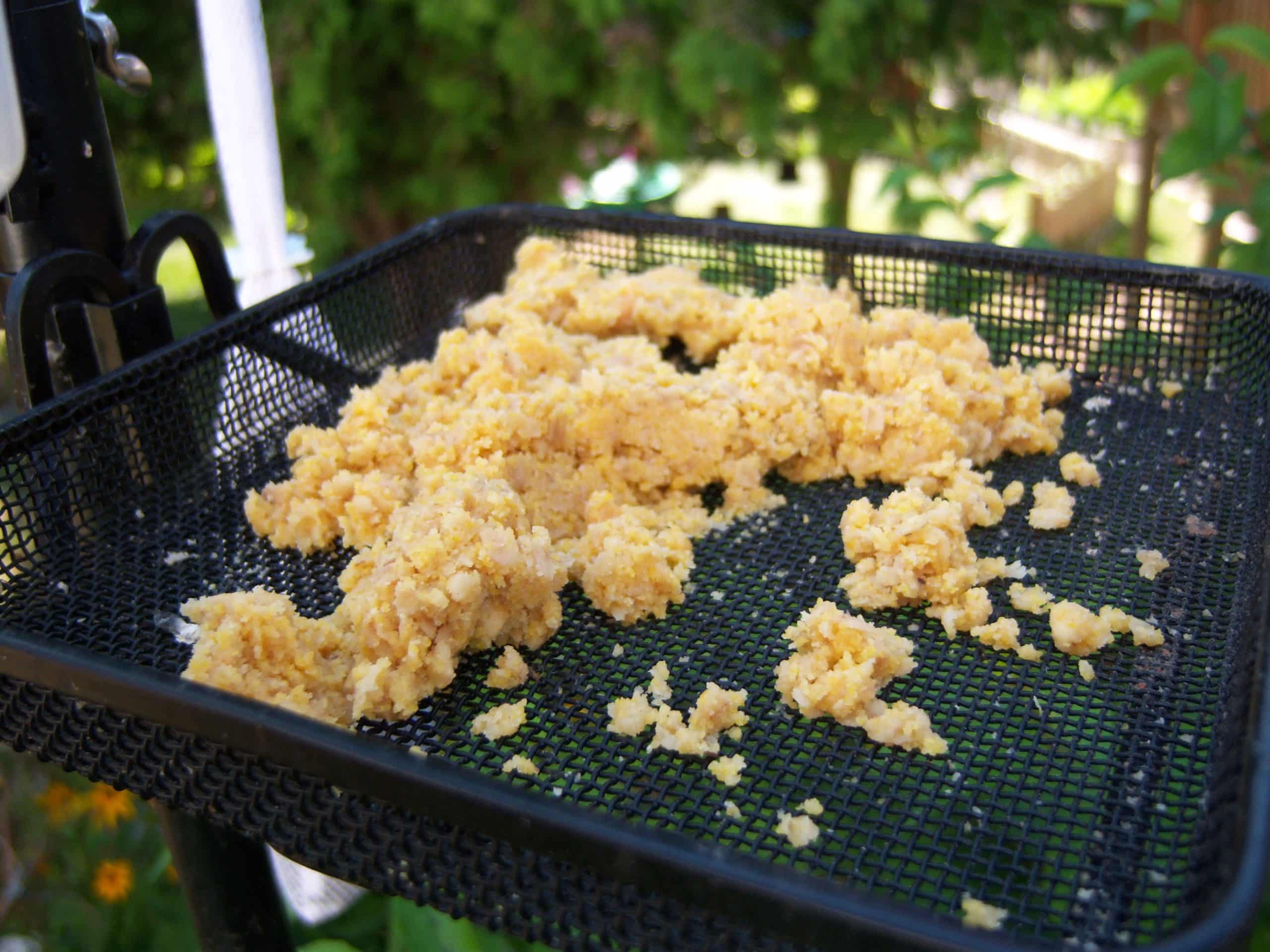
If you love watching birds visit your yard, you know how important it is to keep their food fresh and safe. Traditional suet can melt quickly, making a sticky mess and wasting money.
What if you could make your own bird suet that stays solid, even on hot days? In this guide, you’ll learn exactly how to create no melt bird suet that keeps your feathered friends happy without the hassle. Keep reading to discover simple steps and tips that anyone can follow—your backyard birds will thank you!
Choosing Ingredients
Making no melt bird suet starts with picking the right ingredients. The choices affect how birds enjoy and benefit from your suet.
Focus on safe fats, healthy seeds, and natural binders. Each part plays a role in creating a suet that stays solid and feeds birds well.
Selecting Bird-safe Fats
Use fats that stay solid in warm weather and are safe for birds. Avoid fats with salt or additives. These fats provide energy and keep the suet firm.
- Beef tallow
- Vegetable shortening
- Coconut oil (solid form)
- Unsalted lard
Adding Nutrient-rich Seeds
Seeds add nutrition and attract many bird types. Mix different seeds to offer variety and health benefits.
| Seed Type | Benefits |
| Black oil sunflower | High fat, easy to crack |
| Millet | Good for small birds |
| Cracked corn | Energy-rich |
| Peanuts (chopped) | Protein and fat |
Incorporating Natural Binders
Binders keep suet ingredients from falling apart. Natural binders are safe for birds and help the suet hold its shape.
- Chopped dried fruit
- Oats or rolled grains
- Unsweetened peanut butter
- Flaxseed meal
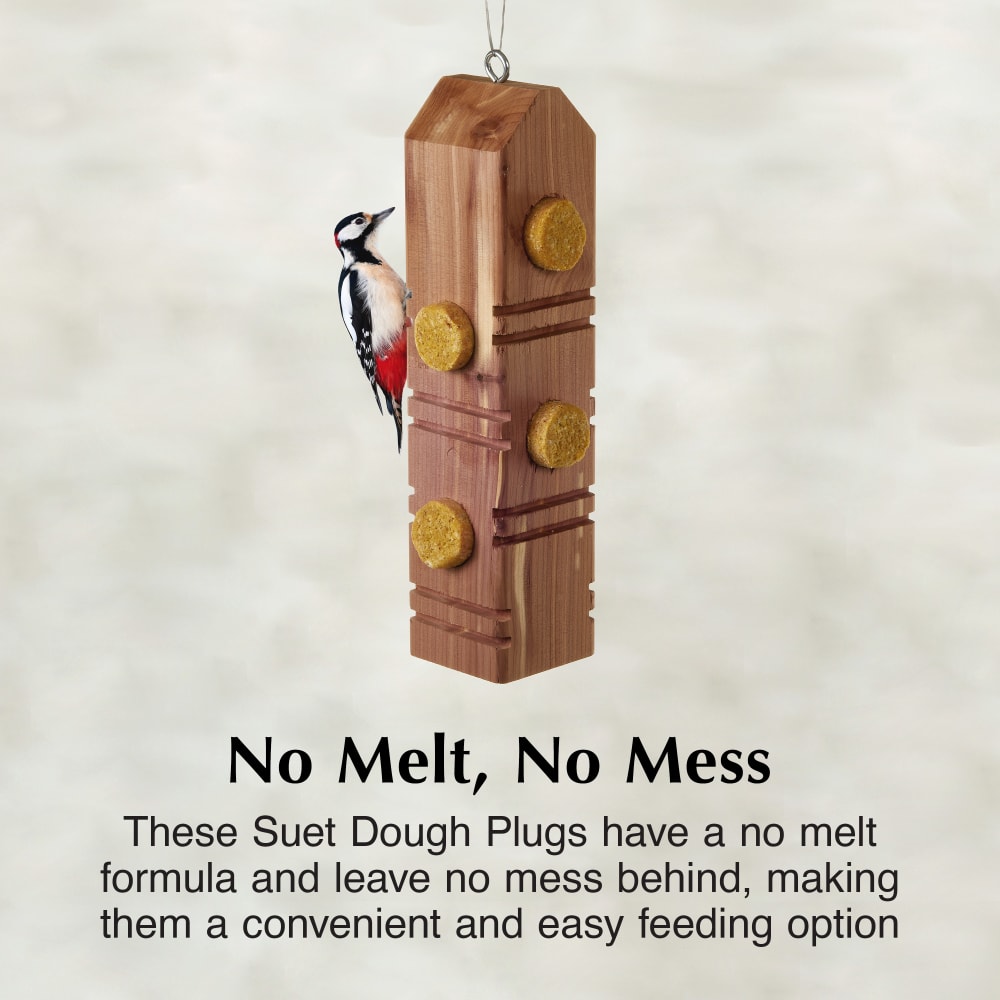
Credit: www.wildbirdsuets.com
Preparing The Suet Mix
Making no melt bird suet requires careful preparation of the mix. The goal is to create a durable suet that stays solid in warm weather.
This guide covers how to melt and combine fats, mix seeds and binders, and adjust the texture for lasting durability.
Melting And Combining Fats
Start by melting your fats slowly on low heat. Use a mix of hard fats like beef suet and vegetable shortening. Avoid high heat to prevent burning.
Once melted, mix the fats thoroughly to create a smooth base. This mix holds the seeds and helps the suet stay solid.
Mixing Seeds And Binders
Add bird seeds, nuts, and dried fruits to the melted fats. Use binders like cornmeal or oats to help hold the mix together.
- Black oil sunflower seeds for high energy
- Cracked corn for texture and nutrition
- Peanuts or chopped nuts for protein
- Oats or cornmeal as binders
- Dried fruits for added nutrients
Adjusting Texture For Durability
| Texture Factor | Effect on Durability |
| Fat to seed ratio | More fat makes suet firmer and longer lasting |
| Type of binder | Oats create firmness; cornmeal adds crumbly texture |
| Cooling method | Slow cooling improves hardness and prevents cracking |
Test the mix by cooling a small amount. If it is too soft, add more fat or binder. Adjust until the suet holds shape well in warm weather.
Molding And Setting
Molding and setting are key steps in making no melt bird suet. They help the mixture hold shape and stay firm in warm weather.
Using the right tools and techniques makes suet easier to handle and lasts longer outdoors for the birds to enjoy.
Choosing Suitable Molds
Pick molds that fit your feeding space and are easy to fill. Silicone and plastic molds work well for no melt suet.
- Silicone molds are flexible and release suet easily.
- Plastic molds are sturdy and keep shape well.
- Avoid metal molds because they can be hard to clean.
- Choose small to medium sizes for quick setting and easy hanging.
- Consider molds with holes or shapes for hanging strings.
Pouring And Compacting Mixture
Pour the warm suet mixture slowly into the mold to avoid air pockets. Use a spoon or spatula to pack it tightly.
| Tip | Reason |
| Fill molds just below the rim | Prevents overflow and makes removal easier |
| Press mixture firmly | Removes air bubbles and holds shape |
| Use warm mixture | Flows better and fills mold evenly |
| Clean mold edges after filling | Keeps suet neat and smooth |
Cooling And Hardening Tips
Cool suet blocks in a cool place for several hours or overnight. This helps them harden properly without melting.
- Place molds in the refrigerator for faster setting.
- Keep molds flat and level during cooling.
- Do not freeze, as it can make suet crumbly.
- Once firm, remove suet carefully from molds.
- Store finished suet in a cool, dry place until use.
Credit: www.wildbirdsuets.com
Storage And Shelf Life
Proper storage helps keep no melt bird suet fresh for a long time. Good storage prevents spoilage and keeps birds safe.
Knowing how to store suet correctly can extend its shelf life. It also stops mold and bad smells from developing.
Keeping Suet Fresh
Store no melt suet in a cool, dry place away from sunlight. Heat and moisture can spoil the suet quickly.
Use airtight containers to keep air and pests out. This keeps the suet fresh and tasty for birds.
- Keep suet in the refrigerator if not used soon
- Use sealed containers or zip-lock bags
- Store suet blocks in a shaded spot outdoors
- Avoid direct sunlight and wet areas
Avoiding Mold And Spoilage
Mold grows when suet is wet or stored too long. Check suet regularly for mold or bad smell.
Throw away any suet that looks or smells off. Feeding spoiled suet can harm birds.
- Keep suet dry and clean at all times
- Remove old or soft suet promptly
- Clean feeders regularly to stop mold growth
- Use fresh suet within a month for best quality
Feeding And Placement
No melt bird suet is a great way to feed birds all year. It stays soft even in warm weather.
Proper feeding and placement help attract more birds to your yard. It keeps them safe and happy.
Best Feeders For No Melt Suet
Choose feeders that hold no melt suet well. They should allow birds easy access to the food.
Metal or plastic cages work best. These materials hold up in warm weather and keep suet secure.
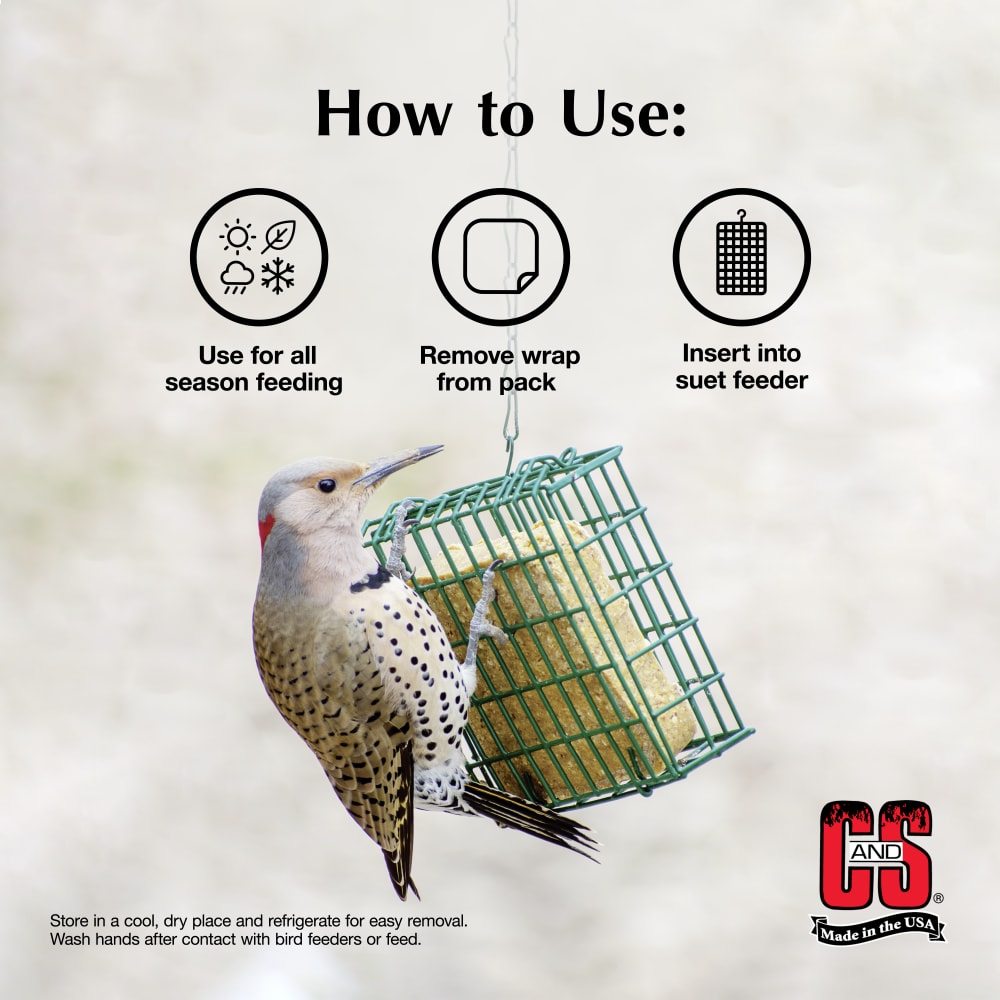
- Cage feeders with small openings prevent large birds from stealing all the suet
- Tray feeders with a cover protect suet from rain and dirt
- Hanging feeders keep suet off the ground and away from squirrels
Ideal Locations To Attract Birds
Place feeders where birds feel safe. Near trees or shrubs is best for shelter and quick escape.
Keep feeders away from busy areas. This reduces stress for the birds and helps you watch them.
- Mount feeders 5 to 6 feet off the ground for safety from predators
- Choose spots with some shade to keep suet cool
- Clear nearby branches so cats cannot hide close by
Seasonal Feeding Considerations
Feeding needs change with the seasons. Birds eat more in cold months and less in warm months.
No melt suet is good for spring and summer. It stays soft and does not spoil in heat.
- In winter, use traditional suet that hardens to provide more energy
- Remove no melt suet in very hot weather if it becomes too soft or messy
- Clean feeders regularly to prevent mold and bacteria growth
Troubleshooting Common Issues
Making no melt bird suet can be tricky. Some problems may stop your suet from staying firm.
This guide helps you fix common issues. Follow simple tips to keep your suet perfect.
Preventing Suet From Melting
Suet melts when the weather is warm. Use ingredients that stay solid at high temperatures.
Coconut oil and peanut butter work well. Avoid using too much fat that melts quickly.
- Use solid fats like coconut oil instead of butter
- Keep suet in the fridge before hanging outside
- Add seeds and grains to absorb moisture
- Place suet in shaded areas to stay cool
Dealing With Pests
Squirrels and ants often try to eat suet meant for birds. This can waste your effort.
Use suet cages to keep squirrels away. Adding spices can stop ants without harming birds.
- Hang suet in squirrel-proof cages
- Add cayenne pepper or chili powder to the mix
- Clean feeders and area regularly to avoid ants
- Use platforms or poles with baffles for protection
Adjusting Recipe For Local Climate
Hot climates need suet that melts less. Cold climates need more energy-rich suet for birds.
Change fat types based on temperature. Add more seeds in cold places for extra bird food.
- Use harder fats like beef tallow in warm areas
- Increase peanut butter or vegetable shortening in cold regions
- Add sunflower seeds and nuts for winter energy
- Reduce oily ingredients during summer months

Credit: gratefulprayerthankfulheart.com
Frequently Asked Questions
What Ingredients Are Needed For No Melt Bird Suet?
No melt bird suet requires fat alternatives like vegetable shortening or coconut oil. Add seeds, nuts, and grains for nutrition. Avoid traditional suet fat, which melts in heat.
How Do I Make No Melt Bird Suet Step-by-step?
Melt the vegetable shortening or coconut oil gently. Mix in birdseed, nuts, and dried fruits. Pour into molds and refrigerate until firm. Keep it stored in a cool place.
Why Choose No Melt Suet For Birds?
No melt suet stays solid in warm weather. It prevents mess and waste, attracting more birds. It’s safer for birds and easier to handle during summer.
Can No Melt Suet Attract Different Bird Species?
Yes, no melt suet attracts many species like woodpeckers, chickadees, and nuthatches. The seeds and nuts provide diverse nutrition. It supports birds year-round, especially in warm climates.
Conclusion
Creating no melt bird suet is simple and rewarding. Birds love this treat. It’s perfect for hot weather. You can enjoy watching birds in your backyard. Use basic ingredients found at home. Mix them well. Shape the suet and store it properly.
Your feathered friends will appreciate it. This homemade suet attracts various bird species. It’s a great way to support local wildlife. You also get to connect with nature. Try making your own batch today. It’s fun and easy. Plus, the birds will thank you! Enjoy this delightful activity and see more birds visit.