
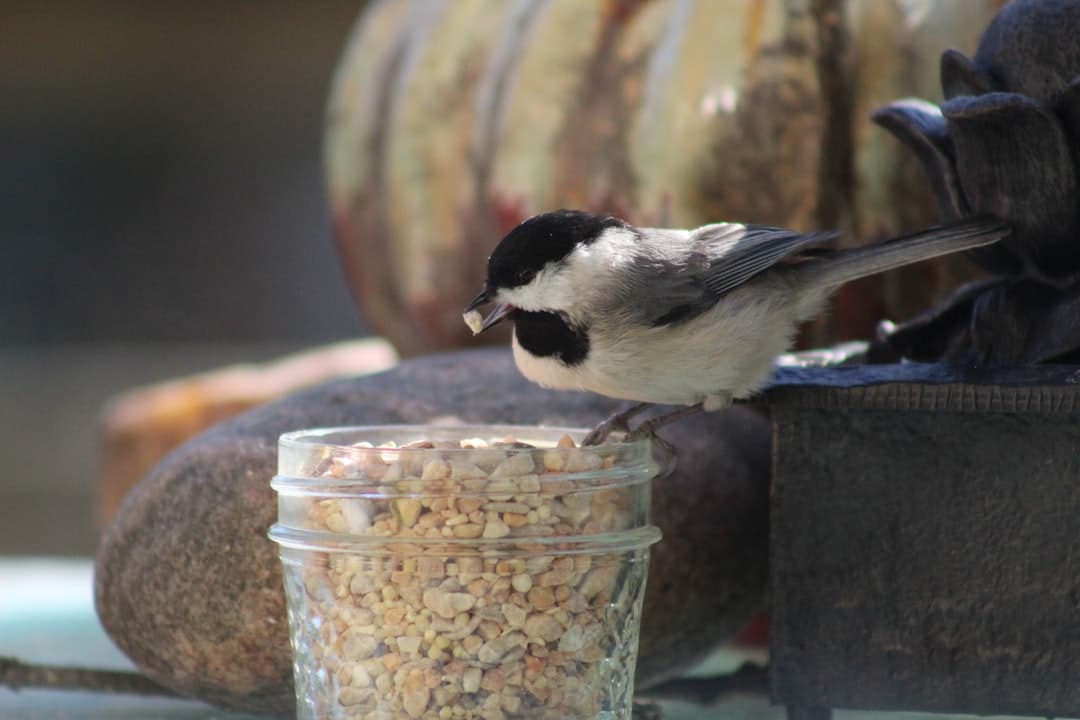
Are you looking for a simple way to attract more birds to your garden? Making your own suet bird food is easier than you think, and it’s a great way to help your feathered friends stay energized, especially in colder months.
Imagine watching colorful birds visit your yard daily, all because of the tasty treat you prepared yourself. In this guide, you’ll discover easy steps to create suet bird food that birds love, using ingredients you can find at home. Keep reading, and you’ll be ready to bring more life and joy to your outdoor space in no time.

Credit: littlesproutslearning.co
Benefits Of Suet For Birds
Suet is a type of bird food made from animal fat. It provides many benefits to wild birds. Many people make suet at home to help birds stay healthy.
Using suet attracts many kinds of birds. It also gives birds extra energy, especially in cold weather. This makes suet a great food choice for your garden birds.
Nutritional Value
Suet is rich in fats that give birds energy. Birds need fat to stay warm and active. Suet also contains some protein and vitamins.
Birds burn a lot of calories flying and searching for food. Suet helps them get enough energy to survive. It is especially important for small birds with fast metabolisms.
- High in fats for energy
- Contains protein for muscle health
- Provides vitamins for good health
Attracting Diverse Bird Species
Suet attracts many different bird types. Woodpeckers, nuthatches, chickadees, and wrens love suet. It also draws larger birds like jays and starlings.
Using suet helps you see more birds in your yard. Different birds prefer suet over seeds or fruit. It adds variety to your bird feeding options.
- Woodpeckers
- Nuthatches
- Chickadees
- Wrens
- Jays
- Starlings
Supporting Birds In Winter
Birds need extra food in winter when insects are scarce. Suet gives them the energy to stay warm. It helps birds survive cold days and nights.
Offering suet during winter supports bird health and strength. It keeps their bodies fueled when food is hard to find. Suet feeders are useful in snowy or icy weather.
- Provides energy in cold weather
- Helps birds stay warm
- Supports survival when food is low
- Works well in snow and ice
Essential Ingredients
Making suet bird food needs a few key ingredients. These ingredients provide energy and nutrients to wild birds.
Choosing the right fats, seeds, and extras helps attract many bird species to your yard.
Types Of Fat To Use
Fats are the main part of suet. They give birds energy, especially in cold weather. Use solid fats that stay firm at room temperature.
- Beef suet from grass-fed cows is a good choice.
- Pork fat can work but may spoil faster.
- Vegetable shortening is a vegetarian option.
- Avoid oils that melt easily in warm weather.
Adding Seeds And Grains
Seeds and grains add texture and nutrition. Birds love a mix of these in their suet.
| Seed or Grain | Benefits |
| Sunflower seeds | High in fat and protein |
| Millet | Small birds like sparrows enjoy it |
| Cracked corn | Good energy source for many birds |
| Oats | Easy to digest and filling |
Optional Extras For Nutrition
You can add extras to boost nutrition. These help attract a wider variety of birds.
- Dried fruits like raisins or cranberries provide sugars and vitamins.
- Chopped nuts add fats and crunch.
- Mealworms offer protein for insect-eating birds.
- Crushed eggshells add calcium for strong bones.
Tools And Materials Needed
Making suet bird food is simple and fun. You need a few tools and materials to get started.
These items help you mix, shape, and store the suet safely for your feathered friends.
Containers And Molds
Containers and molds give shape to the suet so birds can eat it easily. You can reuse many household items.
Look for containers that are safe for food and easy to clean.
- Plastic or metal suet cages
- Silicone molds in different shapes
- Small containers like yogurt cups
- Ice cube trays
- Paper cupcake liners
Mixing Equipment
You need simple tools to mix ingredients thoroughly. Use items that are clean and sturdy.
Mixing by hand or with basic kitchen tools works well.
- Large mixing bowl
- Wooden spoon or spatula
- Measuring cups and spoons
- Gloves to keep hands clean
- Microwave-safe bowl for melting fat
Storage Options
Store suet bird food in a cool place to keep it fresh. Proper storage helps avoid spoilage.
Choose containers that seal well and protect from moisture and pests.
- Airtight plastic containers
- Zip-top freezer bags
- Reusable glass jars with lids
- Cool basement or refrigerator
- Label containers with date made

Credit: www.willyswilderness.org
Step-by-step Preparation
Making suet bird food is simple and fun. You only need a few ingredients and some basic tools.
Follow these steps to create tasty suet blocks for your feathered friends.
Melting The Fat Safely
Start by melting the fat slowly to avoid burning it. Use a double boiler or a heat-safe bowl over hot water.
Keep the heat low and stir often until the fat becomes liquid. Do not leave it unattended.
- Use beef suet or lard for best results
- Cut fat into small pieces for faster melting
- Stir gently to prevent hot spots
Mixing Ingredients Thoroughly
Once the fat is melted, add dry ingredients like seeds, nuts, and oats. Mix well to spread them evenly.
Use a spoon or spatula to blend everything into a uniform mixture. This helps birds get all nutrients in each bite.
- Common ingredients: sunflower seeds, peanuts, cracked corn
- Optional: dried fruits or mealworms for variety
- Mix until all ingredients are coated with fat
Pouring Into Molds
Pour the suet mixture into molds or containers while still warm. This shapes the suet for easy feeding.
Use silicone molds, small containers, or even paper cups. Fill them evenly without spilling.
- Grease molds lightly for easy removal
- Do not overfill; leave some space at the top
- Use a spoon to press mixture firmly if needed
Cooling And Setting
Place molds in the fridge or a cool place to harden. This usually takes a few hours.
After the suet hardens, remove it from molds and store in an airtight container until use.
- Do not freeze; it changes texture
- Store suet in a cool, dry place
- Use within two weeks for freshness
Tips For Success
Making suet bird food is simple and rewarding. This guide shares key tips to help your bird food attract more visitors. Follow these ideas to make your suet mix the best it can be.
Good preparation and care ensure your suet stays fresh and safe for birds. Read on to learn about common mistakes, recipe changes for seasons, and keeping your suet fresh.
Avoiding Common Mistakes
Many beginners make errors that reduce the quality of their suet. Avoid these to keep birds coming back happily.
- Do not use salted or flavored fats as they harm birds.
- Mix ingredients while the fat is warm but not hot to keep seeds intact.
- Avoid putting suet in direct sunlight; it melts quickly and spoils.
- Do not overload feeders with too much suet at once.
- Keep your hands clean to prevent contamination of the mix.
Adjusting Recipes For Seasons
Birds’ needs change with the weather. Change your suet recipes to fit each season. Use this table to guide your ingredient choices.
| Season | Best Ingredients | Notes |
| Winter | High-fat suet, peanuts, sunflower seeds | Helps birds stay warm |
| Spring | Suet with dried fruits, insects | Supports breeding birds |
| Summer | Less fat, more nuts and seeds | Avoids melting in heat |
| Fall | Fat-rich suet, berries | Builds energy for winter |
Maintaining Freshness
Fresh suet lasts longer and feeds birds better. Use these tips to keep your suet fresh and safe.
- Store suet in the fridge or freezer until use.
- Use airtight containers to prevent odors and mold.
- Replace suet every few days during warm weather.
- Clean feeders regularly to avoid bacteria buildup.
- Watch for signs of spoilage like bad smell or color change.
Feeding And Placement
Making suet bird food is a great way to attract wild birds. Proper feeding and placement help birds find and enjoy the food.
Choosing the right feeder and placing it well keeps birds safe and makes feeding easy. Clean feeders keep birds healthy.
Choosing The Right Feeder
Use a feeder made for suet cakes or blocks. These feeders hold the suet firmly and let birds cling easily.
Look for feeders with wire cages or mesh. They let birds peck the suet and stop large animals from taking it.
- Wire cage feeders keep suet secure
- Mesh feeders allow easy bird access
- Feeders with a roof protect suet from rain
- Choose feeders that hang or mount on a pole
Best Locations For Placement
Place suet feeders where birds feel safe. Good spots attract more birds to your yard.
Keep feeders away from busy areas and predators like cats. Place them near trees or shrubs for cover.
- Hang feeders 5 to 6 feet above ground
- Choose quiet, sheltered spots
- Near natural cover like bushes or trees
- Avoid placing near windows to prevent collisions
Cleaning And Maintenance
Clean feeders regularly to stop mold and disease. Old suet can spoil and harm birds.
Remove leftover suet and wash feeders with warm, soapy water. Rinse well and dry before refilling.
- Clean feeders every two weeks in warm weather
- Remove suet quickly if it melts or spoils
- Check feeders for damage or rust
- Replace feeders if they become unsafe
Troubleshooting Common Issues
Making suet bird food is fun and helps birds stay healthy. Sometimes, problems can happen. These problems can stop birds from eating or cause waste.
It is important to spot and fix these issues fast. This guide will help you with three common problems and how to solve them.
Preventing Melted Suet
Suet can melt easily in warm weather. Melted suet makes a mess and can spoil the food. Keep suet solid by storing it right.
Place suet feeders in shaded spots. Avoid direct sunlight. Cooler places help suet stay firm longer.
- Use suet mixes designed for warm weather.
- Feed suet during cooler parts of the day.
- Store extra suet in the fridge or freezer.
- Choose feeders that allow air flow to keep suet cool.
Dealing With Pests
Pests like squirrels and raccoons can steal suet. These animals make a mess and scare birds away. Stop pests to protect your food.
Use feeders that are hard for pests to reach. Keep the area clean of spilled food. This reduces pest visits.
- Try weight-sensitive feeders that close for heavy animals.
- Place suet feeders on poles with baffles.
- Remove suet at night when pests are most active.
- Clean feeders regularly to avoid smells that attract pests.
Monitoring Bird Activity
Watching how birds use suet helps you see if the food and feeder work well. Changes in bird visits show if there is a problem.
Keep a simple log of bird types and numbers. Note when suet runs out fast or stays too long. This helps you adjust feeding.
- Check feeders daily for suet supply and condition.
- Write down bird species and count during feeding.
- Look for signs of damage or dirt on feeders.
- Change suet type or feeder location based on bird activity.

Credit: gratefulprayerthankfulheart.com
Frequently Asked Questions
What Ingredients Are Needed To Make Suet Bird Food?
Suet bird food requires fat, such as beef suet or lard, mixed with seeds, nuts, and dried fruits. These ingredients provide energy and nutrients for birds, especially in cold weather.
How Do You Safely Melt Suet For Bird Food?
Melt suet slowly over low heat to avoid burning. Use a double boiler or microwave in short bursts, stirring frequently for even melting.
Can Homemade Suet Attract Different Bird Species?
Yes, homemade suet attracts various birds like woodpeckers, chickadees, and nuthatches. Adding diverse seeds and fruits increases bird variety at feeders.
When Is The Best Time To Offer Suet To Birds?
Offer suet primarily in colder months when birds need extra energy. Avoid using suet in hot weather as it can spoil quickly.
Conclusion
Making suet bird food is simple and rewarding. Birds love the nutritious treat. Your homemade suet attracts a variety of birds. It also ensures they get needed energy. Create it with ingredients found at home. Customize it with seeds and nuts.
Birds will visit your garden more often. Enjoy watching them feast and flutter. Making suet can be a fun family activity. Try different recipes and see what birds prefer. Enjoy the beauty and sounds of nature. Your efforts will help local birds thrive.
Happy bird feeding!



