Are you looking for a simple way to attract more wild birds to your backyard? Making your own wild bird suet cakes is easier than you think, and it’s a great way to provide birds with the energy they need, especially during colder months.
Imagine watching colorful birds gather around your feeder, happily enjoying a treat you made yourself. In this guide, you’ll learn step-by-step how to create suet cakes that birds love. Keep reading to discover the easy ingredients and tips that will help you bring nature closer to your home.
Benefits Of Suet Cakes
Suet cakes are a great food source for wild birds. They provide energy and nutrients that birds need to survive.
Making your own suet cakes is easy and lets you control the ingredients. This helps attract many bird types to your yard.
Why Birds Love Suet
Birds like suet because it offers a rich source of fat. Fat helps birds stay warm and active, especially in cold weather.
Suet is soft and easy to eat. Many birds prefer it over seeds or nuts because it gives quick energy.
Nutritional Value
Suet cakes contain fats, proteins, and sometimes seeds or fruits. These nutrients support bird health and growth.
- Fat provides energy for flying and warmth
- Protein helps build feathers and muscles
- Seeds add vitamins and minerals
Attracting Different Bird Species
Suet cakes attract many bird types. Adding different seeds or fruits can bring even more species to your yard.
- Woodpeckers enjoy plain suet
- Chickadees like suet with sunflower seeds
- Nuthatches prefer suet with peanut bits
- Wrens are drawn to suet with dried fruits

Credit: littlesproutslearning.co
Choosing Ingredients
Making wild bird suet cakes starts with choosing the right ingredients. These ingredients provide energy and nutrients for birds.
Pick ingredients that are safe and loved by many bird species. This helps attract more birds to your feeders.
Types Of Fats To Use
Fats are the main energy source in suet cakes. Choose fats that stay solid in warm weather and are safe for birds.
Common fats include beef suet and vegetable shortening. Avoid fats with salt or additives that can harm birds.
- Beef suet is natural and high in energy
- Vegetable shortening stays solid longer
- Coconut oil is good but melts easily
- Avoid butter or margarine
Seeds And Grains Options
Seeds and grains add texture and nutrition to suet cakes. Birds enjoy a variety of seeds for different tastes.
Use seeds that attract many birds and are easy to find. Mix different types to keep birds interested.
- Black oil sunflower seeds are popular and nutritious
- Millet is small and easy to eat
- Cracked corn attracts larger birds
- Safflower seeds are good for cardinals
Adding Fruits And Nuts
Fruits and nuts add variety and extra nutrients to suet cakes. Many birds love these tasty treats.
Choose dried fruits and unsalted nuts to keep suet fresh and safe. Cut them into small pieces for easy eating.
- Dried raisins or cranberries add sweetness
- Chopped peanuts give protein and crunch
- Chopped almonds or walnuts add healthy fats
- Avoid salted or sugared nuts
Tools And Materials Needed
Making wild bird suet cakes needs some simple tools and materials. These items help you prepare and store the suet safely.
Knowing what to use makes the process easy and fun. You do not need fancy equipment to get started.
Basic Kitchen Supplies
Start with basic kitchen supplies to prepare the suet mixture. These tools keep the process clean and organized.
- Mixing bowl for combining ingredients
- Measuring cups and spoons for accuracy
- Wooden spoon or spatula for stirring
- Knife for chopping nuts or seeds
- Cutting board for safe chopping
- Microwave-safe bowl if melting fat
Molds And Containers
You need molds or containers to shape the suet cakes. Choose items that suit the size and shape you want.
Reusable molds make it easy to remove the cakes when they are ready. You can use household items too.
- Silicone molds for easy release
- Empty yogurt cups or small containers
- Ice cube trays for bite-sized cakes
- Loaf pan for large suet blocks
- Paper cupcake liners for single servings
Storage Solutions
Proper storage keeps suet cakes fresh and safe for birds. Use containers that protect from air and moisture.
Label your storage containers with the date to track freshness. Store in a cool place or freezer until use.
- Plastic containers with tight lids
- Zip-top freezer bags for compact storage
- Glass jars for long-term freshness
- Freezer space to keep suet firm
- Labels and markers for dates
Credit: dailyappetite.com
Step-by-step Suet Cake Recipe
Making wild bird suet cakes is simple and fun. These cakes give birds energy, especially in cold weather.
Follow these steps to create your own suet cakes at home. You only need a few ingredients and tools.
Preparing The Fat Base
Start by choosing the right fat for your suet cake. Use beef suet or lard as the base. Avoid fats that melt easily in heat.
Chop the fat into small pieces. Melt it slowly in a pan over low heat. Stir often to avoid burning.
Mixing Ingredients
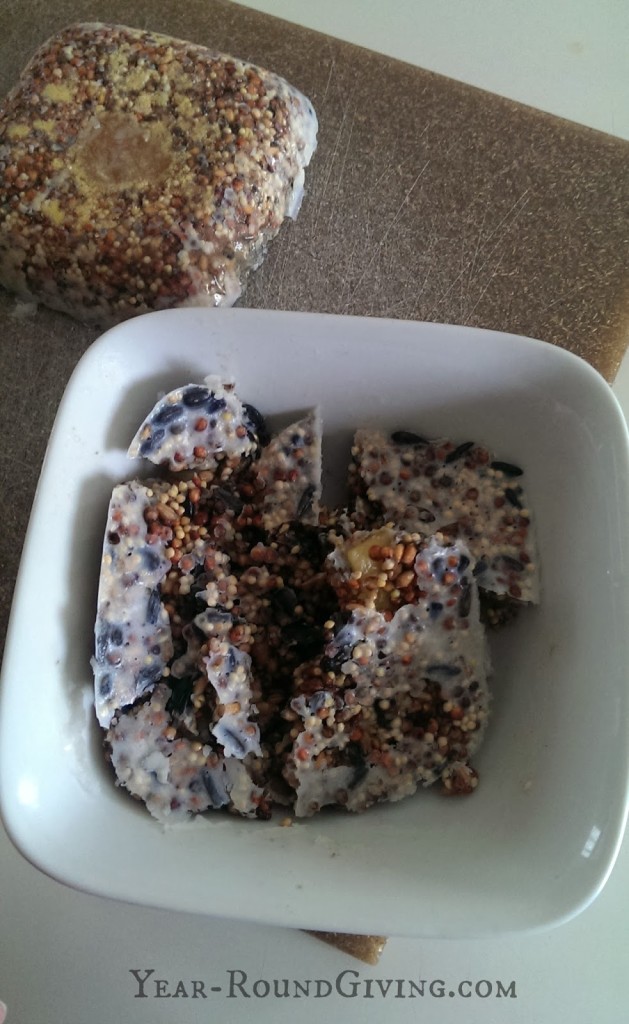
Once the fat is melted, remove it from heat. Add dry ingredients like seeds, nuts, and oats. Mix well to spread ingredients evenly.
- Use sunflower seeds for protein
- Add peanuts for healthy fats
- Include oats for energy
- Try dried fruit for extra flavor
Shaping And Cooling
Pour the mixture into molds or containers. Press it down firmly to hold shape. Use ice cube trays or small containers.
Place the molds in the fridge or outside if cold. Let the suet cakes cool and harden for several hours before use.
Safety Tips For Birds And People
Making wild bird suet cakes is a fun way to help birds. It is important to keep both birds and people safe. Using the right ingredients and following good habits can protect everyone.
This guide covers safe ingredients, handling tips, and keeping feeding areas clean. These steps help birds stay healthy and avoid harm.
Avoiding Harmful Ingredients
Not all ingredients are safe for wild birds. Some common foods can hurt birds or make them sick.
- Avoid using salt or salted nuts in suet cakes.
- Do not add chocolate or anything with caffeine.
- Skip using sugary or processed foods.
- Steer clear of moldy or spoiled ingredients.
- Use unsalted peanuts and natural fats like lard or suet.
Handling And Storage Precautions
Safe handling and storage keep suet cakes fresh and free from germs. This protects both birds and people from illness.
| Tip | Reason |
| Wash hands before and after making suet | Prevents spread of germs |
| Store suet cakes in the fridge or freezer | Keeps them fresh and stops mold |
| Use clean containers for storage | Avoids contamination |
| Discard old or smelly suet cakes | Prevents bird sickness |
Maintaining Clean Feeding Areas
Keeping feeding spots clean helps stop disease and keeps birds healthy. Clean areas also protect your family and pets.
- Clean feeders and trays regularly with warm water.
- Remove old food and debris daily.
- Place feeders where water drains well to avoid standing water.
- Use gloves or wash hands after cleaning feeders.

Credit: littlesproutslearning.co
Seasonal Variations And Tips
Making wild bird suet cakes changes with the seasons. Birds need different nutrients at different times of the year.
Adjusting ingredients helps keep birds healthy and happy all year. Use simple tips to create the best suet cakes for each season.
Winter Energy Boosters
Birds need more energy in winter to stay warm. Suet cakes with high fat content help them survive cold days.
Add nuts and seeds that provide extra calories. These give birds strong energy to fly and keep warm.
- Use beef fat or lard as the base
- Add peanuts, sunflower seeds, or suet pellets
- Include dried fruits for vitamins
- Avoid fresh fruits that freeze easily
Summer-friendly Suet Options
In summer, birds eat less fat and want lighter foods. Suet cakes should be softer and less greasy.
Use vegetable fats that stay solid but melt less in heat. Add fresh fruits and insects for protein.
- Use coconut oil or vegetable shortening
- Add chopped apples, berries, or raisins
- Include mealworms or crickets for protein
- Keep cakes in a cool, shaded spot
Adapting Recipes For Local Birds
Different birds eat different foods. Learn which birds live nearby before making suet cakes.
Use ingredients that local birds like. This helps them find food easily and stay healthy.
| Bird Type | Preferred Ingredients |
|---|---|
| Woodpeckers | Peanuts, sunflower seeds, suet pellets |
| Chickadees | Sunflower seeds, dried berries, insects |
| Nuthatches | Peanuts, suet, mealworms |
| Blue Jays | Peanuts, corn, sunflower seeds |
Displaying And Hanging Suet Cakes
Suet cakes are a great way to feed wild birds in your yard. Displaying and hanging them correctly helps attract more birds.
Proper placement keeps the suet safe and easy for birds to reach. It also helps protect the cakes from weather and pests.
Best Locations In Your Yard
Place suet cakes where birds feel safe and comfortable. Choose spots with some cover like trees or shrubs nearby.
Keep suet away from busy areas and strong winds. Birds prefer quiet places to feed without being disturbed.
- Near branches or bushes for quick escape
- In shaded areas to prevent suet from melting
- At least 5 feet off the ground to avoid predators
Using Suet Feeders
Suet feeders hold the cakes securely and make it easy for birds to feed. They come in cages or trays designed for suet.
Hang feeders on hooks or branches. Make sure they are stable and easy to clean to keep birds healthy.
- Choose feeders with small openings to keep suet in place
- Use metal feeders to prevent damage from squirrels
- Clean feeders regularly to avoid mold and bacteria
Preventing Squirrel Raids
Squirrels love suet cakes but can scare away birds. Use tactics to keep squirrels from stealing the food.
Try special squirrel-proof feeders or place a baffle above the feeder. This makes it harder for squirrels to reach the suet.
- Install a metal baffle on the pole or tree
- Use feeders with weight-sensitive perches
- Place suet feeders away from jumping points like fences
Troubleshooting Common Issues
Making wild bird suet cakes is fun and helpful for birds. Sometimes, problems happen during the process. Knowing how to fix these issues will help you make better cakes.
This guide covers three common problems: suet melting, birds ignoring the cakes, and pests visiting the suet.
Suet Melting Problems
Suet can melt too quickly in warm weather. This makes a mess and wastes food. It also stops birds from enjoying the cake.
Use harder fats like beef suet to keep cakes firm. You can also add seeds or cornmeal to help hold the shape. Keep cakes in a shaded, cool place outside.
- Use beef suet or fat with a high melting point
- Add dry ingredients like seeds or cornmeal
- Place cakes in shady areas away from direct sun
- Make smaller cakes to reduce melting
Birds Ignoring The Cakes
Sometimes birds do not visit the suet cakes. This can happen if the cakes are too hard or the location is wrong. Birds may also prefer other food sources.
Try placing cakes near trees or bushes where birds feel safe. Change the recipe to include popular ingredients like sunflower seeds or peanut butter. Be patient as birds may take time to find new food.
- Put cakes near natural cover like shrubs or trees
- Add favorite seeds and nuts to the mix
- Keep cakes fresh and replace old ones
- Wait a few days for birds to discover the cakes
Pest Control Strategies
Pests such as squirrels and ants often try to eat suet cakes. They can spoil the food and scare birds away. Controlling pests helps keep suet cakes safe.
Use special suet feeders designed to stop squirrels. Place cakes on poles with baffles to block pests. Clean the area regularly to remove crumbs and spills that attract pests.
- Use squirrel-proof suet feeders
- Install baffles on poles to block pests
- Keep feeding area clean and free of crumbs
- Check feeders often and remove spoiled suet
Frequently Asked Questions
What Ingredients Are Needed For Wild Bird Suet Cakes?
You need suet or lard, birdseed, oats, and nuts. Mix these to attract various wild birds. Avoid salted or flavored items.
How Do You Safely Melt Suet For Bird Cakes?
Melt suet slowly over low heat in a pan. Stir continuously to prevent burning. Do not overheat or boil the suet.
Which Birds Are Attracted To Homemade Suet Cakes?
Woodpeckers, chickadees, nuthatches, and wrens love suet cakes. Suet provides high energy, especially in cold weather. It attracts insect-eating birds.
How Can I Store Homemade Suet Cakes?
Store suet cakes in an airtight container in the fridge. They last several weeks when refrigerated. For longer storage, freeze the cakes.
Conclusion
Making wild bird suet cakes is simple and rewarding. Birds love homemade treats, and it’s fun to watch them. Use basic ingredients like seeds and fat. Mix, mold, and freeze. Place suet cakes in feeders or on trees. Observe different bird species visit your garden.
Enjoy nature’s beauty right at home. Sharing suet cakes with birds helps their nutrition. It also creates a lively garden atmosphere. Try new recipes and see what birds prefer. With some effort, you can support local wildlife. Enjoy your birdwatching experience.