Have you ever wished your yard could become a safe haven for birds? Creating a bird-friendly space not only brings beautiful feathered friends closer but also fills your outdoor area with life and color.
But how do you make sure your yard is truly safe for them? You’ll discover simple, effective ways to protect birds while inviting them to visit regularly. Keep reading, and you’ll learn easy steps that anyone can take to turn their yard into a bird paradise.
Your feathered visitors will thank you!
Credit: www.birdcount.org
Choose Bird-friendly Plants
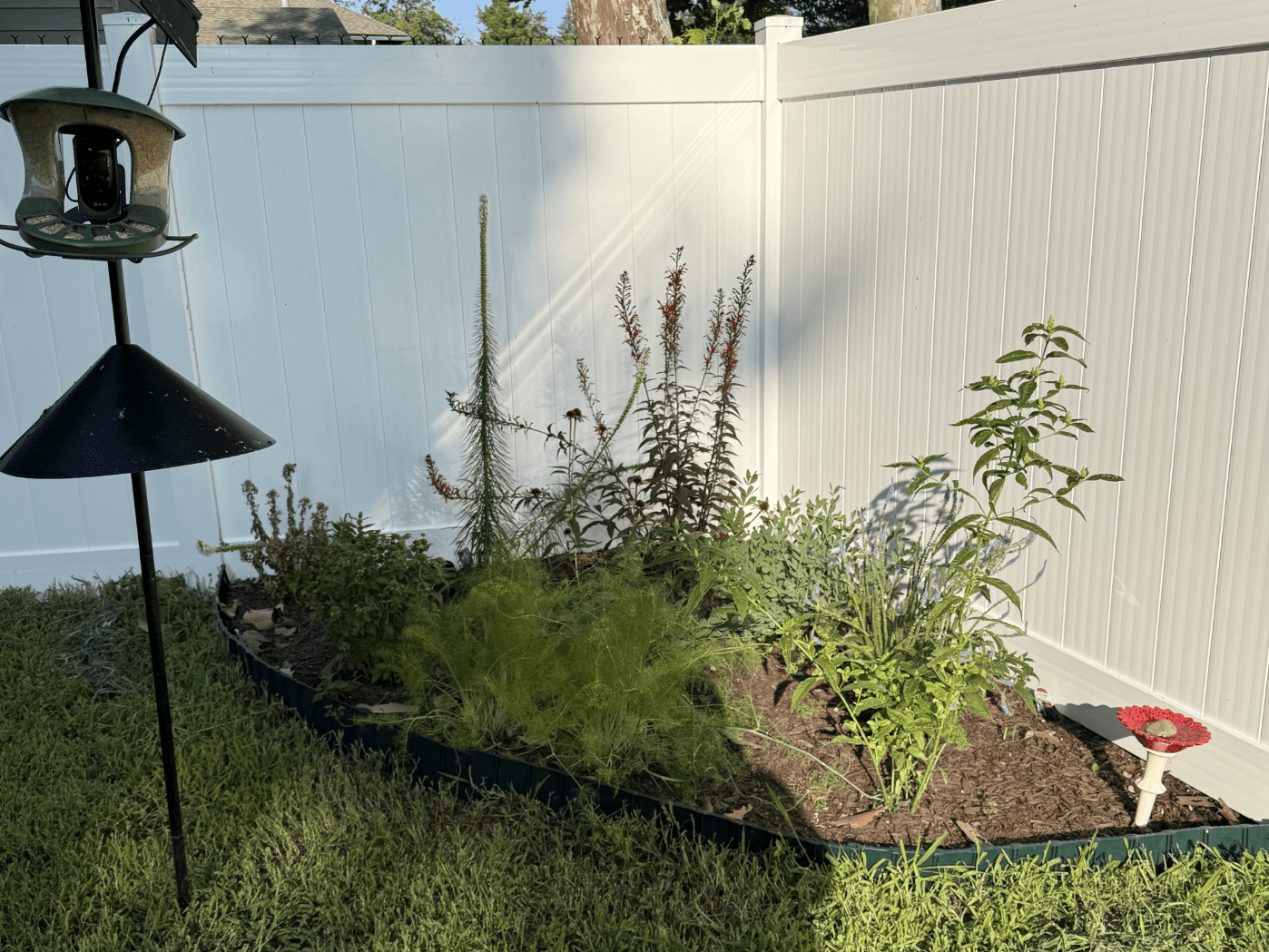
Creating a yard safe for birds starts with the right plants. Birds need plants for food, shelter, and nesting.
Choosing plants that support birds helps them thrive in your yard all year long.
Native Plants For Shelter And Food
Native plants provide the best shelter and food for local birds. They have evolved with the birds in your area.
These plants offer seeds, berries, and insects that birds eat. They also give safe places to hide and build nests.
- Oak trees host many insects that birds eat
- Serviceberry bushes provide berries in spring and summer
- Milkweed supports caterpillars, a food source for birds
- Sunflowers produce seeds loved by finches and sparrows
Avoid Toxic Plants
Some common garden plants can harm birds. Avoid planting toxic species in your yard.
Birds may eat berries or seeds from these plants and get sick or worse.
- Oleander is highly poisonous to birds
- Yew berries can cause bird poisoning
- Foxglove contains toxins harmful to birds
- Rhododendron plants produce toxic nectar and leaves
Provide Clean Water Sources
Birds need clean water to drink and bathe. A safe water source helps keep birds healthy.
Offering fresh water attracts more birds to your yard. It also supports their daily needs.
Birdbaths And Ponds
Birdbaths and ponds give birds easy access to water. They enjoy splashing and drinking from these spots.
Use shallow birdbaths with smooth edges. This makes it safe for small birds to land and drink.
- Place birdbaths in a shady area to keep water cool.
- Use natural ponds or small water features if possible.
- Keep water no deeper than 2 inches for safety.
Maintaining Water Hygiene
Clean water stops diseases from spreading among birds. Change water often to keep it fresh.
Scrub birdbaths and ponds weekly. Remove dirt, algae, and debris with a brush.
- Empty and refill water every two days or more often in hot weather.
- Use a mild soap or vinegar solution to clean surfaces.
- Avoid chemicals that can harm birds.
Create Safe Feeding Areas
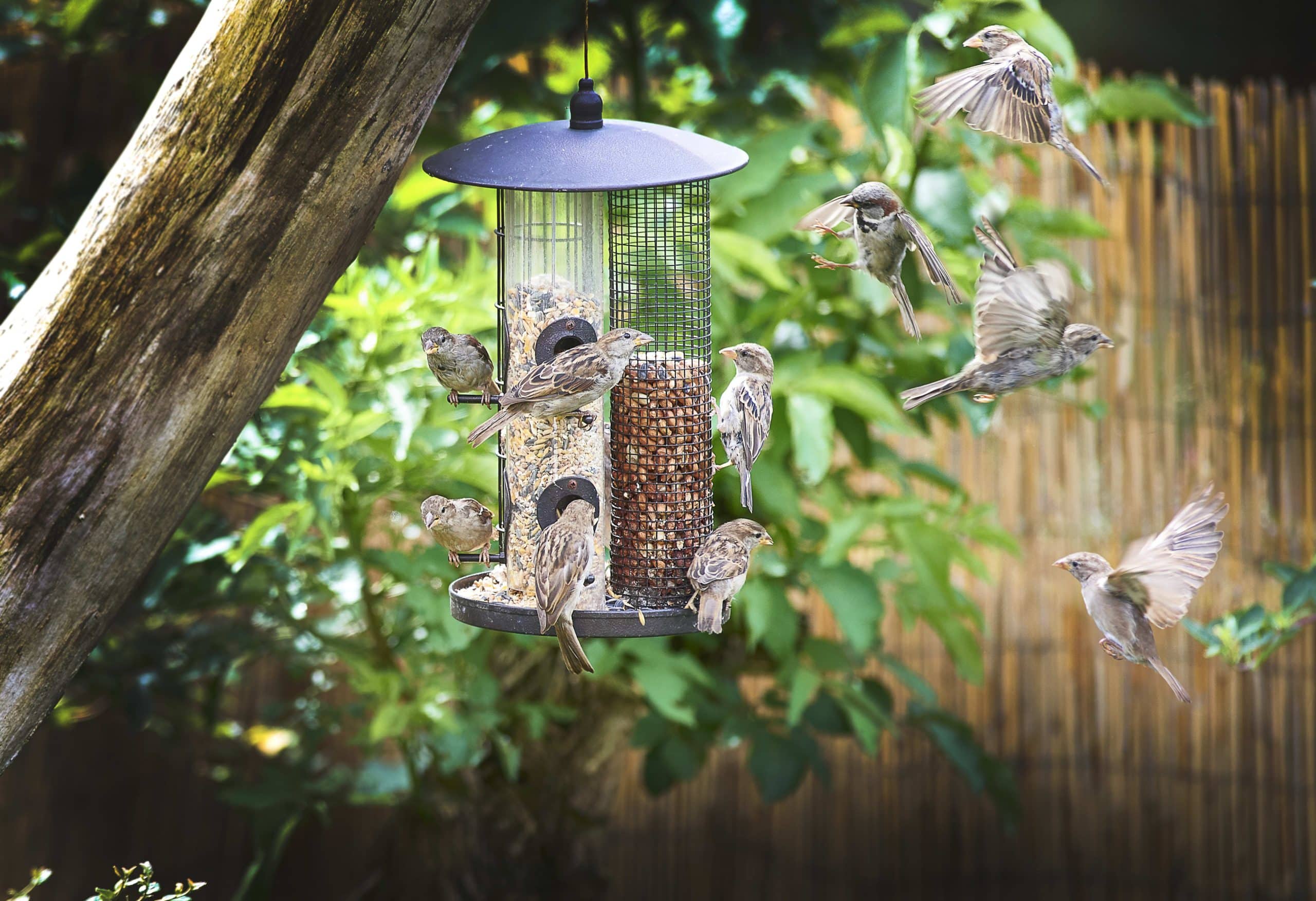
Making your yard safe for birds helps them feed comfortably. A safe feeding area keeps birds healthy and happy.
Simple steps can protect birds from harm. Focus on choosing the right feeders and placing them well.
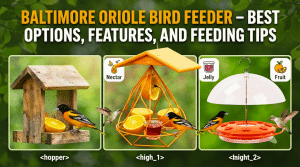
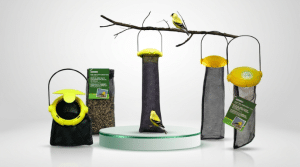
Selecting Bird Feeders
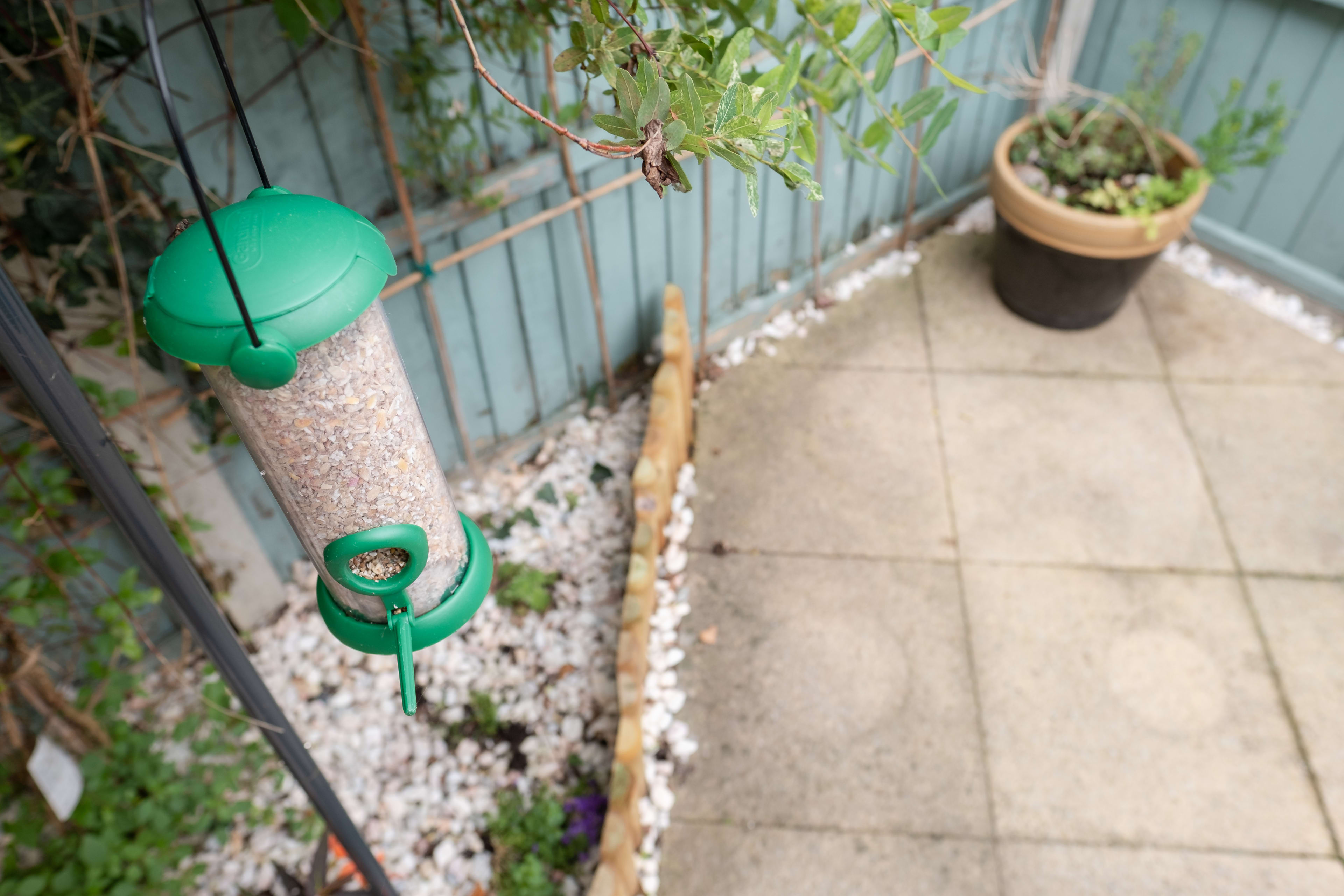
Pick feeders that are easy to clean and protect food from rain. Avoid feeders that attract pests or mold.
- Use feeders made of metal or hard plastic
- Choose feeders with covers to keep food dry
- Pick designs that limit access to squirrels and rodents
- Clean feeders every two weeks to prevent disease
Placement To Avoid Predators
Place feeders where birds can spot danger easily. Keep them away from places where cats and other predators hide.
| Placement Location | Reason |
| Open areas | Birds can see predators early |
| Near shrubs but not too close | Provides quick shelter without hiding predators |
| At least 5 feet off the ground | Reduces access to cats and ground predators |
| Away from windows | Prevents bird collisions |
Minimize Hazards
Keeping birds safe in your yard means reducing dangers they face. Small changes can stop many accidents.
Two common threats are window collisions and pets. Learn how to reduce these risks below.
Reducing Window Collisions
Birds often fly into windows because they see reflections or clear views. This causes serious injuries or death.
To make windows safer, add visible markers or screens. These help birds notice the glass and avoid it.
- Use decals or stickers spaced a few inches apart
- Install external screens or netting on windows
- Apply frosted or patterned window films
- Close curtains or blinds when not in use
- Place feeders and birdbaths away from windows
Keeping Pets Away
Pets like cats and dogs can harm birds in yards. Controlling pets reduces bird injuries and stress.
Keep pets away from bird areas using barriers or supervision. This helps birds feel safe and stay healthy.
- Use fences or netting to block pet access
- Supervise pets when outside
- Train pets to avoid bird feeding spots
- Provide bird shelters or dense bushes for hiding
- Keep cats indoors, especially during bird nesting season
Offer Nesting Sites
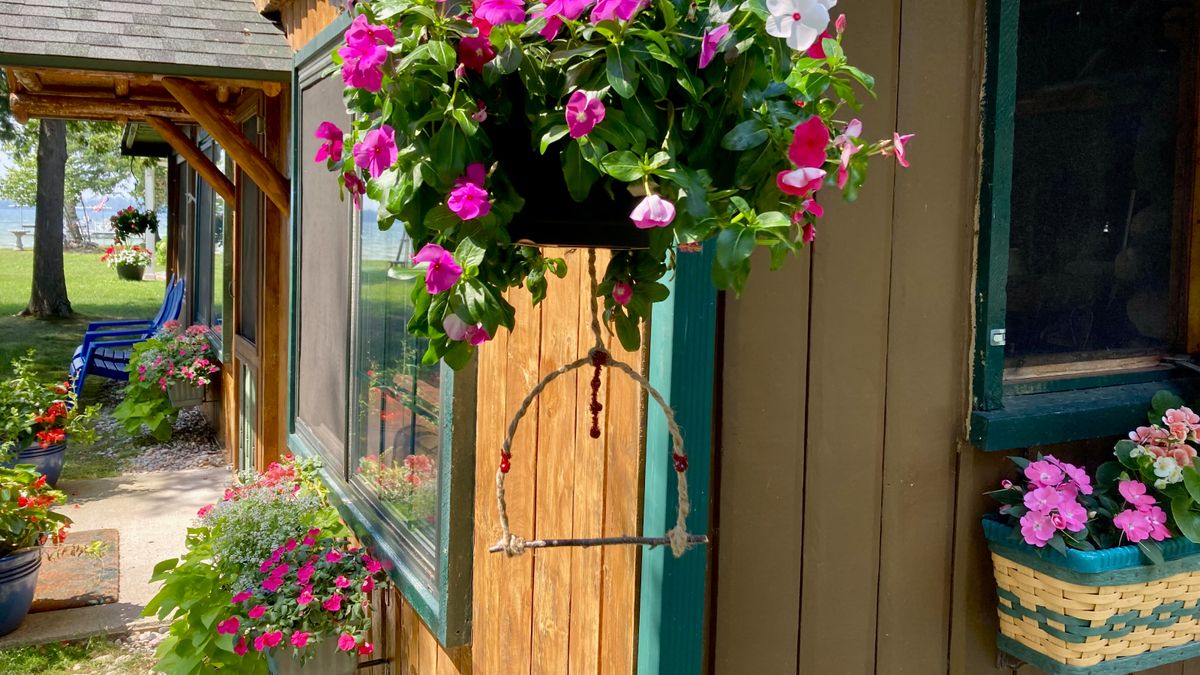
Creating safe nesting places helps birds feel protected in your yard. Birds need spots to build nests and raise their young.
Providing nesting sites encourages birds to visit and stay in your garden throughout the year.
Installing Birdhouses
Birdhouses offer shelter and a safe place for birds to nest. Choose birdhouses with the right size and entrance for local bird species.
- Place birdhouses 5 to 10 feet off the ground
- Face entrances away from prevailing winds
- Use untreated wood to avoid harmful chemicals
- Clean birdhouses yearly to prevent parasites
- Mount birdhouses on poles or trees securely
Preserving Natural Habitats
Natural habitats provide birds with food, shelter, and nesting materials. Keep native plants and trees in your yard to support birds.
| Habitat Element | Benefit for Birds |
| Native Trees | Offer nesting spots and food |
| Shrubs | Provide cover and nesting sites |
| Leaf Litter | Supply insects for food and nesting |
| Dead Wood | Serve as nesting cavities and shelter |
Credit: www.gardeningknowhow.com
Maintain A Chemical-free Yard
Keeping your yard free from chemicals helps protect birds and other wildlife. Birds are sensitive to pesticides and herbicides, which can harm their health.
Using natural methods to control pests keeps your yard safe and welcoming for birds all year long.
Avoiding Pesticides And Herbicides
Pesticides and herbicides kill insects and plants that birds rely on for food. These chemicals can also poison birds directly.
- Choose manual weed removal instead of herbicides.
- Use mulch to prevent weed growth naturally.
- Pick pest-resistant plants for your garden.
- Encourage natural predators like ladybugs and spiders.
- Remove standing water to reduce mosquito breeding.
Using Natural Pest Control
Natural pest control keeps bugs in balance without using chemicals. Birds enjoy eating many common pests.
| Natural Pest Control Method | How It Helps Birds |
| Planting herbs like basil and mint | Repels pests and attracts birds |
| Installing bird feeders and birdbaths | Supports birds to stay and eat pests |
| Using neem oil or insecticidal soap | Controls pests without harming birds |
| Encouraging beneficial insects | Reduces pests naturally |
Encourage Shelter And Cover
Birds need safe places to hide from predators and bad weather. Providing shelter and cover in your yard helps them feel secure.
Plants and natural materials create good hiding spots. This guide shows how to add these features to your yard.
Planting Shrubs And Trees
Shrubs and trees offer shelter and protection for birds. They also provide places to build nests and find food.
- Choose native shrubs and trees for your area.
- Plant different types to provide various heights and cover.
- Group plants close together to create dense shelter.
- Include evergreen plants for year-round protection.
- Avoid using pesticides near these plants.
Providing Brush Piles
Brush piles made from twigs and branches give birds safe places to hide. They also attract insects that birds eat.
| Material | Purpose | Tips |
|---|---|---|
| Branches | Structure | Use small to medium size |
| Leaves | Cover | Keep dry for shelter |
| Twigs | Fill gaps | Mix with branches |
| Logs | Perch spots | Place on bottom layer |
Credit: dengarden.com
Frequently Asked Questions
How Can I Protect Birds From Predators In My Yard?
Install birdhouses with predator guards and place feeders away from hiding spots. Use netting or fencing to deter cats and other predators. Keep the yard clean to avoid attracting unwanted animals. These steps create a safer environment for birds to thrive.
What Plants Are Best For A Bird-friendly Yard?
Choose native plants that provide food, shelter, and nesting sites. Include shrubs, trees, and flowering plants with berries or seeds. Native plants attract insects, which are a natural food source. This supports a healthy bird population and enhances biodiversity.
How Do I Keep My Yard Bird-safe During Pesticide Use?
Avoid using chemical pesticides and herbicides that harm birds and insects. Opt for organic or natural pest control methods instead. If pesticides are necessary, apply them in the early morning or late evening when birds are less active. This minimizes bird exposure to toxins.
What Water Sources Are Safe For Birds In My Yard?
Provide clean, fresh water in shallow birdbaths or dishes. Change water daily to prevent mosquito breeding and disease. Place water sources in shaded, sheltered areas to protect birds from predators. Clean birdbaths regularly to keep them safe and inviting.
Conclusion
Creating a safe yard helps birds live and thrive nearby. Simple steps like removing hazards and offering food and water make a big difference. Birds bring joy and beauty to any outdoor space. Keep your yard clean and watch for dangers regularly.
A safe space encourages more birds to visit often. Your care supports local wildlife every day. Enjoy the sounds and sights of happy, healthy birds in your yard. Small changes lead to big rewards for nature around you.