
Imagine stepping out onto your balcony and being greeted by the cheerful songs of colorful birds. You might think this is only possible in a garden or park, but your balcony can become a small bird paradise too.
By making a few simple changes, you can attract birds that bring life, beauty, and calm to your space. Want to know how to turn your balcony into a bird-friendly haven? Keep reading, and you’ll discover easy tips that anyone can follow to create a welcoming spot for your feathered friends.
Your balcony’s transformation starts here.
Credit: www.vivara.ie
Choosing The Right Plants
Making your balcony bird friendly starts with picking the right plants. Birds need plants that offer food, shelter, and safety. The right plants attract more birds and keep them healthy.
This guide covers native plants, plants that provide food, and safe plants to avoid toxicity for birds.
Native Plants For Birds
Native plants are best for local birds because they match the natural environment. They offer familiar food and shelter. Choosing native plants helps birds find insects and seeds they need.
- Oak trees attract many insects for birds to eat
- Milkweed supports butterflies and birds
- Serviceberry bushes provide berries in spring
- Goldenrod offers seeds and attracts pollinators
Plants That Provide Food
Plants with fruits, seeds, or nectar feed birds throughout the year. Look for plants that bloom or bear fruit in different seasons to keep food available.
| Plant | Type of Food | Best Season |
| Sunflower | Seeds | Late Summer |
| Holly | Berries | Winter |
| Trumpet Vine | Nectar | Summer |
| Black-Eyed Susan | Seeds | Fall |
Safe Plants To Avoid Toxicity
Some common plants can harm birds if eaten. Avoid plants with toxic berries or leaves. Choose safe plants to keep birds healthy on your balcony.
- Avoid oleander; all parts are poisonous
- Do not plant azaleas; toxic to birds
- Skip rhododendrons; can cause bird poisoning
- Choose marigolds and sunflowers instead
Providing Fresh Water
Birds need fresh water to drink and bathe. A balcony can be a safe place to offer water. Simple setups help attract birds and keep them healthy.
Water should be easy for birds to access and kept clean. Different seasons need different care for water sources. Let’s look at some ways to provide fresh water on your balcony.
Birdbaths And Water Features
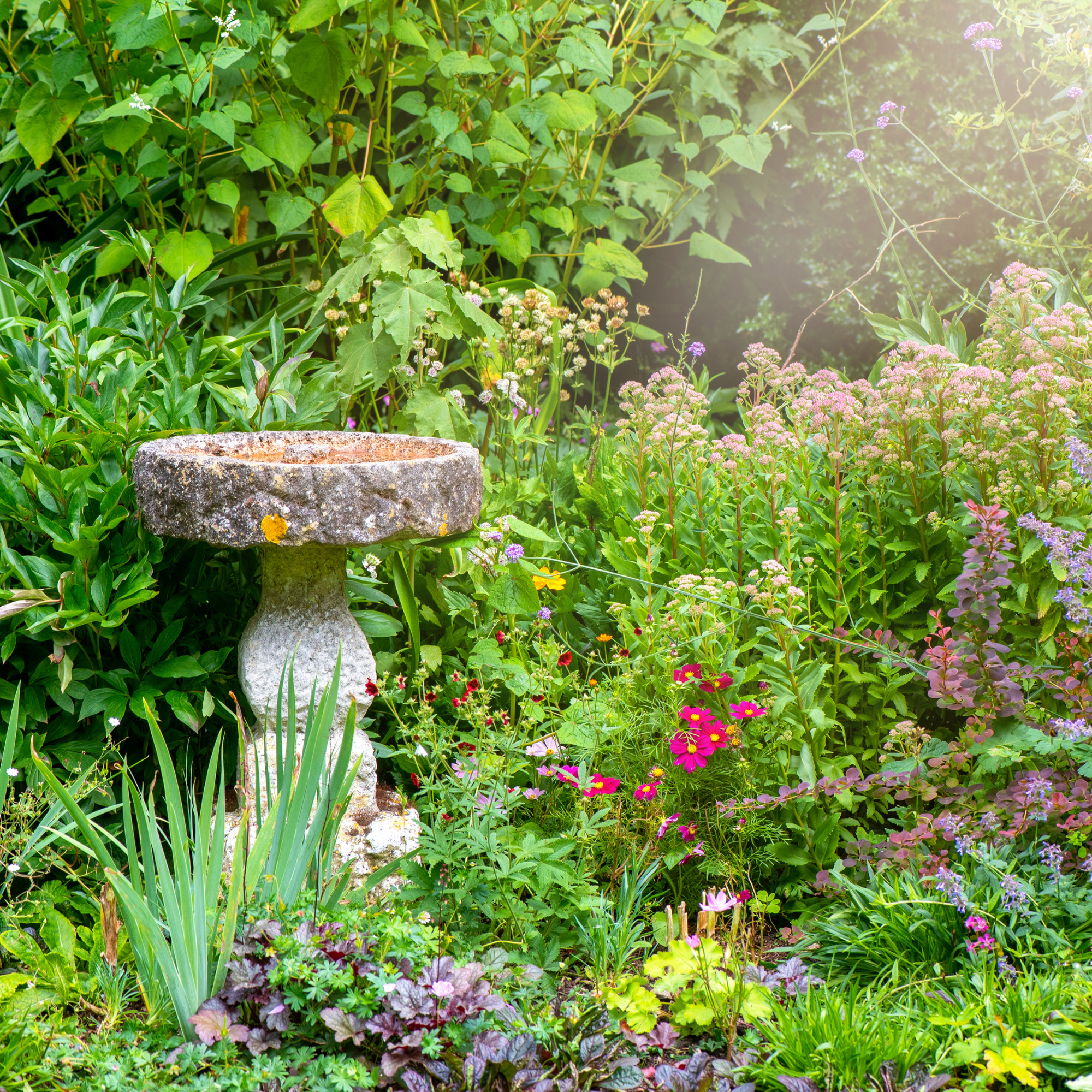
Birdbaths are shallow containers that hold water for birds to drink and bathe. You can use a shallow dish, a small bowl, or a store-bought birdbath. Add smooth stones or pebbles for birds to perch on safely.
- Choose a shallow container no deeper than 2 inches
- Place birdbaths in a quiet, safe spot on your balcony
- Change water daily to keep it fresh
- Add floating objects like corks to prevent splashing
- Use water features like small fountains to keep water moving
Keeping Water Clean
Clean water helps prevent diseases in birds. Dirty water can attract bugs and bacteria. Clean birdbaths often to keep water safe and fresh.
| Cleaning Tip | How to Do It |
|---|---|
| Daily Water Change | Replace water every day to avoid algae and germs |
| Weekly Deep Clean | Scrub bath with a brush and mild soap, rinse well |
| Remove Debris | Clear leaves, feathers, and dirt daily |
| Use Natural Cleaners | Try vinegar solution to avoid harmful chemicals |
Winter Water Solutions
Water freezes in cold weather, making it hard for birds to drink. Use special methods to keep water available all winter.
Try these winter ideas:
- Use a heated birdbath to stop water from freezing
- Place water near a sunny spot for natural warmth
- Change water often to keep it fresh and unfrozen
- Use small shallow dishes that warm quickly
Creating Shelter And Nesting Spots
Making your balcony bird friendly means giving birds safe places to rest and build nests. Shelter and nesting spots help birds feel protected.
You can use birdhouses, natural plants, and safety tips to create a welcoming space for birds on your balcony.
Birdhouses And Nesting Boxes
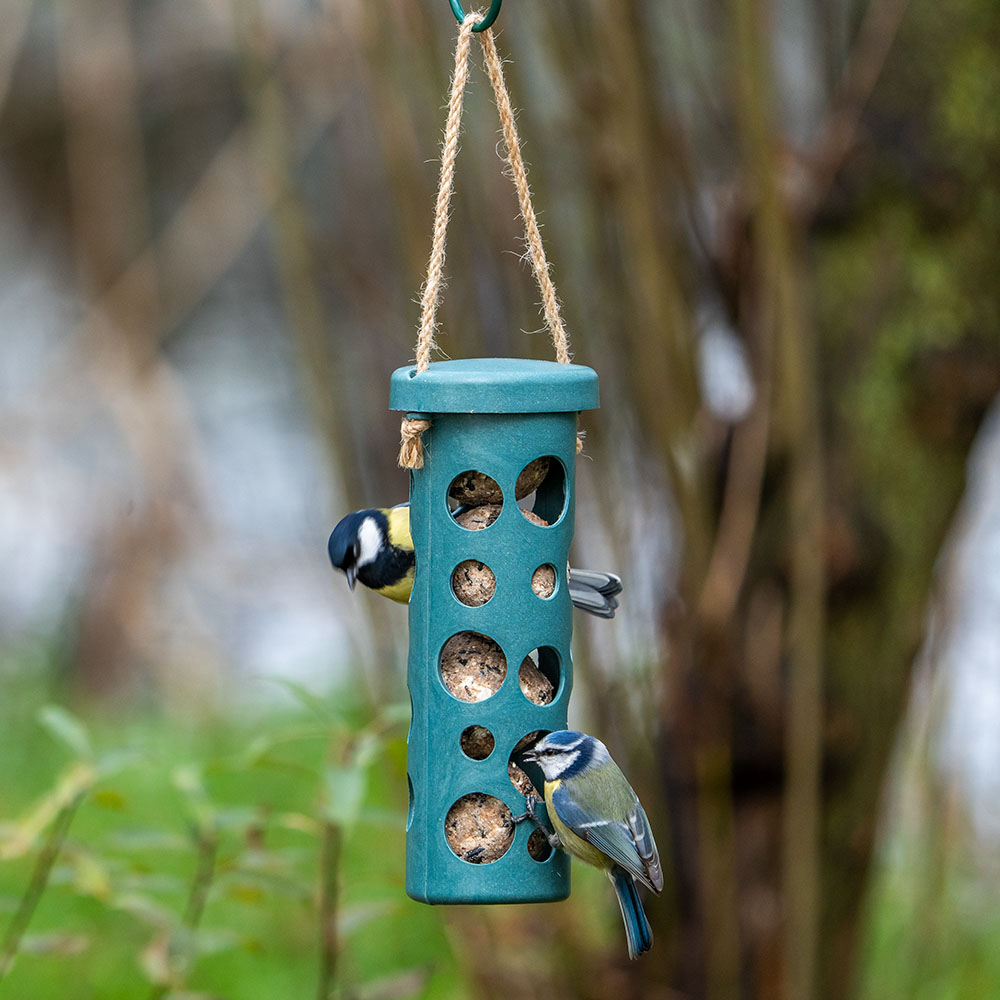
Birdhouses and nesting boxes offer birds a safe place to lay eggs and raise their young. You can buy or build these boxes to fit small balcony spaces.
Place boxes where they get some shade and are protected from strong wind. Make sure the entrance hole fits the type of birds in your area.
- Use untreated wood to avoid harmful chemicals
- Mount boxes at least 5 feet above the ground
- Keep boxes clean by removing old nests yearly
- Avoid placing boxes near busy human areas
Natural Shelter Options
Natural shelter helps birds hide and rest safely. Plants like shrubs, small trees, or climbing vines work well on balconies.
Use potted plants that create thick leaves and branches. These plants give birds cover and a place to perch quietly.
- Choose native plants for your region
- Plant dense shrubs or bushes for cover
- Add climbing plants on trellises or railings
- Keep some plants evergreen for year-round shelter
Avoiding Predators
Keep birds safe by preventing predators from reaching their nests and shelters. Common predators include cats, larger birds, and squirrels.
Place birdhouses and plants in spots hard for predators to reach. Avoid open areas where birds feel exposed.
- Mount birdhouses on poles or walls away from edges
- Use metal guards to stop climbing predators
- Trim nearby branches that predators can jump from
- Keep food sources clean to avoid attracting unwanted animals

Credit: www.amazon.ca
Offering Food Sources
Creating a bird-friendly balcony starts with providing food. Birds need reliable food sources to visit often.
Choosing the right feeders and seeds helps attract different bird species to your balcony.
Choosing Bird Feeders
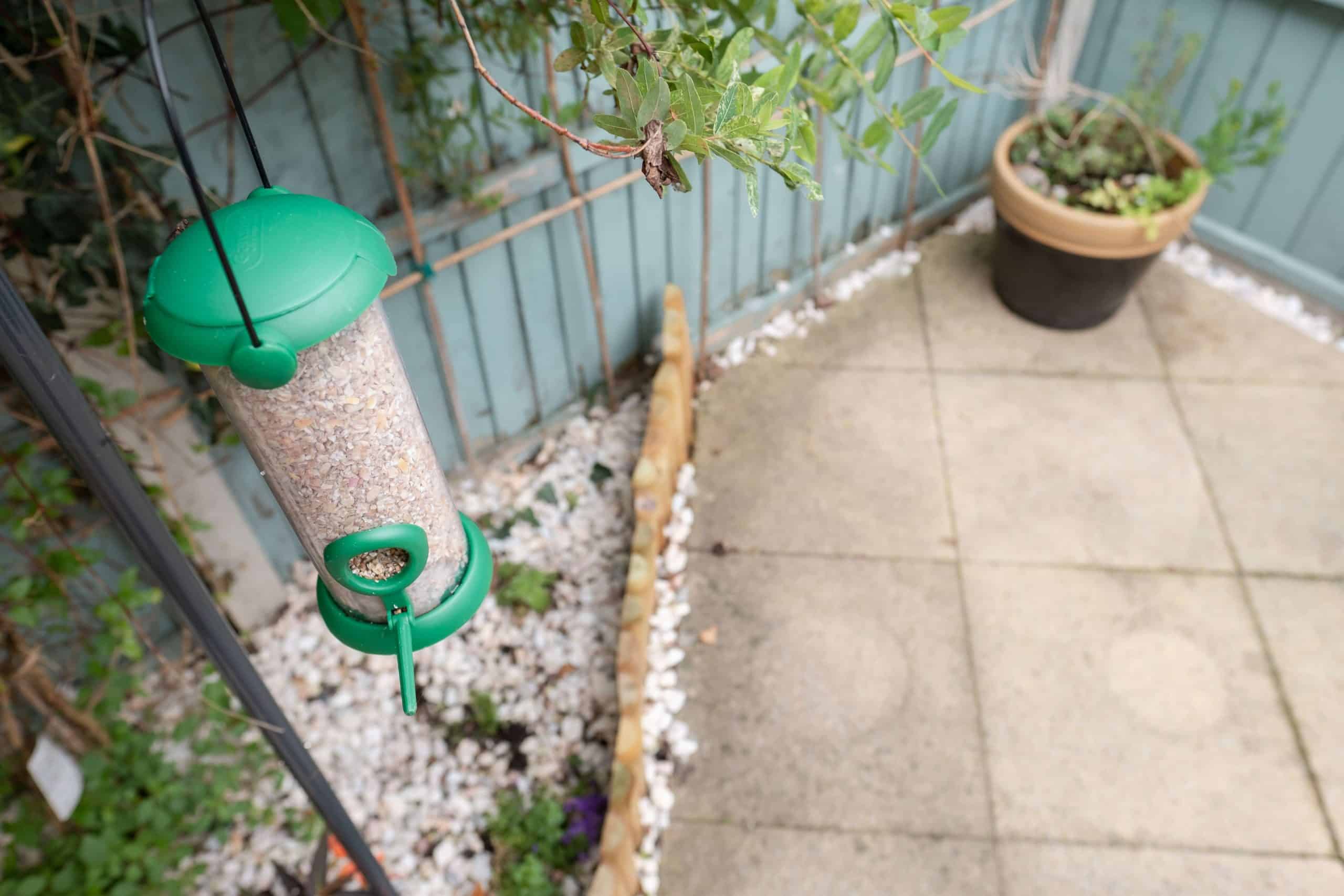
Pick feeders that suit your balcony space and the birds you want to attract. Tube feeders are good for small birds.
Platform feeders work well for larger birds and allow easy access to seeds. Make sure feeders are easy to clean.
- Tube feeders for finches and chickadees
- Platform feeders for cardinals and doves
- Suet feeders to attract woodpeckers
- Ensure feeders have drainage to keep food dry
Selecting Seeds And Feed
Different birds prefer different seeds. Black oil sunflower seeds attract many small birds. They have thin shells.
Nyjer seed is great for finches, while cracked corn and millet attract sparrows and doves. Avoid using bread.
- Black oil sunflower seeds for most songbirds
- Nyjer seed for finches and siskins
- Millet and cracked corn for ground feeders
- Avoid salty or processed foods
Feeding Tips And Schedules
Keep feeders clean to prevent disease. Wash them with warm soapy water every two weeks. Rinse well.
Feed birds daily, especially during cold months. Refill feeders before food runs out to keep birds coming back.
- Clean feeders every two weeks
- Refill feeders daily or as needed
- Place feeders away from windows to prevent collisions
- Offer fresh water nearby if possible
Ensuring Safety And Comfort
Making your balcony bird friendly helps birds stay safe and feel comfortable. A safe balcony invites birds to visit often.
Simple changes can protect birds from harm. These tips focus on safety and comfort for your feathered guests.
Avoiding Harmful Chemicals
Chemicals like pesticides and fertilizers can hurt birds. Avoid using these products on your balcony plants.
Choose natural ways to care for plants. Use water and safe soil to keep plants healthy without chemicals.
- Use organic soil and fertilizers
- Water plants regularly to prevent pests
- Avoid sprays and insecticides
- Clean bird feeders with mild soap and water
Minimizing Window Collisions
Birds often fly into windows because they see reflections or clear glass. This can cause injury or death.
Make windows visible to birds by adding patterns or stickers. This helps birds recognize the glass as a barrier.
- Place decals or stickers on windows
- Use window screens or netting
- Close curtains when not home
- Move bird feeders away from windows
Keeping Cats And Predators Away
Cats and other predators can scare or harm birds on your balcony. Keep predators out to ensure bird safety.
Use barriers and deterrents to stop cats from entering the balcony. Watch pets closely if they have outdoor access.
- Install netting or screens around balcony edges
- Use motion-activated lights or sounds
- Keep pet cats indoors or supervised
- Remove food that attracts predators
Encouraging Bird Activity
Making your balcony bird friendly helps attract many birds. It creates a safe place for birds to visit and rest.
Simple changes can encourage birds to come often. You can add perches, toys, and keep the area quiet.
Adding Perches And Branches
Birds need places to sit and rest on your balcony. Adding perches and natural branches makes your space inviting.
Use different sizes and shapes to suit many bird types. Natural wood branches offer a safe and familiar spot.
- Place perches at different heights
- Use untreated natural wood branches
- Secure them safely to avoid falling
- Keep perches away from busy areas
Incorporating Bird Toys
Bird toys keep birds busy and happy. Simple toys can attract curious birds to your balcony.
Use safe, non-toxic materials. Toys with bright colors or bells can catch birds’ attention.
- Hang small bells or mirrors
- Use colorful wooden beads
- Attach ropes or swings
- Change toys often to keep interest
Creating A Quiet Environment
Birds prefer quiet places without loud noises. Keep your balcony calm to encourage visits.
Avoid loud music or sudden sounds. Place plants or screens to block noise and wind.
- Turn off noisy appliances
- Use plants to reduce sound
- Limit human activity near perches
- Choose a quiet time to watch birds
Credit: www.idealhome.co.uk
Frequently Asked Questions
How Can I Attract Birds To My Balcony?
Plant native flowers and provide fresh water. Add bird feeders with seeds and avoid pesticides to create a safe environment.
What Plants Are Best For A Bird-friendly Balcony?
Choose native plants like sunflowers, coneflowers, and berry bushes. These offer food and shelter to local birds naturally.
How Do I Keep Birds Safe On My Balcony?
Avoid using chemicals and pesticides. Provide shelter and clean water regularly. Keep cats and other predators away.
What Types Of Bird Feeders Work Best On Balconies?
Use tube feeders for small seeds and platform feeders for mixed seeds. Ensure feeders are easy to clean and refill.
Conclusion
Creating a bird-friendly balcony is simple and rewarding. Birds enjoy spaces with safe nesting spots and food. Adding bird feeders and plants attracts them. Keep water sources fresh and clean. Protect birds from predators by using netting or barriers. Enjoy watching birds visit your balcony.
Their presence brings joy and life to your space. You help nature thrive in urban settings. Encourage friends to make their balconies bird-friendly too. Small actions make a big difference for birds. Your balcony can become a haven for our feathered friends.
Let’s make the world a better place for birds, one balcony at a time.



