

Do you want to see more colorful birds visit your garden every day? Making your garden bird friendly is easier than you think.
With a few simple changes, you can create a safe and welcoming space that attracts a variety of birds. Imagine waking up to the cheerful songs of birds right outside your window. This guide will show you exactly how to turn your garden into a bird paradise.
Keep reading to discover easy tips that bring nature’s beauty closer to you.
Choose Native Plants
Using native plants helps create a safe space for local birds. These plants give birds the right food and shelter they need.
Native plants grow well in your area and support local wildlife naturally. They need less care and attract birds all year long.
Benefits For Local Birds
Native plants provide the best food and homes for birds. They support insects that birds eat and offer safe nesting spots.
- Offer natural seeds, berries, and nectar
- Attract native insects for bird food
- Provide shelter from weather and predators
- Support bird breeding and nesting
Best Plant Varieties
Choose plants that grow naturally in your region. These plants suit your soil and climate, making your garden healthy.
| Plant Type | Examples | Attracts |
| Shrubs | Serviceberry, Spicebush | Birds, Insects |
| Flowering Plants | Bee Balm, Coneflower | Hummingbirds, Butterflies |
| Trees | Oak, Maple | Woodpeckers, Warblers |
| Grasses | Little Bluestem, Switchgrass | Songbirds, Sparrows |
Credit: dengarden.com
Create Water Sources
Water is important for birds. It helps them drink and clean their feathers. Adding water sources makes your garden safe for birds.
Birds need water all year. In hot weather, they need it to cool down. In cold weather, it helps them stay healthy.
Birdbaths And Ponds
Birdbaths are shallow basins filled with water. They allow birds to drink and bathe easily. Ponds can also attract birds by offering a bigger water area.
Place birdbaths in a quiet spot. Make sure they are easy for birds to see. Ponds with gentle edges help small birds land safely.
- Use shallow containers, about 2 inches deep
- Add stones for birds to perch on
- Keep water fresh and refill often
- Place near bushes for bird cover
Maintaining Clean Water
Clean water keeps birds healthy. Dirty water can spread disease. Change water often to stop algae and bugs.
Scrub birdbaths weekly. Use a brush to remove dirt and slime. Avoid soap or chemicals that can harm birds.
- Refill water every two days in warm weather
- Remove leaves and debris daily
- Drain and clean ponds monthly
- Use a water pump to keep pond water moving
Provide Shelter And Nesting
Birds need safe places to rest and build nests. Providing shelter helps birds feel secure.
You can create homes for birds by offering birdhouses or natural shelter spots.
Building Birdhouses
Birdhouses give birds a safe place to lay eggs and raise chicks. You can build simple birdhouses yourself.
Use untreated wood and avoid sharp edges. Place birdhouses where birds can reach but are safe from predators.
- Choose the right size for local bird species
- Make a small entrance hole to keep predators out
- Place houses away from busy areas and direct sun
- Clean birdhouses yearly to keep them safe
Natural Shelter Options
Natural shelters provide cover without needing much work. Shrubs, trees, and brush piles offer good hiding spots.
Plant native bushes and let some areas grow wild. This creates safe spaces for birds to nest and rest.
- Plant dense shrubs and small trees
- Keep dead branches and logs for cover
- Create brush piles with sticks and leaves
- Avoid cutting all plants in winter
Credit: dengarden.com
Offer Food Throughout The Year
Feeding birds all year helps them stay healthy. Different seasons bring different food needs.
Providing food in every season supports birds during tough times. It also encourages them to visit your garden often.
Seasonal Feeding Tips
Birds eat different foods depending on the season. In winter, they need high-energy seeds. In spring and summer, insects and soft foods are best.
- Winter: Offer sunflower seeds and suet for energy.
- Spring: Add live mealworms or fruit for breeding birds.
- Summer: Provide fresh water and soft fruits like berries.
- Fall: Supply nuts and seeds to help birds prepare for winter.
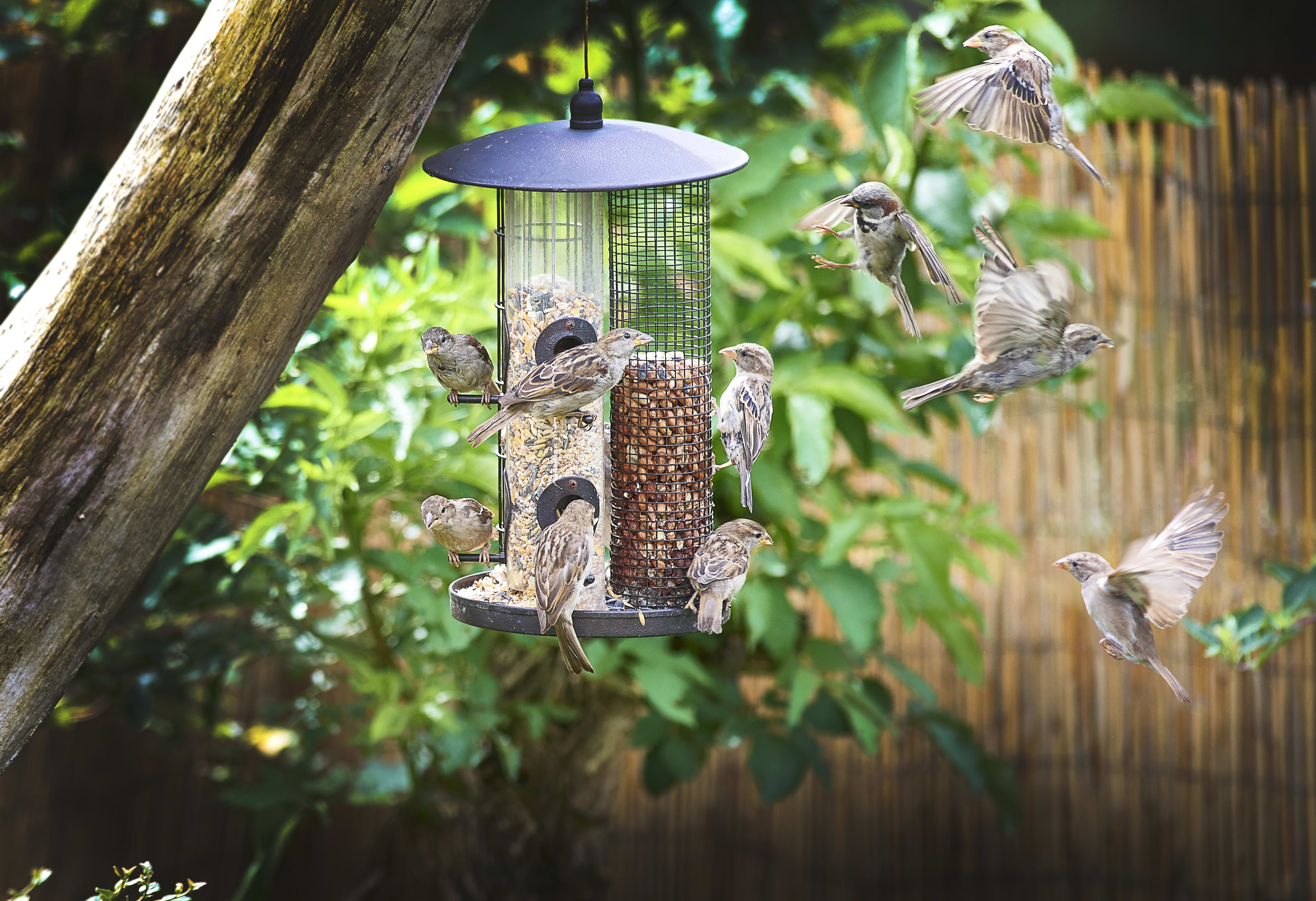
Safe Bird Feeders
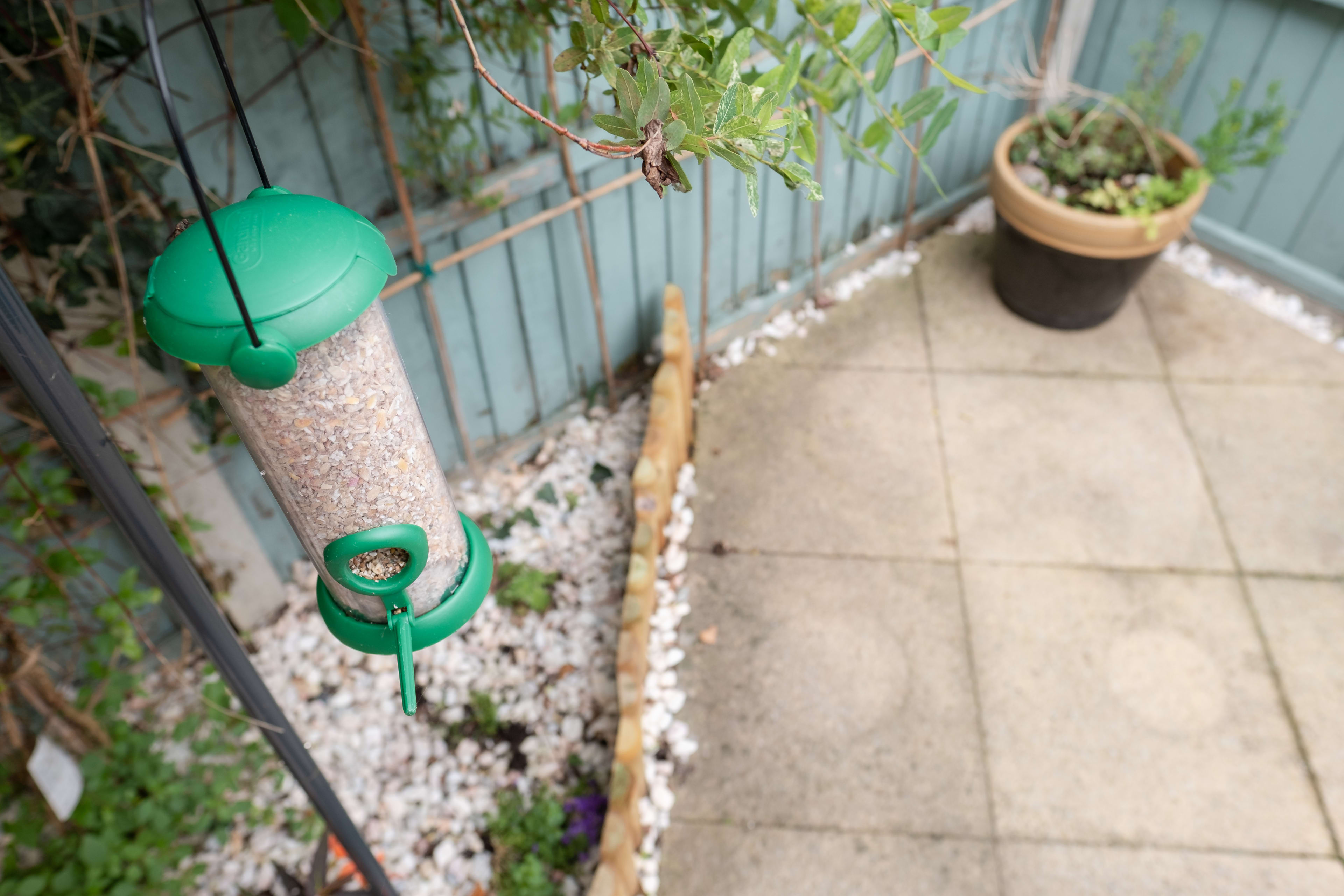
Safe feeders protect birds from predators and bad weather. Clean feeders often to stop disease spread.
- Use feeders with covers to keep food dry.
- Place feeders away from windows to prevent collisions.
- Choose feeders easy to clean and refill.
- Keep feeders at a safe height from cats and other pets.
Avoid Harmful Chemicals
Using chemicals in your garden can hurt birds and other wildlife. Many pesticides and herbicides are toxic to birds.
To keep your garden bird friendly, avoid harmful chemicals. Choose safer ways to protect your plants.
Pesticide Alternatives
Try natural options to control pests instead of pesticides. These alternatives are safer for birds and the environment.
Use beneficial insects like ladybugs or lacewings to eat harmful pests. You can also handpick bugs from plants.
- Introduce ladybugs and lacewings
- Use insecticidal soap made from natural ingredients
- Spray plants with neem oil to deter insects
- Remove pests by hand when possible
Organic Gardening Practices
Organic gardening avoids synthetic chemicals and focuses on natural care. This helps create a safe space for birds.
Use compost and mulch to improve soil health. Healthy soil grows strong plants that resist pests naturally.
- Use compost to feed your plants
- Mulch to keep soil moist and healthy
- Plant native flowers and shrubs for natural habitat
- Rotate crops to prevent pest buildup
Credit: www.espoma.com
Encourage Insect Life
Creating a bird-friendly garden means helping insect life thrive. Insects provide food for many birds. They also keep the garden healthy and balanced.
By attracting helpful insects, you support birds and improve your garden’s natural pest control. This guide explains how to encourage beneficial insects and balance pest control.
Attracting Beneficial Insects
Plant flowers that attract insects like bees and ladybugs. These insects help pollinate plants and eat harmful pests. Avoid pesticides to keep insect populations safe.
- Grow native wildflowers and herbs
- Leave some areas with leaf litter or dead wood
- Provide shallow water sources for insects
- Plant a variety of flowers blooming at different times
Balancing Pest Control
Keep pest numbers low without harming useful insects. Use natural methods to control pests and protect your garden’s insect life.
| Method | Effect on Beneficial Insects |
| Hand-picking pests | Safe and selective |
| Introducing ladybugs | Controls aphids, supports balance |
| Using neem oil | Low toxicity when used carefully |
| Spraying chemical pesticides | Harms beneficial insects |
Create Diverse Habitats
Making your garden bird friendly means offering different places for birds to live and find food. Diverse habitats help many bird species feel safe and welcome.
By adding a mix of plants and natural features, you create a garden where birds can eat, rest, and build nests easily.
Layered Planting Techniques
Layered planting means growing plants of different heights close together. This mimics natural forests and provides shelter and food at many levels.
Start with ground covers, add shrubs, and finish with tall plants. This gives birds places to hide and find insects or seeds.
- Ground covers protect small birds and insects
- Shrubs offer berries and nesting spots
- Tall plants give perches and seed sources
Incorporating Trees And Shrubs
Trees and shrubs are important homes for many birds. They provide food, shelter, and places to build nests safely above the ground.
Choose native trees and shrubs that produce fruits, nuts, or seeds. These plants attract birds looking for natural food all year round.
- Trees offer high perches and nesting sites
- Shrubs give cover and protection from predators
- Fruit-bearing plants attract a variety of birds
Monitor And Enjoy Wildlife
Making your garden bird friendly is just the start. Watching birds brings joy and helps you learn about nature.
Monitoring bird activity lets you see which species visit and how they behave in your garden.
Bird Watching Tips
Stay quiet and move slowly to avoid scaring birds away. Use binoculars for a closer look.
Watch at different times of the day to see various birds. Early morning is often best.
- Wear neutral colors to blend in
- Keep your distance to not disturb birds
- Be patient; birds take time to appear
- Use a bird guidebook or app to identify species
Recording Bird Visits
Keep a notebook or use an app to write down the birds you see. Note the date, time, and weather.
Photos or drawings help remember the birds and track changes over time.
- Record bird types and numbers
- Note feeding habits and behaviors
- Track seasonal changes in visitors
- Share your records with local bird groups if you want
Frequently Asked Questions
How Can I Attract More Birds To My Garden?
Provide native plants, fresh water, and varied bird feeders. Shelter with shrubs and trees offers safety. Avoid pesticides and keep feeders clean to attract healthy birds.
What Types Of Food Do Garden Birds Prefer?
Offer seeds like sunflower and millet, suet, mealworms, and fruits. Different birds prefer different foods, so a variety ensures more visitors.
How Do I Create Safe Nesting Spots For Birds?
Install birdhouses and leave natural vegetation intact. Avoid trimming dense shrubs during nesting seasons. Safe spots reduce predators' risks and encourage breeding.
Why Is Fresh Water Important For Garden Birds?
Birds need water for drinking and bathing. Clean, shallow water sources attract more birds and help maintain their health.
Conclusion
Creating a bird-friendly garden is simple and rewarding. Start with native plants. They attract local birds naturally. Offer fresh water and safe nesting spots. Keep feeders clean and filled regularly. Avoid pesticides that harm birds. Enjoy the cheerful songs and vibrant colors.
It enhances your garden’s beauty and vitality. Birds also help control pests naturally. A little effort goes a long way. Your garden becomes a lively haven. Nature thrives when we care. Embrace the joy of birdwatching at home. It’s a peaceful, fulfilling experience.
Happy gardening!


