Have you ever thought about turning your bird bath into a beautiful flower display? It’s easier than you might think, and it can instantly brighten up your garden.
Imagine colorful blooms blooming right where birds usually splash around—creating a stunning focal point that draws attention and brings life to your outdoor space. In this guide, you’ll discover simple steps to plant flowers in your bird bath, even if you’ve never gardened before.
Ready to transform your bird bath into a vibrant flower haven? Let’s get started!

Credit: www.aol.com
Choosing The Right Bird Bath
Planting flowers in a bird bath can add charm to your garden. Choosing the right bird bath is key to growing healthy plants. You need to consider several factors before planting.
This guide covers important points about material, size, placement, and drainage. These tips will help you pick the best bird bath for flowers.
Material And Size Considerations
Bird baths come in many materials like stone, metal, and ceramic. Each type affects plant growth and maintenance differently. Size also matters for the number of plants you want.
- Stone:Durable and heavy, good for stability.
- Metal:Lightweight but may heat up in sun.
- Ceramic:Attractive but can crack in cold weather.
- Size:Choose a bath at least 12 inches wide for small plants.
Placement In The Garden
Place your bird bath where it gets some sunlight. Most flowers need at least 4 hours of sun daily. Avoid spots with strong wind or heavy shade.
| Placement Factor | Reason |
|---|---|
| Sunlight | Helps flowers grow and bloom |
| Wind Protection | Prevents damage to delicate plants |
| Visibility | Shows off your garden feature nicely |
Ensuring Proper Drainage
Good drainage stops water from pooling and harming roots. Most bird baths have a shallow basin, so you must add holes or use gravel.
- Drill small holes at the bottom for water flow.
- Place a layer of gravel or small stones before soil.
- Use well-draining soil mix to avoid soggy roots.
- Check drainage regularly to prevent root rot.
Selecting Flowers For Bird Baths
Planting flowers in a bird bath can add beauty and attract birds. Choosing the right flowers helps create a healthy, colorful space.
Pick flowers that fit well in small spaces and can handle water nearby. Think about colors, textures, and blooming seasons.
Best Flower Varieties
Choose flowers that grow well in containers and moist soil. Small or dwarf plants work best in bird baths.
- Alyssum: Small, fragrant, and spreads nicely
- Marigolds: Bright colors and easy to grow
- Petunias: Many colors and long blooming
- Succulents: Low water needs and varied shapes
- Impatiens: Shade-loving and colorful
Color And Texture Combinations
Mix flower colors to make your bird bath look lively. Combine different textures for an interesting display.
Use smooth petals with fuzzy leaves or tiny flowers with larger blooms. This adds depth and beauty to your planting.
- Pair purple petunias with yellow marigolds
- Mix white alyssum with green succulents
- Combine pink impatiens with textured ferns
Seasonal Flower Options
Choose flowers that bloom in different seasons. This keeps your bird bath colorful all year round.
- Spring: Daffodils, pansies, and primroses
- Summer: Zinnias, petunias, and marigolds
- Fall: Chrysanthemums and asters
- Winter: Pansies and hellebores in mild areas
Preparing The Bird Bath For Planting
Planting flowers in a bird bath can add charm to your garden. It turns an old bird bath into a lovely planter.
Before planting, you need to prepare the bird bath. This helps flowers grow healthy and strong.
Cleaning And Maintenance
Clean the bird bath well before planting. Remove dirt, algae, and old water stains.
Use a brush and mild soap to scrub the surface. Rinse it with water to remove soap.
Check for cracks or damage. Fix small cracks to keep soil and water safe for plants.
Adding Soil And Drainage Layers
Add a drainage layer to the bottom of the bird bath. This stops water from pooling and drowning roots.
Use small rocks, pebbles, or broken pottery pieces as the drainage base. Then add soil on top.
- Drainage layer helps excess water escape
- Prevents root rot and keeps plants healthy
- Keeps soil from blocking drainage holes
Using Suitable Potting Mix
Choose a light potting mix that holds moisture but drains well. Avoid heavy garden soil.
A good potting mix contains peat moss, perlite, and compost. It gives plants nutrients and air.
- Light texture helps roots grow easily
- Good drainage prevents water buildup
- Nutrients support flower growth
Planting Techniques
Planting flowers in a bird bath can create a charming garden feature. You need to use the right methods to keep your flowers healthy.
Good planting techniques help flowers grow well and attract birds. Follow these tips for best results.
Arranging Flowers Creatively
Place taller flowers in the center of the bird bath. Use smaller flowers around the edges. This arrangement looks full and balanced.
- Use a mix of colors to make the display bright.
- Choose different flower shapes for variety.
- Place flowers with similar water needs together.
- Rotate flowers seasonally to keep it fresh.
Spacing And Depth Tips
Keep enough space between flowers so they have room to grow. Crowded plants may not get enough air and sunlight.
| Flower Type | Recommended Spacing | Planting Depth |
| Small Annuals | 4-6 inches | 1-2 inches |
| Medium Perennials | 8-10 inches | 2-3 inches |
| Tall Flowers | 12-15 inches | 3-4 inches |
Incorporating Decorative Elements
Add small stones or pebbles around the flowers. This helps with drainage and adds texture.
Use decorative elements such as:
- Colored glass beads
- Mini garden statues
- Natural moss patches
Care And Maintenance
Planting flowers in a bird bath creates a charming garden feature. Proper care keeps flowers healthy and vibrant. This guide covers key steps for watering, feeding, and protection.
Understanding seasonal changes also helps maintain your plant display all year. Follow these care tips to enjoy beautiful flowers in your bird bath.
Watering And Feeding
Water flowers regularly but avoid overwatering. The shallow basin can dry out quickly in warm weather. Use a balanced fertilizer to promote growth and blooming.
- Check soil moisture daily
- Water in the morning for best absorption
- Use liquid fertilizer every two weeks
- Avoid fertilizer contact with leaves
- Replace water to prevent stagnation
Protecting Plants From Birds
Birds may disturb flowers or soil while visiting the bath. Use gentle methods to protect plants without harming birds.
| Protection Method | Description |
| Netting | Light mesh covers stop birds but allow sunlight |
| Decoys | Fake predators keep birds away temporarily |
| Plant choice | Choose tougher plants that tolerate pecking |
| Physical Barriers | Use small fences around the bath edge |
Seasonal Care Adjustments
Adjust care as seasons change to keep flowers thriving. Prepare for cold and hot periods with simple steps.
- Spring:Refresh soil and add fertilizer.
- Summer:Water more often and provide shade if needed.
- Fall:Remove dead leaves and reduce feeding.
- Winter:Bring plants indoors or cover them to avoid frost.
Credit: www.homesandgardens.com
Creative Garden Ideas With Flower-filled Bird Baths
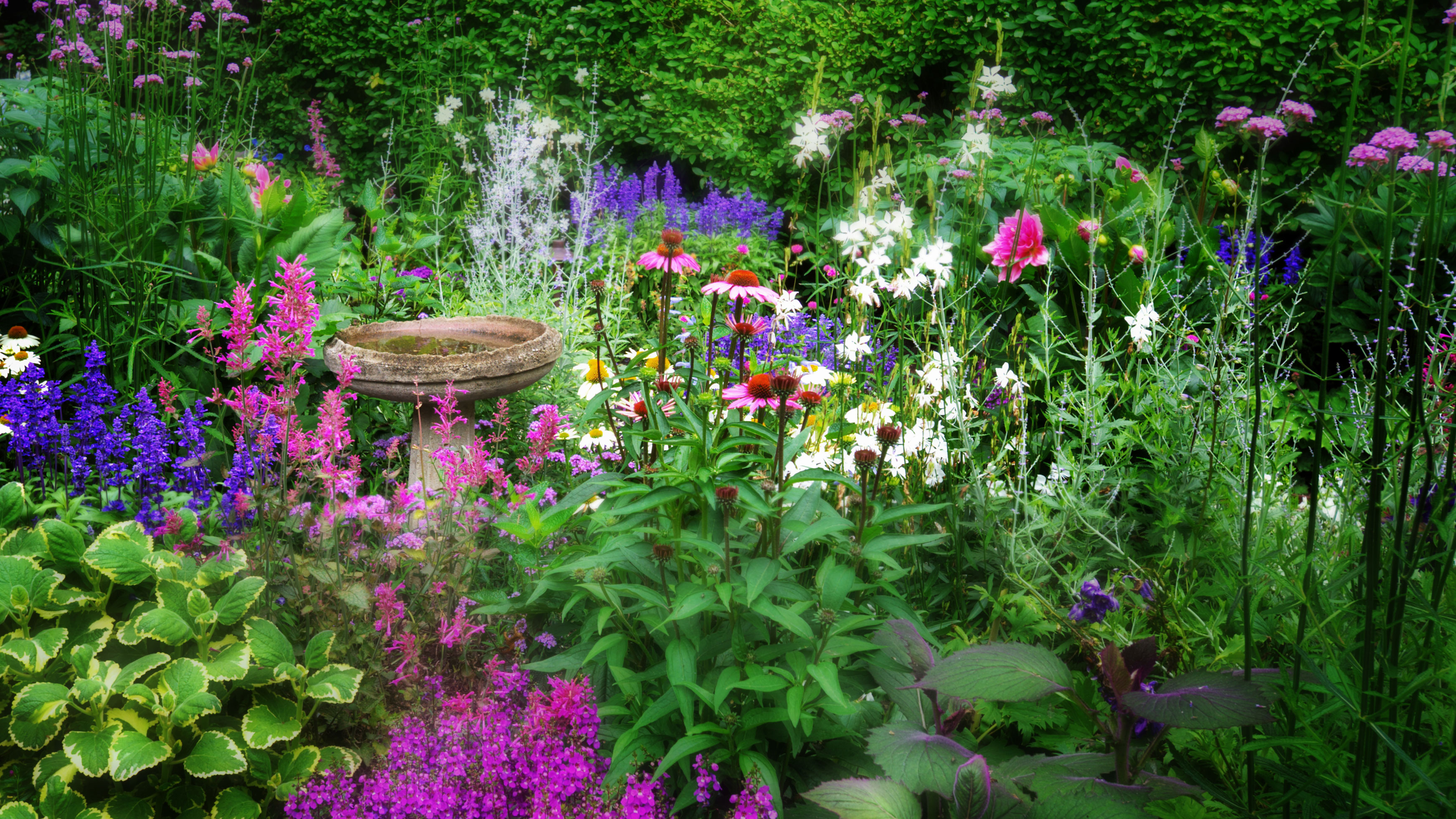
Using bird baths as flower planters adds charm to your garden. It creates a unique spot full of color and life.
You can mix flowers and water features to attract birds and brighten your outdoor space.
Combining Bird Baths With Garden Themes
Match the flowers in your bird bath to your garden style. Choose colors and shapes that fit your theme.
- For a cottage garden, use soft pastel flowers like lavender and daisies.
- In a modern garden, pick bold colors and clean shapes like succulents or orchids.
- Wildflower gardens look great with mixed native blooms for a natural feel.
- Use trailing plants to spill over the edges for a lush look.
Using Bird Baths As Centerpieces
Place your flower-filled bird bath in the garden center to draw attention. It creates a lovely focal point.
| Placement | Effect |
| Near a seating area | Creates a relaxing spot |
| At garden entrance | Welcomes guests with color |
| Amid flower beds | Enhances garden depth |
| On a patio | Adds charm to outdoor dining |
Incorporating Lighting For Ambiance
Light your flower-filled bird bath to enjoy it after dark. Soft lighting makes the garden magical.
- Use solar-powered LED lights around the base.
- Add small floating candles or waterproof fairy lights inside the bath.
- Place spotlights to highlight flowers and water.
- Use colored lights for a fun, festive look.
Credit: www.gardeningknowhow.com
Frequently Asked Questions
How Do I Prepare A Bird Bath For Planting Flowers?
First, clean the bird bath thoroughly. Add a drainage layer like gravel. Use lightweight potting soil to avoid waterlogging. Choose flowers suitable for shallow containers to ensure healthy growth.
What Flowers Grow Best In A Bird Bath?
Succulents, small annuals, and certain perennials grow well. Examples include moss rose, sedum, and creeping thyme. These plants tolerate shallow soil and limited water, making them ideal for bird baths.
How Often Should I Water Flowers In A Bird Bath?
Water flowers regularly to keep soil moist but not soggy. Check daily during hot weather. Drain excess water to prevent root rot and maintain plant health.
Can I Attract Birds With Flowers In A Bird Bath?
Yes, flowering plants can attract pollinators and birds. Choose nectar-rich flowers and avoid harmful pesticides. Providing clean water alongside plants enhances the bird-friendly environment.
Conclusion
Creating a flower garden in a bird bath is rewarding and fun. It adds beauty to any yard while repurposing old items. Choose flowers that fit your climate and space. Start small and gradually expand with confidence. Watering and sunlight are key to thriving plants.
Watch your garden grow and attract lovely birds. Enjoy the blend of nature and creativity. This project offers a peaceful escape right at home. Don’t rush the process. Take it step by step. Your bird bath garden will soon become a stunning focal point.
Happy gardening!