

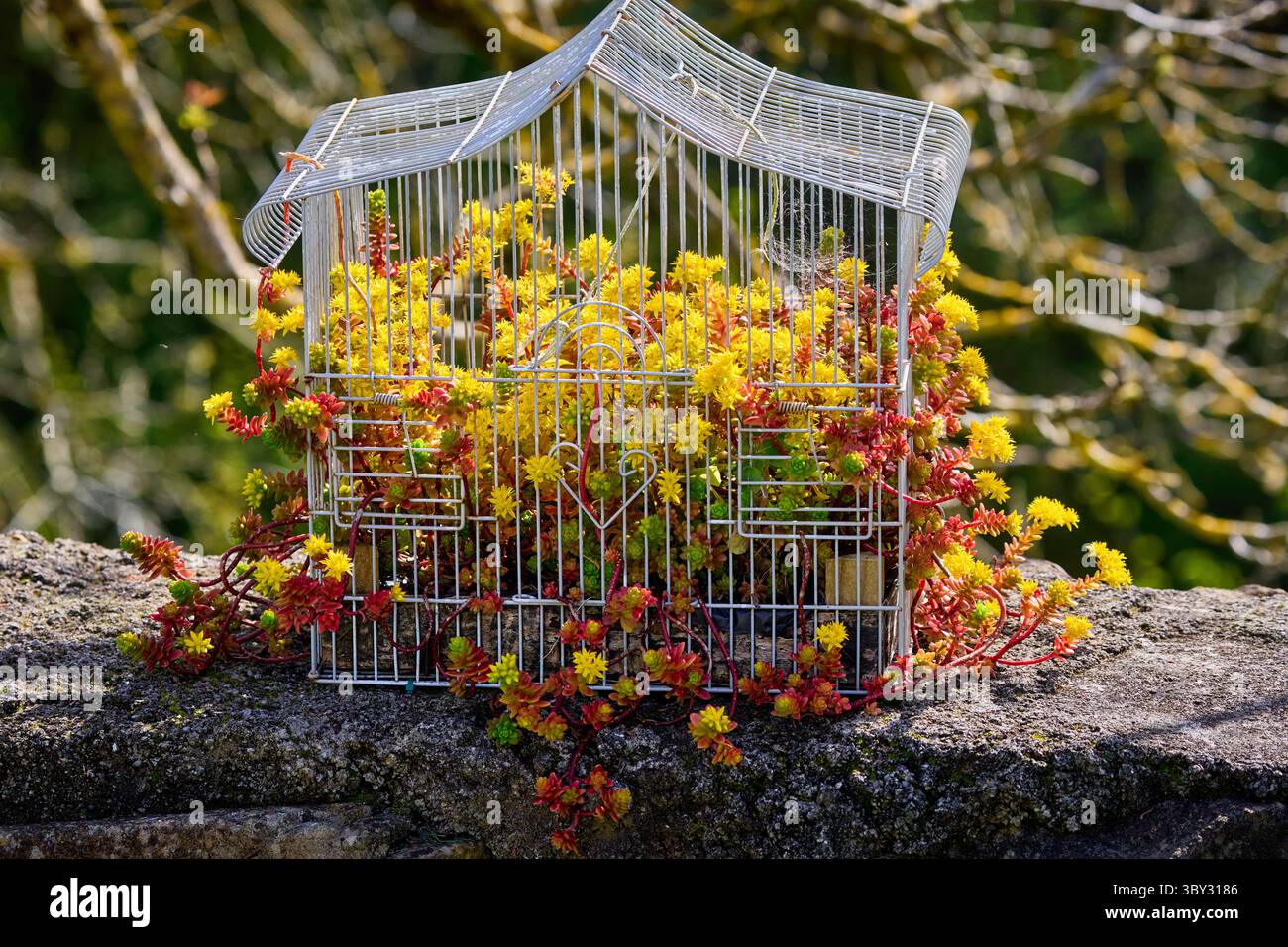
Have you ever thought about turning an old bird cage into a charming flower planter? It’s a simple way to add a unique touch to your home or garden.
You don’t need to be a gardening expert to do it. With just a few easy steps, you can create a beautiful floral display that catches everyone’s eye. Ready to learn how to bring new life to your bird cage and brighten up your space?
Keep reading, and you’ll discover all the tips and tricks to make your flower-filled bird cage a stunning reality.

Credit: www.thepondsfarmhouse.com
Choosing The Right Bird Cage
Planting flowers in a bird cage creates a unique decoration. Choosing the right cage is key for healthy plants and a nice look.
This guide helps you pick a cage that fits your flowers and space well. Think about size, material, and light for the best results.
Size And Shape Considerations
Pick a cage size that fits your flowers comfortably. Small cages may limit root growth. Large cages offer more room but need more space.
- Choose a cage wide enough for pots or soil
- Taller cages work for climbing or hanging plants
- Round cages add a soft look but may reduce planting space
- Rectangular cages fit well on shelves or tables
Material And Durability
Bird cages come in metal, wood, and plastic. Each material affects durability and plant health differently.
| Material | Durability | Plant Impact |
| Metal | High | May heat up in sun |
| Wood | Medium | Can rot if wet |
| Plastic | Low to Medium | Lightweight but less sturdy |
Metal cages last long but get hot under sun. Wood looks natural but needs care. Plastic cages are light but may break easily.
Ventilation And Light Access
Good airflow and light help flowers grow well inside the cage. Look for cages with enough space between bars.
Check these features for ventilation and light:
- Wide gaps between bars for air and sun
- Open top or sides for extra light
- Avoid cages with solid walls that block sunlight
Credit: www.alamy.com
Selecting Suitable Flowers
Planting flowers in a bird cage creates a charming decoration. Choosing the right flowers is key for a healthy display.
Pick flowers that fit the cage size and light conditions. Think about care needs to keep them looking good.
Indoor-friendly Flower Types
Some flowers do well indoors and need less sunlight. These types fit nicely inside a bird cage.
Choose flowers that can live in low light and stable temperatures. They stay fresh longer inside your home.
- African violets
- Peace lilies
- Orchids
- Begonias
- Spider plants
Low-maintenance Varieties
Low-maintenance flowers save time and effort. They need less water and care to thrive in a bird cage.
These flowers tolerate occasional neglect and still look good. They suit busy people or beginners.
- Succulents like jade plants
- Marigolds
- Petunias
- Impatiens
- Snake plants
Color And Scent Choices
Colors add mood and style to your cage garden. Pick shades that match your room’s look.
Scented flowers bring fresh smells inside. Choose mild scents to avoid overpowering small spaces.
- Bright reds and pinks for energy
- Soft pastels for calmness
- White flowers for a clean look
- Lavender or jasmine for gentle fragrance
- Citrus scents for freshness
Preparing The Cage For Planting
Planting flowers in a bird cage can create a charming garden display. Preparing the cage properly is important for healthy plants. This guide covers cleaning, drainage, and protecting the cage.
Each step helps ensure the flowers grow well and the cage stays in good condition. Follow these tips to get started.
Cleaning And Sanitizing
Start by removing any old dirt or debris from the cage. Use a soft brush to clean the wires and corners. Then, wash the cage with warm soapy water to remove dust and grease.
After washing, rinse the cage well to remove soap. Sanitize it by wiping with a solution of one part vinegar to three parts water. This kills bacteria that may harm plants.
- Remove loose dirt and debris
- Use warm soapy water to wash cage
- Rinse thoroughly with clean water
- Sanitize with vinegar and water solution
- Allow the cage to dry completely
Adding Drainage Layers
Good drainage prevents water from pooling at the bottom of the cage. This keeps roots healthy and stops rot. Add a drainage layer before adding soil.
| Drainage Material | Purpose | Example |
|---|---|---|
| Small Gravel | Allows water to flow out | Pea gravel or river stones |
| Broken Pottery | Keeps soil from blocking holes | Old terracotta pieces |
| Activated Charcoal | Reduces odors and mold | Horticultural charcoal |
Place about 1-2 inches of drainage material on the bottom. This layer helps excess water escape.
Protecting Cage Surfaces
Protect the cage surfaces from moisture and soil damage. Line the cage with a breathable fabric or plastic liner. This stops rust and keeps the cage clean.
- Landscape fabric – lets water pass through
- Coconut coir mat – natural and holds moisture
- Plastic sheet – blocks water but less breathable
Planting Techniques
Planting flowers inside a bird cage creates a charming garden display. It needs careful planning to keep plants healthy and secure.
This guide covers different planting methods, creative arrangements, and ways to hold plants firmly in place.
Using Pots Vs. Direct Soil
Choose pots if you want easy control over watering and soil quality. Pots also keep the cage clean and let you move plants quickly.
Planting directly in soil inside the cage gives a natural look. It allows roots to grow freely but needs good drainage and protection from pests.
- Pots help prevent soil mess inside the cage.
- Direct soil supports larger root systems.
- Pots make it easier to replace or rearrange flowers.
- Soil inside the cage requires a liner to protect the cage base.
Arranging Flowers Creatively
Use different flower colors and heights to make the display attractive. Place taller flowers in the center and smaller ones near the edges.
| Flower Type | Placement | Color Ideas |
| Marigolds | Edges | Yellow, Orange |
| Pansies | Center | Purple, White |
| Petunias | Hanging | Pink, Red |
Mix leafy greens with flowers for more texture. Use small pots or moss balls for hanging plants inside the cage.
Securing Plants In The Cage
Keep plants from moving by tying pots to cage bars or using plant clips. Make sure ties are loose enough to avoid damage.
- Use soft wire or string to tie pots securely.
- Place heavy stones at the pot base to prevent tipping.
- Check ties regularly to adjust as plants grow.
- Consider adding a tray under pots to catch water.
Caring For Cage Flowers
Planting flowers in a bird cage creates a lovely display. Caring for these flowers is important to keep them healthy and bright.
Proper care includes watering, light, and feeding. Each part helps your flowers grow well in the cage.
Watering Tips
Water your cage flowers regularly but do not overwater. The cage may not drain well, so watch for soggy soil.
Use a small watering can or spray bottle. Water gently to avoid spilling outside the cage.
- Check soil moisture before watering
- Water when top inch of soil feels dry
- Avoid letting water pool at the bottom
- Water in the morning for best results
Light Requirements
Most flowers in cages need bright, indirect light. Direct sun may burn leaves or dry soil too fast.
Place the cage near a window with filtered sunlight. Rotate the cage every few days for even light.
- Choose spots with bright, indirect light
- Avoid direct afternoon sun
- Rotate cage to help flowers grow evenly
- Use grow lights if natural light is low
Fertilizing And Pruning
Feed your flowers with a balanced liquid fertilizer every two weeks. This helps keep flowers healthy and colorful.
Prune dead or yellow leaves to promote new growth. Remove spent flowers to encourage more blooms.
- Use a balanced 10-10-10 fertilizer diluted in water
- Feed every 14 days during growing season
- Cut off dead leaves and stems regularly
- Pinch spent flowers to boost blooming
Decorative Ideas And Enhancements
Planting flowers in a bird cage creates a charming and unique decoration. You can add simple touches to make it look even more special. This guide offers ideas to brighten your bird cage garden.
Use lights, moss, vines, and seasonal decorations to enhance the look. These elements add texture, color, and a magical feel to your floral display.
Adding Fairy Lights
Fairy lights bring a soft glow that highlights your flowers at night. Wrap them gently around the cage wires or weave them through the flowers. Battery-operated lights work best for easy placement.
- Choose warm white or soft yellow lights
- Use waterproof lights if placing outside
- Wrap lights loosely to avoid damaging plants
- Hide batteries in a small pouch at the cage base
- Turn off lights during the day to save energy
Incorporating Moss And Vines
Moss adds a green, soft base around the flowers inside the cage. It helps keep moisture and gives a natural look. Vines can climb and wrap around the cage bars for a wild, garden feel.
| Material | Purpose | Placement Tips |
|---|---|---|
| Sphagnum Moss | Moisture retention and soft base | Line the bottom of the cage before planting |
| Sheet Moss | Decorative green cover | Cover soil surface for a neat look |
| English Ivy Vine | Climbing greenery | Train vines along cage bars gently |
| String of Hearts Vine | Trailing delicate leaves | Hang over edges for a cascading effect |
Seasonal Decoration Tips
Change decorations with the seasons to keep your bird cage fresh and festive. Use simple items to match the time of year. This adds charm and fits holidays or weather changes.
- Spring: Add pastel ribbons and small faux butterflies
- Summer: Use bright flowers and seashell accents
- Autumn: Include mini pumpkins and orange leaves
- Winter: Add pine cones, red berries, and tiny ornaments
- Special Occasions: Use themed decorations like hearts for Valentine’s Day
Troubleshooting Common Issues
Planting flowers in a bird cage creates a unique and charming display. Sometimes, problems like mold, pests, or wilting plants can occur. This guide helps you fix these issues quickly.
Use simple care tips to keep your flowers healthy and your bird cage garden looking fresh and beautiful all season long.
Preventing Mold And Mildew
Mold and mildew grow in damp, poorly ventilated spaces. The bird cage’s enclosed design can trap moisture. Watch for white or gray fuzzy spots on soil or leaves.
- Place the cage in a well-ventilated area with some airflow.
- Water flowers only when the top inch of soil feels dry.
- Remove any dead leaves or flowers promptly to avoid decay.
- Use a small fan nearby to reduce humidity if needed.
- Sprinkle cinnamon on soil as a natural mold inhibitor.
Dealing With Pests
Pests like aphids, spider mites, and whiteflies can harm your flowers. Check leaves often for small insects or sticky residue. Early action stops pests from spreading.
| Pest | Signs | Control Method |
| Aphids | Clusters on new growth, sticky leaves | Spray water or use insecticidal soap |
| Spider Mites | Tiny webs, yellow spots on leaves | Increase humidity and spray water |
| Whiteflies | Small white insects flying when disturbed | Use yellow sticky traps or insecticidal soap |
Reviving Wilting Plants
Wilting can happen from too much sun, poor watering, or root problems. Check soil moisture and sun exposure first. Adjust care based on what you find.
- Water plants deeply but allow soil to dry slightly between watering.
- Move cage to a spot with morning sun and afternoon shade.
- Trim dead or yellow leaves to help plants focus energy on new growth.
- Check roots gently; repot if roots are crowded or rotting.
- Use a diluted liquid fertilizer to boost plant strength.

Credit: www.youtube.com
Frequently Asked Questions
How Do I Prepare A Bird Cage For Planting Flowers?
Clean the cage thoroughly and line the bottom with a drainage layer. Use a plastic liner or moss to protect the metal. Add quality potting soil before planting flowers to ensure healthy growth.
What Types Of Flowers Grow Well In A Bird Cage?
Choose small, hardy flowers like succulents, pansies, petunias, or ivy. These plants thrive in confined spaces and require minimal maintenance, making them perfect for bird cage planters.
How Often Should I Water Flowers In A Bird Cage?
Water the flowers when the top inch of soil feels dry. Avoid overwatering to prevent rust and root rot. Frequency depends on plant type and cage placement, usually once or twice a week.
Can I Hang A Bird Cage Flower Planter Outdoors?
Yes, hang the cage in a shaded or partially sunny spot. Protect it from harsh weather and strong winds. Outdoor placement enhances natural light, benefiting most flowering plants.
Conclusion
Planting flowers in a bird cage adds charm to any space. Choose flowers that suit the cage size and light conditions. Keep the soil moist but not soaked to help flowers grow well. Regular care keeps the arrangement fresh and beautiful longer.
This creative idea brings nature and style together easily. Try it at home and enjoy a unique floral display. Simple steps lead to a lovely, eye-catching decoration. Give your space a fresh, natural touch today.



