Are you worried about avian influenza and how it could affect your birds or even your health? Knowing how to prevent this virus is crucial for keeping your flock safe and protecting your community.
You’ll discover simple, effective steps you can take right now to reduce the risk of avian influenza spreading. By understanding these key prevention methods, you’ll feel more confident and in control. Keep reading to learn exactly what you need to do to safeguard your birds and yourself.
Causes Of Avian Influenza
Avian influenza is a virus that infects birds. It spreads quickly among poultry and wild birds.
Understanding how the virus spreads helps stop outbreaks. The virus travels through many sources.
Common Transmission Sources
Birds catch the virus from contact with infected birds or contaminated places. Water and surfaces can carry the virus.
People and equipment can also spread the virus between farms and birds.
- Direct contact with infected birds
- Contact with bird droppings or secretions
- Contaminated water sources like ponds or lakes
- Shared equipment and tools
- Clothing and footwear of farm workers
Risk Factors In Poultry Farms
Farms with poor biosecurity have a higher risk of infection. Crowded living spaces help the virus spread fast.
Wild birds near farms can bring the virus to poultry. Lack of cleaning and disinfecting tools also increases risk.
- Overcrowded poultry housing
- Poor cleaning and disinfection practices
- Close contact with wild birds
- Visitors and workers without proper protective gear
- Sharing equipment between different bird groups
Credit: www.bivatec.com
Early Signs Of Infection
Avian influenza is a serious bird disease. Spotting early signs can help stop it fast.
Bird owners should watch closely for any unusual changes. Early detection saves many lives.
Symptoms In Birds
Birds with avian influenza show clear symptoms. These signs can appear quickly and worsen fast.
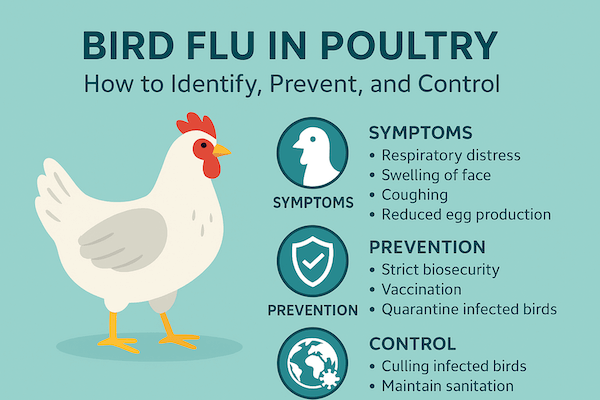
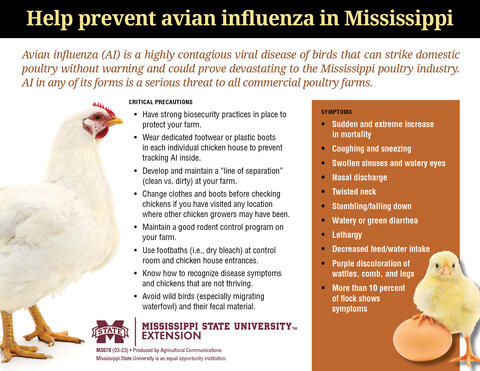
- Swelling around the eyes, neck, and head
- Sudden drop in egg production
- Difficulty breathing or coughing
- Discharge from the nose or eyes
- Diarrhea or watery droppings
- Loss of appetite and weight
- Blue discoloration of the comb and wattles
Behavioral Changes To Watch
Infected birds often act differently. These changes can signal a problem early.
- Less active and less alert than usual
- Isolation from other birds
- Reluctance to eat or drink
- Unsteady walking or difficulty standing
- Sudden death without clear symptoms
Hygiene Practices
Good hygiene is key to stopping avian influenza. Cleanliness helps keep birds safe and healthy.
Following simple hygiene steps lowers the chance of spreading the virus among birds and people.
Sanitizing Equipment
Equipment used around birds can carry germs. Clean all tools and cages often to prevent illness.
Use disinfectants that kill viruses. Clean before and after each use to keep equipment safe.
- Wash with soap and water to remove dirt
- Apply a suitable disinfectant to kill viruses
- Rinse and dry equipment completely before reuse
- Store clean equipment in a dry, protected area
Personal Cleanliness For Caretakers
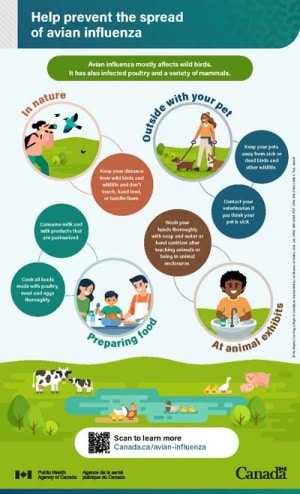
Caretakers should keep their hands and clothes clean. This helps stop the virus from spreading.
Wear protective clothing when handling birds. Wash hands well after work and before eating.
- Wear gloves and masks to reduce contact with germs
- Change clothes and boots after working with birds
- Wash hands with soap and water for 20 seconds
- Avoid touching face while caring for birds

Credit: inspection.canada.ca
Biosecurity Measures
Biosecurity helps stop avian influenza from spreading on farms. Good biosecurity keeps birds safe.
Farmers must follow strict rules to protect their poultry. These rules limit disease risks.
Controlling Farm Access
Limit who can enter your farm to reduce infection chances. Only allow essential workers inside.
Use signs to show restricted areas. Keep a visitor log to track everyone who enters.
- Set up a gate or checkpoint at the farm entrance
- Require clean clothes and boots before entry
- Disinfect vehicles and equipment before use
- Keep unauthorized people away from bird areas
Isolation And Quarantine Procedures
Isolate new birds for a few weeks before mixing with others. This stops disease spread.
Quarantine sick birds away from healthy ones. Watch their health and clean their area well.
- Keep new birds in a separate pen for 2 to 4 weeks
- Check birds daily for signs of illness
- Clean and disinfect quarantine areas often
- Do not move birds between groups during quarantine
Vaccination Strategies
Vaccination is a key way to prevent avian influenza. It helps birds build strong defenses against the virus. Using the right vaccines and giving them at the right time protects flocks effectively.
Good vaccination plans reduce the spread of the disease. Farmers and vets must work together to choose and use vaccines correctly. This keeps birds safe and healthy.
Available Vaccines
There are several vaccines for avian influenza. Most are made from inactivated viruses. These vaccines teach the bird’s immune system to fight the flu without causing sickness.
Some vaccines target specific strains of the virus. Others offer broader protection. Choosing the right vaccine depends on the local virus types and bird species.
- Inactivated whole-virus vaccines
- Recombinant vector vaccines
- Subunit vaccines
- Live attenuated vaccines (less common)
Scheduling And Administration
Vaccines must be given on a proper schedule for best results. Birds often need two doses. The first dose starts the immune response, and the second boosts it.
Vaccines are usually given by injection or spray. Follow the manufacturer’s instructions carefully. Keep records of all vaccinations to track protection.
- First dose at 2 to 3 weeks old
- Second dose 2 to 4 weeks after the first
- Annual boosters may be needed
- Use clean equipment for each bird
Credit: extension.msstate.edu
Safe Feeding And Watering
Feeding and watering birds safely helps stop avian influenza spread. Clean food and water reduce disease risks.
Good habits keep birds healthy and protect your flock from infections.
Preventing Contamination
Keep feeding and watering areas clean to avoid contamination. Dirty feeders and water can carry viruses.
- Wash feeders and water containers daily with hot, soapy water.
- Place feeders where wild birds cannot reach them.
- Remove leftover food and spilled grains promptly.
- Use fresh water every day and clean water bowls regularly.
- Wear gloves when handling feed or water containers.
Proper Storage Techniques
Store feed in dry, sealed containers to prevent mold and pests. Proper storage keeps food safe for birds.
| Storage Tip | Reason |
| Use airtight containers | Prevents moisture and pests |
| Keep feed off the ground | Stops dampness and contamination |
| Store in cool, dry place | Preserves feed quality |
| Check feed regularly | Detects spoilage early |
Monitoring And Reporting
Monitoring birds for signs of avian influenza is key to stopping the disease. Early detection helps control outbreaks fast.
Reporting any suspicious symptoms or deaths to the right authorities helps protect farms and wild birds.
Regular Health Checks
Check birds daily for symptoms like coughing, sneezing, or sudden death. Keep records of any changes.
- Look for swollen eyes and necks
- Watch for loss of appetite or energy
- Note any unusual behavior or breathing trouble
- Isolate sick birds immediately
- Clean and disinfect bird areas often
Communicating With Authorities
Report bird illnesses and deaths to local animal health offices. Quick reporting can prevent disease spread.
| What to Report | Contact Info |
| Unusual bird deaths | Local veterinary office |
| Signs of respiratory illness | Animal health hotline |
| Sudden drop in egg production | State agriculture department |
Handling Infected Birds
Handling birds infected with avian influenza needs care to stop the virus spread. This guide helps you manage infected birds safely.
Use simple steps to protect yourself and others while dealing with sick birds.
Safe Disposal Methods
Dispose of infected birds quickly and safely. This stops the virus from spreading to other animals or people.
Do not throw infected birds in open trash or water. Use proper disposal ways that follow health rules.
- Burn the birds in a safe place if allowed.
- Bury birds deep in soil away from water sources.
- Use sealed bags to contain the birds before disposal.
- Clean and disinfect the area after disposal.
- Follow local health authority instructions closely.
Protective Gear And Precautions
Wear protective gear to reduce infection risk. Cover your skin and avoid touching your face.
Take these precautions every time you handle infected birds or clean their areas.
- Wear gloves that are waterproof and disposable.
- Use a face mask to cover your nose and mouth.
- Put on eye protection like goggles.
- Wear long-sleeved clothing and boots.
- Wash hands with soap and water after work.
- Disinfect all tools and surfaces used.
Frequently Asked Questions
What Are The Main Ways To Prevent Avian Influenza?
Prevent avian influenza by maintaining strict biosecurity, avoiding contact with wild birds, and regularly cleaning poultry areas. Vaccinating birds and monitoring flock health also reduce risks. Proper disposal of dead birds and limiting access to poultry farms help prevent virus spread effectively.
How Can Farmers Protect Poultry From Avian Flu?
Farmers should ensure clean water, food, and proper sanitation. Use protective gear when handling birds. Isolate new or sick birds immediately. Regularly disinfect equipment and restrict visitors. Reporting any signs of illness early to authorities helps control outbreaks quickly.
Can Humans Catch Avian Influenza From Birds?
Yes, humans can catch avian influenza through close contact with infected birds or contaminated environments. Proper hygiene, wearing protective clothing, and avoiding live bird markets reduce risk. Human infections are rare but can be severe, so caution is essential around sick or dead birds.
Is Vaccination Effective Against Avian Influenza In Birds?
Vaccination can reduce avian influenza spread in poultry but is not a complete solution. It works best combined with biosecurity and surveillance. Vaccines help control outbreaks but do not eliminate the virus entirely, so ongoing monitoring and preventive measures remain crucial.
Conclusion
Protecting birds from avian influenza is crucial. Consistent hygiene practices help. Clean cages regularly. Limit contact with wild birds. Monitor bird health closely. Early detection prevents spread. Ensure vaccinations are up-to-date. Educate yourself on symptoms. Quick action saves lives. Keep living spaces sanitized.
Knowledge is your best defense. Stay informed with reliable sources. Prioritize safety for all birds. Preventing avian influenza requires diligence. Small steps make a big difference. Healthy birds lead to a healthy environment.