If you own birds or care for them, you know how important their health is to you. One of the most common problems birds face is respiratory infection, which can quickly become serious if not caught early.
You want to keep your feathered friends happy and breathing easy, right? You’ll discover simple and effective ways to prevent bird respiratory infections before they start. By following these tips, you can protect your birds and enjoy their lively chirps and beautiful presence for years to come.
Keep reading to learn how to safeguard your birds’ health today!
Common Bird Respiratory Infections
Bird respiratory infections affect the lungs and airways. They can make birds cough, sneeze, or breathe hard.
Knowing the signs and causes helps keep birds healthy and safe from serious illness.
Symptoms To Watch For
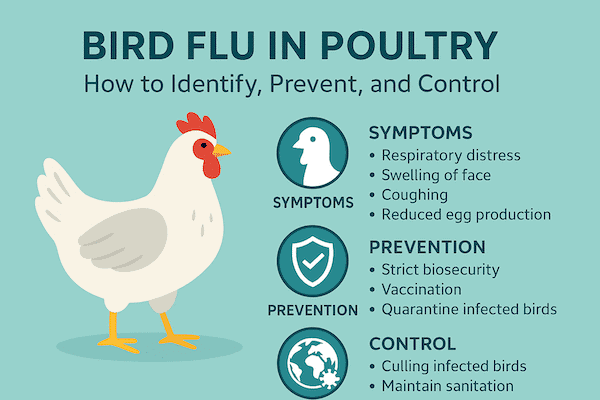
Birds with respiratory infections show many signs. Owners should watch for these symptoms closely.
- Labored or noisy breathing
- Frequent sneezing or coughing
- Discharge from the nose or eyes
- Swollen or red eyes
- Lethargy or reduced activity
- Loss of appetite or weight
- Open-mouth breathing
Causes And Risk Factors
Respiratory infections come from bacteria, viruses, fungi, or parasites. Some conditions raise the risk of infection.
| Cause | Description | Risk Factor |
|---|---|---|
| Bacteria | Infections like Mycoplasma or Chlamydia | Crowded living spaces, poor hygiene |
| Viruses | Avian influenza and other viral agents | Contact with wild birds, stress |
| Fungi | Aspergillosis from mold spores | Damp or dirty cages, poor ventilation |
| Parasites | Air sac mites causing irritation | Poor sanitation, close bird contact |

Credit: www.ukvetcompanionanimal.com
Maintaining A Clean Environment
Birds can catch respiratory infections from dirty cages and poor air quality. Keeping their space clean helps stop germs from spreading. A clean environment keeps birds healthy and happy.
Regular cleaning and fresh air reduce the risk of illness. You should focus on cage hygiene and controlling the air around your birds.
Proper Cage Cleaning
Clean your bird’s cage often to remove dirt, droppings, and leftover food. Dirty cages hold bacteria and fungi that harm your bird’s lungs.
Use warm water and mild soap to wash the cage. Avoid strong chemicals that can irritate your bird’s respiratory system.
- Change cage liners daily
- Wash food and water dishes every day
- Deep clean the cage weekly
- Dry the cage completely before adding bedding
Air Quality Control
Good air quality lowers the chance of respiratory infections. Avoid smoke, strong sprays, and dusty areas near your birds.
Keep the room well ventilated with fresh air. Use air purifiers if needed to remove dust and allergens.
- Open windows for fresh air when weather allows
- Keep the room free of cigarette smoke
- Use a humidifier if the air is too dry
- Remove dust and cobwebs often
Balanced Nutrition For Bird Health
Good nutrition is key to keeping birds healthy. A balanced diet helps prevent respiratory infections.
Birds need the right mix of nutrients to keep their immune systems strong and lungs clear.
Essential Nutrients
Birds require proteins, vitamins, minerals, and fats. These nutrients support breathing and overall health.
- Proteins help build strong tissues and repair cells.
- Vitamins A and E protect the respiratory system.
- Minerals like calcium and phosphorus support bone health.
- Healthy fats provide energy and reduce inflammation.
Supplements And Vitamins
Sometimes birds need extra vitamins to avoid infections. Supplements fill gaps in their diet.
| Supplement | Benefit |
| Vitamin A | Supports mucous membranes in airways |
| Vitamin E | Acts as antioxidant to protect lungs |
| Probiotics | Boost immune response |
| Omega-3 Fatty Acids | Reduce airway inflammation |

Credit: www.greenegovernment.com
Avoiding Stress And Injury
Bird respiratory infections can get worse if birds are stressed or hurt. Keeping birds calm and safe helps stop these infections.
Stress and injuries weaken a bird’s defenses. This makes it easier for sickness to spread inside their bodies.
Safe Handling Techniques
Handle birds gently to avoid injuries. Use calm movements to keep them from getting scared.
Support the bird’s body well when holding it. Avoid squeezing or sudden moves that can hurt the bird.
- Hold the bird with one hand under the chest
- Use the other hand to support the feet or wings
- Do not grab feathers or wings tightly
- Keep the bird close to your body for security
Stress Reduction Strategies
Reduce noise and bright lights where birds live. A quiet, calm space helps birds stay relaxed.
Give birds enough space to move and rest. Overcrowding causes stress and can lead to illness.
- Keep the cage clean and dry
- Provide fresh food and water daily
- Limit handling time to short periods
- Keep a consistent daily routine
Regular Health Monitoring
Birds need regular health checks to avoid respiratory infections. Monitoring their health helps catch problems early.
Good health habits keep birds active and reduce disease risks. Watch your birds often for signs of illness.
Routine Vet Checkups
Take your bird to the vet regularly for full health exams. Vets can spot early signs of respiratory infections.
These checkups include breathing checks and listening to the bird’s lungs. They help find infections before they get worse.
- Schedule vet visits at least twice a year
- Bring any concerns or changes in behavior to the vet
- Follow vet advice on care and treatment
Early Detection Methods
Look for early signs like sneezing, coughing, or heavy breathing. Notice if your bird is less active or eating less.
Use a daily checklist to track your bird’s health. This helps catch problems quickly and get treatment fast.
- Check for discharge around the beak and eyes
- Observe breathing patterns and sounds
- Watch for changes in droppings or weight
- Note any unusual behaviors or feather changes
Quarantine And Isolation Practices
Keeping birds healthy means stopping diseases before they spread. Quarantine and isolation are key steps to protect your flock.
By separating new or sick birds, you reduce the risk of respiratory infections spreading among all birds.
New Bird Introduction
New birds can carry germs without showing signs. Always quarantine new arrivals to keep your other birds safe.
- Keep new birds in a separate cage or room for at least 30 days.
- Check new birds daily for coughing, sneezing, or nasal discharge.
- Clean and disinfect all equipment used for new birds before use with others.
- Avoid direct contact between new and existing birds during quarantine.
- Observe feeding and drinking habits closely for any changes.
Managing Sick Birds
Sick birds must be isolated immediately to prevent infection spread. Prompt care helps recovery and protects others.
| Action | Reason |
| Move sick birds to a separate area | Stops contact with healthy birds |
| Use separate feeding and cleaning tools | Prevents cross-contamination |
| Wear gloves and wash hands before and after handling | Reduces germ transfer |
| Clean and disinfect cages daily | Keeps environment safe |
| Monitor symptoms and consult a vet if needed | Ensures proper treatment |
Effective Use Of Preventive Medications
Preventing bird respiratory infections keeps birds healthy and active. Using medications correctly lowers the risk of illness.
Preventive medications help stop infections before they start. It is important to follow the right practices for best results.
Vaccinations
Vaccinations protect birds from common respiratory diseases. They help build immunity by preparing the bird’s body to fight infections.
Give vaccines on the recommended schedule. Keep vaccination records and consult a vet for the right vaccine type.
- Use vaccines approved for your bird species
- Follow the exact dosage and timing
- Store vaccines properly to keep them effective
- Watch for side effects and report them to a vet
Prophylactic Treatments
Prophylactic treatments prevent infections before symptoms appear. These include using antibiotics or other medicines as a precaution.
Use these treatments only under veterinary advice. Overuse can cause resistance and harm bird health.
- Administer medications on the vet’s instructions
- Keep bird living areas clean and dry
- Provide good nutrition to support the immune system
- Monitor birds closely for early signs of illness
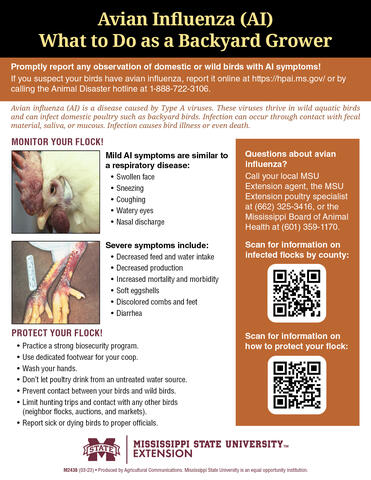
Credit: extension.msstate.edu
Frequently Asked Questions
What Causes Bird Respiratory Infections?
Bird respiratory infections are commonly caused by bacteria, viruses, or fungi. Poor ventilation, stress, and overcrowded environments can exacerbate these infections. Regular cleaning and proper care can help prevent these issues. Keeping birds in clean, well-ventilated spaces and minimizing stress are crucial preventative measures.
How Can I Spot Respiratory Issues In Birds?
Signs of respiratory issues in birds include coughing, sneezing, and nasal discharge. Other symptoms include labored breathing and wheezing. Regularly observing your bird’s behavior and appearance can help you detect these symptoms early. Early detection is key to effective treatment and preventing further complications.
Are There Natural Remedies For Bird Respiratory Health?
Yes, some natural remedies can support bird respiratory health. Herbal supplements like Echinacea and garlic may boost immunity. Ensure proper nutrition and clean living conditions. However, consult a veterinarian before introducing new supplements. A balanced diet and stress-free environment are crucial for maintaining respiratory health.
How Often Should I Clean My Bird’s Cage?
Clean your bird’s cage at least once a week to prevent infections. Remove droppings and replace bedding regularly. Disinfect food and water dishes daily. Keeping the cage clean reduces the risk of respiratory infections. A clean environment promotes better health for your bird.
Conclusion
Preventing bird respiratory infections takes simple, daily steps. Clean bird cages often to keep germs away. Provide fresh food and water for strong health. Watch your birds closely for any signs of sickness. Keep their living area well-ventilated but free from drafts.
Avoid overcrowding to reduce stress and disease spread. Regular vet visits help catch problems early. Healthy birds are happy birds. Small efforts make a big difference in prevention. Stay consistent, and your birds will thrive.