Heat stress can be dangerous for your birds, even life-threatening if you don’t act quickly. If you care about their health and want to keep them safe during hot days, you need to understand how to spot the signs and take simple steps to protect them.
You’ll discover easy and effective ways to prevent heat stress in your birds, helping them stay comfortable and healthy no matter how high the temperature climbs. Keep reading—you’ll learn exactly what you can do right now to make a real difference for your feathered friends.
Signs Of Heat Stress In Birds
Heat stress can harm birds quickly. It is important to spot the signs early. Birds show different signs when they get too hot.
Watching your birds carefully helps you keep them safe. You can help them cool down before they get very sick.
Behavioral Changes
Birds act differently when they feel hot. They try to cool down by changing how they behave. Watching these changes helps you know they need help.
Birds may stop eating or drinking as much. They may also move less and stay in shaded areas. Some birds open their wings to catch a breeze.
- Less eating and drinking
- Reduced movement and activity
- Seeking shade or cool spots
- Spreading wings to cool off
- Increased panting or breathing fast
Physical Symptoms
Heat stress causes visible signs on the bird’s body. Their feathers may look ruffled or dull. Birds may also show signs of dehydration.
Look for heavy panting, open beaks, or a bright red comb and wattles. Birds might also have wet droppings or watery eyes. These signs mean the bird needs immediate care.
- Fluffed or dull feathers
- Heavy panting or open mouth breathing
- Bright red comb and wattles
- Watery eyes or nasal discharge
- Wet or loose droppings
Ideal Housing Conditions
Heat stress can harm birds and reduce their health. Keeping birds cool is key to preventing heat stress. Proper housing helps keep birds safe and comfortable.
This guide covers important ways to keep housing ideal. Focus on ventilation, shade, and temperature control to protect birds.
Proper Ventilation
Good airflow lowers heat and removes moisture and harmful gases. This helps birds breathe well and stay cool.
- Use windows and vents on opposite walls for cross ventilation
- Keep vents open during hot weather
- Install fans to improve air movement
- Avoid blocking airflow with equipment or clutter
Shaded Areas
Shade protects birds from direct sunlight. It lowers the risk of heat stress and sunburn.
| Shade Type | Benefits |
|---|---|
| Natural trees | Cooler air and natural cover |
| Shade cloth | Blocks sun but allows air flow |
| Roof overhangs | Protects from sun and rain |
Temperature Control
Keeping the temperature steady helps birds stay healthy. Avoid sudden changes that stress birds.
- Use water misting or sprinklers to cool the air
- Provide fresh, cool water at all times
- Use fans or evaporative coolers in hot areas
- Insulate housing to reduce heat gain
Hydration Strategies
Keeping birds hydrated is key to stopping heat stress. Birds lose water fast in hot weather. Proper hydration helps them stay cool and healthy.
Good hydration plans include clean water and extra minerals. These help birds keep their balance and avoid heat problems.
Clean Water Supply
Provide fresh, clean water all day long. Dirty water can stop birds from drinking enough. Change water often to keep it cool and clear.
- Use clean containers that are easy to wash
- Place water in shaded areas to keep it cool
- Check water temperature regularly
- Remove any debris or algae from water sources
Electrolyte Supplements
Electrolytes help birds keep their body fluids balanced. Heat stress can cause loss of important salts. Adding electrolytes to water supports recovery.
| Electrolyte | Benefit | How to Use |
| Sodium | Maintains fluid balance | Add to drinking water |
| Potassium | Supports muscle function | Mix with water daily |
| Calcium | Strengthens bones | Use in feed or water |
| Magnesium | Helps nerve signals | Include in electrolyte mix |

Credit: www.wynnstay.co.uk
Dietary Adjustments
Adjusting a bird’s diet helps prevent heat stress during hot days. Birds need food that keeps them cool and hydrated.
Proper nutrition supports their energy and keeps them healthy when temperatures rise.
Light And Nutritious Meals
Feed birds meals that are easy to digest and rich in water content. Light foods reduce heat production in their bodies.
- Offer fresh fruits like watermelon and cucumber
- Include leafy greens such as spinach and lettuce
- Provide soaked seeds to increase moisture intake
- Use small portions of grains instead of large meals
Avoiding Heavy Foods
Heavy foods can make birds feel hotter and tired. These foods take longer to digest and increase body heat.
| Food Type | Reason to Avoid |
| High-fat seeds | Increase body heat during digestion |
| Large amounts of protein | Raise metabolic heat |
| Dry pellets without moisture | Reduce hydration, cause overheating |
Daily Care Practices
Preventing heat stress in birds needs daily attention. Proper care helps birds stay cool and healthy.
Simple actions every day reduce risks and keep birds comfortable during hot weather.
Monitoring Activity Levels
Watch your birds for signs of tiredness or overheating. Less movement can mean heat stress.
- Note changes in how much birds move or eat.
- Look for heavy panting or drooping wings.
- Check if birds avoid sunlight or stay near water.
- Observe rest times and sleep patterns.
Regular Health Checks
Check birds daily for signs of heat stress or illness. Early detection helps prevent serious problems.
| Health Check | What to Look For | Action |
| Feather Condition | Ruffled or missing feathers | Provide shade and water |
| Breathing | Rapid or open-mouth breathing | Move bird to cooler area |
| Behavior | Unusual quietness or aggression | Consult a vet if persists |
| Body Temperature | Warm to touch | Cool down gradually |

Credit: podscan.fm
Emergency Actions
Heat stress can be dangerous for birds. Acting fast helps save their lives. Knowing what to do in an emergency is very important.
This guide explains cooling techniques and signs to watch before calling a vet.
Cooling Techniques
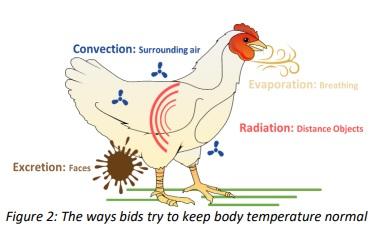
Start cooling the bird slowly to avoid shock. Use gentle methods to lower its body temperature.
- Move the bird to a shaded, cool area immediately.
- Spray or mist the bird lightly with cool water.
- Place a fan nearby to increase air flow.
- Offer fresh, cool water for drinking.
- Do not use ice or very cold water directly on the bird.
- Keep the bird calm and quiet during cooling.
When To Consult A Vet
Seek professional help if the bird shows serious signs of heat stress. Early vet care can prevent severe damage.
- Bird is weak or cannot stand.
- Breathing is very fast or labored.
- Bird does not respond or is unconscious.
- Body temperature stays high after cooling.
- Signs of seizures or muscle twitching appear.
- Bird refuses to drink water for a long time.
Credit: en.engormix.com
Frequently Asked Questions
What Are Common Signs Of Heat Stress In Birds?
Birds with heat stress often pant, spread wings, and become lethargic. They may also have droopy feathers and reduced appetite. Early recognition helps prevent serious health issues and ensures timely care.
How Can I Keep My Birds Cool During Hot Weather?
Provide plenty of fresh water, shade, and ventilation. Use fans or misters in extreme heat. Avoid overcrowding and limit outdoor exposure during peak sun hours.
What Foods Help Birds Cope With Heat Stress?
Offer water-rich fruits and vegetables like watermelon and cucumber. Avoid heavy, high-protein meals during heat. Light, easily digestible food supports hydration and energy.
Can Heat Stress Cause Long-term Harm To Birds?
Yes, prolonged heat stress can damage organs and weaken immunity. It may reduce lifespan and reproductive success. Early prevention and treatment are crucial.
Conclusion
Keeping birds cool is vital for their health. Provide fresh water daily. Shade helps shield birds from direct sunlight. Use fans or misters to lower temperature. Monitor your birds for signs of heat stress. Panting or drooping wings? Act fast.
Move them to a cooler area. Ensure proper ventilation in birdhouses. Proper care prevents heat-related issues. Stay proactive to ensure their comfort. Your birds will thrive with these simple steps. Happy birds mean a happy home.