How to Prevent Moths in Bird Seed: Storage Tips, Natural Repellents, and Safe Pest Control
Are you tired of finding tiny moths invading your bird seed and ruining your efforts to feed the birds? You’re not alone.
Learning how to prevent moths in bird seed is essential for maintaining a healthy feeding environment.
Moths love bird seed just as much as your feathered friends do, and once they get inside, they can cause a big mess. But don’t worry—there are simple, effective ways you can learn how to prevent moths in bird seed before they take over your bird seed stash.
Implementing strategies on how to prevent moths in bird seed can save you time and resources.
Keep reading, and you’ll discover easy steps to protect your bird seed, save your money, and enjoy watching healthy birds visit your yard all season long.
Why Moths Target Bird Seed
Moths often infest bird seed because it provides a perfect food source. The seeds contain oils and nutrients that moth larvae need to grow. If bird seed is stored incorrectly, it can attract moths quickly.
By understanding how to prevent moths in bird seed, you can ensure that your bird food remains safe.
Understanding why moths choose bird seed helps in preventing infestations. This article explains common moth species in bird seed and conditions that attract them.
Common Moth Species In Bird Seed
Identifying moths is crucial when figuring out how to prevent moths in bird seed effectively.
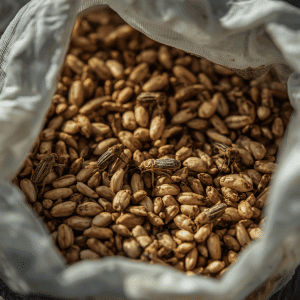
Several moth species can infest bird seed. The most common ones are Indian meal moths and Mediterranean flour moths. These moths lay eggs on the seed, and their larvae feed on it.
Knowing these species will help in your quest on how to prevent moths in bird seed.
- Indian Meal Moth:Often found in stored grains and seeds.
- Mediterranean Flour Moth:Prefers processed grains but also targets bird seed.
- Angoumois Grain Moth:Attacks whole grains and seed kernels.
Conditions That Attract Moths
It’s important to recognize the conditions that allow you to understand how to prevent moths in bird seed.
Moths are attracted to bird seed when storage conditions allow them to thrive. Warmth, moisture, and exposure to light help moths find and infest seed containers.
| Condition | Effect |
| Warm temperature | Speeds up moth growth and egg hatching |
| High humidity | Creates a good environment for larvae |
| Open containers | Allows moths easy access to the seed |
| Old or stale seed | Attracts moths looking for food |
Choosing The Right Bird Seed
Selecting good quality bird seeds is a fundamental step in how to prevent moths in bird seed.
Bird seed can attract moths if it is not chosen carefully. Picking the right seed helps keep moths away. This guide explains which seeds moths avoid.
Also, buying fresh and good quality seed reduces the risk of moth infestation. Learn what to look for when selecting bird seed.
Seed Types Less Prone To Moths
Choosing seeds wisely contributes significantly to how to prevent moths in bird seed.
Some bird seeds attract moths more than others. Seeds with shells or hulls usually keep moths away. Seeds like nyjer and safflower are less likely to get moths.
- Nyjer seed has a thin shell that moths avoid
- Safflower seed is bitter to moths and insects
- Sunflower seeds with shells keep moths out
- Milled or cracked seeds attract moths more
Buying Fresh And Quality Seed
Proper seed storage is a key component when learning how to prevent moths in bird seed.
Fresh seed is less likely to contain moth eggs or larvae. Always check the seed before buying. Quality seed stores it properly to avoid pests.
| Tip | Reason |
| Buy small amounts | Seed stays fresh and used quickly |
| Check packaging date | Older seed may have moth eggs |
| Store in airtight containers | Prevents moths from entering |
| Buy from trusted sellers | Less chance of infested seed |
Proper Storage Techniques
Moths can easily infest bird seed if it is not stored correctly. Using the right storage methods keeps the seed fresh and free from pests. This guide covers two key ways to store bird seed to prevent moth problems.
Keeping bird seed safe is simple when you focus on sealing and choosing the best storage spots. These steps help protect your bird seed from moths and other insects.
Sealed Containers And Airtight Options
Sealing containers correctly is a straightforward way on how to prevent moths in bird seed.
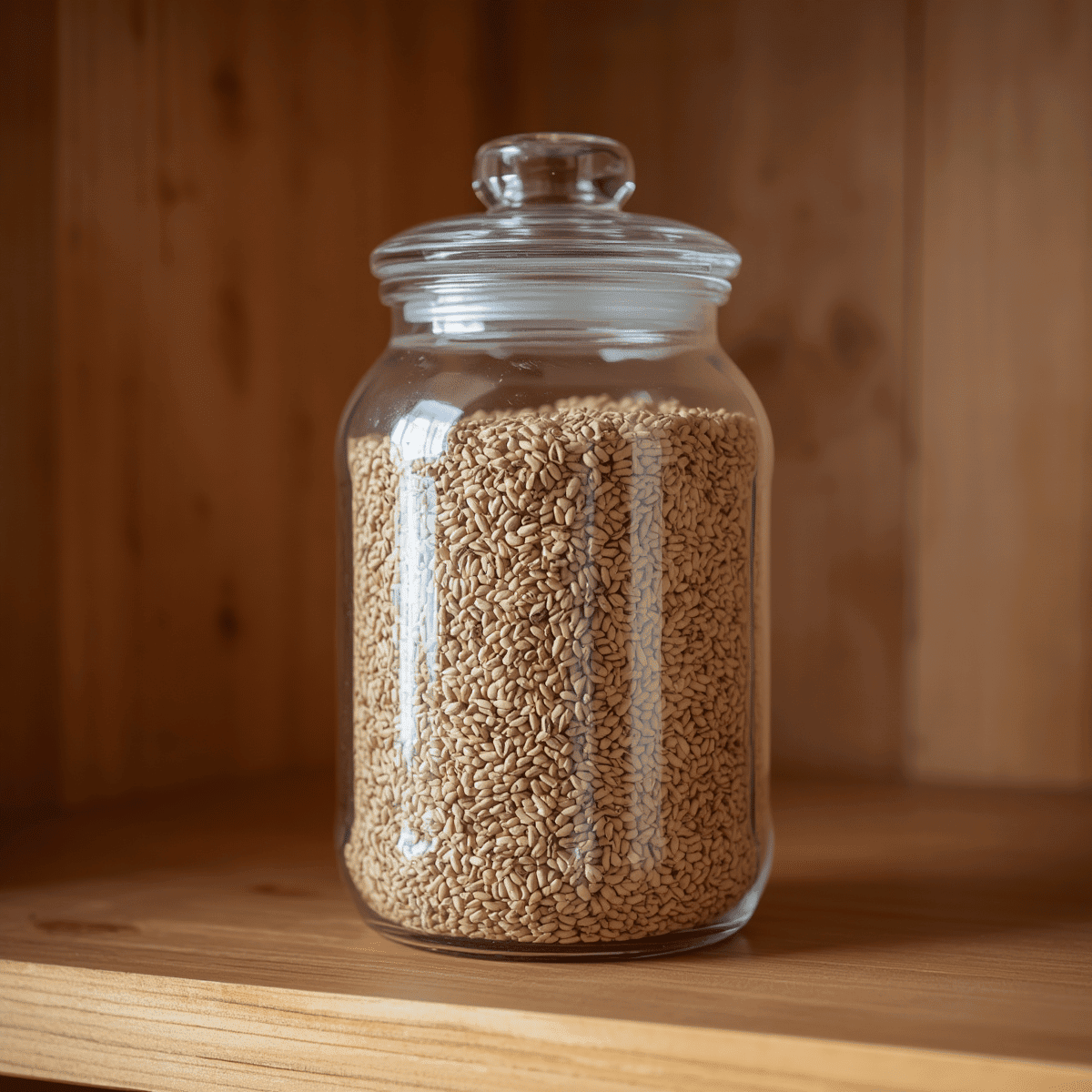
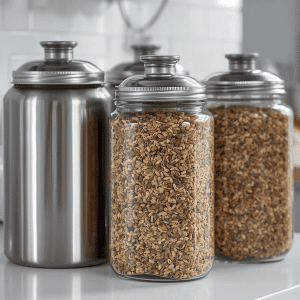
Store bird seed in containers that block air and moisture. Airtight containers stop moths from entering and laying eggs. Use plastic or metal containers with tight lids.
- Choose containers made of heavy plastic, glass, or metal.
- Make sure lids fit tightly and seal well.
- Avoid thin bags or containers with loose covers.
- Label containers with the seed type and date stored.
- Check containers regularly for cracks or damage.
Cool And Dry Storage Spots
Finding the right storage spots is vital in your journey on how to prevent moths in bird seed.
Keep bird seed in places that are cool and dry. Warmth and humidity help moths grow and spread. Use storage areas that stay below 70°F and have low humidity.
| Storage Location | Temperature Range | Humidity Level | Notes |
|---|---|---|---|
| Basement | 50°F – 65°F | Low to Moderate | Ensure good ventilation to avoid dampness |
| Pantry | 60°F – 70°F | Low | Keep away from heat sources like ovens |
| Garage | Varies – avoid hot spots | Low if dry | Use airtight containers to protect from moisture |
| Closet | 65°F – 70°F | Low | Choose a spot away from windows and sunlight |
Natural Repellents And Deterrents
Using natural repellents is a fantastic method on how to prevent moths in bird seed.
Moths can ruin bird seed by making it unusable. Using natural repellents keeps moths away without chemicals.
Natural methods are safe for birds and easy to use at home. These help protect your seed for longer.
Using Bay Leaves And Herbs
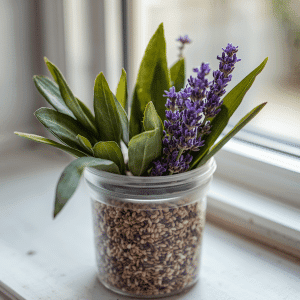
Bay leaves have a strong smell that moths do not like. Adding a few leaves to your bird seed can stop moths.
Other herbs like rosemary and lavender also work well. They smell good and keep moths away naturally.
- Place bay leaves inside seed containers
- Mix dried rosemary or lavender with the bird seed
- Replace herbs every few weeks for best results
Essential Oils That Work
Some essential oils repel moths strongly. You can use oils like peppermint, eucalyptus, or cedarwood.
Put a few drops on cotton balls and place them near the seed. This keeps moths away without harming birds.
Essential oils can be part of your strategy for how to prevent moths in bird seed.
- Peppermint oil stops moths from landing
- Eucalyptus oil masks seed smell from moths
- Cedarwood oil is a natural insect repellent
- Replace cotton balls with fresh oil weekly
Regular Cleaning Habits
Regular cleaning is essential for mastering how to prevent moths in bird seed.
Keeping bird feeders and seed storage areas clean helps prevent moths. Moths lay eggs in old seed, causing infestations.
Regular cleaning removes food sources for moth larvae and keeps birds safe from pests.
Cleaning Feeders And Storage Areas
Clean feeders every two weeks to stop moths from settling. Empty feeders before washing to remove old seeds.
Wipe storage shelves and bins often. Use soap and water to remove dirt and seed dust.
- Remove all seeds and debris
- Scrub surfaces with warm, soapy water
- Rinse well and let dry completely
- Store seed in cool, dry places
Removing Old Seed Residue
Old seed residue attracts moths and other pests. Clear out leftover seeds from feeders and storage spots regularly.
Remove old seed residue as it plays a role in how to prevent moths in bird seed.
Use a brush or cloth to clean tiny seed bits stuck in corners or cracks.
- Check feeders for seed buildup weekly
- Empty and clean all seed containers monthly
- Keep the area around feeders free of spilled seed
Monitoring And Early Detection
Monitoring your bird seed is vital for effectively learning how to prevent moths in bird seed.
Keeping bird seed safe from moths needs regular checks. Early detection stops big problems.
Watch your seed storage and use tools to find moths early. This helps you act fast.
Signs Of Moth Infestation
Look for these signs to catch moths early in your bird seed.
- Clumps or webbing in the seed
- Small holes in seed bags or containers
- Flying moths near the seed area
- Larvae or small caterpillars inside seed
- Unusual smell or dust around seed
Using Traps To Catch Moths
Traps help monitor moth presence. Place them near your seed storage.
Using traps can significantly aid in your efforts on how to prevent moths in bird seed.
| Trap Type | How It Works | Placement Tips |
| Pheromone Trap | Uses moth scent to lure males | Hang 3-6 feet high near seed bags |
| Sticky Trap | Catches moths on sticky surface | Place around seed containers |
| Light Trap | Attracts moths with light | Use in dark areas near seed |
Safe Pest Control Options
Safe pest control options should always be considered when addressing how to prevent moths in bird seed.
Moths can ruin bird seed if not controlled. Using safe pest control protects birds and your home.
Choose methods that keep moths away without harmful chemicals. This helps keep birds healthy.
Non-toxic Methods
Non-toxic ways prevent moths without chemicals. These methods are safe for birds and people.
- Store bird seed in airtight containers to block moth access.
- Keep seed in a cool, dry place to stop moth eggs from hatching.
- Use bay leaves or cloves inside storage containers to repel moths naturally.
- Regularly clean bird feeders and storage areas to remove eggs and larvae.
- Freeze new seed bags for 48 hours to kill any moth eggs before use.
When To Use Chemical Treatments
Know when to use chemical treatments as a last resort in your approach on how to prevent moths in bird seed.
Chemical treatments should be a last option. Use them only if moth infestation is severe.
| Chemical Treatment | Use Case | Precautions |
| Insecticidal sprays | Heavy moth infestations in storage areas | Keep seed and feeders covered; avoid direct contact with seed |
| Foggers or moth bombs | Large storage rooms with moth population | Remove all bird seed and cover feeders before treatment |
| Moth traps with pheromones | Monitor moth levels; reduce adult moths | Place away from bird feeding spots to avoid exposure |
Frequently Asked Questions
How Can I Stop Moths From Infesting Bird Seed?
Store bird seed in airtight containers to block moth access. Keep the seed dry and cool to prevent moth growth. Regularly clean feeders and discard old seed to avoid infestations.
What Natural Methods Repel Moths In Bird Seed?
Bay leaves placed in seed containers deter moths naturally. Diatomaceous earth sprinkled around storage areas also prevents moth larvae. These methods are safe for birds and effective against moths.
Why Do Moths Infest Bird Seed?
Moths are attracted to bird seed due to its organic nutrients. Warm, humid conditions speed up moth breeding in seed storage. Proper storage and cleanliness reduce moth attraction and infestation risk.
How Often Should I Clean Bird Seed Feeders?
Clean bird seed feeders every two weeks to prevent moths. Remove old seed and wash feeders with soap and water. Regular cleaning interrupts moth life cycles and keeps birds healthy.
Conclusion
Keeping moths out of bird seed is crucial. Simple steps can help. Store seeds in airtight containers. Regularly check for pests. Clean storage areas often. These actions reduce moth infestations of how to prevent moths in bird seed. Prevention saves time and money. Your birds enjoy healthy, pest-free food.
Implement these strategies on how to prevent moths in bird seed for effective results.
It’s easy and worth the effort. Implement these tips for peace of mind. Enjoy watching your birds thrive. A little care goes a long way. Keep your bird seeds safe and fresh. Consistent vigilance is key. Happy bird feeding!
These techniques on how to prevent moths in bird seed will ensure your birds thrive.