
If you keep birds, you know how important it is to protect them from deadly diseases. Newcastle Disease is one of the most dangerous threats to your birds’ health.
It can spread quickly and cause serious harm, even death. But don’t worry—you have the power to stop it before it starts. You’ll discover simple, effective steps to keep Newcastle Disease away from your flock. By following these tips, you can ensure your birds stay healthy and strong.
Keep reading to learn exactly what you need to do to protect your birds today.
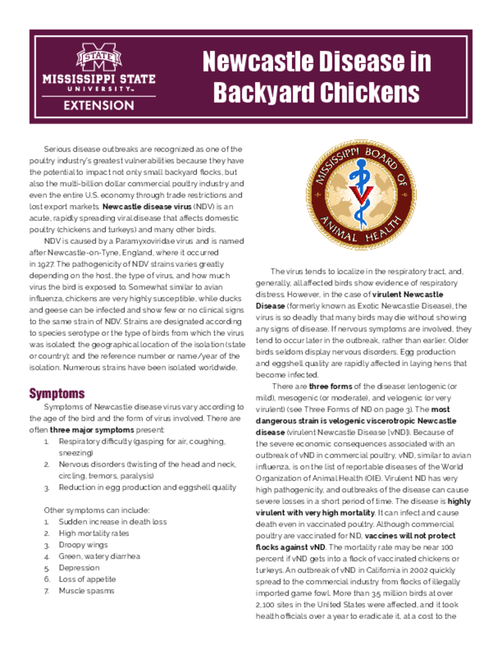
Credit: extension.msstate.edu
Newcastle Disease Basics
Newcastle disease is a serious illness that affects many types of birds. It spreads quickly and can cause death in chickens and other poultry.
Knowing the basics helps bird owners keep their flocks safe and healthy. This guide covers signs to watch for and how the disease spreads.
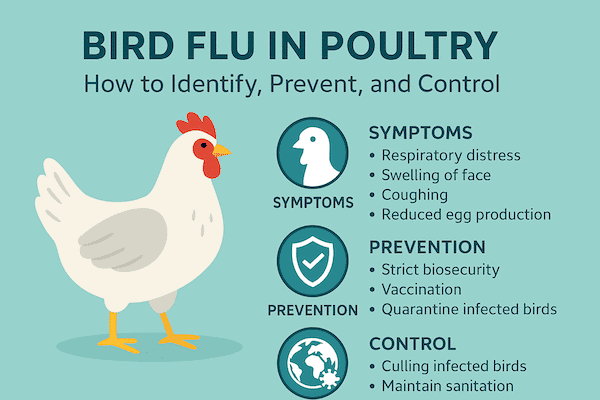
Symptoms To Watch For
Birds with Newcastle disease may show many different signs. Some signs appear quickly, while others develop over time.
- Weakness and tiredness
- Loss of appetite
- Swelling around the eyes and neck
- Breathing problems like coughing or gasping
- Green or watery diarrhea
- Sudden drop in egg production
- Paralysis or tremors in legs and wings
Transmission Methods
Newcastle disease spreads fast among birds. It can pass through many ways in a flock or between farms.
| Transmission Method | Description |
|---|---|
| Direct Contact | Birds touch infected birds or their droppings. |
| Airborne Particles | Virus spreads through dust and droplets in the air. |
| Contaminated Equipment | Using dirty feeders, waterers, or cages can spread the virus. |
| Humans | People can carry the virus on clothes and shoes. |
| Wild Birds | Wild birds may carry and spread the disease to domestic flocks. |

Credit: www.youtube.com
Biosecurity Measures
Newcastle Disease spreads quickly among birds. Biosecurity helps stop the disease from entering farms. It keeps birds healthy and safe.
Good biosecurity means controlling who and what comes into contact with your birds. It also means cleaning and disinfecting regularly.
Controlling Farm Access
Only allow trusted people to enter the farm. Limit visitors to reduce the risk of spreading Newcastle Disease. Use signs to show restricted areas.
Make sure all workers wear clean clothes and boots before entering bird areas. Use footbaths with disinfectant at farm entrances. This stops germs from coming in.
- Keep a log of all visitors and workers
- Provide clean clothing and footwear
- Use fences and gates to control entry
- Disinfect vehicles before entering the farm
Sanitizing Equipment And Housing
Clean all equipment before and after use. Remove dirt, manure, and feathers. Dirt can carry viruses and bacteria.
Disinfect bird houses regularly. Use approved disinfectants safe for birds. Clean housing helps stop disease spread.
- Wash feeders and waterers daily
- Remove old litter and replace with fresh bedding
- Disinfect tools and equipment after each use
- Keep housing dry and well-ventilated
Vaccination Strategies
Vaccination is key to prevent Newcastle Disease in birds. It helps build strong immunity.
Using the right vaccine and following proper schedules keeps birds safe and healthy.
Types Of Vaccines
Different vaccines protect birds in various ways. Choose the right type for your flock.
- Live Attenuated Vaccines:Contain weakened virus to stimulate immunity without causing disease.
- Inactivated Vaccines:Use killed virus to trigger immune response safely.
- Recombinant Vaccines:Use parts of the virus made in a lab to train the immune system.
- Vector Vaccines:Use harmless viruses to deliver Newcastle Disease virus genes to the bird’s immune system.
Vaccination Schedules
Follow a proper vaccination schedule to keep protection strong over time. Timing matters.
| Bird Age | Vaccine Type | Dosage Method | Frequency |
| Day-old chicks | Live Attenuated | Eye drop or spray | Single dose |
| 2-3 weeks | Live Attenuated | Drinking water | Booster dose |
| 6 weeks | Inactivated | Injection | Booster dose |
| Every 6 months | Live or Inactivated | Depends on vaccine | Revaccination |
Nutrition And Health
Newcastle Disease is a serious illness in birds. Good nutrition and health care help prevent it. Healthy birds resist infections better.
Proper feeding and reducing stress keep birds strong. Strong birds have better immune systems to fight disease.
Balanced Diet Benefits
A balanced diet gives birds essential nutrients. These nutrients support their immune system and overall health.
Birds with good nutrition grow well and stay active. This lowers the chance of Newcastle Disease infection.
- Proteins help build strong muscles and cells
- Vitamins like A, D, and E boost immunity
- Minerals such as calcium and phosphorus strengthen bones
- Fresh water keeps birds hydrated and healthy
Stress Reduction Techniques
Stress weakens a bird’s defense against diseases. Reducing stress helps birds stay healthy and fight infections.
Calm environments and proper care lower stress. Birds grow stronger and resist Newcastle Disease better.
- Keep birds in clean and safe housing
- Provide enough space for movement
- Handle birds gently to avoid fear
- Keep noise and sudden changes low
Monitoring And Early Detection
Keeping birds healthy depends on careful monitoring. Early detection of Newcastle Disease helps stop its spread fast.
Watch your birds daily and act quickly if you see signs of illness. This protects your flock and farm.
Regular Health Checks
Check your birds every day for symptoms like coughing, sneezing, or unusual behavior. Look for signs such as swelling around the eyes or neck.
- Observe eating and drinking habits
- Notice any changes in droppings
- Check for breathing difficulties
- Look for signs of paralysis or weakness
- Separate sick birds immediately
Record Keeping
Keep detailed records of health checks to track your birds’ condition. Note dates and symptoms for each bird or group.
| Date | Bird ID | Symptoms Observed | Action Taken |
|---|---|---|---|
| 2024-05-01 | Flock A | Coughing, sneezing | Isolated sick birds |
| 2024-05-03 | Flock B | Swollen eyes | Contacted vet |
| 2024-05-05 | Flock A | Weakness in legs | Increased monitoring |
Handling Suspected Cases
Newcastle disease is highly contagious among birds. Quick action helps stop its spread. Handling suspected cases carefully protects healthy birds.
This guide explains key steps for managing birds that may have Newcastle disease.
Isolation Procedures
Isolate any birds showing signs of illness immediately. Keep them away from healthy birds to prevent transmission.
- Move sick birds to a separate enclosure.
- Use dedicated equipment for isolated birds only.
- Wear gloves and clean hands after contact.
- Disinfect cages and feeding tools daily.
- Limit access to the isolation area.
Seeking Veterinary Help
Contact a veterinarian as soon as you suspect Newcastle disease. Early diagnosis helps control and treatment.
| Signs to Report | Veterinary Actions |
| Coughing and sneezing | Sample testing for virus |
| Loss of appetite | Prescribe supportive care |
| Paralysis or tremors | Advise quarantine measures |
| Sudden death | Recommend containment and reporting |

Credit: www.youtube.com
Frequently Asked Questions
What Are Common Symptoms Of Newcastle Disease In Birds?
Newcastle Disease symptoms include respiratory distress, coughing, nasal discharge, and greenish diarrhea. Birds may also show nervous signs like tremors and paralysis. Early detection is crucial for controlling the spread and minimizing losses in poultry.
How Can I Vaccinate My Birds Against Newcastle Disease?
Vaccinate birds using live or inactivated vaccines available from veterinary suppliers. Follow proper schedules and dosages recommended by experts. Vaccination helps build immunity and prevents outbreaks in both backyard and commercial flocks.
What Biosecurity Measures Prevent Newcastle Disease Spread?
Limit visitor access, disinfect equipment, and quarantine new birds for at least two weeks. Use clean water and feed, and avoid contact with wild birds. These practices reduce the risk of Newcastle Disease entering your flock.
Can Newcastle Disease Be Treated In Infected Birds?
There is no specific treatment for Newcastle Disease. Supportive care like hydration and nutrition may help. Prevention through vaccination and biosecurity is the best defense to avoid severe losses.
Conclusion
Preventing Newcastle Disease is crucial for healthy birds. Regular vaccinations help protect them. Clean environments reduce disease spread. Ensure birds have nutritious diets. Healthy birds resist infections better. Isolate new birds before introducing them. Monitor birds for symptoms regularly. Quick action can save your flock.
Educate yourself on disease management. Stay informed on bird health practices. Strong preventive measures lead to healthier birds. Your efforts will keep your flock safe. Protecting birds ensures their well-being and happiness.



