How to Protect Yourself from Bird Droppings and Avoid Health Risks
Bird droppings might seem harmless, but they can cause serious problems for your health and property. If you’ve ever found yourself dodging those unwanted splatters or worried about the damage they can cause, this article is for you.
Understanding how to protect yourself from bird droppings is crucial for your health.
You’ll discover simple, effective ways to protect yourself and keep your surroundings clean. Stick with me, and you’ll learn how to stay safe and worry-free when birds are nearby. Ready to take control? Let’s dive in.
Let’s explore how to protect yourself from bird droppings to ensure your safety.
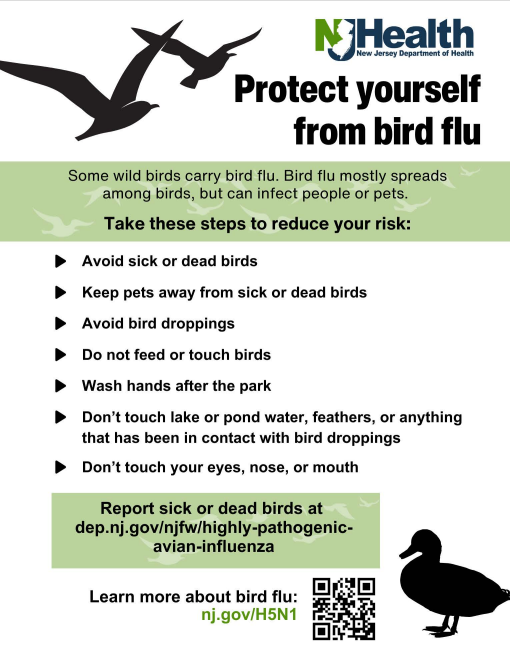
Credit: lbihealth.com
Health Risks From Bird Droppings
When thinking about how to protect yourself from bird droppings, it’s important to consider the environment you are in.
Bird droppings can carry germs and cause health problems. It is important to protect yourself from contact with them.
Exposure to bird droppings can lead to infections and allergic reactions. Knowing the risks helps you stay safe.
By knowing how to protect yourself from bird droppings, you can minimize health risks effectively.
Common Diseases Transmitted
Bird droppings can spread several diseases to humans. These diseases often affect the lungs and other parts of the body.
It is essential to learn how to protect yourself from bird droppings to avoid these diseases.
- Histoplasmosis: A lung infection caused by fungus in bird droppings.
- Cryptococcosis: A fungal infection that can affect the lungs and brain.
- Psittacosis: An infection from bacteria found in bird droppings, causing flu-like symptoms.
- Salmonellosis: A bacterial infection causing stomach pain and diarrhea.
Cleaning bird droppings carefully lowers the chance of catching these diseases.
Cleaning bird droppings properly is an effective way to learn how to protect yourself from bird droppings.
Allergic Reactions And Irritations
Bird droppings can cause allergies in some people. Dust from dried droppings may irritate the skin, eyes, and lungs.
Being aware of how to protect yourself from bird droppings can help those with allergies.
Repeated exposure can make symptoms worse. People with asthma or allergies should be extra careful around bird droppings.
- Sneezing and runny nose
- Itchy or watery eyes
- Skin rashes and irritation
- Coughing or difficulty breathing

Credit: www.amazon.com
Preventive Measures At Home
To ensure a safe environment, knowing how to protect yourself from bird droppings is vital.
Bird droppings can damage your property and cause health issues. Taking steps at home helps keep you safe.
Simple actions can reduce bird droppings around your house. This keeps outdoor areas clean and healthy.
Implementing practices on how to protect yourself from bird droppings will create a healthier home.
Keeping Outdoor Areas Clean
Clean outdoor spaces stop birds from staying too long. Remove food scraps and trash often.
Regular cleaning lowers bird droppings and keeps your home safe from germs.
Understanding how to protect yourself from bird droppings can significantly reduce the threat to your health.
- Clear fallen fruit and seeds from trees or plants
- Empty bird feeders if droppings build up
- Wash patios, decks, and outdoor furniture regularly
- Keep garbage bins covered and clean
Installing Bird Deterrents
Bird deterrents help keep birds away from your home. Use safe tools that do not harm birds.
Discover options on how to protect yourself from bird droppings while maintaining a bird-friendly environment.
Choose deterrents based on where birds gather and how large the area is.
- Install bird spikes on ledges and gutters
- Use reflective tape or shiny objects to scare birds
- Set up decoy predators like plastic owls or hawks
- Try ultrasonic bird repellers for quiet deterrence
Protective Gear And Clothing
Finding the right gear is an essential step in how to protect yourself from bird droppings.
Bird droppings can carry germs and cause skin irritation. Wearing the right protective gear helps keep you safe and clean.
Protective clothing acts as a barrier between you and bird droppings. It also makes cleaning easier after exposure.
Using Gloves And Masks
Gloves protect your hands from germs in bird droppings. Use disposable or washable gloves to avoid skin contact.
Masks help prevent breathing in dust or dried droppings. Choose a mask that fits well and covers your nose and mouth.
- Wear gloves before touching bird droppings
- Use masks during cleaning or handling droppings
- Dispose of or clean gloves after use
- Replace masks if they get dirty or damaged
Choosing Suitable Outerwear
Wear long sleeves and pants to protect your skin from droppings. Choose clothing made from materials that are easy to clean.
Water-resistant or coated outerwear prevents droppings from soaking in. This helps keep you clean and reduces germs on clothes.
- Pick durable clothes that cover arms and legs
- Use water-resistant jackets or aprons
- Wash clothes thoroughly after exposure
- Avoid wearing open shoes in areas with droppings
Safe Cleaning Practices
Bird droppings can carry germs and cause health issues. Cleaning them safely is important to protect yourself.
Using safe cleaning methods is crucial in learning how to protect yourself from bird droppings.
Use the right tools and cleaning methods to avoid contact with harmful bacteria and viruses.
Proper Cleaning Tools
Choose tools that help reduce direct contact with droppings and make cleaning easier.
- Wear disposable gloves to protect your hands.
- Use a plastic scraper or putty knife to remove droppings.
- Have disposable cloths or paper towels for wiping surfaces.
- Use a spray bottle filled with water to dampen droppings before scraping.
- Wear a mask to avoid breathing in dust or particles.
Disinfection Techniques
Disinfect the area after cleaning to kill germs and reduce health risks.
| Disinfectant | Mixing Instructions | Application Method |
| Bleach Solution | 1 part bleach to 9 parts water | Spray and let sit for 10 minutes, then wipe |
| Commercial Disinfectant | Follow label instructions | Apply with cloth or spray, let dry |
| Hydrogen Peroxide | Use 3% solution as is | Spray on surface, wait 10 minutes, then wipe |
Handling Bird Droppings In Public Spaces
By following these guidelines on how to protect yourself from bird droppings, you can stay safe.
Bird droppings can carry germs and cause health problems. It is important to be careful around them in public areas.
This guide helps you avoid contact and stay safe when you see bird droppings outdoors.
Avoiding Contaminated Areas
Try not to walk or sit in places where bird droppings are visible. These areas may be unsafe.
- Look around before sitting on benches or playgrounds.
- Walk around sidewalks or paths that have droppings.
- Wear shoes that cover your feet well to avoid contact.
- Keep children away from these spots to protect their health.
- Wash your hands after being near bird droppings.
Reporting Large Accumulations
If you see many bird droppings in one area, tell local authorities. This helps keep public spaces clean and safe.
| What to Report | Who to Contact | How to Report |
| Large piles of bird droppings | City sanitation or parks department | Call local hotline or use city website |
| Droppings blocking walkways | Public works or maintenance teams | Send an email or report via app |
| Areas with strong smell or hazards | Health department | Contact by phone or online form |
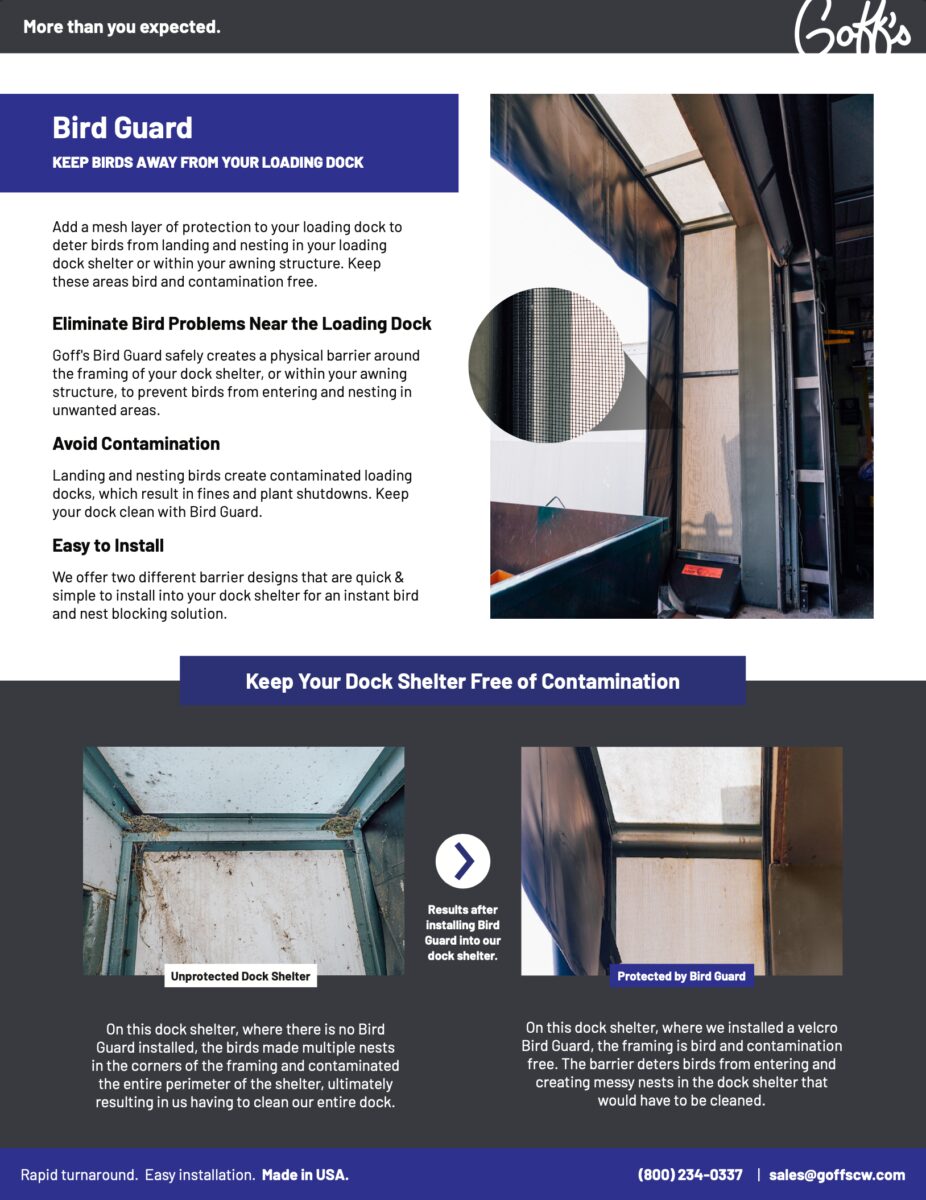
Credit: goffsenterprises.com
Maintaining Personal Hygiene
Practicing hygiene is just one part of how to protect yourself from bird droppings.
Bird droppings can carry harmful germs. Keeping clean helps stop infections.
Good hygiene protects your health after contact with bird droppings.
Hand Washing Tips
Washing your hands well removes germs from bird droppings. Use soap and water.
- Wet your hands with clean water
- Apply soap and rub for 20 seconds
- Clean under nails and between fingers
- Rinse hands thoroughly with water
- Dry hands with a clean towel or air dry
Preventing Cross-contamination
Keep bird droppings away from food and surfaces. Clean tools and clothes after use.
| Action | How to Do It |
| Separate cleaning tools | Use different brushes for droppings and kitchen |
| Wear gloves | Protect your hands when handling droppings |
| Wash clothes | Clean clothes worn near droppings separately |
| Clean surfaces | Disinfect areas exposed to bird droppings |
| Avoid touching face | Keep hands away from eyes, nose, and mouth |
Frequently Asked Questions
How Can I Avoid Bird Droppings In Public Places?
Avoid standing under trees or ledges where birds perch. Use umbrellas or hats when walking in areas with many birds. Stay alert to your surroundings to minimize exposure to droppings.
What Protective Gear Helps Against Bird Droppings?
Wear hats, sunglasses, and masks to shield your face and eyes. Use gloves when cleaning bird droppings. Protective clothing reduces skin contact and lowers health risks.
Are Bird Droppings Harmful To Humans?
Yes, bird droppings can carry bacteria and fungi causing health issues. They may trigger respiratory problems or infections. Always handle droppings carefully and clean contaminated areas promptly.
How Do I Clean Bird Droppings Safely At Home?
Use gloves and a mask before cleaning. Moisten droppings with water to reduce dust. Use a disinfectant to clean surfaces thoroughly to kill germs effectively.
Conclusion
Protecting yourself from bird droppings is simple and essential. Wear a hat outside. Carry tissues for quick clean-ups. Avoid parking under trees. Clean your car regularly. Use protective covers if needed. Remember to wash your hands after contact. Stay vigilant and informed about local bird activity.
Remember the best tips on how to protect yourself from bird droppings for a safe outdoor experience.
These steps keep you safe and healthy. Enjoy the outdoors without worry. Stay clean and comfortable on your adventures. Birdwatching can still be enjoyable with these precautions. Stay proactive, stay protected.
By adopting these suggestions, you will know how to protect yourself from bird droppings effectively.