How to Put Bird Netting on a Fruit Tree the Right Way
Are you tired of watching birds feast on your precious fruit before you get the chance to enjoy it? Protecting your fruit trees can feel like a never-ending battle against nature.
But there’s good news! By learning how to put bird netting on a fruit tree, you can safeguard your harvest and savor every juicy bite. Imagine the satisfaction of picking a perfectly ripe fruit, knowing it’s untouched by hungry beaks.
Learning how to put bird netting on a fruit tree is essential for any gardener looking to protect their harvest.
In this guide, you’ll discover simple, effective steps to install bird netting, ensuring your trees are safe and your fruit is yours. Ready to transform your garden into a bird-proof paradise? Let’s dive in and secure your bounty today!
Once you understand how to put bird netting on a fruit tree, you will enjoy a more fruitful gardening experience.
Choosing The Right Bird Netting
Bird netting protects fruit trees from hungry birds. Picking the right netting keeps your fruit safe. The material, mesh size, and color all matter.
In this section, we will detail how to put bird netting on a fruit tree to prevent bird access effectively.
Use the right netting to make sure it lasts and works well. This guide helps you choose the best netting for your fruit tree.
Types Of Bird Netting Materials
Bird netting comes in different materials. Some are plastic, others are nylon or polyethylene. Each type has benefits.
When selecting materials, consider how to put bird netting on a fruit tree that suits your garden’s needs.
- Polyethylene is light and strong. It resists weather and lasts a long time.
- Nylon is soft and flexible but may wear faster in sunlight.
- Polypropylene is affordable but less durable.
- Plastic netting is common and easy to find, but it can tear more easily.
Mesh Size And Durability
Mesh size decides which birds the netting can keep out. Smaller holes stop small birds, but large holes let them through.
| Mesh Size | Best For | Durability |
|---|---|---|
| 0.5 inch (1.27 cm) | Small birds like sparrows | High |
| 1 inch (2.54 cm) | Medium birds like starlings | Medium |
| 2 inch (5.08 cm) | Large birds like crows | Low |
Choose durable netting for long use. Check if it resists sun and rain well.
After selecting the right materials, the next step is learning how to put bird netting on a fruit tree properly.
Netting Colors And Visibility
Netting color affects how well birds see it and your tree’s look. Some colors blend into the leaves.
- Green or black netting blends with leaves and is less visible.
- White netting is easy to see but may scare birds less.
- Bright colors may frighten birds but can look out of place.

Credit: www.amazon.ca
Preparing Your Fruit Tree
Preparation is key when learning how to put bird netting on a fruit tree successfully.
Before putting bird netting on your fruit tree, you need to prepare it well. Proper preparation helps the netting fit better and protects your tree.
Start by checking your tree’s size and shape. Remove any dead parts and choose the right time to install the netting. These steps make sure your fruit stays safe.
Assessing Tree Size And Shape
Look closely at your tree to understand its size and shape. This helps you buy the right amount of bird netting. Measure the height and width of the tree for accuracy.
Understanding your tree’s size will help you gauge how to put bird netting on a fruit tree accurately.
- Measure the tree’s height from the ground to the top branch.
- Measure the widest part of the tree’s canopy.
- Note any areas where branches grow unevenly.
- Check if the tree is tall or short and wide or narrow.
Removing Dead Branches And Debris
Clear away dead branches and fallen leaves before installing the netting. This keeps the tree healthy and makes netting easier to place.
Taking time to prepare will make it easier to learn how to put bird netting on a fruit tree effectively.
| Task | Reason |
| Cut dead branches | Prevents damage and disease |
| Remove fallen leaves | Stops pests and mold |
| Clear loose debris | Allows netting to fit snugly |
Timing For Netting Installation
Choose the right time to put on the bird netting. The best time is before the fruit starts to ripen. This keeps birds away and protects your harvest.
The timing of installation is crucial when figuring out how to put bird netting on a fruit tree.
- Install netting early in the season.
- Check weather forecasts to avoid strong wind days.
- Make sure the tree is dry before placing netting.
- Remove netting after harvest to let the tree breathe.
Gathering Necessary Tools
Gathering tools is a vital step in learning how to put bird netting on a fruit tree properly.
Protecting your fruit trees with bird netting starts with gathering the right tools. Having everything ready makes the job easier and faster.
Below are the main categories of tools you need for netting your fruit trees safely and effectively.
Netting And Support Materials
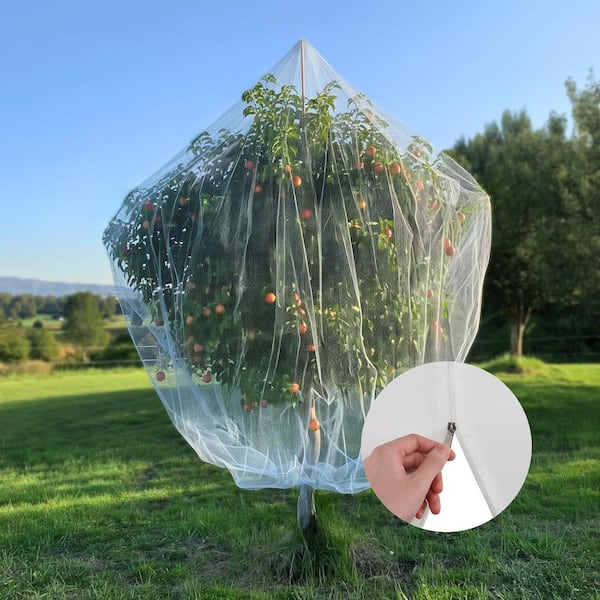
You will need bird netting that covers the entire tree. Choose a net that is strong but lightweight to avoid damaging branches.
- Bird netting large enough to cover the tree
- Poles or stakes to support the netting
- Rope or twine for extra support
Fasteners And Ties
Fasteners keep the netting secure around the tree. Select durable ties that hold well in outdoor conditions.
| Type | Use | Notes |
|---|---|---|
| Zip ties | Attach netting to poles and branches | Easy to use and strong |
| Twist ties | Secure loose ends of the net | Reusable and flexible |
| Clips or clamps | Hold netting in place | Good for quick removal |
Safety Gear And Ladders
Safety is important when working around fruit trees. Use gear and equipment to avoid accidents and reach high branches.
- Sturdy ladder to reach tree tops
- Gloves to protect your hands from branches and netting
- Protective eyewear to avoid debris
Credit: www.homedepot.com
Step-by-step Netting Installation
Protecting your fruit tree from birds is easy with bird netting. This guide shows you how to install it correctly. Follow these simple steps to keep your fruit safe.
Using the right technique helps the netting last longer and stay secure. Let’s start with measuring and cutting the netting.
Measuring And Cutting The Netting
Measuring correctly will help you figure out how to put bird netting on a fruit tree without mistakes.
Measure the height and width of your fruit tree. Add extra length to cover the whole tree and reach the ground. This prevents birds from sneaking in.
Use sharp scissors or garden shears to cut the netting to the right size. Make sure the netting is large enough to wrap around the tree fully.
Securing The Netting At The Base
Start by placing the netting around the base of the tree. Spread it evenly so it touches the ground all around. This stops birds from getting under the net.
Use garden staples or heavy rocks to hold the netting down. Secure the edges tightly to prevent gaps at the bottom.
- Place staples every 12 to 18 inches
- Use rocks if staples are not available
- Check for any loose spots
Covering The Tree Canopy
Lift the netting over the top of the tree canopy carefully. Make sure all branches and leaves are covered completely. The net should not have any holes or tears.
Adjust the netting as needed to cover all sides of the tree. Smooth out any wrinkles or folds to keep it neat and secure.
Tying And Anchoring The Netting
Gather the netting at the base and tie it tightly using garden twine or zip ties. This seals the net around the trunk and stops birds from slipping in.
After securing the base, ensure you know how to put bird netting on a fruit tree to cover the entire structure.
Anchor the tied netting to the ground with stakes or heavy objects. Check regularly to make sure the net stays tight and secure during wind or rain.
- Use soft ties to avoid damage to the tree
- Place stakes firmly in the soil
- Inspect netting weekly for wear or gaps
Maintaining The Netting
Keeping bird netting in good shape protects your fruit trees well. Regular care helps the netting last longer.
Maintaining the netting is crucial after you learn how to put bird netting on a fruit tree.
This guide explains how to check, clean, and remove the netting safely after harvest.
Regular Inspections For Damage
Look over the netting every week to find holes or tears early. Birds can squeeze through small gaps.
- Check the netting edges where it attaches to branches or poles.
- Fix any rips with strong tape or replace the damaged section.
- Remove any debris caught in the netting to avoid extra weight.
- Make sure the net stays tight and does not sag.
Cleaning And Storage Tips
Clean netting before storing it to prevent mold and decay. Dirt and sap can damage the material.
Knowing how to put bird netting on a fruit tree is just the beginning; you need to maintain it as well.After cleaning the netting, it’s essential to remember how to put bird netting on a fruit tree before storing it.
| Cleaning Step | Instructions |
| Shake off debris | Remove leaves and twigs outside |
| Wash gently | Use mild soap and water, rinse well |
| Dry fully | Air dry in a shaded area to avoid sun damage |
| Fold carefully | Fold loosely to prevent creases and tears |
| Store properly | Keep in a dry, cool place away from rodents |
Removing Netting After Harvest
Take the netting off after you pick all the fruit. Leaving it on too long can hurt the tree.
Once harvest time is over, removing the netting is critical; here’s how to put bird netting on a fruit tree safely.
- Start at one corner and slowly lift the netting off the branches.
- Check for any caught branches or fruit to avoid damage.
- Fold the netting neatly as you remove it to keep it clean.
- Inspect the net again for any needed repairs before storing.
Additional Tips To Protect Your Harvest
Using bird netting helps keep birds away from fruit trees. To improve protection, add other methods. These tips help secure your harvest better.
Bird netting is effective; however, understanding how to put bird netting on a fruit tree enhances overall protection.
Combining netting with repellents and scare devices can lower fruit damage. Checking your trees often keeps problems small.
Using Repellents Alongside Netting
Repellents can discourage birds and pests from approaching your fruit tree. Use them together with netting for extra protection.
Choose safe repellents that do not harm the fruit or tree. Spray or apply repellents around the tree base and branches.
- Use natural sprays like garlic or chili pepper solutions
Integrating other methods alongside learning how to put bird netting on a fruit tree can increase your success rate.
- Apply sticky bird repellents on nearby branches
- Reapply repellents after rain or strong wind
Combining Netting With Scare Devices
Scare devices help keep birds away by creating movement or noise. Use them with netting to make birds avoid your tree.
Place scare devices around the tree but not inside the netting. Change their position often to keep birds confused.
- Use shiny objects like aluminum foil strips or old CDs
- Install wind chimes or noise makers near the tree
- Try fake predators like plastic owls or snakes
Monitoring For Pest And Bird Activity
Check your fruit tree regularly to spot any pest or bird problems early. This helps protect your fruit before damage grows.
Conducting regular checks helps ensure everything is in order, especially after learning how to put bird netting on a fruit tree.
Look under the netting and on fruit for signs of pests. Fix tears in netting quickly to keep birds out.
- Inspect netting edges for holes or loose spots
- Watch for fruit peck marks or insect damage
- Remove pests by hand or use safe pest control
Inspecting netting closely is essential after understanding how to put bird netting on a fruit tree effectively.
- Replace or tighten netting if damaged

Credit: www.amazon.ca
Frequently Asked Questions
How Do I Secure Bird Netting On Fruit Trees?
When wondering about installation, knowing how to put bird netting on a fruit tree can guide your efforts.
Use stakes or poles to hold the netting above the tree. Secure edges with garden staples or weights to prevent birds from entering.
When Is The Best Time To Put Bird Netting On Trees?
Install bird netting just before fruit starts to ripen. This timing protects fruit from birds without harming tree growth.
Can Bird Netting Harm My Fruit Trees?
Understanding the best practices for installation is key in learning how to put bird netting on a fruit tree.
No, bird netting is safe when properly installed. Avoid wrapping netting tightly around branches to prevent damage.
What Type Of Bird Netting Is Best For Fruit Trees?
Choose lightweight, UV-resistant netting with small mesh. This keeps birds out while allowing sunlight and rain through.
Conclusion
In conclusion, mastering how to put bird netting on a fruit tree ensures your fruits are well protected.
Protecting fruit trees with bird netting keeps fruits safe and healthy. Netting stops birds from eating your harvest. It also lets sunlight and air reach the tree. Make sure to secure the net tightly to avoid gaps. Check the net often for holes or loose spots. Learning how to put bird netting on a fruit tree is an essential skill for every gardener.
Removing the net at the right time helps the tree grow well. Using bird netting is a simple way to save your fruit. Try it this season and enjoy more fresh fruit from your tree.
By applying the techniques for how to put bird netting on a fruit tree, you will reap the rewards of your labor.