

Are you tired of watching birds feast on the fruits you’ve worked so hard to grow? Protecting your fruit trees doesn’t have to be a struggle.
By putting bird netting on your trees, you can keep those pesky birds away and enjoy a bountiful harvest. In this guide, you’ll learn simple, step-by-step methods to install bird netting quickly and effectively. Keep reading to discover how you can safeguard your fruit and ensure every bite is yours to enjoy.
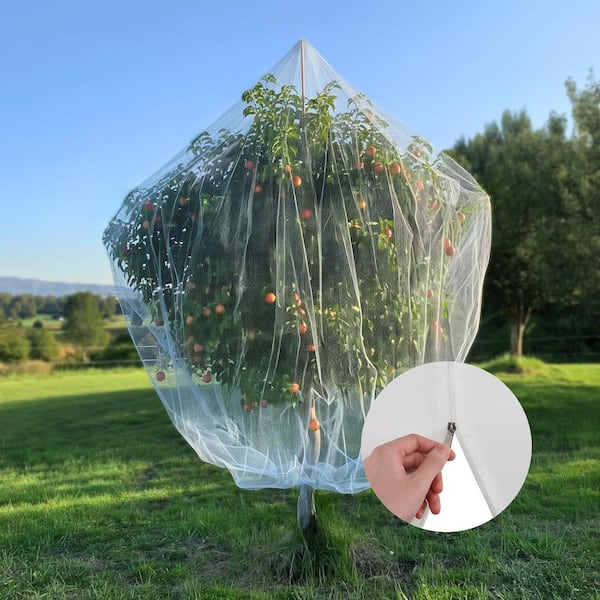
Credit: www.homedepot.com
Choosing The Right Netting
Protecting fruit trees with bird netting keeps birds away from your harvest. Picking the right netting helps keep fruits safe and allows trees to grow well.
Consider the type of material, the size of the mesh, and how long the netting lasts under sunlight. These factors affect how well the netting works and its durability.
Material Types
Netting comes in different materials like nylon, polyethylene, and polypropylene. Each material has its own strength and flexibility. Nylon is soft and easy to handle. Polyethylene is strong and resists tearing. Polypropylene is lightweight and cost-effective.
Mesh Size Considerations
- Small mesh keeps out tiny birds but may reduce airflow.
- Medium mesh balances protection and air circulation.
- Large mesh lets more air in but may not stop small birds.
Choose mesh size based on the types of birds near your trees and the size of your fruit. Smaller fruits need finer mesh to stay protected.
Durability And Uv Resistance
| Feature | Importance | Details |
| Durability | High | Strong netting lasts for several seasons |
| UV Resistance | High | Protects netting from sun damage |
| Weather Resistance | Medium | Handles wind and rain well |
| Flexibility | Medium | Easier to install and remove |
Netting with UV protection lasts longer under sunlight. Check if the netting can resist tears and weather damage. Durable netting saves money over time.

Credit: www.amazon.ca
Preparing Your Fruit Trees
Before putting bird netting on your fruit trees, prepare the trees and the area around them. This makes the netting easier to install and protects your fruit better.
Preparation includes pruning, cleaning, and gathering the right tools. Each step helps you work safely and efficiently.
Pruning For Accessibility
Prune your fruit trees to remove dead or low-hanging branches. This gives you better access to the top and sides of the tree for netting.
- Cut branches that block easy reach.
- Remove any damaged or weak limbs.
- Thin dense areas to improve air flow.
- Keep the tree shape balanced.
Cleaning The Area
Clear the ground around the tree. Remove fallen leaves, branches, and debris. This prevents tripping and helps keep the netting clean.
| Item to Clear | Reason |
|---|---|
| Fallen leaves | Prevent mold and pests |
| Broken branches | Avoid tripping hazards |
| Rocks and tools | Keep area safe for work |
Gathering Necessary Tools
Collect all tools before starting. Having everything ready saves time and prevents interruptions.
- Pruning shears or loppers
- Gloves for hand protection
- Step ladder for reaching high branches
- Bird netting and securing ties
- Scissors or a sharp knife
- Measuring tape to size netting
Measuring And Cutting Netting
Protecting fruit trees with bird netting requires careful measuring and cutting. This ensures the netting covers the tree well without gaps.
Use simple tools and follow clear steps. This guide covers how to measure your tree and cut the netting correctly.
Measuring Tree Dimensions
Start by measuring the height and width of your fruit tree. Use a tape measure to get the tallest point and the widest spread of branches.
- Measure the tree height from the base to the top.
- Measure the widest branch spread from side to side.
- Note any irregular shapes or extra branches.
Allowing Extra Coverage
Adding extra length and width to your measurements helps cover the tree fully. This prevents birds from finding openings.
| Measurement | Extra Coverage to Add |
| Height | 12 to 18 inches |
| Width | 12 to 18 inches |
| Depth (if needed) | 6 to 12 inches |
Cutting Techniques
Use sharp scissors or pruning shears to cut the netting. Cut slowly to avoid fraying or uneven edges.
- Lay the netting flat on a clean surface.
- Mark the cutting lines with a marker or chalk.
- Cut along the marked lines with steady scissors.
- Check the edges and trim any loose threads.
- Fold or roll the netting for easy handling.

Credit: www.youtube.com
Installing The Netting
Putting bird netting on fruit trees protects your harvest from birds. It keeps the fruit safe while allowing sunlight and air to reach the tree.
Follow these simple steps to install the netting properly and keep it secure all season.
Securing The Top
Start by draping the netting over the top of the fruit tree. Make sure the net covers the entire canopy, including the highest branches.
Use sturdy clips or ties to fasten the netting at the top. Attach them to a strong branch or support pole to hold the net in place.
Draping The Sides
Let the netting hang down evenly on all sides of the tree. Avoid leaving gaps where birds can sneak in.
- Check for holes or tears in the netting before use.
- Pull the net gently to cover low branches.
- Make sure the net reaches the ground all around.
Anchoring The Bottom
Secure the bottom edges of the netting to prevent birds from slipping under.
| Anchoring Method | How to Do It |
|---|---|
| Using Stakes | Push garden stakes into the ground and tie netting to them. |
| Weighing Down | Place heavy stones or bricks around the net edges. |
| Buried Edges | Bury the netting edge a few inches into the soil for a tight seal. |
Maintaining The Netting
Keeping bird netting in good shape helps protect fruit trees all season. Regular care stops damage and keeps birds away.
Check the netting often and fix problems fast. This keeps fruit safe and nets lasting longer.
Regular Inspections
Look over the netting every week or after strong wind or rain. Search for holes, tears, or loose spots. Check the ties and stakes holding the net in place.
- Scan the entire tree and net surface
- Note any damage or weak points
- Check if the net is tight and secure
- Look for areas where birds may enter
Cleaning And Repairs
Clean the netting to stop dirt and leaves from building up. Use a soft brush or hose with low pressure. Avoid harsh chemicals that harm the net.
| Issue | How to Fix |
|---|---|
| Small holes | Patch with netting tape or stitch with nylon thread |
| Loose ties | Tighten or replace ties around tree and stakes |
| Ripped sections | Cut out damaged parts and attach new netting |
| Stakes leaning | Reposition and secure stakes firmly in the ground |
Seasonal Removal
Remove netting after harvest or in late fall. This prevents damage from winter weather and helps tree growth in spring.
- Take down nets carefully to avoid tears
- Clean and dry nets before storage
- Store nets in a cool, dry place away from sunlight
- Inspect nets before next use to fix any damage
Tips For Effective Protection
Bird netting helps protect fruit trees from birds and pests. Proper installation improves its effectiveness. These tips will help you secure the netting well.
Pay attention to common problem areas. Using supports and combining methods will keep your fruit safe.
Avoiding Gaps
Make sure the netting covers the entire tree without gaps. Birds can slip through small openings. Check all sides and under branches carefully.
- Stretch the netting tight around the tree
- Secure edges with clips or ties to the trunk
- Overlap netting sections if using multiple pieces
- Check for holes or tears regularly and fix them
Using Supports
Supports keep netting off the fruit and branches. This prevents damage and allows fruit to grow fully. Use poles or frames for best results.
| Support Type | Material | Benefit |
| Poles | Wood or metal | Keeps netting raised above tree |
| Frames | PVC or metal | Creates a stable shape for large trees |
| Hoops | Flexible rods | Easy to install and remove |
Combining With Other Methods
Use bird netting with other methods for better protection. Scare devices and repellents can reduce bird visits. This lowers the risk of netting damage.
- Place reflective tape near trees to scare birds
- Use decoy predators like fake owls or snakes
- Apply safe bird repellents on and around trees
- Regularly change scare devices to keep birds alert
Frequently Asked Questions
How Do You Secure Bird Netting On Fruit Trees?
To secure bird netting, drape it over the tree and anchor edges with stakes or rocks. Use ties or clips to fasten the netting to branches. Ensure there are no gaps where birds can enter, providing full coverage to protect your fruit effectively.
When Is The Best Time To Put Bird Netting On Fruit Trees?
Install bird netting when fruit begins to ripen, usually late spring or early summer. This timing prevents birds from damaging developing fruit. Remove the netting after harvest to avoid harming beneficial insects or the tree’s growth during the off-season.
Can Bird Netting Harm Fruit Trees Or Wildlife?
Properly installed bird netting does not harm trees or wildlife. Use wildlife-safe netting with large enough mesh to prevent bird entanglement. Regularly check and adjust netting to avoid trapping animals. Always remove netting promptly after harvest to protect local fauna.
What Materials Are Best For Bird Netting On Fruit Trees?
Choose lightweight, UV-resistant polyethylene netting with ¾-inch mesh. This material is durable, weatherproof, and safe for birds. Avoid flimsy or plastic netting that can easily tear or trap wildlife. Quality netting ensures long-lasting protection for your fruit trees.
Conclusion
Securing bird netting on fruit trees protects your precious harvest. It creates a barrier, keeping birds away from ripening fruits. Remember to choose the right netting size for your tree. Ensure it's properly installed to avoid harming the birds. Regular checks help maintain its effectiveness throughout the season.
This simple solution can save you time and frustration. Enjoy your fruits without unwanted nibblers. Now, your garden can thrive with healthy, untouched produce. Bird netting is a smart choice for any fruit tree enthusiast. Happy gardening!


