Are you tired of watching birds feast on your hard-earned fruit? Protecting your fruit trees doesn’t have to be a struggle.
By putting bird netting over your trees, you can keep those pesky birds away and enjoy a bountiful harvest. In this guide, you’ll learn simple, step-by-step tips to cover your trees effectively without harming the branches or the birds. Keep reading, and discover how easy it is to safeguard your fruit and make your garden thrive.
Credit: www.homedepot.com
Choosing The Right Netting
Bird netting helps protect fruit trees from birds eating the fruit. Picking the right netting is important for good protection.
The netting must fit your tree and keep birds away without harming the tree or fruit.
Material Options
Bird netting comes in different materials. Each type has benefits and limits.
Common materials include plastic, nylon, and polyethylene. Plastic is light but not very strong. Nylon is soft and gentle on branches. Polyethylene is strong and lasts longer.
- Plastic: lightweight, less durable
- Nylon: soft, safe for trees
- Polyethylene: strong, long-lasting
Mesh Size Considerations
The size of the net holes matters. Small holes stop even small birds from getting through.
Large mesh lets more light and air reach the tree. Choose a mesh size that blocks birds but lets sunlight and water pass.
- Small mesh: blocks tiny birds but may reduce airflow
- Medium mesh: good balance of protection and airflow
- Large mesh: more airflow, may let small birds in
Durability Factors
Netting should last through the season. Durable netting saves money and time.
Look for UV resistance and strong fibers. Check if the netting resists tears from wind or animals.
- UV resistance prevents sun damage
- Strong fibers avoid tears and holes
- Weather resistance helps in rain and wind
Preparing Your Fruit Trees
Putting bird netting over fruit trees helps protect the fruit from birds. Before placing the netting, you need to prepare your trees. Proper preparation makes the process easier and more effective.
This guide covers pruning, cleaning, and assessing your trees. These steps help ensure the netting fits well and protects the fruit properly.
Pruning For Accessibility
Pruning your fruit trees opens up space to work around the branches. It makes it easier to place the netting over the tree. Cut away dead or weak branches that block access.
Also, prune branches that grow too close together. This helps the netting sit better and prevents damage to the tree or net.
- Remove dead or broken branches
- Trim branches that cross or crowd each other
- Cut back low branches for easier access
Cleaning The Area
Clear the ground around your fruit trees before adding netting. Remove leaves, sticks, and other debris. This keeps the area tidy and makes it safer to work.
Cleaning also helps you see the tree’s shape clearly. You can place the netting more accurately when the area is neat.
- Rake fallen leaves and fruit
- Pick up sticks and garden waste
- Clear space to move around the tree
Assessing Tree Size And Shape
Look closely at your fruit tree to understand its size and shape. This helps you choose the right size and type of bird netting. Measure the height and width of the tree.
Notice if the tree has an open or dense canopy. A dense tree may need a bigger or stronger net. Use these details to plan how to cover the tree well.
- Measure tree height from ground to top
- Measure tree width at the widest part
- Check branch density and shape
Gathering Required Tools
Putting bird netting over fruit trees helps protect your harvest. Before starting, gather all necessary tools. This makes the job easier and faster.
Having the right supplies and gear keeps you safe and ensures the netting fits well. Let’s look at what you need.
Essential Supplies
You need specific supplies to cover your fruit trees properly. These help secure the netting and avoid damage to the tree.
- Bird netting sized to cover the tree
- Support poles or stakes to hold the net
- Strong rope or twine to tie the netting
- Heavy-duty clips or zip ties
- Scissors or garden shears to cut netting
Safety Gear
Safety gear protects you while working around trees and tools. Use these items to avoid injury.
- Gloves to protect your hands from cuts
- Safety glasses to shield your eyes
- Long sleeves and pants to avoid scrapes
- Non-slip shoes for stable footing
Optional Accessories
Optional tools can make the job easier or improve netting fit. They are not required but can help.
- Ladder for reaching tall branches
- Measuring tape to size netting correctly
- Garden twine needle for threading rope
- Weight bags to hold net edges down

Credit: www.amazon.ca
Measuring And Cutting Netting
Covering fruit trees with bird netting helps protect your harvest. Accurate measuring and careful cutting are key steps. These ensure the netting fits well and keeps birds away.
Learn how to measure your trees and cut the netting properly. This guide covers techniques to get the right size and shape for your netting.
Accurate Measurement Techniques
Measure the height, width, and depth of your fruit tree carefully. Use a tape measure and write down each dimension. Include the tree’s full spread and some extra space for growth.
- Measure from the ground to the top of the tree.
- Measure across the widest part of the tree.
- Measure the depth from front to back.
- Add a few extra inches for comfort and movement.
Cutting Tips
Use sharp scissors or garden shears to cut the netting. Cut slowly to avoid fraying or tearing. Keep the netting flat while cutting for a clean edge.
Mark cutting lines with a washable marker or chalk. This helps maintain straight cuts. Fold the netting before cutting if you want equal pieces.
Allowing For Overlap
Overlap the netting edges to prevent gaps. This keeps birds from slipping inside. Overlap also strengthens the cover and makes securing easier.
| Overlap Purpose | Recommended Size |
| Seal edges | 6 to 12 inches |
| Connect multiple net pieces | 8 to 12 inches |
| Extra coverage for branches | 6 inches |
Installing The Netting
Putting bird netting over fruit trees helps protect your fruits from birds. It keeps the fruits safe while allowing sunlight and air to pass through.
Proper installation is important to make sure the netting stays secure and covers the tree fully. Follow these steps to install the netting correctly.
Securing The Top
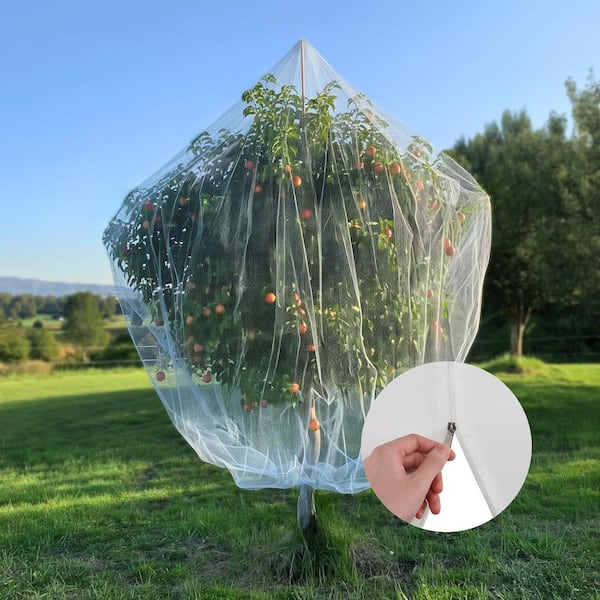
Start by placing the netting over the top of the fruit tree. Make sure it covers the entire canopy without gaps.
Pull the netting tight but do not stretch it too much. This keeps it from sagging and reduces space for birds to enter.
Wrapping Around Branches
Wrap the netting gently around the tree branches. Avoid tearing the netting by moving slowly and carefully around each branch.
Cover all the branches so birds cannot sneak inside from any side. Make sure the netting reaches the lower branches.
Tying And Fastening Methods
Secure the netting at the bottom using ties, clips, or weights. This stops the netting from lifting in the wind.
- Use soft ties or garden twine to avoid cutting branches
- Plastic clips can hold netting firmly without damage
- Place heavy stones or soil bags around the base for extra hold
Securing The Netting At The Base
Putting bird netting over fruit trees protects the fruit from birds. Securing the netting well at the base stops birds from getting under it. This guide covers ways to keep the netting tight and sealed.
Good base security makes the netting more effective. It also helps the netting last longer by keeping it from moving in the wind.
Anchoring Techniques
Start by pulling the netting tight around the tree trunk and branches. Then anchor it firmly to the ground. Use ground staples or U-shaped pins to hold the netting edges. Push these pins deep into the soil to prevent lifting.
- Place staples every few feet along the netting edge
- Use heavy-duty pins for strong winds
- Check anchors regularly and adjust if needed
Preventing Entry Points
Birds can slip in through small gaps. Look closely for holes or loose spots at the base. Repair any damage right away. You can fold the netting edges under the ground to close gaps.
| Common Entry Points | How to Fix |
|---|---|
| Loose netting edge | Pin edges down tightly with staples |
| Small holes | Patch with extra netting material |
| Wind lifts netting | Use heavier anchors or weights |
| Uneven ground | Bury edges slightly in soil |
Using Weights Or Stakes
Weights and stakes add extra hold to the netting. Place flat stones or bricks on the netting edges. Drive wooden or metal stakes through the netting into the ground for strong support.
- Use stones if ground is too hard for pins
- Space stakes evenly to keep netting flat
- Make sure weights do not damage the netting
Maintaining Netting Over Time
Putting bird netting over fruit trees protects your harvest from birds. Keeping the netting in good shape helps it last longer. Regular care makes sure your trees stay safe all season.
Check the netting often and fix any problems quickly. Removing and storing it properly also helps maintain its quality for next use.
Regular Inspections
Look over the netting every week or after strong winds. Watch for holes, loose edges, or areas where the netting sags. Make sure it stays tight around the tree.
- Check the netting early in the morning or late afternoon.
- Look for bird damage and wear from weather.
- Note spots where animals or people might cause tears.
Repairing Tears
Fix small holes and tears as soon as you find them. Use strong thread or twine to sew the netting back together. For bigger damage, replace the netting piece if possible.
- Cut loose threads before sewing to avoid more damage.
- Use a needle designed for thick netting material.
- Keep repair tools handy near your fruit trees.
Seasonal Removal And Storage
Take down the netting after fruit season ends. Clean it by shaking off dirt and debris. Let it dry fully before storing to prevent mold and rot.
- Fold netting carefully to avoid tangles.
- Store in a dry, cool place away from sunlight.
- Keep it in a bag or container to protect from pests.
Additional Tips For Effective Protection
Bird netting helps protect fruit trees from birds and pests. Using it well can save your harvest.
Here are some extra tips to make bird netting more effective and safe for your trees.
Combining With Other Methods
Bird netting works best when used with other bird control methods. This adds extra protection.
- Use scare devices like shiny tape or fake predators near trees.
- Apply bird repellent sprays on nearby plants.
- Plant companion plants that birds dislike around fruit trees.
- Keep the area clean of fallen fruit to avoid attracting birds.
Avoiding Common Mistakes
Many people make simple mistakes that reduce netting effectiveness. Avoid these problems.
| Mistake | How to Fix |
| Netting too loose | Stretch netting tightly over branches |
| Leaving gaps | Secure edges to the ground or tree trunk |
| Damaging tree branches | Check for sharp edges in netting |
| Using netting with large holes | Choose fine mesh to keep small birds out |
Encouraging Beneficial Wildlife
Bird netting should not harm helpful animals. Here are ways to support wildlife near your trees.
- Leave some open space away from fruit trees for birds to perch safely.
- Plant flowers that attract pollinators like bees and butterflies.
- Avoid using chemicals that can harm beneficial insects.
- Check netting daily for trapped animals and free them carefully.

Credit: www.youtube.com
Frequently Asked Questions
How Do I Secure Bird Netting On Fruit Trees?
Use sturdy stakes or poles around the tree perimeter. Drape the netting over and anchor edges with rocks or clips. Ensure the netting is taut to prevent birds from entering.
When Is The Best Time To Install Bird Netting?
Install bird netting just before fruit ripening begins. This timing protects fruit from birds during peak feeding periods. Early installation prevents bird damage effectively.
Can Bird Netting Harm The Fruit Trees?
Properly installed netting does not harm trees. Avoid tight wrapping to prevent branch damage. Regularly check and adjust netting for tree growth and safety.
What Materials Work Best For Bird Netting?
Use lightweight, UV-resistant nylon or polyethylene netting. These materials are durable, weatherproof, and safe for plants. Choose mesh size small enough to keep birds out but allow air flow.
Conclusion
Putting bird netting over fruit trees is simple and effective. It protects your fruits from hungry birds. This method helps keep your harvest safe. Choose the right netting size for your trees. Ensure it’s secure and covers all fruits. Regular checks maintain the netting’s effectiveness.
You can enjoy more fruit with less worry. Birds stay away, and your garden thrives. Follow these steps for a fruitful season. Your trees will thank you with a bountiful harvest. Happy gardening!