You’ve just brought home a beautiful new bird, and excitement fills your apartment. But wait!
Before you introduce your feathery friend to its new surroundings, there’s something crucial you need to do: quarantine. This step is essential to ensure your bird’s health and the well-being of any other pets you may have. But how do you quarantine a bird in an apartment without turning your living space into a chaotic mess?
Don’t worry, we’ve got you covered. In this guide, we’ll walk you through the simple steps to effectively quarantine your bird, ensuring a safe and stress-free environment for everyone involved. By following these practical tips, you’ll protect your feathered friend from potential illnesses and set the stage for a happy, healthy life together. Ready to dive in and discover how to make the process smooth and straightforward? Let’s get started!
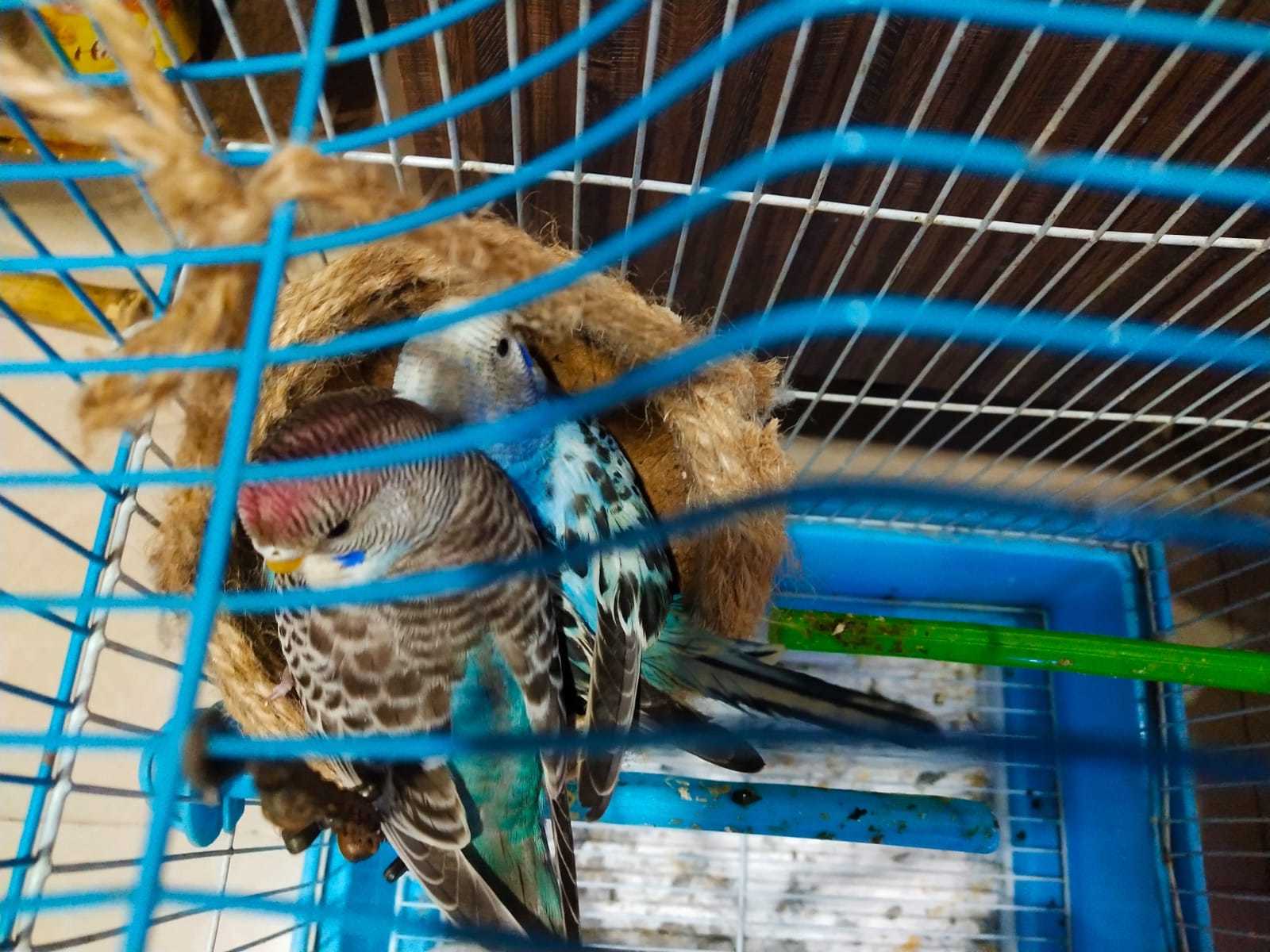
Credit: pethelpful.com
Choosing A Quarantine Space
Quarantining a bird in an apartment needs careful planning. The space you choose affects your bird’s health and comfort.
Pick a spot that keeps your bird safe and calm during quarantine. The right area helps reduce illness risks and stress.
Selecting A Quiet Area
Choose a quiet place away from noise and busy rooms. Loud sounds can scare birds and make them anxious.
A calm spot helps your bird rest and recover. Avoid areas near TVs, speakers, or heavy foot traffic.
Ensuring Proper Ventilation
Good airflow keeps the air fresh and stops germs from building up. Proper ventilation is key for bird health.
Pick a space with windows or vents but avoid drafts. Air should move gently without chilling your bird.
- Open windows with screens for fresh air
- Use fans carefully to avoid direct airflow
- Keep the room temperature steady
Minimizing Stress Factors
Stress can hurt your bird’s immune system. Keep the quarantine spot free from sudden noises and bright lights.
Limit visits and handle your bird gently. A quiet, calm space helps your bird feel safe during quarantine.
- Use soft lighting instead of harsh bulbs
- Keep pets and children away from the area
- Avoid strong smells like cleaning chemicals

Credit: www.reddit.com
Setting Up The Quarantine Cage
Quarantining a new bird keeps your other pets safe from illness. Setting up the cage correctly is very important. It helps your bird feel secure and comfortable.
This guide covers cage size and type, accessories you need, and where to place food and water safely.
Cage Size And Type
Choose a cage that is big enough for your bird to move freely. The cage should be easy to clean and made of safe materials. Avoid cages with toxic paint or sharp edges.
- Minimum size should allow the bird to stretch its wings fully.
- Use metal cages that resist chewing and biting.
- Ensure bars are spaced to prevent escape or injury.
- Pick a cage with a removable tray for easy cleaning.
Essential Cage Accessories
Accessories make the cage comfortable and help your bird stay healthy. Include perches, toys, and hygiene items. Clean these items regularly to avoid germs.
| Accessory | Purpose |
| Perches | Allow resting and exercise of feet |
| Toys | Provide mental stimulation and reduce stress |
| Food and water containers | Hold fresh supplies safely |
| Cage liners or trays | Help keep the cage clean |
Safe Placement Of Food And Water
Place food and water containers where the bird can reach easily. Keep them away from droppings and cage walls. Change the water daily to keep it fresh.
- Use heavy bowls or attach containers to the cage bars.
- Place containers at different heights to encourage movement.
- Keep food and water separate to avoid contamination.
- Check and clean containers every day.
Maintaining Hygiene
Quarantining a bird in an apartment needs careful hygiene to keep it healthy. Cleanliness stops germs from spreading.
Good hygiene protects both the bird and your home. It helps the bird recover safely during quarantine.
Cleaning Schedule
Set a daily cleaning routine for the bird’s cage and area. Clean food and water dishes every day.
Remove uneaten food and droppings daily. Deep clean the cage weekly to remove dirt and germs.
- Clean food and water dishes daily
- Remove waste and droppings every day
- Wipe cage bars and perches daily
- Deep clean cage with water and soap once a week
Disinfecting Procedures
Disinfect surfaces to kill harmful germs. Use bird-safe disinfectants to keep your pet safe.
Disinfect the cage, toys, and perches after cleaning. Let everything dry before putting the bird back.
- Use disinfectants safe for birds
- Spray or wipe all cage surfaces
- Disinfect toys and perches weekly
- Allow full drying before use
Waste Management
Dispose of bird waste carefully to prevent germs from spreading. Use sealed bags for droppings and old food.
Clean and disinfect waste containers regularly. Keep the waste area away from your living spaces.
- Use disposable gloves when handling waste
- Put waste in sealed plastic bags
- Dispose of waste outside the apartment
- Clean waste containers after each use
Monitoring Bird Health
Quarantining a bird in an apartment requires careful health monitoring. Watching your bird daily helps catch problems early.
Healthy birds stay active and eat well. Monitoring helps you keep your bird safe during quarantine.
Daily Observation Tips
Check your bird’s behavior each day. Look for changes in eating, drinking, and activity levels.
Keep an eye on your bird’s droppings. Note any change in color, consistency, or amount.
- Watch for changes in feathers or skin
- Notice if your bird seems tired or less active
- Listen for unusual sounds like coughing or sneezing
- Check if your bird is drinking more or less water
Recognizing Signs Of Illness
Birds hide sickness well. Look closely for small signs of illness.
Signs include fluffed feathers, loss of appetite, and changes in droppings.
- Swelling or redness around eyes or beak
- Difficulty breathing or wheezing sounds
- Unusual posture like hunching or drooping wings
- Weight loss or weak movements
When To Consult A Vet
Contact a vet if your bird shows signs of illness. Early care can prevent serious problems.
Seek help if your bird stops eating or drinking for more than a day.
- Persistent breathing problems or coughing
- Severe swelling or wounds
- Sudden changes in behavior or weakness
- Repeated vomiting or diarrhea
Limiting Contact And Interaction
Quarantining a bird in an apartment is important to keep it healthy. Limiting contact helps stop diseases from spreading.
Careful steps can protect both your bird and your home. This guide focuses on safe handling, cleaning, and managing pets.
Handling Guidelines
Always wash your hands before and after touching your bird. Use gloves if possible to avoid direct contact.
- Handle the bird gently but minimally.
- Keep the quarantine cage in a quiet room.
- Do not share towels or cloths with the bird.
- Use separate food and water dishes for the quarantined bird.
Avoiding Cross-contamination
Clean and disinfect surfaces around the bird’s cage daily. Use safe cleaners that do not harm birds.
| Item | Cleaning Frequency | Disinfectant Type |
| Cage Bars | Daily | Bird-safe disinfectant |
| Food and Water Bowls | Daily | Warm soapy water |
| Perches and Toys | Weekly | Vinegar solution |
| Surrounding Area | Daily | Diluted bleach solution |
Managing Other Pets
Keep other pets away from the quarantined bird. This reduces the risk of spreading germs.
Follow these steps to manage other pets:
- Do not allow cats or dogs near the bird’s cage.
- Wash your hands after touching other pets before handling the bird.
- Keep pet food and bird food in separate areas.
- Use different cleaning tools for bird and other pets’ areas.
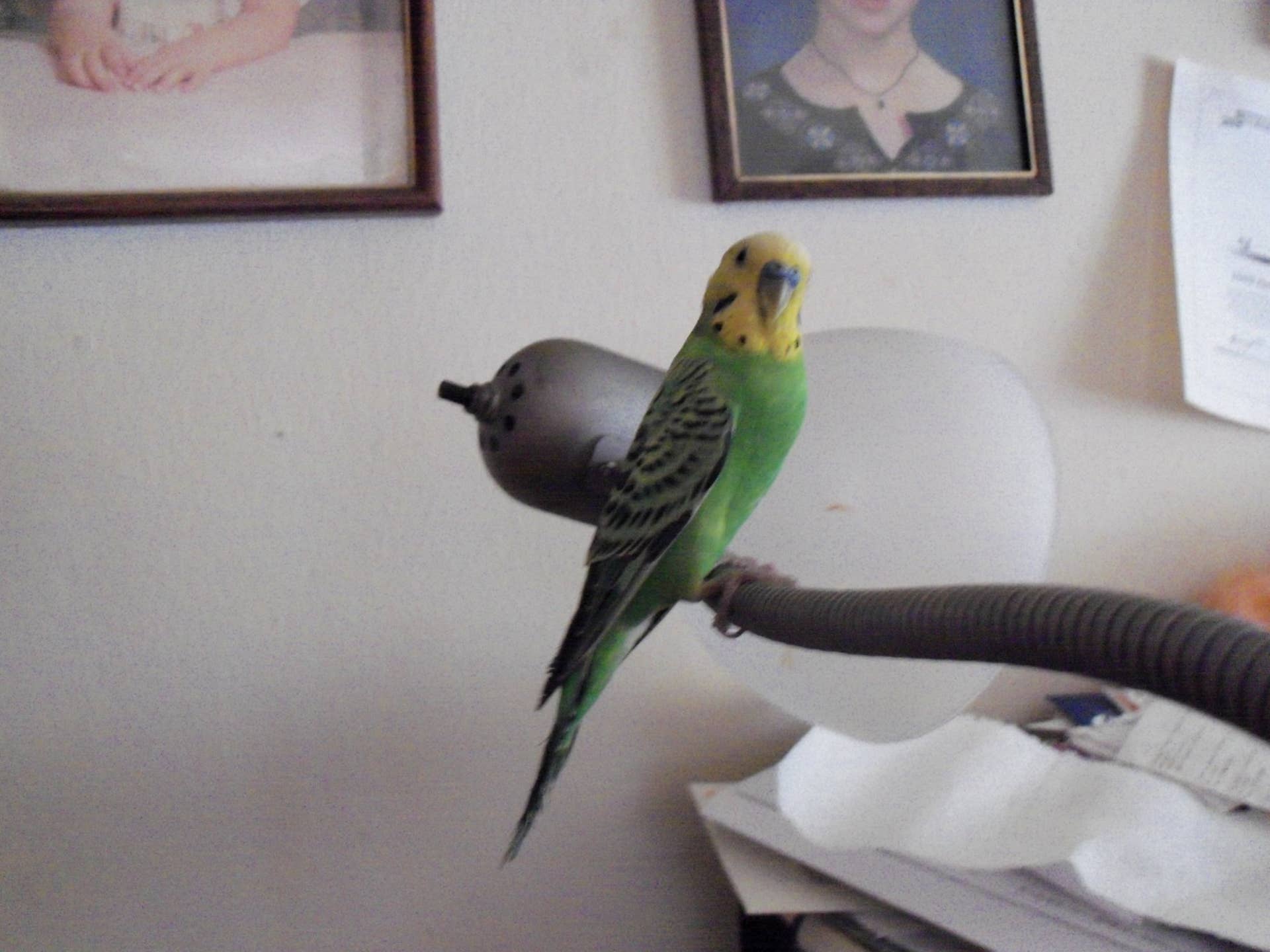
Credit: pethelpful.com
Duration And Transition
Quarantining a bird in an apartment is important to keep your pet healthy. This process helps prevent the spread of diseases.
The quarantine period and smooth transition back to normal life are key steps. Proper care during this time ensures your bird’s safety.
Recommended Quarantine Period
New birds should stay isolated for at least 30 days. This time lets you watch for any signs of illness.
During this period, check your bird daily for changes in behavior or health. Report any concerns to a vet.
- Keep the bird in a separate room or cage
- Clean the cage and surroundings regularly
- Limit contact to reduce stress
- Observe eating, drinking, and waste patterns
Preparing For Reintegration
Before bringing your bird out of quarantine, make sure it is healthy. Get a vet check-up to confirm no infections are present.
Start by slowly introducing your bird to the apartment environment. Keep interactions calm and gentle to reduce stress.
- Clean shared spaces to avoid cross-contamination
- Introduce your bird to new sounds and sights gradually
- Monitor interactions with other pets carefully
Post-quarantine Care
After quarantine, continue to provide a safe and clean space for your bird. Watch for any delayed signs of illness.
Keep your bird’s routine steady with proper feeding and social time. Regular vet visits help maintain good health.
- Maintain cage cleanliness and hygiene
- Provide fresh food and water daily
- Spend time bonding to build trust
- Schedule routine health check-ups
Frequently Asked Questions
How Long Should I Quarantine A New Bird In An Apartment?
Quarantine new birds for at least 30 days to monitor health. This prevents disease spread to other birds or humans. Maintain separate cages and avoid contact during this period. Clean and disinfect the quarantine area regularly for safety.
What Supplies Are Essential For Bird Quarantine In Apartments?
Essential supplies include a separate cage, food, water, and cleaning tools. Use disinfectants safe for birds to maintain hygiene. Provide toys to reduce stress. Ensure good ventilation but avoid drafts. Keep quarantine supplies separate from other bird items.
How Can I Prevent Stress During Bird Quarantine?
Minimize loud noises and sudden movements near the quarantine cage. Provide familiar toys and perches to comfort the bird. Maintain a consistent feeding and cleaning schedule. Offer gentle interaction to build trust while avoiding overstimulation. A calm environment supports bird health.
Can Quarantine Prevent Disease Transmission Between Birds?
Yes, quarantine effectively prevents disease spread by isolating new or sick birds. It allows time to detect signs of illness before introducing birds to others. Proper quarantine reduces risk of infections like psittacosis and avian influenza in shared spaces.
Conclusion
Quarantining a bird in an apartment keeps it safe and healthy. Give your bird a quiet space away from other pets. Clean the cage and supplies every day to stop germs. Watch your bird for any signs of sickness. Keep your hands clean before and after contact.
This simple routine helps your bird adjust and stay well. Patience and care make quarantine easier for both of you. A happy, healthy bird needs a strong start in its new home.