Are you struggling with stubborn bird netting tangled around your fruit trees? Removing it can feel like a tricky and time-consuming task.
But don’t worry—getting your trees free from that netting is easier than you think. In this guide, you’ll discover simple, effective steps to safely take off bird netting without harming your trees or fruit. Keep reading, and you’ll learn how to protect your harvest while making your garden look neat and healthy again.

Credit: ourstoneyacres.com
Reasons To Remove Bird Netting
Bird netting helps protect fruit trees from birds. It keeps fruit safe until harvest time. But there are good reasons to remove the netting later.
Removing netting at the right time helps keep trees healthy. It also prevents problems that can happen if netting stays too long.
Signs It’s Time To Remove
Look for these signs to know when to take off bird netting from your trees. Waiting too long can harm your fruit and trees.
- Most of the fruit is ripe and ready to pick.
- Bird activity around the tree has lessened.
- Leaves or branches are growing through the netting.
- The netting looks torn or worn out.
- Weather changes, like heavy wind or snow, have damaged the netting.
Risks Of Leaving Netting Too Long
Leaving bird netting on fruit trees for too long can cause serious problems. It can affect tree health and fruit quality.
- Netting can trap animals or birds, causing injury.
- It may block sunlight and air, hurting tree growth.
- Branches can grow tangled in the netting, causing damage.
- Moisture trapped by netting can lead to mold or fungus.
- Old netting can break down and leave debris in the tree.
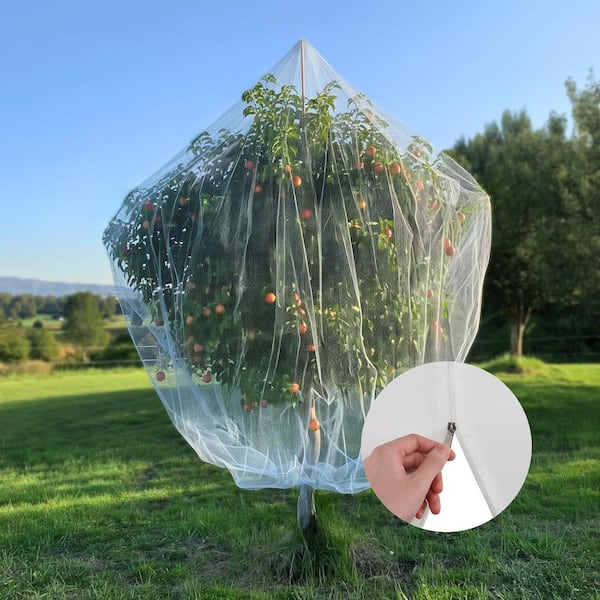
Credit: www.homedepot.com
Tools Needed For Removal
Removing bird netting from fruit trees needs the right tools. Using proper equipment makes the job easier and safer.
This guide covers the essential tools and safety gear to help you remove netting quickly and without damage.
Essential Equipment
Gather these tools before starting. They help you cut, lift, and handle the netting properly.
- Sharp pruning shears to cut tough netting threads
- Long-handled pole or hook to reach high branches
- Gloves to protect hands from cuts and scratches
- Step ladder for safe access to upper parts of trees
- Storage bag or container to hold removed netting
Safety Gear Tips
Safety gear protects you while you work. Wear these items to avoid injuries.
| Safety Item | Purpose |
| Protective Gloves | Prevent cuts and irritation |
| Safety Glasses | Shield eyes from flying debris |
| Long-Sleeve Shirt | Protect arms from scratches |
| Non-slip Shoes | Ensure steady footing on ladders |
Step-by-step Removal Process
Removing bird netting from fruit trees is important for tree health and safety. This guide helps you remove the netting carefully to avoid damage.
Follow clear steps to prepare the area, detach the netting, and handle any tangled parts. Take your time and be gentle with the trees.
Preparing The Area
Clear the space around your fruit trees before starting. This helps you move freely and avoid accidents.
- Trim low branches to reach the netting easily.
- Remove any obstacles like garden tools or toys nearby.
- Wear gloves and long sleeves to protect your skin.
- Have a ladder ready for taller trees.
Detaching The Netting
Start detaching the netting from the tree carefully. Avoid pulling too hard to protect branches and fruit.
- Find where the netting is tied or secured.
- Cut or untie the fastenings gently.
- Lift the netting slowly from the top down.
- Keep the netting close to prevent it from catching on branches.
Handling Tangled Sections
Tangled netting can be tricky. Use tools and patience to free it without harm.
| Tool | Purpose |
|---|---|
| Scissors or small pruners | Cut tight knots or damaged netting |
| Gloves | Protect hands from scratches |
| Soft cloth | Hold netting gently while untangling |
Work slowly and untangle small sections at a time. Avoid pulling hard to keep tree branches safe.
Disposing Or Storing Netting
After removing bird netting from fruit trees, you must decide what to do with it. You can clean and store it for reuse or dispose of it properly.
Proper care helps save money and protects the environment. Follow these tips to handle your netting safely.
Cleaning The Netting
Cleaning the netting removes dirt, debris, and bird droppings. This step keeps the netting in good shape for next use.
Use gentle soap and water to wash the netting. Avoid harsh chemicals that can damage the material.
- Shake off loose dirt before washing
- Use a soft brush to scrub gently
- Rinse well with clean water
- Let the netting dry completely in the sun
Storage Tips For Reuse
Storing netting properly keeps it safe from damage and pests. Fold or roll the netting neatly to avoid tangles.
Keep the netting in a dry, cool place away from direct sunlight. Use a container or bag to protect it from dust and insects.
- Fold or roll netting carefully
- Store in a breathable bag or container
- Keep away from sharp objects
- Check periodically for damage
Eco-friendly Disposal Methods
If the netting is old or damaged, dispose of it in an eco-friendly way. Avoid throwing it in regular trash to reduce pollution.
Look for recycling programs that accept plastic netting. You can also cut the netting into small pieces to prevent wildlife harm.
- Check local recycling options for plastic netting
- Cut netting into small pieces before disposal
- Use designated waste bins if recycling is unavailable
- Consider compostable netting for future use
Aftercare For Fruit Trees
Removing bird netting from fruit trees is important for tree health. Proper aftercare helps trees recover and grow strong.
Check your trees carefully after removing the netting. Take steps to fix any damage and protect them in the future.
Inspecting For Damage
Look closely at branches, leaves, and fruit for any harm. Bird netting can cause broken branches or bruised fruit.
Check for signs of pests or disease that might have entered through holes in the netting.
- Broken or bent branches
- Crushed or damaged fruit
- Signs of pests or fungal infection
Pruning And Maintenance
Trim any damaged or dead branches to help the tree focus on healthy growth. Use clean, sharp tools to avoid infection.
Remove fallen fruit and leaves from around the tree. This keeps pests and diseases away.
- Cut broken branches cleanly
- Clear fallen debris from the ground
- Water the tree regularly but do not overwater
Preventing Future Bird Damage
Use bird netting carefully to avoid harming the tree. Make sure it fits well and is easy to remove.
Try other ways to keep birds away, like scare devices or planting bird-friendly plants nearby.
- Choose netting with larger mesh size
- Secure netting tightly but gently
- Use scarecrows or reflective tape
- Plant shrubs to attract birds away

Credit: www.amazon.ca
Frequently Asked Questions
How Do I Safely Remove Bird Netting From Fruit Trees?
To safely remove bird netting, first untie or cut securing knots. Gently lift the netting without damaging branches. Use gloves to avoid snagging. Carefully fold the net for reuse or disposal.
When Is The Best Time To Remove Bird Netting?
Remove bird netting after the fruit harvest is complete. This prevents damage to the tree during growth. Early fall is ideal, ensuring birds no longer need protection.
Can Bird Netting Harm Fruit Trees If Left Too Long?
Yes, prolonged netting can restrict growth and cause branch damage. It may also trap moisture, leading to disease. Regularly check and remove netting once fruits are harvested.
What Tools Do I Need To Remove Bird Netting Effectively?
You’ll need gloves, pruning shears, and scissors. Gloves protect your hands from thorns and sharp edges. Shears help cut tangled or knotted netting safely.
Conclusion
Removing bird netting from fruit trees is simple and rewarding. Start gently to avoid damaging branches. Inspect for any tangled birds or debris. Use clean tools to prevent tree harm. Properly store the netting for future use. Regular maintenance boosts tree health and fruit yield.
Patience and care ensure effective bird netting removal. Enjoy the fruits of your labor. Keep trees safe and productive. Remember, healthy trees mean more delicious fruits. Happy gardening!