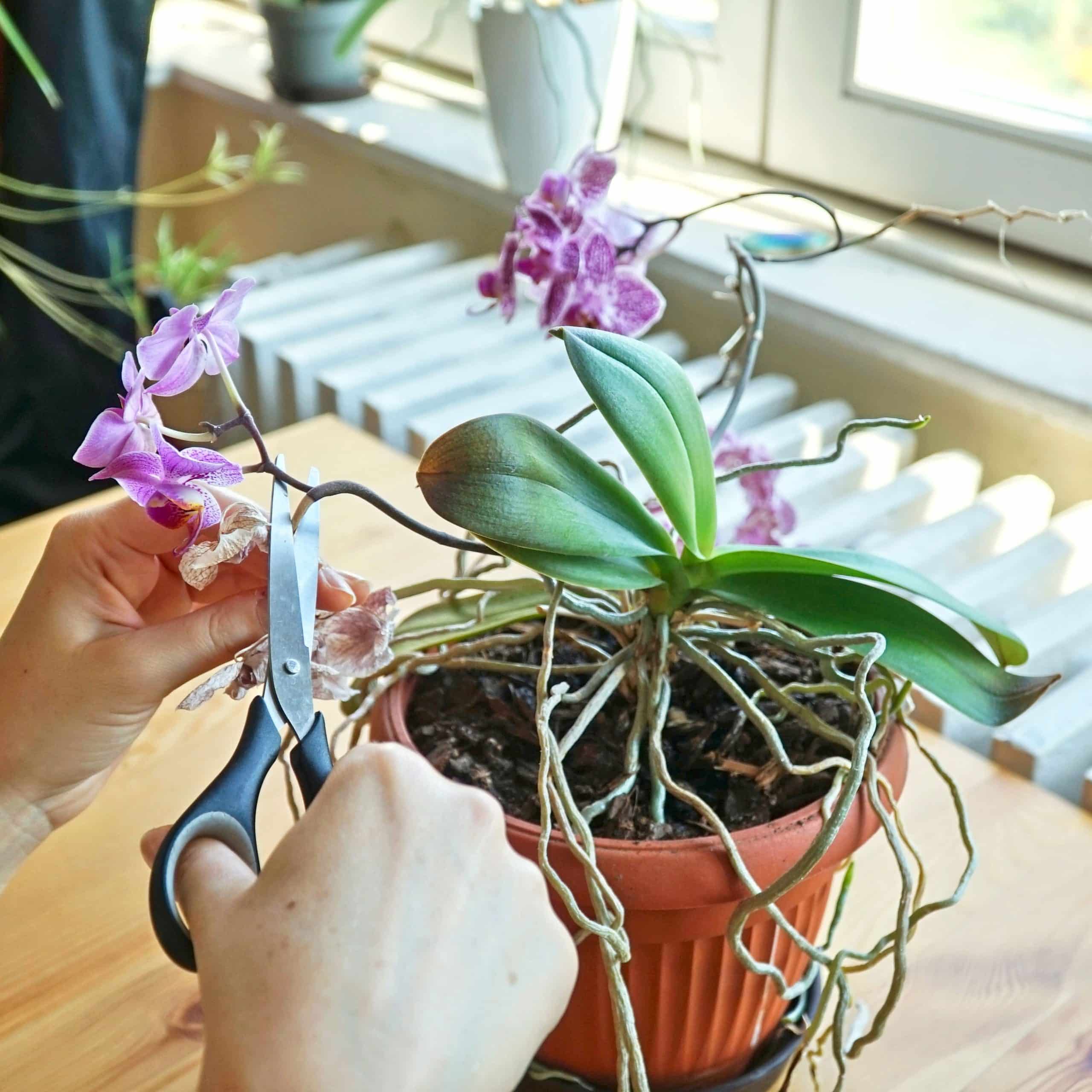
Are you noticing dead flowers on your beautiful Bird of Paradise plant? Leaving those wilted blooms can make your plant look tired and unhealthy.
But don’t worry—removing dead flowers is easier than you think. By learning the right way to prune your Bird of Paradise, you’ll help it stay vibrant and encourage new growth. Keep reading, and you’ll discover simple steps that anyone can follow to keep your plant looking its best all year round.

Credit: windflowerflorist.com
Why Remove Dead Flowers
Removing dead flowers from your Bird of Paradise helps keep the plant healthy. Dead flowers can attract pests and diseases.
Taking off old blooms also makes your plant look better and encourages it to grow new flowers.
Benefits For Plant Health
Dead flowers can cause problems for your Bird of Paradise. They may hold moisture and cause rot. Removing them reduces the risk of disease.
| Problem | Effect on Plant |
|---|---|
| Dead Flowers Left On | Increased chance of mold and pests |
| Removed Dead Flowers | Healthier plant with less risk of infection |
Improved Appearance
Dead flowers make your Bird of Paradise look old and tired. Removing them keeps the plant looking fresh and attractive.
- Clears away brown and shriveled blooms
- Shows off the bright green leaves
- Makes the plant look well cared for
Encouraging New Growth
Removing dead flowers helps the plant focus its energy on new blooms. This encourages more flowers to grow faster.
- Cut off old flowers close to the stem
- Plant uses nutrients for new buds
- More vibrant and healthy flowers appear
Tools Needed
Removing dead flowers from your Bird of Paradise helps keep the plant healthy. Using the right tools makes the task safe and easy. Gather these items before you start.
Each tool plays a key role in pruning and cleaning the plant. Prepare them to work efficiently and protect yourself.
Pruning Shears
Pruning shears are sharp scissors designed for cutting plant stems. They make clean cuts without damaging the plant. Choose shears that are sharp and clean.
- Use bypass pruning shears for smooth cuts
- Keep blades sharp to avoid crushing stems
- Disinfect before and after use to prevent disease
Gloves
Gloves protect your hands from sharp edges and sap. They also keep your skin clean. Choose gloves that fit well and are sturdy.
| Type of Gloves | Purpose |
| Leather gloves | Protect from thorns and cuts |
| Rubber gloves | Keep hands clean from sap and dirt |
| Gardening gloves | Offer flexibility and comfort |
Cleaning Supplies
Cleaning supplies help keep your tools and plant area tidy. Clean tools prevent infections in plants. Clean the work area to avoid pests.
- Rubbing alcohol or disinfectant wipes for tools
- A small brush to remove dirt
- A bucket with water to rinse tools
- Trash bag for dead flowers and debris
When To Remove Dead Flowers
Removing dead flowers from your Bird of Paradise keeps the plant healthy. It also helps new flowers grow better.
Knowing the right time to remove dead flowers is important. This guide explains when and how to do it.
Signs Of Dead Flowers
Dead flowers on Bird of Paradise look dry and brown. They may lose their bright colors and feel brittle.
Other signs include petals falling off and a bad smell. These show the flower is no longer healthy.
- Brown or faded petals
- Petals falling easily
- Dry and brittle texture
- Unpleasant odor from the flower
Best Time Of Day
Remove dead flowers in the morning. The cooler temperature helps the plant heal faster after cutting.
Avoid doing this in the heat of the day. Morning work reduces stress on the Bird of Paradise.

Credit: www.reddit.com
Step-by-step Removal Process
Removing dead flowers from your Bird of Paradise helps keep the plant healthy. It also makes the plant look neat and attractive.
Follow these simple steps to remove dead flowers safely and cleanly from your Bird of Paradise.
Preparing The Plant
First, check your Bird of Paradise for dead or wilted flowers. Do this on a dry day to avoid harming the plant.
Wear gardening gloves to protect your hands from sharp edges and sap. Gather clean, sharp pruning shears or scissors.
- Inspect the plant for dead flowers and brown leaves
- Choose a dry, calm day for the task
- Wear gloves for protection
- Use clean, sharp tools to cut
Cutting Dead Flowers
Cut dead flowers close to the base of the flower stem. Avoid cutting into the main stem or healthy parts of the plant.
Make clean cuts to help the plant heal quickly and prevent disease. Remove any brown or yellow leaves nearby as well.
- Locate the base of the dead flower stem
- Cut close to the base without damaging the main stem
- Remove nearby dead leaves to improve appearance
- Use clean, sharp tools for precise cuts
Disposing Of Debris
Collect all dead flowers and leaves after cutting. Dispose of them properly to avoid pests and diseases.
Do not leave plant debris near your Bird of Paradise. Compost or trash the debris depending on local guidelines.
- Gather all cut flowers and leaves carefully
- Use a garden bag or container for collection
- Remove debris from around the plant area
- Compost or throw away debris based on local rules
Aftercare Tips
Removing dead flowers from your Bird of Paradise helps keep it healthy. Proper aftercare supports new growth and vibrant blooms.
Follow simple steps to care for your plant after dead flower removal. This care keeps your plant strong and beautiful.
Watering And Feeding
After cutting dead flowers, water your Bird of Paradise deeply but not too often. The soil should stay moist but not soggy.
Feed your plant with balanced fertilizer during the growing season. This helps it recover and produce new flowers.
- Water once a week or when top inch of soil is dry
- Use a balanced fertilizer every 4-6 weeks in spring and summer
- Avoid overwatering to prevent root rot
Preventing Disease
Removing dead flowers helps reduce disease risk. Clean tools before and after use to avoid spreading germs.
Keep leaves dry by watering at the base. Good air flow around the plant stops mold and fungus growth.
- Sanitize pruning shears with alcohol before use
- Water the soil, not the leaves
- Place the plant in a spot with good air circulation
Monitoring Plant Health
Check your Bird of Paradise regularly for signs of stress or pests. Early detection helps keep the plant healthy.
Look for yellow leaves, spots, or unusual growth. Treat problems quickly to avoid damage.
- Inspect leaves and stems weekly
- Remove any damaged or diseased parts immediately
- Use insecticidal soap if pests appear
Credit: www.gardeningknowhow.com
Common Mistakes To Avoid
Removing dead flowers from your Bird of Paradise helps keep the plant healthy. It also makes the plant look neat and fresh. But some common mistakes can harm the plant instead of helping it.
Knowing what to avoid will make your pruning easier and safer for the plant. Here are some mistakes to watch out for.
Cutting Too Close
Cutting dead flowers too close to the stem can damage new growth. It may also cause wounds that let diseases enter the plant. Always leave a small part of the stem when you cut.
Leaving a little stem helps the plant heal faster and stay strong.
Using Dull Tools
Using dull scissors or pruning shears can crush the plant tissue. This makes it harder for the plant to heal. Dull tools also make cutting more difficult and unsafe.
- Use sharp, clean tools for best results
- Sharpen blades regularly to keep them effective
- Clean tools after use to prevent spreading diseases
Ignoring Plant Signals
The Bird of Paradise shows signs when it needs care. Drooping leaves or brown spots on flowers may mean stress. Ignoring these signs can harm the plant’s health.
Check your plant often and remove dead flowers carefully. Watch how the plant reacts after pruning to avoid causing more harm.
Frequently Asked Questions
How Do I Safely Remove Dead Flowers From Bird Of Paradise?
Use clean pruning shears to cut dead flowers at the base. Avoid damaging nearby healthy stems to keep the plant healthy.
When Is The Best Time To Remove Dead Bird Of Paradise Flowers?
Remove dead flowers right after they wilt. This promotes better growth and prevents disease spread on your plant.
Can Removing Dead Flowers Improve Bird Of Paradise Bloom Health?
Yes, removing dead flowers encourages new blooms. It helps the plant redirect energy to healthy growth and flowering.
Should I Wear Gloves When Removing Dead Flowers?
Wearing gloves is recommended to protect your hands. Bird of Paradise leaves can be sharp and cause skin irritation.
Conclusion
Caring for your Bird of Paradise is simple with these steps. Removing dead flowers keeps it healthy. This helps the plant grow better. Regular maintenance ensures vibrant blooms. Remember to use clean tools for pruning. This prevents any plant diseases.
Always cut at the base for a neat look. Don’t rush; take your time. Your plant will thank you with beautiful flowers. Enjoy the beauty of your thriving Bird of Paradise. Happy gardening!