
How to Scare Away a Bird That’S Making Noise Humanely
Are noisy birds disturbing your peace and quiet? You’re not alone, and luckily, you don’t have to live with the constant chirping or squawking.
Imagine enjoying your backyard or windowsill without the stress of loud bird sounds interrupting your day. You’ll discover simple and effective ways to scare away those noisy birds for good. Keep reading, and you’ll soon regain control of your outdoor space and find the calm you’ve been craving.
Common Noisy Birds
Birds make many sounds every day. Some birds are louder than others. Their noise can bother people nearby.
Knowing which birds make noise helps you find ways to scare them away. This guide covers common noisy birds.
Types Of Birds That Cause Noise
Many birds make loud sounds. Some common noisy birds include crows, pigeons, and seagulls. These birds often gather in groups.
- Crows: They have loud, harsh calls and gather in large groups.
- Pigeons: They make cooing sounds and flap their wings loudly.
- Seagulls: They produce shrill, high-pitched calls near water areas.
- Starlings: They create chattering and squeaking noises in flocks.
- Parrots: Known for their loud squawks and mimic sounds.
Why Birds Make Noise
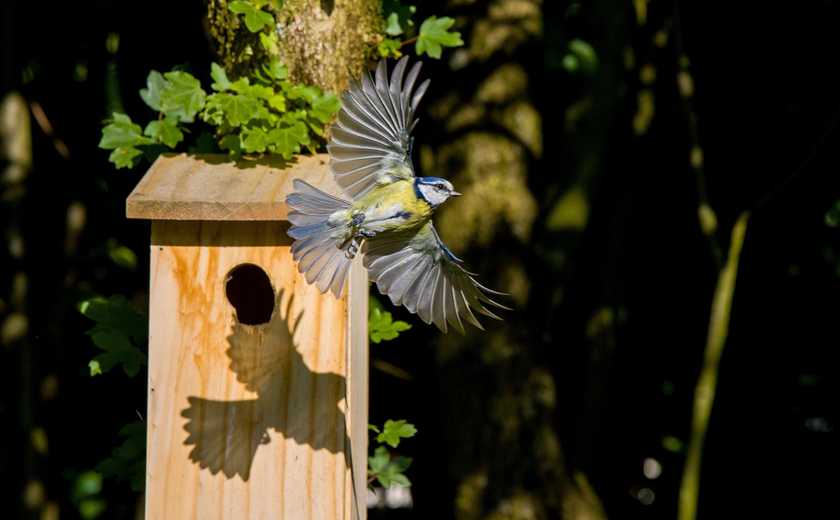
Birds use noise to talk to each other. They call to find mates or warn of danger. Noise helps birds protect their home.
Some birds make noise to show they are strong. They also use sounds to keep their group together. Noise is important for bird life.
- Communication with other birds
- Warning of predators or threats
- Attracting a mate during breeding
- Marking territory and keeping others away
- Keeping the group together while flying
Credit: www.backyardboss.net
Bird Deterrent Methods
Birds making noise can be annoying, especially early in the morning. There are simple ways to scare birds away and reduce noise.
Using different deterrent methods helps keep birds away from your yard or home without causing harm.
Visual Deterrents
Visual deterrents work by scaring birds with shapes or movements. Birds see these and think danger is near.
Common visual tools include shiny objects and fake predators that move in the wind.
- Reflective tape that shines in sunlight
- Plastic owls or hawks placed in the area
- Scare balloons with big eyes printed
- Moving pinwheels that spin with wind
Auditory Deterrents
Auditory deterrents use sounds to frighten birds. Loud or sudden noises make birds leave quickly.
Sounds can be natural or electronic to confuse birds and keep them away.
- Noise makers like bells or wind chimes
- Recorded predator calls played on a speaker
- Ultrasonic devices that produce high-pitched sounds
- Fireworks or banging pots (used carefully)
Physical Barriers
Physical barriers stop birds from reaching noisy spots. They block access to trees, roofs, or gardens.
These barriers can be simple and easy to install to keep birds away safely.
- Netting over fruit trees or bushes
- Spikes on ledges or gutters
- Wire mesh around garden areas
- Bird wires stretched on flat surfaces
Using Repellents Safely
Birds can be noisy and disruptive in many places. Using repellents helps keep them away without harm. It is important to use these repellents in a safe way to protect the birds and your environment.
Choosing the right type of repellent and applying it carefully ensures good results. Learn about natural and chemical repellents and how to use them safely.
Natural Repellents
Natural repellents use ingredients from nature to scare birds without causing harm. These options are safe for gardens, pets, and people. Some common natural repellents include essential oils, plants, and physical barriers.
- Use essential oils like peppermint or citronella around areas birds visit.
- Plant herbs such as lavender or rosemary to discourage birds.
- Set up reflective objects like CDs or shiny tape to scare birds.
- Install bird spikes or netting on ledges and roofs to block perching.
Always test natural repellents in small areas first. Make sure pets and children cannot reach the treated spots.
Chemical Repellents
Chemical repellents contain substances that birds dislike. These products can be sprays, gels, or granules. Use chemicals carefully to avoid harm to birds and other wildlife.
| Repellent Type | Usage Tips | Safety Precautions |
|---|---|---|
| Sprays | Apply on surfaces birds land on | Wear gloves; avoid contact with skin and eyes |
| Gels | Place on ledges or beams | Keep away from children and pets |
| Granules | Scatter around garden edges | Do not use near edible plants |
Read product labels before use. Follow all instructions to protect yourself and the environment. Reapply repellents as directed to keep birds away safely.
Habitat Modification
Changing the environment around your home can help scare away noisy birds. Birds stay where they find food and safe places to rest. Altering these factors can make your area less inviting.
Habitat modification is a smart way to reduce bird noise. It focuses on removing what attracts birds and changing their favorite spots.
Removing Food Sources
Birds come to places with easy food. Removing or covering food sources will make birds leave. Check your yard for bird feeders, fallen fruit, and open trash bins.
Keep food out of reach by cleaning up regularly. This will stop birds from visiting and making noise.
- Remove bird feeders or use feeders with smaller ports
- Pick up fallen fruit and nuts from trees
- Secure trash bins with tight lids
- Clean up pet food after feeding
Altering Perching Spots
Birds like to sit on branches, fences, and ledges. Changing these spots can stop birds from resting and making noise. Trim tree branches near your house.
Use barriers or bird spikes on ledges and fences. This makes it hard for birds to perch comfortably.
- Trim tree branches close to windows and roofs
- Install bird spikes on fences and ledges
- Use netting to block favorite perching spots
- Place reflective objects to scare birds away
Technology Solutions
Birds making noise can disturb your peace. Technology offers smart ways to scare them away without harm. These tools work by using sounds or movements birds dislike.
Using technology can keep your yard quiet and protect your plants. Two popular devices are ultrasonic repellents and motion-activated sprinklers.
Ultrasonic Devices
Ultrasonic devices emit high-frequency sounds that birds cannot stand. These sounds are usually inaudible to humans, making them a quiet solution for bird control.
- Easy to install in gardens or patios
- Safe for pets and people
- Effective for many bird species
- Runs on batteries or electricity
Motion-activated Sprinklers
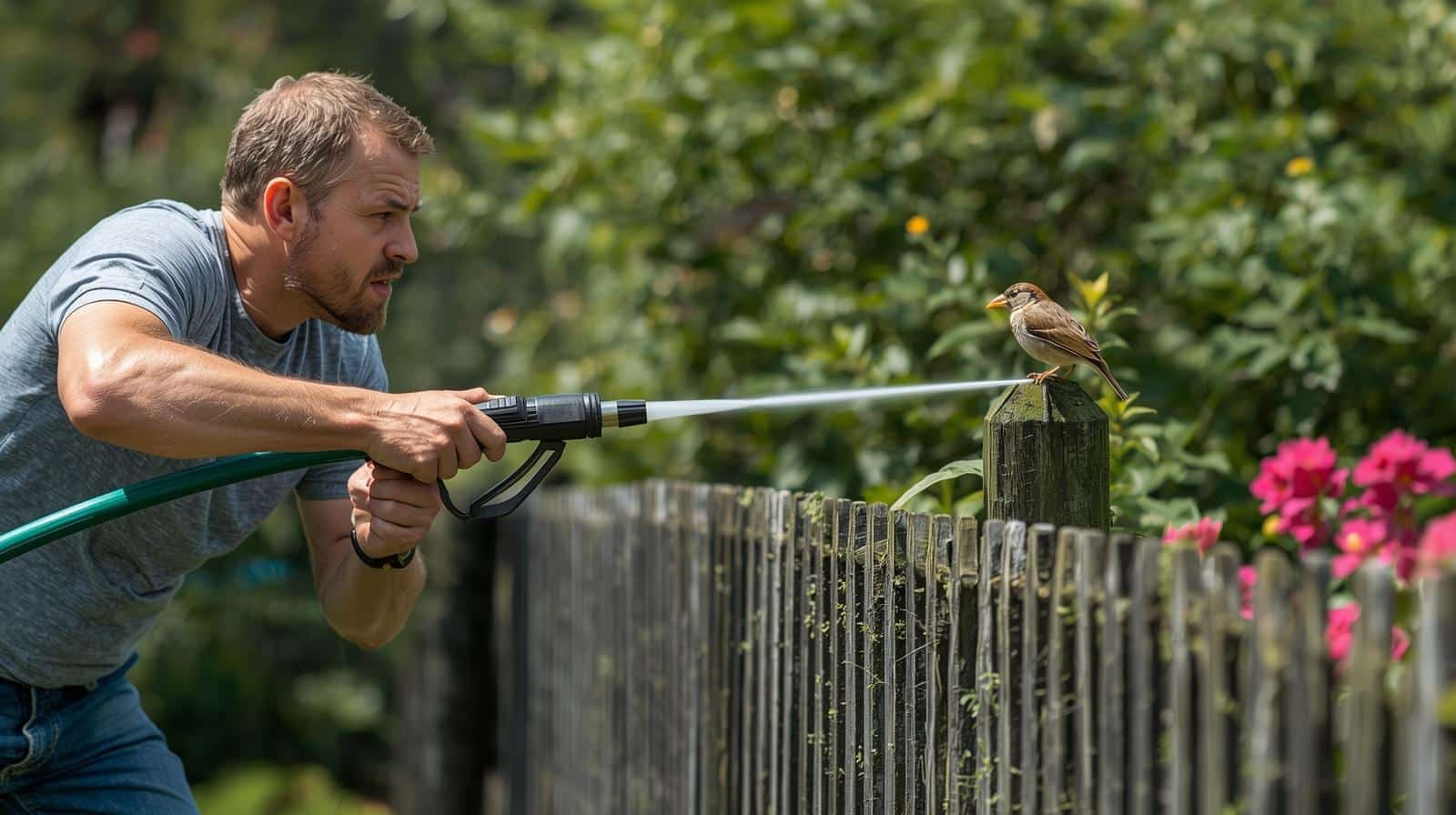
Motion-activated sprinklers spray water when they detect movement. Birds get startled by the sudden splash and fly away. This method is natural and chemical-free.
| Feature | Benefit |
| Motion sensor | Detects birds quickly |
| Water spray | Startles birds safely |
| Adjustable range | Covers large areas |
| Energy source | Connects to garden hose |
Legal And Ethical Considerations
Scaring away noisy birds requires care and respect for wildlife. It is important to follow laws and ethical guidelines.
This helps protect bird populations and avoids harming the environment or breaking rules.
Protecting Bird Species
Many bird species are protected by laws to keep them safe. Disturbing or harming them can lead to penalties.
Use gentle methods to scare birds without causing injury. Avoid traps, poisons, or loud noises that can hurt them.
- Do not harm nests or eggs
- Use visual deterrents like reflective tape
- Try sound devices that do not hurt hearing
- Maintain a safe distance from birds
Local Regulations
Different areas have specific rules about handling birds. Check your local laws before taking action.
Some cities require permits for bird control. Others ban certain scare methods to protect wildlife.
- Contact local wildlife or environmental agencies
- Follow guidelines for humane bird control
- Report any injured or protected birds found
- Respect seasonal restrictions, like breeding seasons
Frequently Asked Questions
How Can I Scare Away Noisy Birds Effectively?
Use visual deterrents like reflective tape or predator decoys. Loud noises and water sprays also discourage birds from staying nearby.
What Natural Methods Repel Birds Without Harm?
Planting herbs like lavender or mint and using bird spikes can deter birds. These methods keep birds away safely and naturally.
Are Noise Devices Safe For Scaring Birds?
Yes, noise devices like ultrasonic repellents are safe. They emit sounds unpleasant to birds but harmless to humans and pets.
How To Prevent Birds From Returning After Scaring Them?
Remove food sources and nesting spots. Regularly change deterrent locations to keep birds uncertain and unwilling to return.
Conclusion
Scaring away noisy birds requires patience and simple methods. Try sound deterrents. Reflective objects work well too. Keep your environment less attractive to them. Remove food sources and nesting spots. Consistency is crucial for effectiveness. Stay persistent in your efforts.
Birds will eventually find quieter places. You can enjoy peace once again. Remember, humane methods are best. Happy bird-scaring!



