Setting up perches in your bird cage might seem simple, but the right arrangement can make a big difference in your bird’s happiness and health. You want your feathered friend to feel comfortable, safe, and entertained every time they step inside.
If you’ve ever wondered how to choose the best perches and place them perfectly, you’re in the right place. Keep reading to discover easy tips that will transform your bird’s home and keep them chirping with joy.
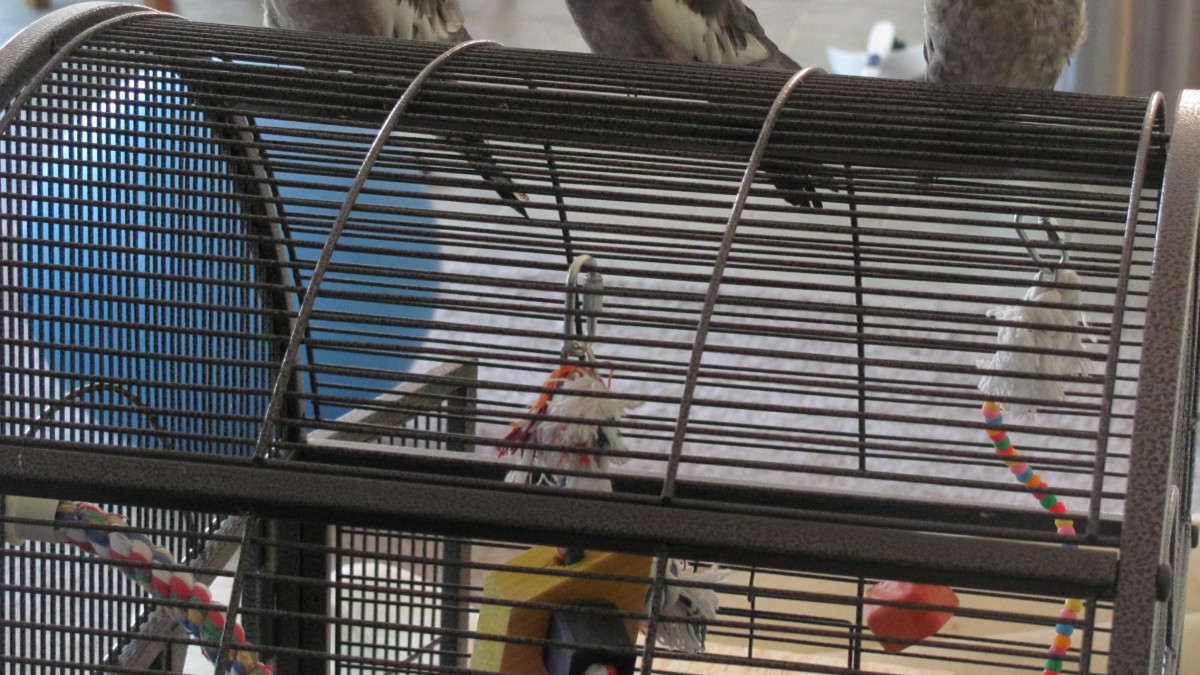
Credit: pethelpful.com
Choosing The Right Perch Types
Setting up perches in a bird cage is important for your bird’s comfort and health. Picking the right perch type helps keep their feet strong and happy.
Different perch materials and shapes offer unique benefits. Knowing these options helps you create a good environment for your bird.
Natural Wood Vs Plastic
Natural wood perches give birds a rough surface that helps wear down their nails. They also feel more like branches found in nature.
Plastic perches are easy to clean but can be slippery. They do not help as much with nail care and may feel unnatural to birds.
- Wood perches: rough texture, natural, good for nails
- Plastic perches: smooth surface, easy to clean, less natural
Diameter And Texture
Perch diameter should fit your bird’s feet comfortably. Feet should wrap around the perch without strain or slipping.
Textured perches help birds grip and exercise their feet. Smooth perches can cause foot problems if used alone.
- Choose perch diameter matching your bird’s foot size
- Use textured surfaces for better grip and exercise
- Mix different sizes to avoid pressure spots
Specialty Perches
Specialty perches include shapes like rope, cement, and swings. They add variety and help with foot health.
Cement perches help trim nails but can be rough if used too much. Rope perches offer a soft grip but may fray over time.
- Rope perches: soft, flexible, good for resting
- Cement perches: rough, good for nail care, use moderately
- Swings: fun, encourage movement, add mental stimulation
Optimal Perch Placement
Setting up perches in a bird cage is important for your bird’s comfort. Good perch placement helps birds move around safely.
Proper perch placement supports healthy feet and natural behavior. It also prevents injuries and stress.
Height Considerations
Place perches at different heights to encourage movement. Birds like to climb and jump between levels.
Keep the highest perch away from the cage ceiling. This gives enough headroom for your bird to move comfortably.
- Lower perches help shy birds feel safe
- Higher perches provide a resting spot with a good view
- Use a mix of heights to keep birds active
Avoiding Cage Corners
Do not place perches directly in cage corners. Birds can get stuck or feel trapped in corners.
Open spaces help birds turn around easily. Corners can cause stress and reduce comfort.
- Place perches along cage sides but not flush in corners
- Leave space for birds to fly or hop freely
- Check perch angles to avoid sharp turns
Spacing Between Perches
Keep enough space between perches to allow easy movement. Birds need room to jump or fly between perches.
Too close perches limit movement and cause boredom. Too far apart makes it hard for smaller birds to reach.
- Small birds: 6-8 inches apart
- Medium birds: 8-12 inches apart
- Large birds: 12-18 inches apart
Safety And Hygiene Tips
Setting up perches in your bird cage needs care. Safety and cleanliness keep your bird healthy.
Good perch setup prevents injury and stops germs from spreading. Use the right materials and keep perches clean.
Materials To Avoid
Some materials can harm your bird or cause health problems. Avoid perches made from unsafe substances.
- Painted or varnished wood may contain toxic chemicals
- Metal perches that rust can hurt bird’s feet
- Plastic can break easily and cause choking
- Thin wire perches can injure feet or cause discomfort
Regular Cleaning Routine
Clean perches often to stop germs and mites from growing. Dirty perches can cause sickness.
Use warm water and mild soap. Rinse well and dry before placing back in the cage.
- Clean perches at least once a week
- Spot clean daily if you see dirt or droppings
- Use a soft brush to remove stubborn dirt
- Check cleaning products are safe for birds
Inspecting For Wear And Damage
Check perches regularly for cracks, splinters, or loose parts. Damaged perches can hurt your bird.
Replace or repair perches that show damage. Safe perches keep your bird comfortable and secure.
- Look for rough spots or sharp edges
- Check if the perch is loose or wobbly
- Remove any chipped or broken pieces
- Replace perches every few months if needed
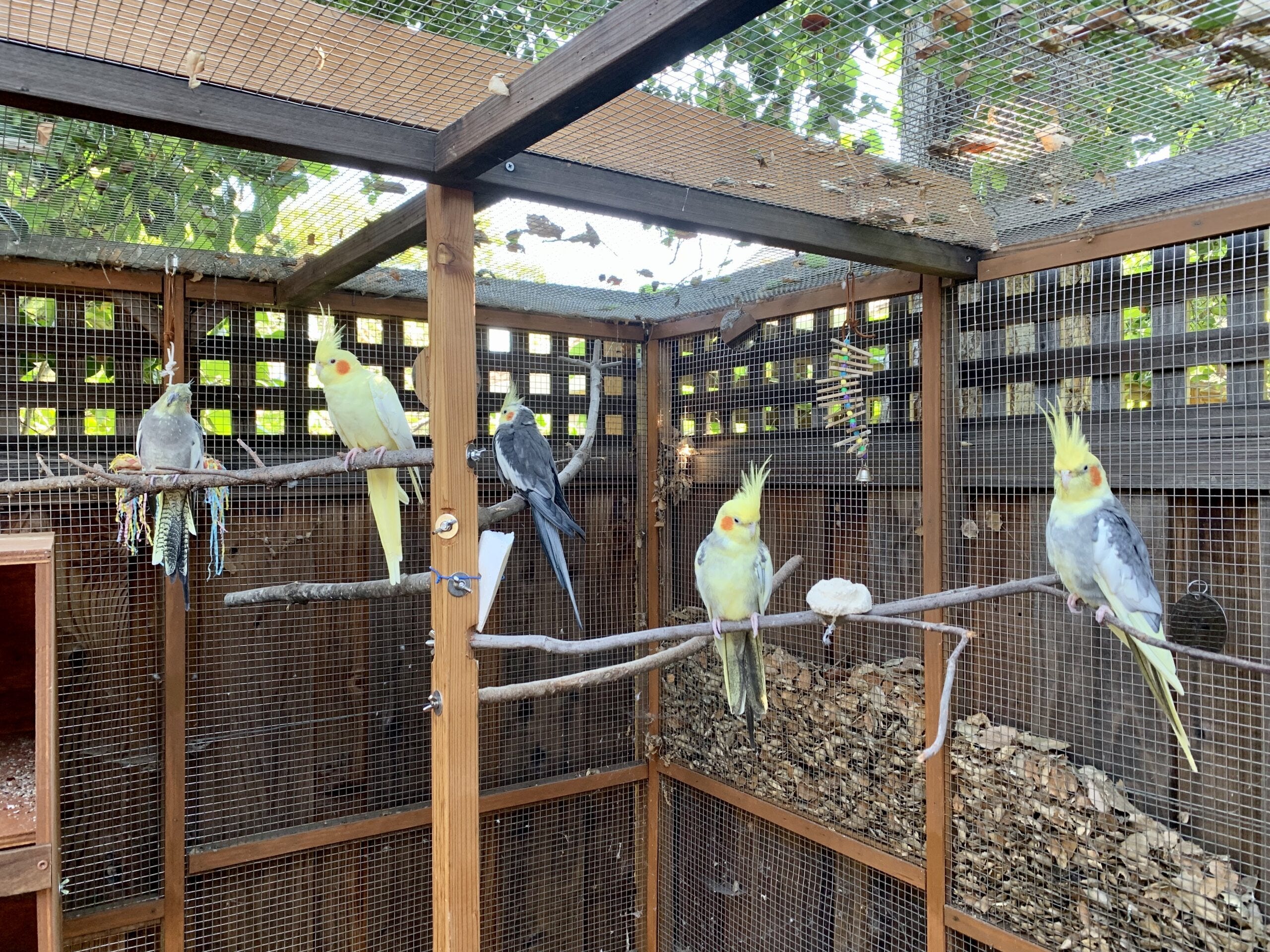
Credit: freerangeparrots.org
Enhancing Bird Comfort
Setting up perches in a bird cage helps keep your bird comfortable. Proper perches support foot health and encourage natural behaviors.
Choosing the right perches and adding accessories can make your bird’s home more enjoyable. This guide covers key ways to improve comfort.
Variety For Foot Health
Birds need different perch sizes and textures to keep their feet healthy. Using only one type of perch can cause foot problems.
- Use natural wood branches with varying thickness
- Add rope perches for soft grip
- Include rough surfaces to help nail trimming
- Place perches at different heights to encourage movement
Adding Toys And Accessories
Toys and accessories near perches keep birds active and curious. They help prevent boredom and support mental health.
| Toy Type | Purpose |
| Swings | Encourage balance and movement |
| Chew toys | Help keep beak trimmed |
| Mirrors | Provide visual stimulation |
| Foraging toys | Promote natural searching behavior |
Encouraging Natural Behaviors
Birds show their best health when they can act naturally. Perch setup should allow climbing, resting, and stretching.
- Place perches at different angles for climbing
- Leave space between perches to stretch wings
- Add nesting spots near perches for comfort
- Use safe plants or branches to mimic wild habitats
Adjusting Perches For Different Bird Species
Setting up perches correctly helps birds stay healthy and active. Different bird sizes need different perch setups.
Choosing the right perch size and placement can prevent foot problems. It also makes the cage comfortable for your bird.
Small Birds
Small birds like finches and canaries need thin perches. These help their tiny feet grip well and move easily.
- Use perches about ¾ inch in diameter.
- Place perches close together to allow easy hopping.
- Use natural wood perches to keep feet healthy.
Medium-sized Birds
Birds like cockatiels and conures need medium-thick perches. Perches should support their weight without causing strain.
| Bird Type | Perch Diameter | Placement Tips |
| Cockatiels | 1 inch (2.5 cm) | Space perches apart for flying |
| Conures | 1 to 1.25 inches (2.5-3 cm) | Mix textures for foot exercise |
Large Birds
Large birds like parrots and macaws need thick, sturdy perches. They must support heavy weight and allow gripping with strong feet.
- Perch diameter should be 1.5 to 2 inches (3.8 to 5 cm).
- Use durable wood or rope perches to prevent breaking.
- Place perches at different heights for climbing and resting.

Credit: www.reddit.com
Frequently Asked Questions
How Do I Choose The Right Perch Size For My Bird?
Select perch sizes that match your bird’s foot size. Use varied diameters to exercise their feet and avoid pressure sores. Properly sized perches promote comfort and foot health, preventing issues like bumblefoot.
Where Should I Place Perches Inside A Bird Cage?
Place perches at different heights, allowing birds to move and exercise. Avoid placing them near food and water to prevent contamination. Proper placement ensures comfort and hygiene.
What Materials Are Best For Bird Cage Perches?
Use natural wood, rope, or safe synthetic materials for perches. Avoid sandpaper-covered perches as they can harm bird feet. Natural materials provide better grip and comfort.
How Often Should I Clean Bird Cage Perches?
Clean perches weekly with mild soap and water. Rinse thoroughly to remove soap residue and dry before placing back. Regular cleaning prevents bacteria buildup and keeps birds healthy.
Conclusion
Setting up perches benefits your bird’s health and happiness. Choose the right size and material. Place them at varied heights. This mimics natural settings. Secure them firmly to avoid accidents. Clean regularly to maintain hygiene. Rotate perch positions occasionally. This adds interest for your bird.
Observe your bird’s behavior. Adjust perch settings if needed. A well-arranged cage ensures a comfortable home. Your bird will appreciate the effort. Happy birds chirp more. Enjoy their company and playful antics. Providing a safe environment keeps them active. Remember, a little care goes a long way.