If you want to give your bird a tasty and healthy treat, starting to feed them fruits is a great idea. But you might wonder which fruits are safe and how to introduce them properly.
Feeding your bird fruits can boost their nutrition and make mealtime more exciting. You’ll learn simple steps to start feeding your bird fruits the right way. Keep reading to discover easy tips that will make your feathered friend happy and healthy!
Choosing Safe Fruits
Feeding fruits to your bird is a great way to add nutrition to their diet. Not all fruits are safe for birds, so choose carefully.
Some fruits can harm birds if eaten in large amounts or if they contain toxins. Always check which fruits are safe.
Bird-friendly Fruit Options
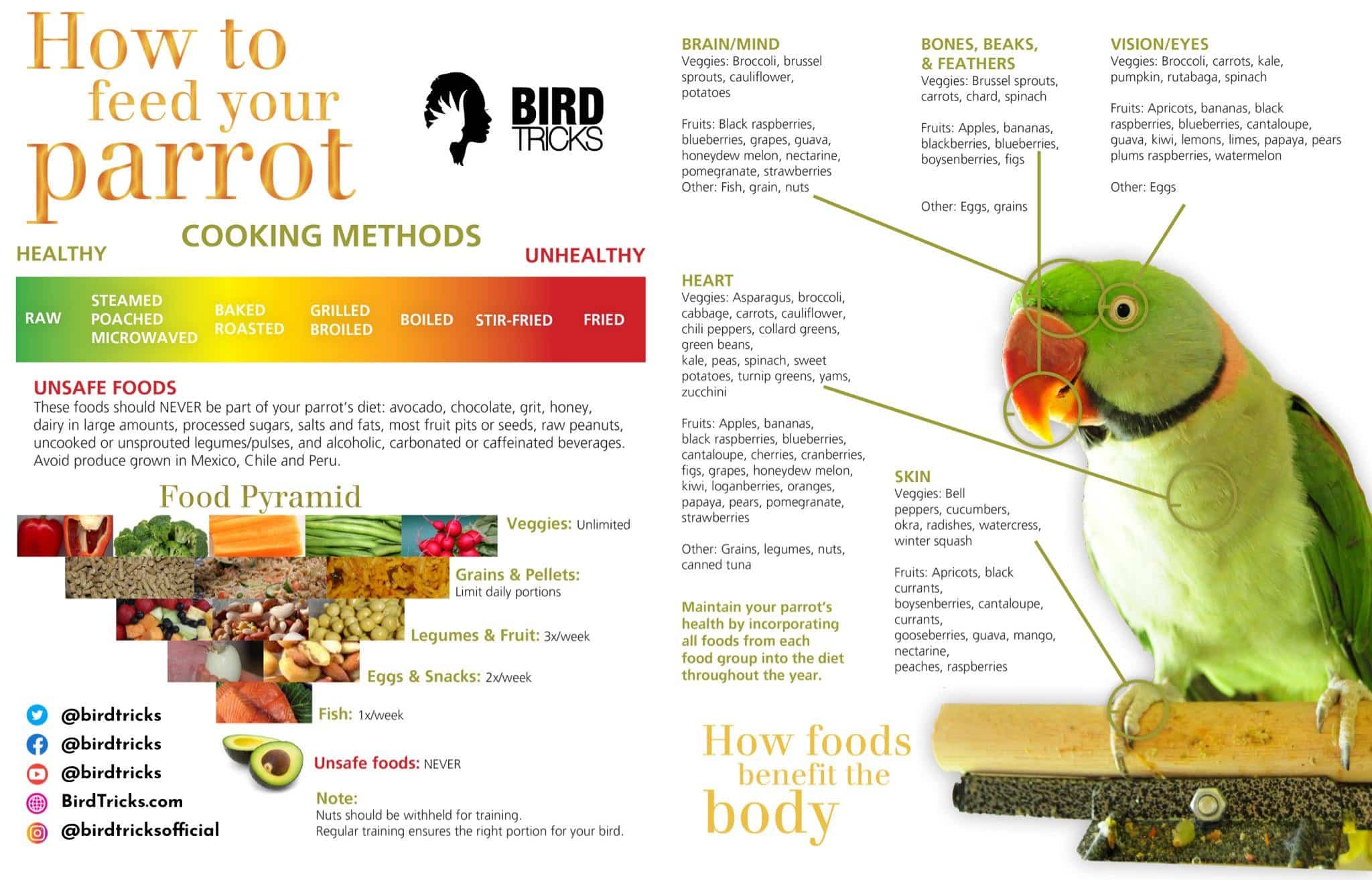
Many fruits are healthy and tasty for birds. These fruits provide vitamins and hydration for your pet.
- Apples (remove seeds)
- Bananas
- Blueberries
- Strawberries
- Mango
- Papaya
- Peaches (remove pits)
- Pears (remove seeds)
- Watermelon
- Grapes
Wash all fruits well before giving them to your bird. Cut fruits into small, manageable pieces.
Fruits To Avoid
Some fruits are toxic or harmful to birds. Avoid feeding these to keep your bird safe and healthy.
- Avocado (poisonous to birds)
- Rhubarb
- Cherry pits and seeds
- Apple seeds
- Peach pits
- Plum pits
- Unripe tomatoes (technically a fruit)
- Citrus fruits in large amounts (can upset digestion)
Always remove seeds and pits from fruits before feeding. If unsure, check with a vet.
Preparing Fruits For Your Bird
Feeding fruits to your bird can be healthy and fun. You need to prepare the fruits carefully first.
Proper preparation keeps your bird safe and helps them enjoy the food better.
Washing And Cutting Techniques
Wash fruits well to remove dirt and chemicals. Use clean water and rinse each piece carefully.
Cut fruits into small, manageable pieces. This makes it easy for your bird to eat without choking.
- Use a clean knife and cutting board
- Remove any bruised or spoiled parts
- Cut fruits into bite-size pieces for your bird
- Keep fruit pieces uniform to avoid choking risks
Removing Seeds And Pits
Many fruit seeds and pits can be dangerous for birds. Remove them before feeding your bird.
Seeds and pits may cause choking or contain harmful substances. Always check fruits carefully.
- Remove apple seeds and core
- Take out peach, cherry, and plum pits
- Check grapes for seeds and remove if possible
- Remove avocado skin and pit as they are toxic
Introducing Fruits Gradually
Feeding fruits to your bird is a healthy choice. It adds vitamins and variety to their diet.
Introduce fruits slowly to avoid upsetting your bird’s stomach. This helps them adjust well.
Starting With Small Portions
Begin by offering tiny pieces of fruit. Small portions are easy for your bird to try.
Use fruits like apple slices or berries in small amounts. This reduces the risk of waste or illness.
Observing Your Bird’s Reaction
Watch how your bird eats the fruit. Look for signs of liking or dislike.
Check for any changes in behavior or health after feeding fruits. Stop if you see problems.
- Notice if your bird eats the fruit eagerly
- Look for any stomach upset or unusual droppings
- Observe changes in energy or mood

Credit: www.youtube.com
Creating Fruit-based Snacks
Feeding your bird fruits is a healthy choice. You can make tasty snacks using simple fruits. These snacks can help your bird enjoy new flavors and get vitamins.
Start with easy recipes to see what your bird likes. Use fresh fruits and avoid any that are harmful to birds.
Simple Fruit Mixes
Mix different fruits for a colorful snack. Use bird-safe fruits like apples, bananas, and berries. Cut them into small pieces to make eating easier.
- Chop apples, pears, and grapes into bite-size pieces
- Add small slices of banana for sweetness
- Mix in blueberries or strawberries for color
- Serve fresh to keep taste and nutrients
Frozen Fruit Treats
Frozen fruits make cool treats in warm weather. They are refreshing and help your bird stay hydrated.
| Fruit | How to Prepare | Freeze Time |
| Blueberries | Wash and spread on tray | 2-3 hours |
| Banana slices | Cut small pieces | 2 hours |
| Watermelon chunks | Remove seeds and peel | 3 hours |
| Strawberry halves | Wash and cut | 2-3 hours |
Maintaining A Balanced Diet
Feeding your bird fruits is a great way to add variety to their diet. Fruits provide essential vitamins and natural sugars that birds enjoy. It is important to keep their diet balanced to ensure they stay healthy.
A balanced diet includes more than just fruits. Birds need a mix of seeds, vegetables, and proteins. This helps them get all the nutrients they require for energy and growth.
Combining Fruits With Other Foods
Offer fruits alongside other foods to keep your bird’s diet balanced. Mixing fruits with seeds and vegetables gives a variety of nutrients. This also keeps your bird interested in eating.
- Serve fruits with leafy greens like spinach or kale
- Include seeds and nuts for healthy fats and protein
- Add cooked grains like rice or quinoa for energy
- Offer fresh vegetables to provide fiber and vitamins
Monitoring Nutritional Needs
Watch your bird’s health and behavior to check if their diet is right. Birds need different nutrients at different ages and stages. Adjust the food types and amounts as needed.
Look for signs like weight changes, feather condition, and energy levels. These can show if your bird is getting enough vitamins and minerals. Consult a vet if you notice any issues.

Credit: www.birdwatchingdaily.com
Signs Of Allergies Or Digestive Issues
Feeding your bird fruits is healthy but watch for signs of allergies or digestion problems. Birds can react differently to new foods.
Knowing what to look for helps keep your bird safe and happy. Early detection avoids serious health issues.
Common Symptoms To Watch For
Look for changes in your bird’s behavior and physical condition after eating fruits. Some signs show allergies or digestive trouble.
- Vomiting or regurgitation
- Diarrhea or loose stools
- Swollen eyes or face
- Red or irritated skin
- Excessive itching or scratching
- Difficulty breathing or wheezing
- Loss of appetite or refusal to eat
- Lethargy or unusual tiredness
If your bird shows any of these symptoms, stop feeding the fruit immediately. Observe closely for any changes.
When To Consult A Vet
Contact a vet if your bird has severe or lasting symptoms after eating fruits. Quick action can prevent serious illness.
Also seek help if your bird has breathing issues or swelling of the face. These signs need immediate attention.
- Persistent vomiting or diarrhea lasting more than a day
- Severe swelling or hives
- Difficulty breathing or gasping
- Sudden weakness or collapse
- No improvement after removing the fruit

Credit: abirdtoy.com
Frequently Asked Questions
What Fruits Are Safe For My Pet Bird To Eat?
Safe fruits for birds include apples, bananas, berries, and melons. Avoid avocado and fruit seeds, as they can be toxic. Always wash fruits thoroughly and remove any pits before feeding.
How Do I Introduce Fruits To My Bird’s Diet?
Start with small fruit pieces and offer them alongside regular food. Observe your bird’s reaction and gradually increase the fruit portion. This helps your bird get used to new flavors and textures safely.
How Often Should I Feed Fruits To My Bird?
Feed fruits to your bird 2-3 times a week as treats or supplements. Fruits provide essential vitamins but should not replace a balanced diet. Moderation ensures your bird stays healthy and happy.
Can Fruits Cause Digestive Issues In Birds?
Overfeeding fruits high in sugar may cause digestive upset. Introduce fruits slowly and monitor your bird’s digestion. If diarrhea or discomfort occurs, reduce fruit intake and consult a vet.
Conclusion
Starting with small fruit pieces helps your bird adjust. Observe their reactions closely. This ensures they enjoy and digest fruits well. Always choose safe fruits for them. Remember, variety keeps their diet balanced. Avoid seeds and pits; they can be harmful.
Introduce new fruits gradually, one at a time. Clean and prepare fruits properly before serving. Your bird’s health will thank you. Enjoy watching them explore new flavors. A healthy bird is a happy bird. Consistency and patience are key. Keep feeding sessions fun and rewarding.
Your bird will love the nutritious treats!