Are you tired of seeing your bird seed sprout before the birds even get a chance to enjoy it? Watching those tiny green shoots pop up can be frustrating, especially when you want to keep your feeders clean and mess-free.
But don’t worry—there are simple, effective ways to stop bird seed from sprouting. You’ll discover easy tips that will help you keep your bird seed fresh and prevent unwanted growth. Keep reading to learn how to protect your seed and attract more feathered friends to your yard!
Why Bird Seed Sprouts
Bird seed can start to sprout when left in the right conditions. This happens because seeds are alive and want to grow. Sprouting can waste seed and attract pests.
Understanding why bird seed sprouts helps to keep it fresh longer. It also stops feeding problems for your birds.
Common Seed Types That Sprout
Some seeds sprout more often than others. These seeds have a high moisture content or thin shells.
- Millet
- Sunflower seeds
- Wheat
- Safflower seeds
- Canary seed
Conditions That Encourage Sprouting
Seeds sprout when they get water, warmth, and air. These conditions tell the seed it is time to grow.
| Condition | Effect on Sprouting |
| Moisture | Activates growth enzymes inside seeds |
| Warm Temperature | Speeds up sprouting process |
| Air | Provides oxygen needed for seed growth |
| Light | Can trigger sprouting in some seed types |
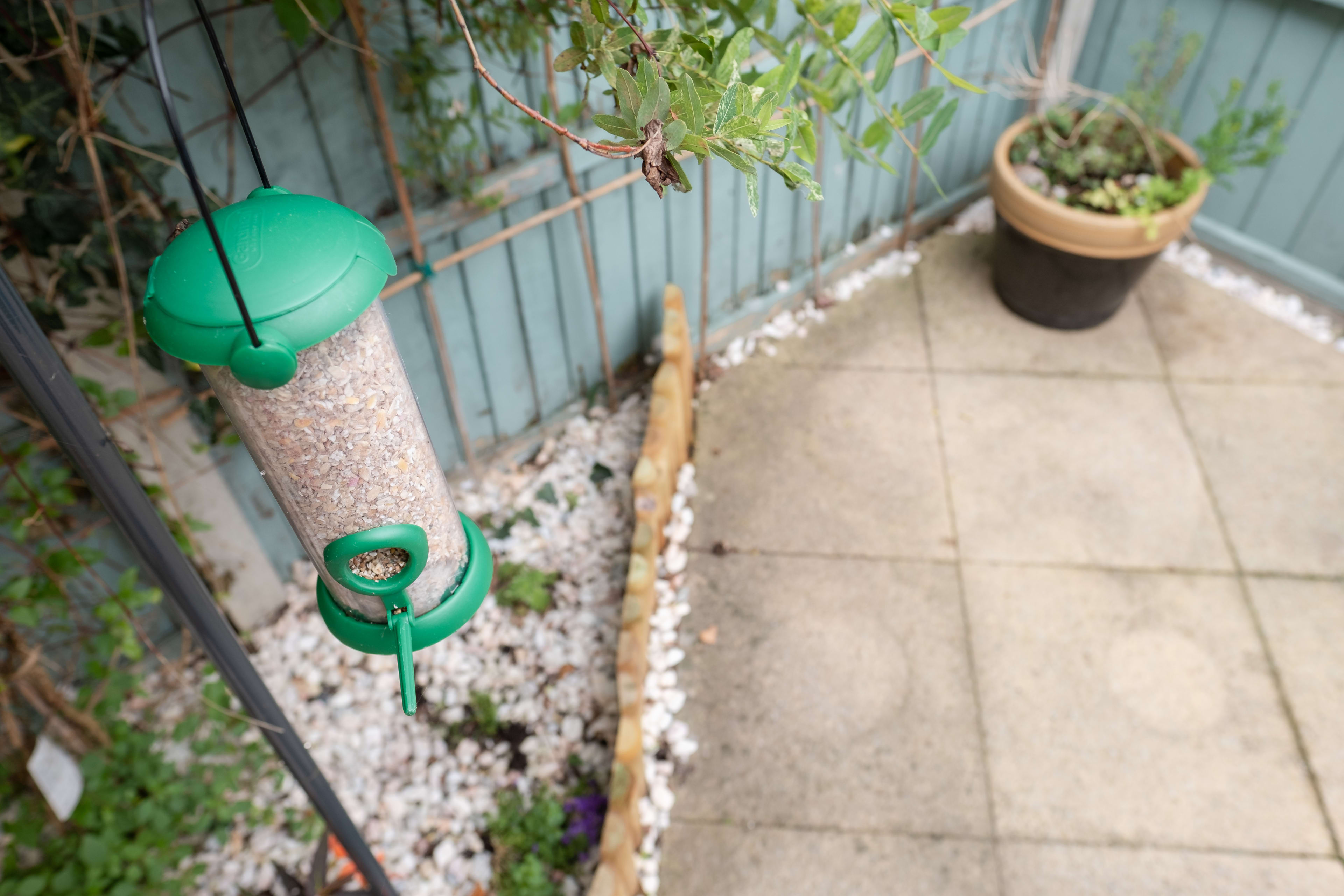
Credit: dengarden.com
Choosing The Right Seed
Bird seed can sprout if it gets wet and warm. This can cause messes in your bird feeder area. Picking the right seed helps stop sprouting.
Some seeds are less likely to sprout than others. You can also use treated seeds to avoid growth. Both choices make feeding birds easier.
Selecting Non-sprouting Varieties
Choose seeds that do not sprout easily. Sunflower seeds, safflower seeds, and millet usually stay dry and do not grow.
These seeds have hard shells or natural coatings that stop sprouting. They also attract many types of birds.
- Black oil sunflower seeds
- Safflower seeds
- White proso millet
- Nyjer (thistle) seeds
Using Treated Or Coated Seeds
Treated seeds have a special coating to prevent sprouting. This coating keeps the seeds dry and stops growth.
Coated seeds last longer in feeders. They reduce waste and mess from sprouted seeds. Treated seeds are safe for birds.
- Seeds coated with clay or other safe materials
- Seeds treated to resist moisture
- Look for labels that say “non-sprouting” or “treated”
Proper Storage Techniques
Bird seed can start to sprout if it is stored in the wrong way. Proper storage helps keep the seeds dry and fresh. This stops sprouting and saves your seed for longer.
Using the right temperature, humidity, and containers is important. These factors keep seeds safe from moisture and warmth that cause sprouting.
Ideal Temperature And Humidity
Store bird seed in a cool place with low humidity. Warmth and moisture make seeds sprout quickly. The best temperature is below 70°F (21°C).
Humidity should be kept below 50%. High humidity adds moisture, which can start sprouting or cause mold. Dry air keeps seeds safe.
- Keep seeds away from direct sunlight
- Store in a cool, dry room or pantry
- Use a dehumidifier if needed
Sealed Containers And Packaging
Use airtight containers to keep bird seed fresh. Sealed containers stop air and moisture from entering. This helps prevent sprouting and mold growth.
Plastic bins, glass jars with lids, or heavy-duty bags work well. Make sure containers are clean and dry before adding seed.
- Choose containers with tight lids
- Store seeds off the ground to avoid moisture
- Label containers with purchase dates
Preventing Moisture Exposure
Bird seed can start to sprout if it gets wet. Sprouted seeds are less healthy for birds and can cause mold. Keeping seed dry stops sprouting and keeps birds safe.
Moisture is the main cause of sprouting. We will cover ways to avoid moisture and keep bird seed dry.
Avoiding Wet Feeders
Wet feeders cause seeds to get damp quickly. Always place feeders where rain or snow cannot reach them. Use covers or shelters if needed. Clean feeders regularly to remove wet seeds and dirt.
- Place feeders under eaves or roof overhangs
- Use feeder covers or rain guards
- Choose feeders with drainage holes
- Check feeders after storms and dry if wet
- Clean feeders weekly to remove mold or wet seeds
Using Moisture Absorbers
Moisture absorbers help keep seed dry inside feeders. They soak up water that gets in. Use safe, non-toxic materials near the seed but not inside the seed container.
| Type of Moisture Absorber | How to Use | Notes |
| Silica Gel Packets | Place packets in feeder trays or nearby | Do not let birds eat them |
| Dry Rice | Put a small cloth bag of rice near seed | Replace rice every few weeks |
| Charcoal Briquettes | Wrap in cloth and place near seed | Absorbs moisture and odors |
Regular Cleaning Practices
Keeping bird feeders clean is important to prevent bird seed from sprouting. Moisture and old seed cause sprouting and can harm birds. Regular cleaning helps keep the feeding area safe and fresh.
Simple cleaning steps can stop mold and sprouting. Clean feeders often and remove bad seed to keep birds healthy.
Cleaning Feeders Frequently
Clean bird feeders at least once a week. Dirt and leftover seed can cause mold and sprouting. Use warm soapy water and a brush to scrub all parts. Rinse well to remove soap.
- Empty the feeder completely before cleaning
- Use a mild detergent and warm water
- Scrub all surfaces including small crevices
- Rinse feeders thoroughly with clean water
- Dry feeders completely before refilling
Removing Old Or Spoiled Seed
Old or spoiled seed attracts mold and sprouts quickly. Check seed regularly and remove any that looks damp or clumped. Store extra seed in a dry, cool place to keep it fresh.
| Signs of Spoiled Seed | Action |
| Damp or wet seed | Discard immediately |
| Seed clumps together | Remove and clean feeder |
| Unusual smell or mold | Throw away seed and sanitize feeder |
| Seed older than 30 days | Check condition and replace if needed |
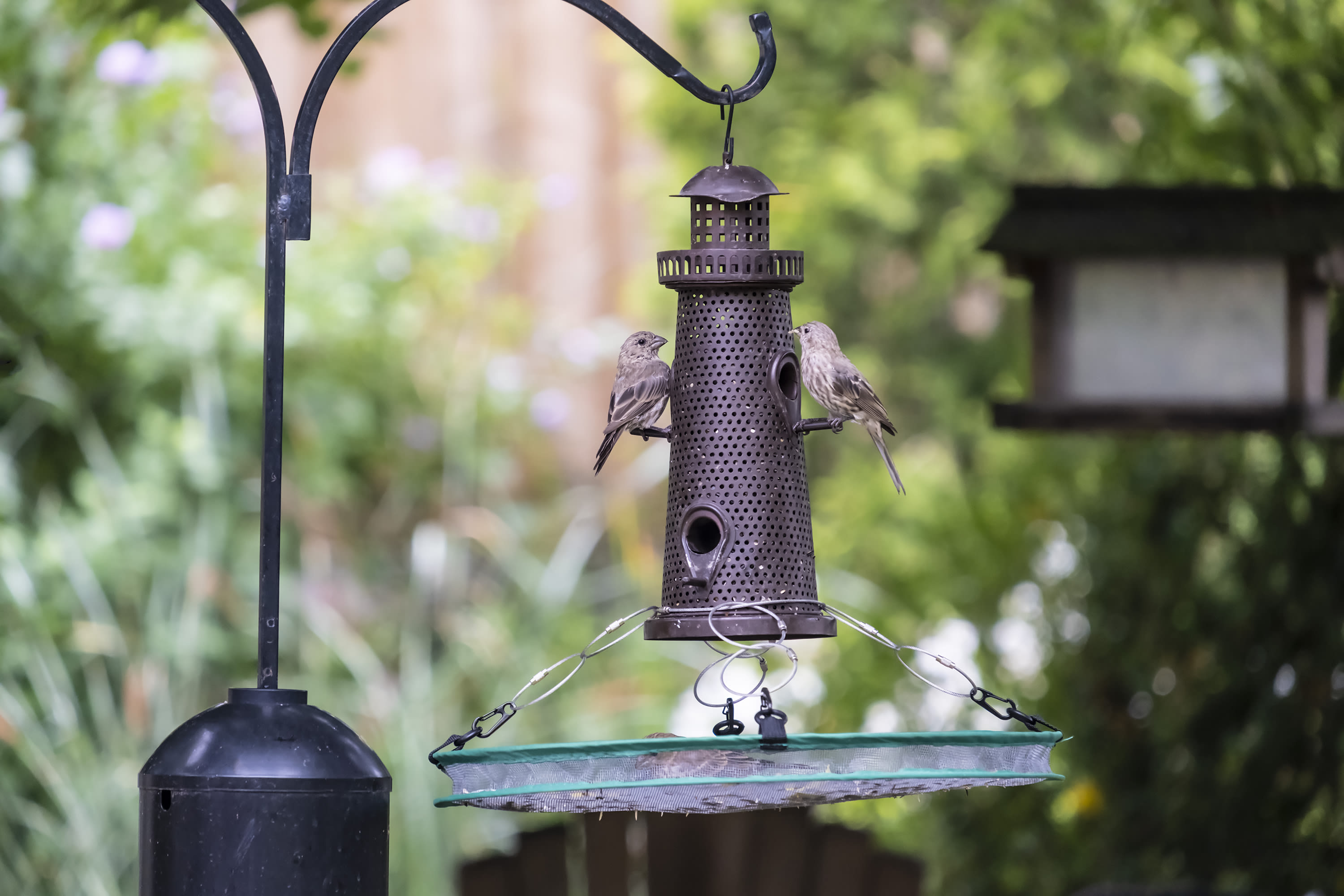
Credit: dengarden.com
Alternative Feeding Methods
Bird seed often sprouts, causing waste and mess. Using other feeding methods can help avoid sprouting.
Choosing the right seed mixes and offering fresh foods keeps birds happy without sprouting issues.
Using Seed Mixes That Resist Sprouting
Some seed mixes are made to resist sprouting. These mixes often contain seeds that dry quickly or have coatings.
- Choose mixes with millet, safflower, or nyjer seeds
- Avoid mixes with cracked corn or sunflower seeds that sprout fast
- Store seed in a dry place to reduce moisture
- Use feeders that keep seed dry and well-ventilated
Offering Fresh Foods Instead Of Seeds
Fresh foods provide good nutrition and do not sprout like seeds. Birds enjoy a varied diet with fresh options.
| Fresh Food | Benefits | Best Served |
|---|---|---|
| Chopped fruits (apples, berries) | Rich in vitamins and water | Daily, fresh pieces |
| Vegetables (carrots, peas) | Good fiber and nutrients | Chopped or grated |
| Mealworms or insects | High protein source | Occasionally as treat |
| Unsalted nuts (peanuts, walnuts) | Healthy fats and energy | In small amounts |
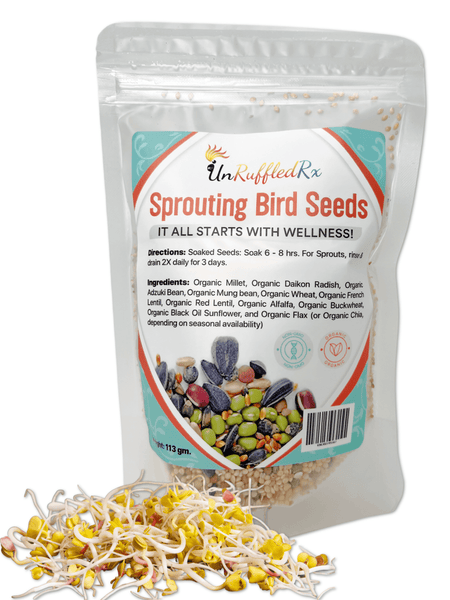
Credit: birdsupplies.com
Frequently Asked Questions
How Can I Prevent Bird Seed From Sprouting Indoors?
Store bird seed in a cool, dry place away from moisture. Use airtight containers to block humidity. Avoid exposure to sunlight and heat, which encourage sprouting.
Why Does Bird Seed Sprout In Feeders?
Bird seed sprouts when exposed to moisture, warmth, and sunlight. These conditions trigger germination. Regularly clean feeders and keep seeds dry to prevent sprouting.
What Type Of Bird Seed Is Less Likely To Sprout?
Sunflower seeds and safflower seeds are less prone to sprouting. Their hard shells protect the seed from moisture. Choose these to reduce sprouting risks.
Can Adding Additives Stop Bird Seed From Sprouting?
Some additives like food-safe fungicides can inhibit sprouting. However, they are not always recommended for bird health. Proper storage and drying are safer methods.
Conclusion
Preventing bird seed from sprouting is easy with the right steps. Choose sterilized seeds to reduce sprouting risks. Store seeds in a dry place to keep them fresh. Consider using no-waste blends for cleaner feeding. Regular cleaning of feeders helps too.
These methods ensure a tidy yard and happy birds. Simple changes can make a big difference. Enjoy watching your feathered friends without extra work. Bird feeding should be fun, not a chore. Keep your garden neat and welcoming for all your avian visitors.