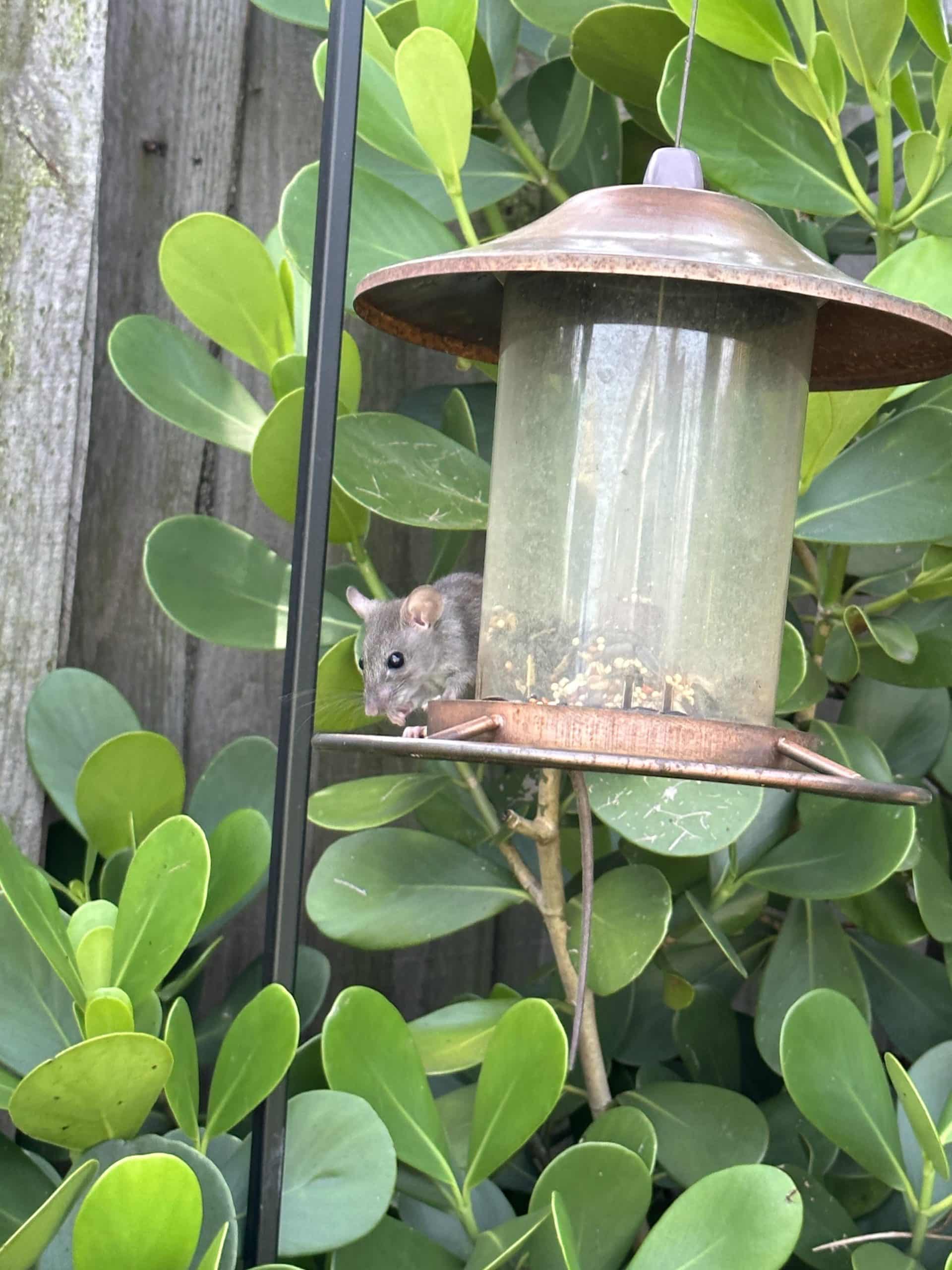
Are you tired of finding your bird seed chewed up and scattered by pesky mice? It’s frustrating to buy fresh seed only to watch it disappear or get ruined.
You want to enjoy feeding the birds without constantly battling unwanted visitors. The good news is, with the right storage tips, you can protect your bird seed and keep those mice at bay. Keep reading to discover simple, effective ways to store your bird seed so it stays fresh and mouse-free.
Your feathered friends—and your wallet—will thank you!

Credit: www.reddit.com
Choose The Right Containers
Storing bird seed properly keeps it fresh and safe from mice. Using the right containers helps stop mice from getting inside.
Good containers also protect the seed from moisture and pests. This saves you money and keeps birds healthy.
Use Airtight Containers
Airtight containers block air and moisture from reaching the bird seed. This keeps the seed dry and fresh for longer.
They also make it hard for mice to smell the seed inside. This lowers the chance of mice trying to get in.
Opt For Metal Or Heavy-duty Plastic
Metal and thick plastic containers are strong and hard to chew through. Mice cannot easily break into these materials.
Look for containers with secure lids. These keep animals out and keep seed fresh.
- Steel or aluminum containers work well
- Heavy-duty plastic is tough and lightweight
- Containers with tight seals keep pests away
Avoid Cardboard Or Thin Plastic Bags
Cardboard boxes and thin plastic bags tear easily. Mice can chew through them to reach the seed.
These materials also let in air and moisture. This can make seed spoil faster and attract pests.
Seal Containers Properly
Storing bird seed safely keeps it fresh and stops mice from getting inside. Sealing containers well is key to protect your seed.
Using the right lids and checking them often helps keep pests away. Small gaps let mice in and spoil the seed.
Check For Secure Lids
Always use containers with tight-fitting lids. Screw-on or snap-on lids work best to block mice.
- Make sure lids close fully without gaps
- Test lids by pressing down gently to feel for tightness
- Replace lids that are cracked or misshapen
- Avoid containers with loose or broken hinges
Use Additional Sealing Methods
Besides lids, add extra sealing to keep mice out. You can use tape or rubber gaskets to close small openings.
| Sealing Method | Description |
| Foam Gasket | Place around lid edges to block gaps |
| Strong Tape | Seal cracks or loose parts of the container |
| Rubber Bands | Wrap tightly around lid for extra hold |
| Plastic Wrap | Cover lid before closing for a tight seal |
Regularly Inspect For Damage
Check your seed containers often for holes or broken parts. Mice can chew through weak spots quickly.
- Look for cracks, holes, or worn lids
- Feel around edges for loose seals
- Replace damaged containers immediately
- Keep containers off the ground to reduce wear
Store In Cool, Dry Places
Storing bird seed properly keeps it fresh and safe from mice. Cool and dry places help prevent mold and pests. This guide shares tips to protect your bird seed.
Avoid Humid Areas
Humidity causes bird seed to spoil quickly. Moist seed attracts mice and mold. Choose a storage spot with low moisture to keep seed dry.
- Do not store seed near sinks or bathrooms
- Avoid basements with poor ventilation
- Use airtight containers to block moisture
Keep Away From Direct Sunlight
Sunlight heats bird seed and speeds spoilage. Heat also attracts mice looking for warm places. Keep seed in shaded areas to stay cool.
| Storage Location | Sunlight Exposure | Temperature Effect |
| Garage Shelf | Direct Sunlight | High heat, bad for seed |
| Garage Cabinet | Shaded | Cooler, better for seed |
| Outdoor Shed | Partial Sunlight | Warmer, risk of spoilage |
| Basement Corner | No Sunlight | Cool but humid, avoid |
Choose Elevated Storage Spots
Storing seed off the ground stops mice from reaching it easily. Elevation also improves air flow to keep seed dry. Use shelves or pallets.
- Place containers on sturdy shelves.
- Keep seed at least 6 inches above floor.
- Check storage area regularly for pests.
Use Natural Deterrents
Keeping mice away from bird seed is important. Natural deterrents can help protect your seeds without harmful chemicals.
These natural options are easy to use and safe for birds and pets. They create smells or tastes that mice dislike.
Add Bay Leaves Or Peppermint
Bay leaves and peppermint are common natural mouse repellents. Mice dislike their strong smell and avoid areas where they are present.
Simply place dried bay leaves or cotton balls soaked in peppermint oil near the bird seed storage. Replace them every few weeks for best results.
- Put bay leaves inside seed containers
- Use peppermint oil on cotton balls near storage
- Replace leaves and cotton balls regularly
Incorporate Mothballs Safely
Mothballs can repel mice due to their strong odor. Use them carefully because they can be toxic to pets and birds.
Place mothballs outside the storage area, not inside the seed containers. Keep them out of reach of children and animals.
- Use mothballs around storage, not inside seed bins
- Store mothballs in sealed containers when not in use
- Keep away from pets and children
Consider Commercial Repellents
Commercial mouse repellents use natural ingredients to keep mice away. They are made to be safe for outdoor use and near bird seed.
Look for repellents with peppermint oil or other plant-based ingredients. Follow the label directions to use them correctly.
- Choose repellents with natural ingredients
- Apply around storage areas, not inside seed containers
- Follow instructions on the product label
Maintain Clean Storage Areas
Keeping bird seed safe from mice starts with clean storage areas. Dirt and spilled seed attract pests.
Regular cleaning helps stop mice from finding food and nesting spots near your seed.
Regularly Sweep And Vacuum
Sweep floors and shelves where you store bird seed often. Vacuum corners and cracks to remove tiny seed pieces.
- Use a broom to clear large spills daily.
- Vacuum weekly to catch hidden seeds and dust.
- Focus on areas near seed containers and feeders.
Remove Spilled Seeds Promptly
Spilled seeds invite mice quickly. Clean spills as soon as you see them to keep mice away.
- Use a dustpan and brush for large spills.
- Wipe surfaces with a damp cloth after sweeping.
- Check under containers and feeders regularly.
Limit Access To Other Food Sources
Keep other foods like pet food and garbage sealed tightly. This stops mice from coming near your bird seed.
| Food Source | Storage Tip |
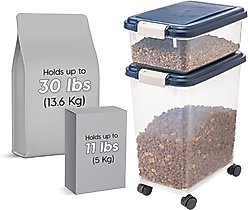
| Pet Food | Store in metal or heavy plastic containers |
| Garbage | Use sealed bins with tight lids |
| Bird Seed | Keep in airtight containers off the floor |
Credit: www.chewy.com
Set Up Physical Barriers
Keeping mice away from bird seed requires strong physical barriers. These barriers stop mice from reaching the seed and causing damage.
Use simple tools and materials to create these barriers. They help protect your seed and reduce waste.
Use Mouse Traps Nearby
Place mouse traps close to the bird seed storage. Traps catch mice before they get near the seed. Check traps often and reset them as needed.
- Set traps along walls or near seed containers
- Use bait that attracts mice, like peanut butter
- Keep traps clean and safe from pets
- Replace traps if they become damaged or ineffective
Install Mesh Screens
Cover vents and openings with mesh screens. Mesh blocks mice but lets air flow. Choose a strong metal mesh with small holes.
| Mesh Type | Hole Size | Use |
| Steel Mesh | 1/4 inch | Best for vents and large openings |
| Aluminum Mesh | 1/8 inch | Good for small holes and cracks |
| Hardware Cloth | 1/4 inch or smaller | Strong and durable for all openings |
Seal Entry Points In Storage Area
Find and close all holes and cracks in your storage room. Mice can squeeze through very small spaces. Use strong materials like steel wool or caulk to seal gaps.
Here are common areas to check and seal:
- Gaps around pipes and wires
- Cracks in walls or floors
- Spaces under doors and windows
- Open vents without screens
Monitor Seed Quality
Keeping bird seed safe from mice is important. Mice can spoil the seed and spread disease. Watching the seed quality helps keep birds healthy and your storage clean.
Good seed quality means fresh food for birds. It also stops mice from making nests inside the seed containers. Check your seed often for any problems.
Check For Signs Of Infestation
Look for small holes or chewed spots on bags or containers. Find mouse droppings or nests near the seed storage. Listen for scratching sounds, especially at night.
- Inspect seed bags for holes or tears
- Look for droppings around storage areas
- Check for unusual smells or dampness
- Watch for small footprints or tracks
Rotate Stock Frequently
Use older seed first before opening new bags. This keeps seed fresh and reduces the chance for mice to settle. Store new seed behind older seed to force rotation.
| Storage Tip | Reason |
| Use older seed first | Prevents long storage and spoilage |
| Store new seed behind old | Encourages seed rotation |
| Keep storage area dry | Stops mold and mice attraction |
| Seal containers tightly | Blocks mouse entry |
Dispose Of Contaminated Seeds
Throw away seed that looks moldy or wet. Do not feed this seed to birds. Remove any seed with mouse droppings or nests to avoid disease.
- Wear gloves when handling bad seed
- Seal contaminated seed in a plastic bag
- Dispose in an outdoor trash bin away from storage
- Clean storage area after removal
Credit: dengarden.com
Frequently Asked Questions
How To Keep Mice Away From Bird Seed?
To keep mice away, store bird seed in airtight, metal containers. Avoid plastic or cardboard as mice can chew through. Place containers off the ground and in a dry, cool place. Regularly clean any spilled seeds to prevent attracting rodents.
Can Mice Eat Through Plastic Containers?
Yes, mice can chew through plastic containers. They have strong teeth that easily gnaw through plastic, cardboard, and even wood. To prevent this, use metal or glass containers to store bird seed securely and keep them out of reach of mice.
What Is The Best Container For Bird Seed?
The best container is a metal, airtight canister. Metal containers are chew-proof and protect the seed from moisture and pests. Ensure the lid seals tightly to keep the seeds fresh and free from mice or other rodents.
Why Store Bird Seed Off The Ground?
Storing bird seed off the ground prevents access by rodents and pests. Elevated storage reduces the risk of moisture damage and contamination. It also deters mice and other pests from nesting near the seed, ensuring it stays clean and dry.
Conclusion
Storing bird seed safely keeps it fresh and dry. Use sealed containers to stop mice from getting in. Store seed in a cool, dry place away from food smells. Check your storage often for signs of pests. Clean up spilled seed quickly to avoid attracting mice.
These simple steps protect your bird seed and save money. Enjoy feeding birds without the worry of mice damage. Keep your bird seed safe and your feeders full.