If you want to keep your wild bird seed fresh and tasty for your feathered friends, knowing how to store it properly is key. You might not realize it, but the way you store your seed can make all the difference in attracting more birds to your yard.
Imagine your bird feeder filled with healthy, lively visitors instead of spoiled seeds that no one wants. You’ll discover simple, effective tips that will help you protect your seed from moisture, pests, and spoilage. By the end, you’ll have the confidence to store your wild bird seed the right way—making every feeding time a success.
Keep reading to learn how!

Credit: www.amazon.com
Choosing The Right Container
Storing wild bird seed properly keeps it fresh and safe. The right container protects seed from moisture, pests, and air.
Choosing a good container depends on the material, size, and sealing features. Each factor helps keep your bird seed in top condition.
Material Options
Containers come in different materials. Plastic, metal, and glass are common choices. Each has pros and cons for storing bird seed.
- Plastic:Lightweight and easy to handle. Choose food-grade plastic to avoid chemicals.
- Metal:Durable and pest-resistant. Make sure it has a rust-proof coating.
- Glass:Keeps seed visible and fresh. It is heavy and can break easily.
Size Considerations
Pick a container size that fits the amount of seed you buy. Too large containers can leave seed stale. Too small containers need frequent refilling.
| Seed Amount | Recommended Container Size |
| Up to 5 pounds | 1 to 2 gallons |
| 5 to 15 pounds | 3 to 5 gallons |
| More than 15 pounds | 5 gallons or larger |
Sealing Mechanisms
A good seal keeps moisture and bugs out. Look for containers with tight lids or locking features to protect seed quality.
- Snap-on lids create a tight seal.
- Locking clasps add extra security.
- Rubber gaskets improve airtightness.
- Containers with screw tops are easy to open and close.
Ideal Storage Conditions
Storing wild bird seed properly keeps it fresh and safe for birds. Good storage stops mold, pests, and spoilage.
Understanding the right conditions helps maintain seed quality for a long time. Focus on temperature, humidity, and light.
Temperature Recommendations
Keep bird seed in a cool place. High temperatures can cause seed to spoil faster.
Avoid storing seed near heat sources like heaters or direct sunlight. Ideal storage temperature is between 40°F and 70°F.
- Cool temperatures slow down seed degradation
- Warm environments encourage mold growth
- Stable temperature prevents moisture buildup
Humidity Control
Low humidity is best for storing bird seed. Moisture causes mold and clumping.
Store seed in dry areas with humidity below 50%. Use airtight containers to keep moisture out.
- High humidity leads to mold and spoilage
- Airtight containers protect from moisture
- Keep seed off the ground to avoid dampness
Light Exposure Effects
Direct light damages bird seed quality. Sunlight can heat seed and cause nutrient loss.
Store seed in dark or shaded places. Use opaque containers to block light.
- Light speeds up seed aging
- Dark storage keeps seed fresh longer
- Opaque containers block harmful UV rays
Preventing Contamination
Storing wild bird seed properly keeps it fresh and safe for birds. Contamination can harm birds and spoil the seed. Use good storage methods to avoid problems.
Focus on stopping pests, mold, and unsafe handling. These steps will help keep the seed clean and healthy for your wild visitors.
Avoiding Pests
Pests like rodents and insects can ruin bird seed. Store seed in tough containers that pests cannot chew through. Keep the storage area clean and dry.
- Use airtight containers made of metal or thick plastic
- Keep containers off the ground to stop rodents
- Check for holes or cracks regularly
- Clean spilled seed quickly to avoid attracting pests
- Store seed in a cool, dry place away from food sources
Mold And Mildew Prevention
Mold grows when seed gets wet or stays damp. It can harm birds if eaten. Prevent mold by controlling moisture around the seed.
| Condition | Prevention Method |
|---|---|
| High Humidity | Use dehumidifiers or store seed in dry places |
| Wet Seed | Check seed for moisture before storing |
| Condensation Inside Containers | Open containers on dry days to air out seed |
| Old Seed | Use seed within a few months to prevent mold growth |
Safe Handling Practices
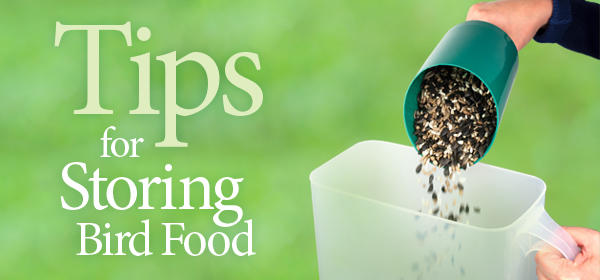
Handle bird seed carefully to avoid contamination. Dirty hands or tools can transfer germs to the seed. Keep everything clean.
- Wash hands before and after handling seed
- Use clean scoops or cups for measuring seed
- Do not mix new seed with old seed
- Seal containers tightly after use
- Store seed away from chemicals and strong odors
Credit: tallahassee.wbu.com
Maintaining Seed Freshness
Storing wild bird seed properly keeps it fresh and safe for birds. Fresh seed attracts more birds and helps them stay healthy.
Good storage prevents mold, pests, and seed spoilage. Follow simple steps to keep your seed fresh longer.
Rotation Techniques
Use older seed first to avoid waste. Add new seed behind older seed in storage containers. This way, you use seed before it goes bad.
Keep seed containers organized. Label bags with the purchase date. This helps you track which seed to use first.
- Place new seed behind older seed
- Label seed bags with dates
- Use the oldest seed first
- Store seed in small amounts to avoid long storage
Shelf Life Awareness
Wild bird seed has a limited shelf life. Most seeds stay fresh for about six months to one year if stored well. Check the package for specific dates.
Keep seed in a cool, dry place to extend shelf life. Avoid storing seed in hot or damp areas that cause spoilage.
- Store seed in a cool, dry place
- Check expiration or best-by dates on packages
- Buy seed in small amounts to use quickly
- Avoid storing seed for more than one year
Signs Of Spoiled Seed
Look for signs that seed is spoiled before feeding it to birds. Spoiled seed can harm birds or attract pests.
Check for mold, bad smells, and clumping. If seed looks wet or smells sour, it is spoiled and should be thrown away.
- Mold or discoloration on seed
- Wet or clumped seed
- Foul or sour smell
- Presence of insects or pests
Special Tips For Bulk Storage
Storing wild bird seed in large amounts needs care. Proper storage keeps the seed fresh and safe.
Good storage stops pests, moisture, and spoilage. It helps your birds get healthy food all year.
Dividing Large Quantities
Split big amounts of seed into smaller containers. This helps stop all the seed from going bad at once.
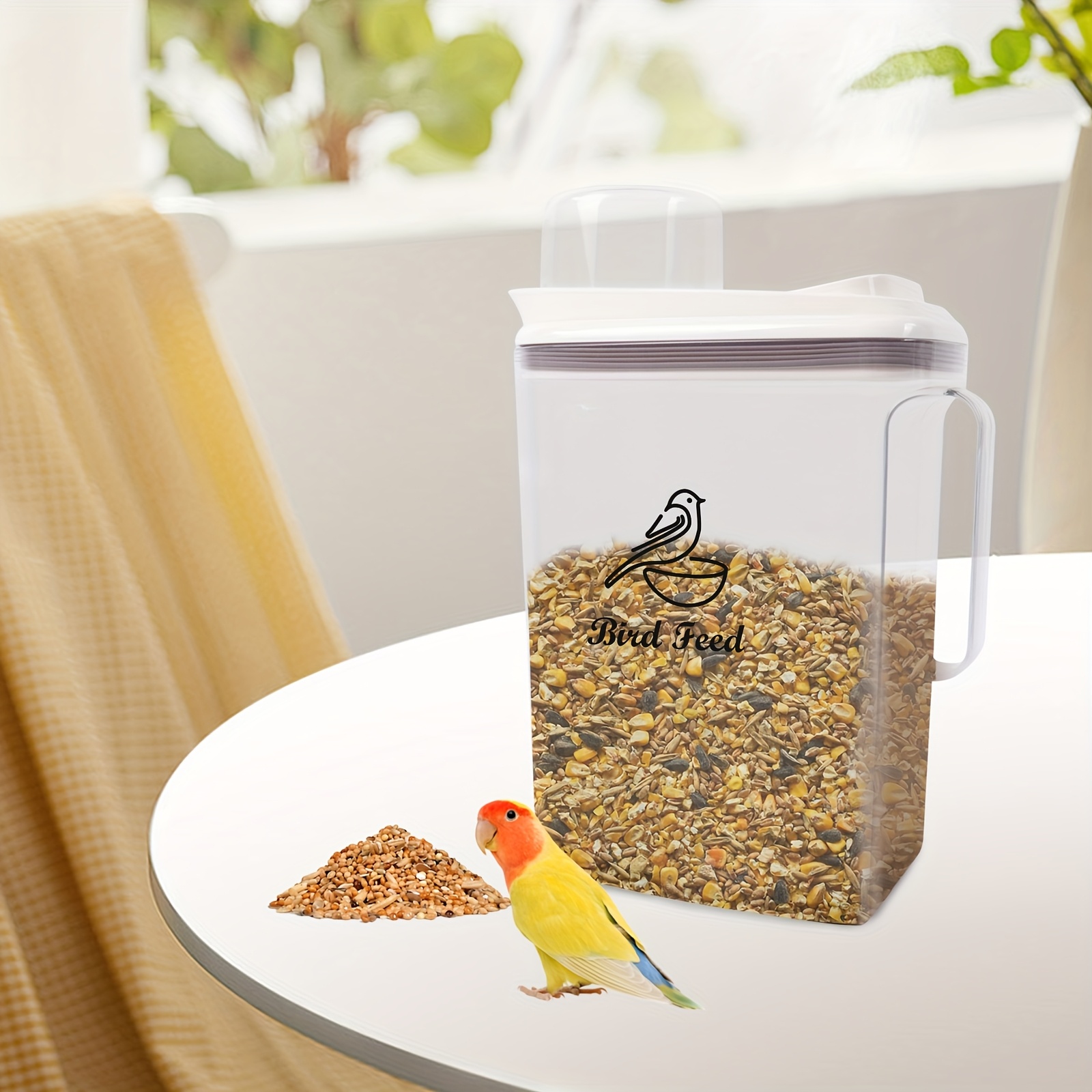
Use airtight containers that are easy to open and close. Label each container with the date you stored the seed.
- Choose containers with tight lids
- Keep containers in a cool, dry place
- Label each container with storage date
- Only open one container at a time
Using Desiccants
Desiccants help keep seed dry by absorbing moisture. Moisture can cause mold and spoil the seed.
Place food-safe desiccant packets inside storage containers. Do not let birds eat the desiccants.
- Use silica gel or clay-based desiccants
- Replace desiccants if they get wet
- Keep desiccants away from birds and pets
- Check desiccant condition regularly
Regular Inspection Routine
Check your stored seed often for signs of pests or mold. Early detection stops big problems.
Look for changes in smell, color, or texture. Remove any bad seed right away to protect the rest.
- Inspect containers weekly
- Look for insects or rodent damage
- Smell seed for freshness
- Discard moldy or clumpy seed
Credit: www.temu.com
Eco-friendly Storage Solutions
Storing wild bird seed properly keeps it fresh and safe from pests. Using eco-friendly methods helps protect the environment.
Simple, natural storage ideas reduce waste and support wildlife. These tips help you store bird seed in green ways.
Reusable Containers
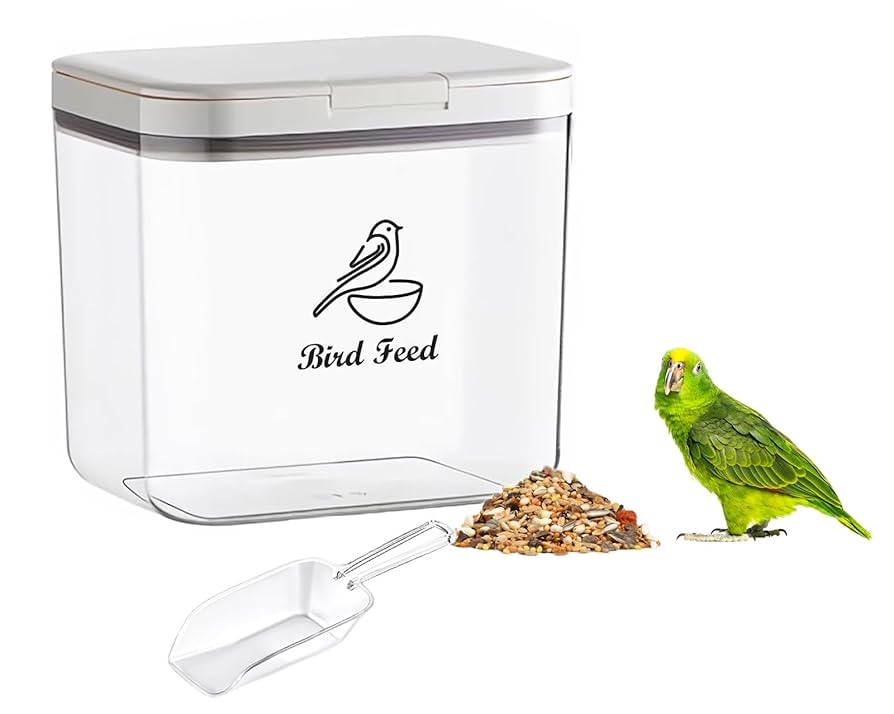
Reusable containers stop seed from spilling and keep it dry. Choose containers made from glass, metal, or BPA-free plastic.
These containers cut down on single-use bags. They also help you organize seed types easily.
- Use airtight jars or bins
- Pick containers with secure lids
- Clean containers before reuse
- Label containers for seed type
Natural Pest Deterrents
Keep pests away without chemicals. Natural deterrents protect seed and the environment.
Use items like bay leaves, dried chili peppers, or cedar chips near your seed storage. These items repel insects and rodents.
- Place bay leaves inside containers
- Scatter cedar chips around storage area
- Use dried chili peppers away from pets
- Keep storage area clean and dry
Composting Expired Seed
Expired bird seed can go into your compost bin. Composting turns old seed into rich soil for plants.
Avoid throwing seed in the trash. Composting lowers waste and supports your garden naturally.
- Check seed for mold before composting
- Mix seed with green and brown compost materials
- Turn compost regularly to speed decomposition
- Use finished compost in your garden
Frequently Asked Questions
How Long Can Wild Bird Seed Be Stored Safely?
Wild bird seed can be stored safely for up to six months. Keep it in a cool, dry place to maintain freshness. Proper storage prevents mold and pests, ensuring seed quality for your birds.
What Is The Best Container For Storing Bird Seed?
Use airtight containers made of plastic, metal, or glass to store bird seed. These prevent moisture, pests, and contamination. Clear containers also help monitor seed levels and quality effectively.
Should Wild Bird Seed Be Refrigerated Or Frozen?
Refrigeration or freezing is not necessary but can extend seed freshness. Ensure the seed is sealed tightly in an airtight container before freezing. This method prevents spoilage and pest infestation longer.
How Do I Prevent Pests In Stored Bird Seed?
Store bird seed in airtight containers and keep the area clean. Avoid spilling seed to reduce attracting pests. Regularly inspect the seed for signs of insects or mold to prevent infestations.
Conclusion
Storing wild bird seed properly keeps it fresh and nutritious. Use airtight containers to protect from moisture and pests. Store in a cool, dry place to extend shelf life. Check for mold regularly to ensure seed quality. Rotate stock to use older seed first.
These steps help attract healthy birds to your garden. Remember, proper storage benefits both you and the birds. Enjoy watching vibrant wildlife flock to your well-maintained feeders. Happy bird watching!